
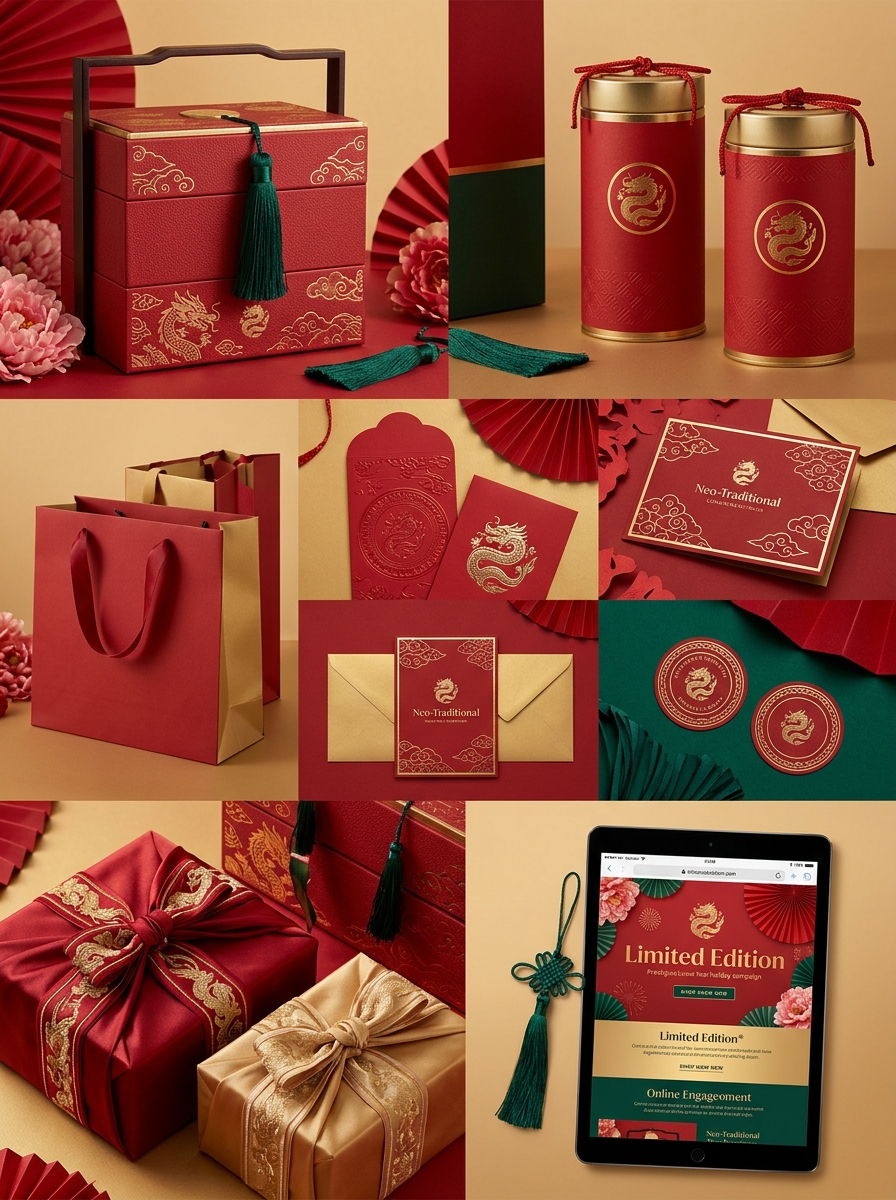
Crafting impactful Chinese New Year packaging requires a sophisticated blend of ancestral tradition and contemporary design logic. To truly resonate during the Lunar New Year, brands must look beyond surface-level aesthetics, integrating deep-rooted cultural symbolism with modern visual principles.
From the psychological weight of "Lunar Red" and gold accents to the strategic application of zodiac iconography and auspicious motifs, every element serves as a vital narrative tool. Mastering these nuances ensures that a product does not merely occupy shelf space but actively engages consumers through shared heritage and emotional storytelling. This exploration delves into the core components of CNY packaging design, offering insights into how luxury finishes, meaningful typography, and symbolic imagery combine to create memorable, culturally respectful brand experiences that drive consumer connection.
The Psychology of Red and Gold in Festive Brand Identity
During Chinese New Year, the strategic application of red and gold in brand identity leverages powerful psychological triggers. Red symbolizes vitality, happiness, and good fortune. In a marketing context, it creates a sense of urgency and excitement, effectively capturing consumer attention in crowded retail environments.
Gold serves as the perfect complement, representing wealth, luxury, and high social status. When combined, this palette signals prosperity and success, aligning a brand with the traditional aspirations of the holiday. By adopting these colors, businesses foster emotional resonance and cultural trust, transforming everyday products into symbols of abundance. This visual synergy not only honors heritage but also encourages the spirit of gift-giving and premium spending associated with the Lunar New Year celebrations.
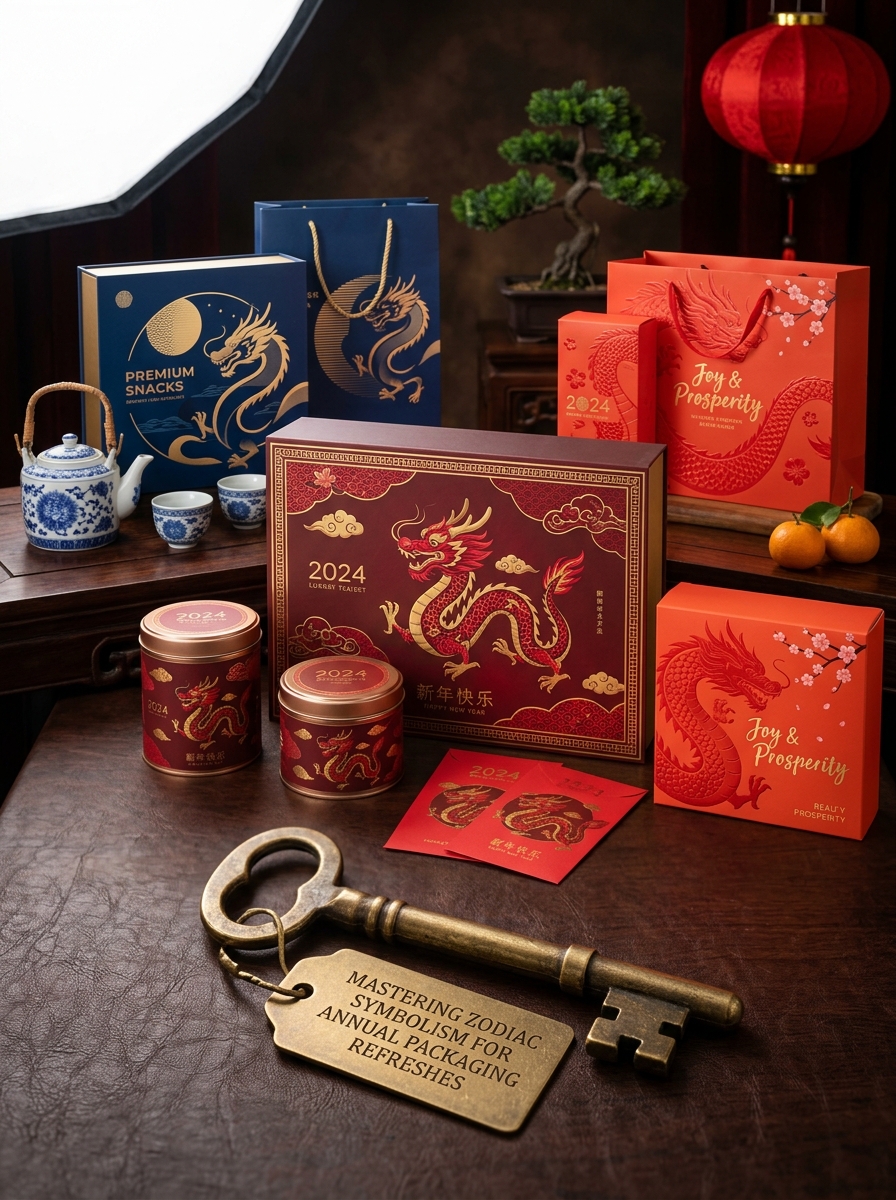
Mastering Zodiac Symbolism for Annual Packaging Refreshes
For brands targeting the Chinese New Year market, mastering zodiac symbolism is essential for impactful annual packaging refreshes. Each year in the 12-year lunar cycle is governed by a specific animal-such as the Dragon, Rabbit, or Tiger-carrying unique cultural connotations and personality traits.
Effective packaging design integrates these figures with traditional motifs, primarily red for luck and gold for wealth. By modernizing animal illustrations and aligning them with brand identity, companies create limited-edition, "collectible" items that resonate emotionally with consumers seeking prosperity.
This strategic alignment drives engagement during the festive shopping surge, transforming everyday products into meaningful gifts. Utilizing the specific zodiac sign ensures your product stands out in a crowded marketplace, fostering deeper connections with global audiences celebrating the Lunar New Year through visual storytelling.
Integrating Traditional Auspicious Motifs with Modern Aesthetics
Modern Chinese New Year celebrations increasingly blend ancient symbolism with contemporary design principles. Traditional auspicious motifs-such as the loong (dragon), phoenix, and clouds-are being reimagined through minimalist lines and sophisticated color palettes that move beyond basic red and gold.
This fusion, often termed "New Chinese Style," prioritizes cultural heritage while embracing global fashion trends. Designers utilize geometric abstraction and digital textures to represent prosperity and good fortune, making these symbols accessible to younger generations. By stripping away visual clutter and focusing on core symbolic meanings, the Lunar New Year aesthetic evolves into a luxury-oriented, high-concept visual language. This strategic integration ensures that historical significance remains vibrant, relevant, and visually compelling in a modern, globalized marketplace.
The Impact of Calligraphy and Typography on Visual Storytelling
During Chinese New Year, calligraphy serves as a vital tool for visual storytelling, moving beyond mere text to convey deep cultural emotions. The artistic rhythm of traditional brushstrokes-found in scripts like Kaishu or Lishu-symbolizes strength, prosperity, and the continuity of heritage.
On Chunlian (spring couplets) and red envelopes, typography dictates the narrative tone. Bold, gold characters set against vibrant red backgrounds communicate a story of luck and renewal. Whether using ancient hand-inked styles or modern digital fonts, the arrangement and weight of the characters enhance the festive atmosphere. By blending aesthetic beauty with symbolic meaning, calligraphy transforms the Lunar New Year into a rich, visual experience that honors the past while welcoming the future.
Elevating the Gifting Experience through Premium Materiality
During Chinese New Year, the physical presentation of a gift is as significant as the contents within. Elevating the experience through premium materiality involves a strategic selection of high-grade textures, heavy-weight cardstocks, and sophisticated finishes.
By incorporating gold foil embossing, velvet-touch lamination, and sustainable luxury materials, brands honor the traditional values of prosperity and respect. These tactile elements enhance the sensory appeal of red envelopes (hongbao) and festive hampers, reinforcing the cultural concept of "giving face."
In a competitive seasonal market, utilizing superior craftsmanship and high-quality substrates transforms ordinary packaging into a symbol of prestige. This commitment to materiality ensures that every gift resonates with auspiciousness, making the act of giving a memorable reflection of sincerity and high social standing.
Symbolic Flora and Fauna in Lunar New Year Pattern Design
Lunar New Year pattern design integrates specific flora and fauna to convey auspicious meanings and cultural blessings. Peonies, symbolizing wealth and honor, and plum blossoms, representing resilience and perseverance, are central botanical motifs. Bamboo is also frequently featured to signify strength and longevity.
Animal imagery, or fauna, is equally vital. The dragon denotes imperial power and good fortune, while the phoenix symbolizes grace and rebirth. Patterns often highlight the specific Zodiac animal of the current year to invite protection and prosperity. Additionally, cranes represent a long life, and magpies signal incoming joy. These biological elements are meticulously arranged in traditional textiles and art to create visual prayers for a successful and harmonious year ahead.
Balancing Cultural Heritage with Contemporary Minimalism
Modern celebrations of the Lunar New Year are increasingly blending ancient customs with a minimalist aesthetic. Traditionally defined by vibrant red hues and elaborate decorations, contemporary interpretations focus on intentionality and clean design.
This balance is achieved by substituting excessive ornamentation with high-quality, sustainable materials and monochromatic accents. For example, digital red envelopes (e-hongbao) honor the tradition of gifting while reducing physical waste. Interior spaces now feature subtle zodiac motifs and strategic negative space, allowing core symbols of prosperity to stand out without clutter.
By integrating contemporary minimalism with cultural heritage, the festival's essence-family, gratitude, and renewal-remains central. This refined approach proves that honoring one's roots does not require excess, but rather a thoughtful synthesis of tradition and modern lifestyle.
The Role of Structural Innovation in Festive Unboxing
During Chinese New Year, packaging transcends its functional roots to become an interactive ritual. Structural innovation plays a pivotal role in the festive unboxing experience by transforming traditional gift-giving into a multisensory journey. By utilizing advanced paper engineering-such as 3D pop-up elements, rotating layers, and modular compartments-brands create a "wow" factor that mirrors the cultural themes of prosperity and reunion.
These architectural designs often mimic the blooming of spring flowers or the unfolding of ancient scrolls, resonating with symbols of growth and renewal. Beyond aesthetics, structural creativity enhances the tactile experience and increases the perceived value of the gift. By integrating clever folding techniques and reusable components, designers also align lunar traditions with sustainability, ensuring that the unboxing process is both a memorable celebration and a modern, eco-conscious interaction.
Navigating Cultural Etiquette and Color Taboos in Design
Designing for Chinese New Year requires a deep understanding of visual symbolism and cultural sensitivities. Red is the primary color of the festival, representing vitality, luck, and joy, while gold symbolizes wealth and prosperity. Using these colors correctly ensures your design feels auspicious and festive.
Conversely, designers must avoid certain color taboos. White and black should be used sparingly or avoided as dominant colors, as they are traditionally associated with mourning and funerals. Incorporating cultural motifs like zodiac animals, lanterns, and clouds can enhance authenticity, but avoid cluttering the visual space.
Respecting these traditions prevents accidental offense and demonstrates cultural competence. By prioritizing auspicious palettes and avoiding symbols of misfortune, brands can create meaningful designs that resonate with global Chinese communities during the Lunar New Year celebrations.
Future Directions for Sustainable and Interactive CNY Packaging
The future of Chinese New Year (CNY) packaging is defined by a strategic blend of ecological responsibility and digital innovation. As global sustainability goals intensify, brands are pivoting toward eco-friendly materials, such as biodegradable substrates, soy-based inks, and plastic-free structural designs to minimize festive waste.
Beyond green initiatives, interactive packaging is revolutionizing the unboxing experience through technology and versatility:
- Augmented Reality (AR): Scanning festive graphics to unlock 3D zodiac animations or personalized digital greetings.
- Repurposable Design: Engineering gift boxes that transform into functional home décor, storage units, or traditional lanterns.
- Smart Connectivity: Utilizing QR codes to facilitate seamless digital red packet (Hongbao) transfers and storytelling.
These advancements ensure that CNY remains a vibrant celebration that aligns with modern environmental ethics and digital-first consumer behaviors.
Leave a comment