
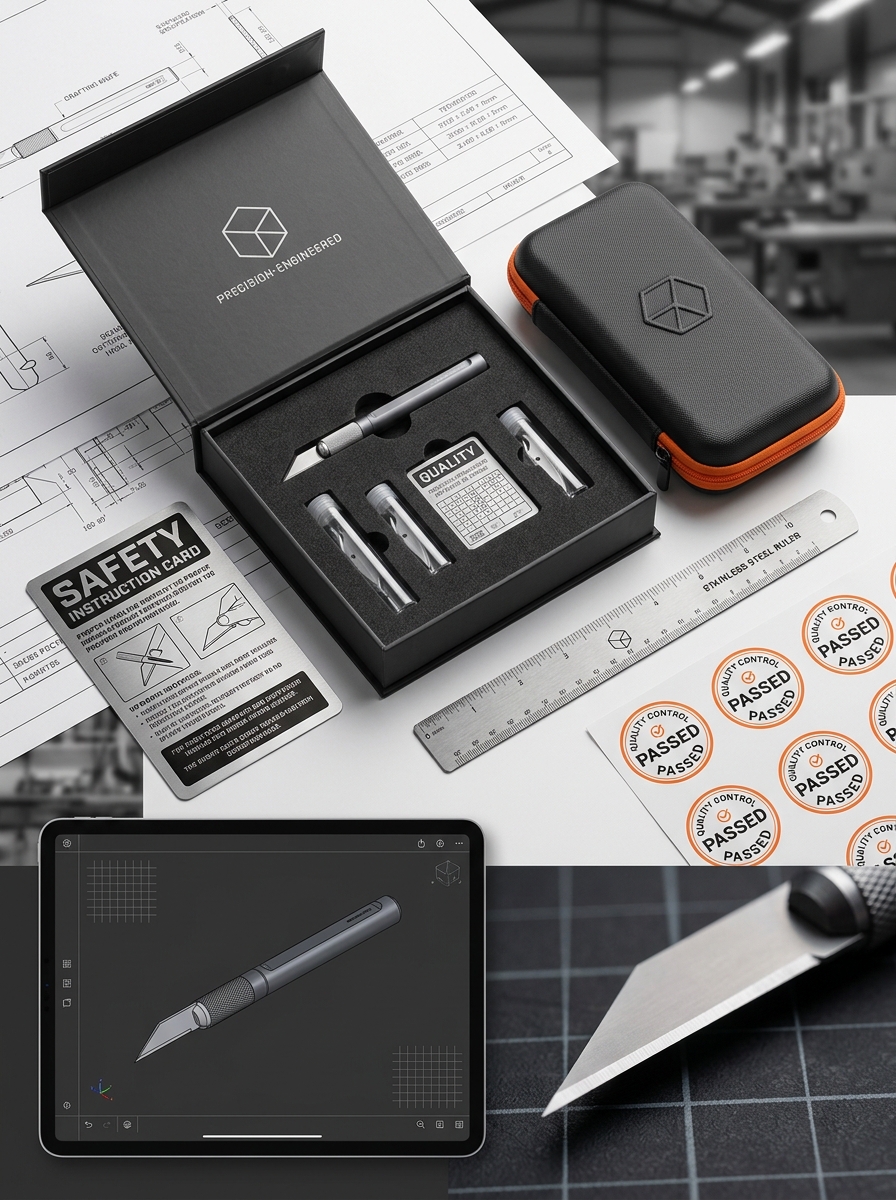
Elevating precision craft knives beyond simple utility requires a sophisticated approach to structural packaging and visual storytelling. As essential instruments for artisans, architects, and hobbyists, these tools demand high-performance housing that mirrors their inherent accuracy and sharpness. This exploration delves into expert design concepts that harmonize functional protection with refined aesthetic principles.
By prioritizing ergonomic accessibility and minimalist visual cues, manufacturers can transform a standard container into a premium tactile experience. We analyze the strategic use of sustainable materials, intuitive safety mechanisms, and balanced typography to create a cohesive brand identity. Discover how engineering-grade packaging serves as a critical touchpoint, ensuring that every delicate cutting edge is preserved while making a definitive statement in the professional creative market.
The Evolution of Professional Craft Tool Branding
The branding of the precision craft knife has transitioned from basic utility to high-performance artistry. Historically, these tools were marketed as simple hardware accessories; however, modern branding now emphasizes ergonomic innovation and metallurgical excellence.
Today's professional landscape focuses on specialized features such as anti-roll designs, knurled grips for tactile control, and high-carbon steel longevity. Manufacturers position these instruments as vital assets for architects, designers, and artisans who demand microscopic accuracy. By highlighting the intersection of industrial durability and creative finesse, branding has transformed the craft knife into a premium professional instrument. This evolution reflects a market that values technical sophistication and safety, ensuring the tool remains indispensable for intricate manual prototyping in a digital world.
Minimalist Aesthetics and the Precision Ethos
The precision craft knife embodies a minimalist design philosophy where form strictly follows function. By stripping away unnecessary bulk, the tool achieves a sleek, balanced profile that aligns with the precision ethos of modern makers. This aesthetic is not merely about visual appeal; it directly enhances ergonomic control and tactile feedback.
A streamlined handle ensures an unobstructed view of the cutting path, allowing for surgical accuracy in intricate tasks like paper layering, model making, or film trimming. Utilizing premium materials such as anodized aluminum or stainless steel, these knives provide a weighted stability that reduces hand fatigue. For the professional artisan, the intersection of minimalist beauty and engineering excellence ensures every incision is deliberate, reflecting a commitment to high-quality craftsmanship and refined artistic execution.
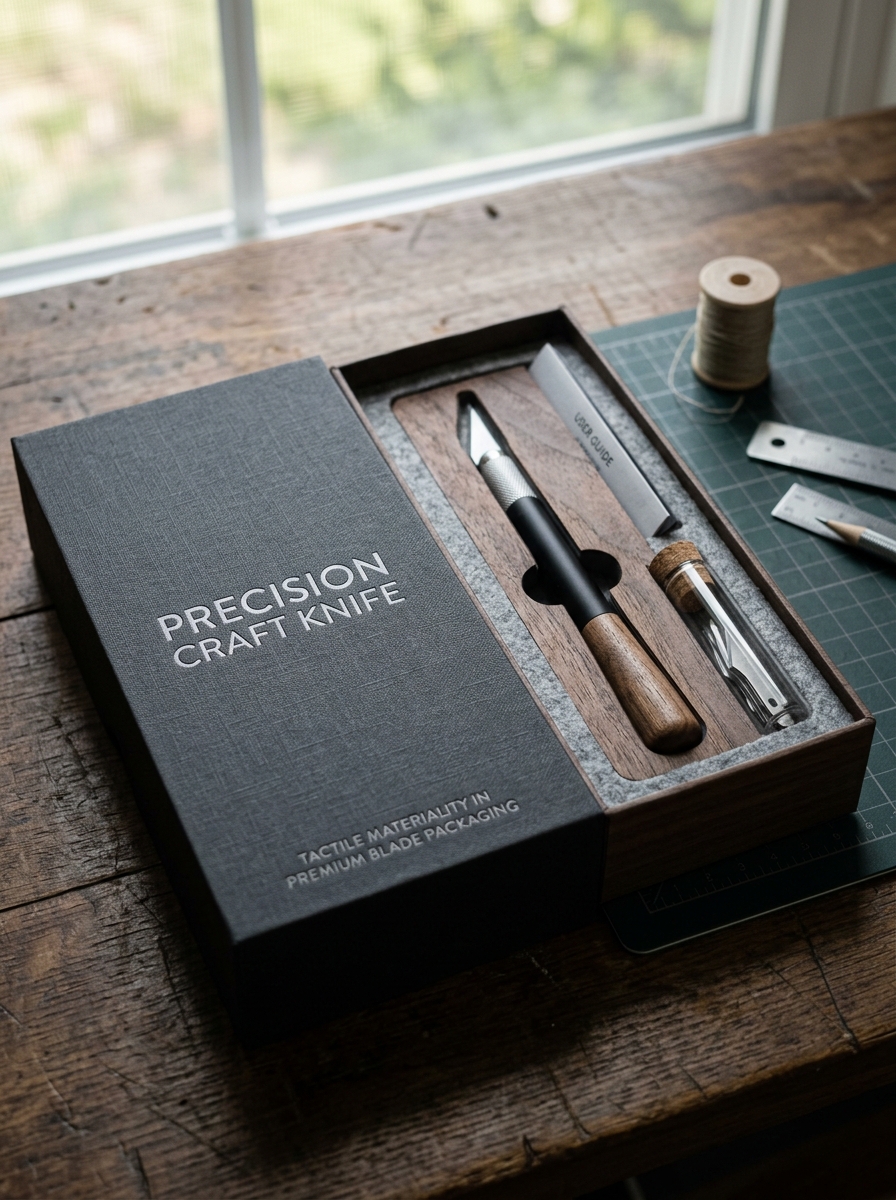
Tactile Materiality in Premium Blade Packaging
Elevating the user experience of a precision craft knife begins long before the first cut. Tactile materiality in premium packaging utilizes sensory-driven elements-such as soft-touch matte finishes, high-density foam inserts, and embossed textures-to communicate the tool's professional grade. These material choices are not merely aesthetic; they provide a physical manifestation of the knife's balanced weight and sharp engineering.
For artisans and designers, the unboxing process sets the standard for the tool's performance. High-quality cardstock and magnetic closures offer a sense of security and durability, protecting the delicate, razor-sharp blades from environmental damage. By integrating these tactile cues, manufacturers reinforce the brand's commitment to precision, ensuring that the packaging serves as a functional, sophisticated extension of the creative workflow.
Ergonomic Unboxing and User Interaction Design
The precision craft knife experience begins with frustration-free packaging, designed for immediate accessibility and safety. This human-centric approach ensures that professionals and hobbyists can transition seamlessly from unboxing to intricate execution without the risk of injury or tool damage.
User interaction is optimized through a series of tactile design choices:
- Textured Ergonomic Grip: Minimizes hand fatigue and prevents slippage during high-detail tasks.
- Balanced Weighting: Provides the control of a fine writing instrument for superior accuracy.
- Anti-Roll Barrel: Integrated geometry prevents the tool from moving when placed on flat surfaces.
By prioritizing a secure blade-locking mechanism and intuitive touchpoints, the design fosters a natural synergy between the hand and the tool. This focus on ergonomics elevates the standard of craft utility, ensuring every cut is guided by comfort and absolute precision.
Safety-First Structural Engineering for Sharp Instruments
The integrity of a precision craft knife relies on meticulous structural engineering designed to mitigate risks during high-detail tasks. Premium knives feature ergonomic, anti-slip handles-often constructed from anodized aluminum or textured polymers-to ensure maximum grip stability and user control during intricate cuts.
Key safety-driven engineering components include:
- Secure Blade Locking: A heavy-duty steel chuck or collet system prevents blade wobbling or accidental detachment.
- Anti-Roll Design: Hexagonal or weighted handle shapes prevent the instrument from rolling off flat work surfaces.
- Protective Shielding: High-impact safety caps shield the ultra-sharp carbon steel edge when the tool is not in use.
By integrating these mechanical safeguards, the tool provides a perfect balance of surgical sharpness and structural reliability, protecting the artisan while maintaining peak cutting accuracy.
Information Hierarchy and Technical Typography Layouts
Effective documentation for a precision craft knife relies on a structured information hierarchy to ensure user safety and operational accuracy. Technical typography layouts organize complex data-such as blade angles, material compositions, and handle compatibility-into digestible segments.
- Primary Identifiers: Bold headings designate specific blade types (e.g., #11 Fine Point) for immediate recognition.
- Technical Specifications: Monospaced fonts or tabular layouts present precise measurements like 0.5mm thickness and specific degree increments.
- Safety Cues: Distinct typographic weights highlight locking mechanisms and blade replacement protocols.
By utilizing a clear visual scale, these layouts reduce cognitive load. High-contrast typography ensures that critical specifications, such as high-carbon steel versus stainless steel properties, remain legible in workshop environments, facilitating professional-grade accuracy for intricate cutting tasks.
Color Theory for Industrial and Creative Tools
In the realm of precision craft knives, color theory bridges the gap between safety and functionality. Manufacturers utilize high-visibility colors, such as safety yellow or vibrant orange, to ensure sharp tools remain prominent on busy workspaces, effectively preventing accidental contact and injuries.
Beyond safety, color serves as a vital organizational system. Color-coded handles often distinguish between specialized blade types, tip angles, or grip thicknesses, allowing for rapid tool identification during complex projects. For professional environments, muted tones like matte black or brushed aluminum are often preferred to minimize light reflection and eye fatigue, maintaining the user's focus on intricate details.
Ultimately, strategic color application in tool design enhances the ergonomic experience, signaling durability while optimizing the creative workflow for both hobbyists and industrial artisans.
Visual Storytelling through Transparent Display Windows
In the realm of fine arts and model making, a precision craft knife relies on more than just its edge; its presentation defines its quality. Strategic transparent display windows in packaging or tool casings serve as a powerful medium for visual storytelling. These clear viewing ports allow artisans to inspect the surgical-grade steel and the ergonomic contours of the handle before purchase.
By making the blade's geometry and the internal storage of replacement blades visible, manufacturers communicate a narrative of transparency and engineering excellence. This design choice provides immediate reassurance of the tool's sharpness and durability. For professionals, being able to see the intricate details of the hobby knife fosters consumer confidence, ensuring the instrument meets the rigorous demands of detailed paper cutting, vinyl weeding, or architectural modeling.
Sustainable Solutions for High-Performance Tool Housing
The evolution of the precision craft knife now prioritizes environmental responsibility alongside technical excellence. Modern high-performance tool housings are increasingly manufactured using recycled polymers and bio-based composites. These materials ensure the handle remains lightweight yet exceptionally durable for intricate cutting tasks.
Integrating sustainable materials into tool design does not compromise structural integrity. Instead, these innovative housings offer superior ergonomic grip and impact resistance, essential for professional-grade accuracy. By choosing tools crafted from renewable or reclaimed sources, creators reduce their carbon footprint while benefiting from long-lasting equipment. Sustainable housing solutions represent the future of the craft industry, where high-performance engineering meets eco-conscious manufacturing to support circular economy goals without sacrificing the precision required for delicate artisanal work.
Balancing Luxury Appeal with Functional Durability
A premium precision craft knife represents the perfect intersection of sophisticated design and industrial-grade resilience. Achieving this balance requires meticulous material selection; high-grade anodized aluminum or weighted brass handles provide a luxurious, ergonomic feel that minimizes hand fatigue during intricate projects.
Beyond aesthetics, functional durability is maintained through heat-treated, high-carbon steel blades and reinforced locking mechanisms. These features ensure the tool remains stable under pressure, offering consistent accuracy for scoring, trimming, and detailed cutting. By merging a sleek, professional profile with rugged internal components, this tool serves as both a high-end centerpiece and a reliable workhorse for artists, architects, and hobbyists who refuse to compromise on performance or style.
Leave a comment