
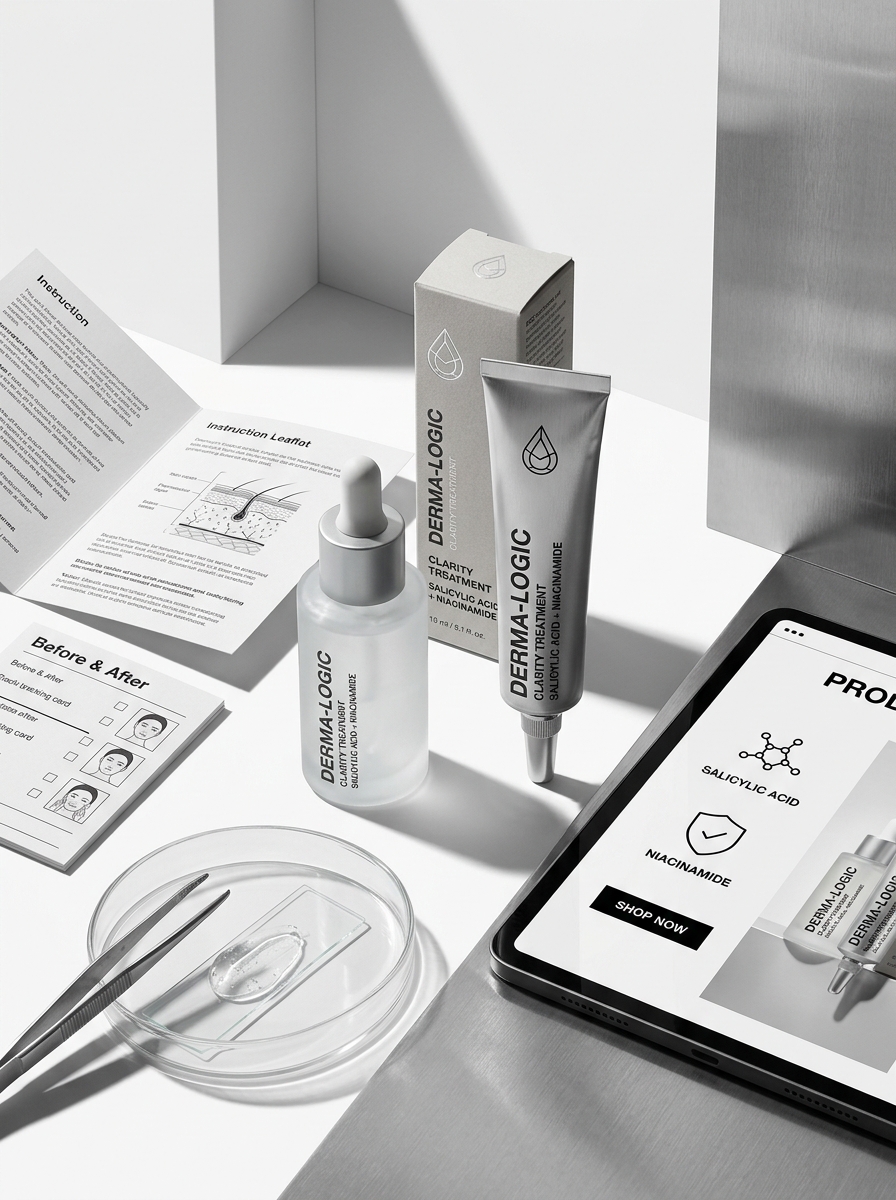
Effective spot treatment packaging serves as the vital bridge between clinical efficacy and consumer desire. Beyond mere containment, the architecture of these specialized containers must balance precise application with compelling visual storytelling. As modern skincare brands prioritize active ingredient stability, selecting high-performance delivery systems-from airless pumps to precision glass droppers-becomes paramount for maintaining formula integrity and ensuring targeted results.
This exploration delves into the essential design principles that elevate targeted treatments, focusing on how minimalist aesthetics and ergonomic functionality work in tandem. By harmonizing sophisticated branding with user-centric engineering, manufacturers can transform a simple blemish cream or serum into a premium ritual, capturing market attention while reinforcing consumer trust through superior tactile experiences and shelf appeal.
The Evolution of Spot Treatment Packaging Trends
The landscape of spot treatment packaging has shifted from generic medicinal tubes to sophisticated, user-centric designs. Historically, acne treatments relied on bulky jars or simple squeeze tubes that risked formula oxidation and cross-contamination. Today, industry trends prioritize precision application and ingredient integrity.
Modern innovations include hydrocolloid patches, which provide a discreet, protective barrier, and airless pumps that preserve high-potency actives like salicylic acid. Furthermore, the move toward sustainable skincare packaging has introduced PCR (post-consumer recycled) plastics and refillable glass components. These advancements reflect a growing consumer demand for hygienic, travel-friendly, and eco-conscious solutions. By integrating needle-nose tips and antimicrobial applicators, brands now ensure targeted delivery, reducing product waste while enhancing the efficacy of concentrated localized treatments.
Understanding Consumer Psychology in Targeted Acne Solutions
The market for spot treatments is fundamentally driven by the psychological need for immediate control and "emergency" intervention. Unlike preventative skincare, consumers turn to targeted acne solutions during moments of high emotional stress caused by active breakouts.
This consumer behavior is defined by three primary psychological drivers:
- Instant Gratification: Users seek high-potency formulas that promise visible reduction in redness and size within hours.
- Sense of Agency: Localized application provides a tactile sense of "fixing" a specific problem, restoring a feeling of control over one's appearance.
- Perceived Efficacy: The concentrated nature of spot treatments signals clinical strength, appealing to the desire for professional-grade results at home.
By understanding these triggers, brands can better align their acne care messaging with the consumer's urgent need for rapid, reliable, and confidence-boosting results.
Prioritizing Precision with Specialized Applicator Design
Effective spot treatment requires more than just a potent formula; it demands surgical accuracy. By prioritizing precision through specialized applicator design, skincare brands ensure that concentrated active ingredients-such as salicylic acid or benzoyl peroxide-are delivered directly to the blemish without compromising the surrounding healthy skin barrier.
Innovative delivery systems, including fine-point nozzles, antimicrobial silicone tips, and cooling metal rollers, provide several key benefits:
- Targeted Delivery: Minimizes product waste and prevents irritation on unaffected areas.
- Improved Hygiene: Reduces the risk of cross-contamination by eliminating the need for finger application.
- Controlled Dosage: Ensures the optimal amount of treatment is applied for maximum efficacy.
A well-engineered applicator enhances the user experience, making localized skincare management both efficient and hygienic.
Selecting High-Performance Materials for Formula Stability
Developing effective spot treatments requires a meticulous selection of raw materials to ensure long-term formula stability and active potency. Formulators must prioritize high-performance ingredients that resist degradation when exposed to environmental stressors like light or oxygen.
- Active Stabilization: Utilizing encapsulated salicylic acid or stabilized blemish-fighting derivatives prevents premature oxidation and maintains efficacy.
- Structural Integrity: High-quality polymers and thickening agents ensure a uniform suspension, preventing phase separation in concentrated localized applications.
- Chemical Compatibility: Selecting inert carriers and pH-balanced buffers prevents undesirable reactions that could neutralize the treatment's therapeutic properties.
By focusing on material purity and molecular compatibility, developers maximize the bioavailability of the formula. This ensures the spot treatment remains potent, safe, and skin-friendly throughout its entire shelf life, delivering consistent results for targeted skin concerns.
The Visual Language of Clinical versus Holistic Aesthetics
In the marketplace for spot treatment, branding dictates consumer expectations through two distinct design philosophies: clinical and holistic aesthetics. Clinical branding utilizes minimalist typography, sterile white packaging, and professional blue or silver accents. This visual language signals pharmaceutical precision and dermatologist-backed efficacy, appealing to those seeking high-potency, science-driven results for active blemishes.
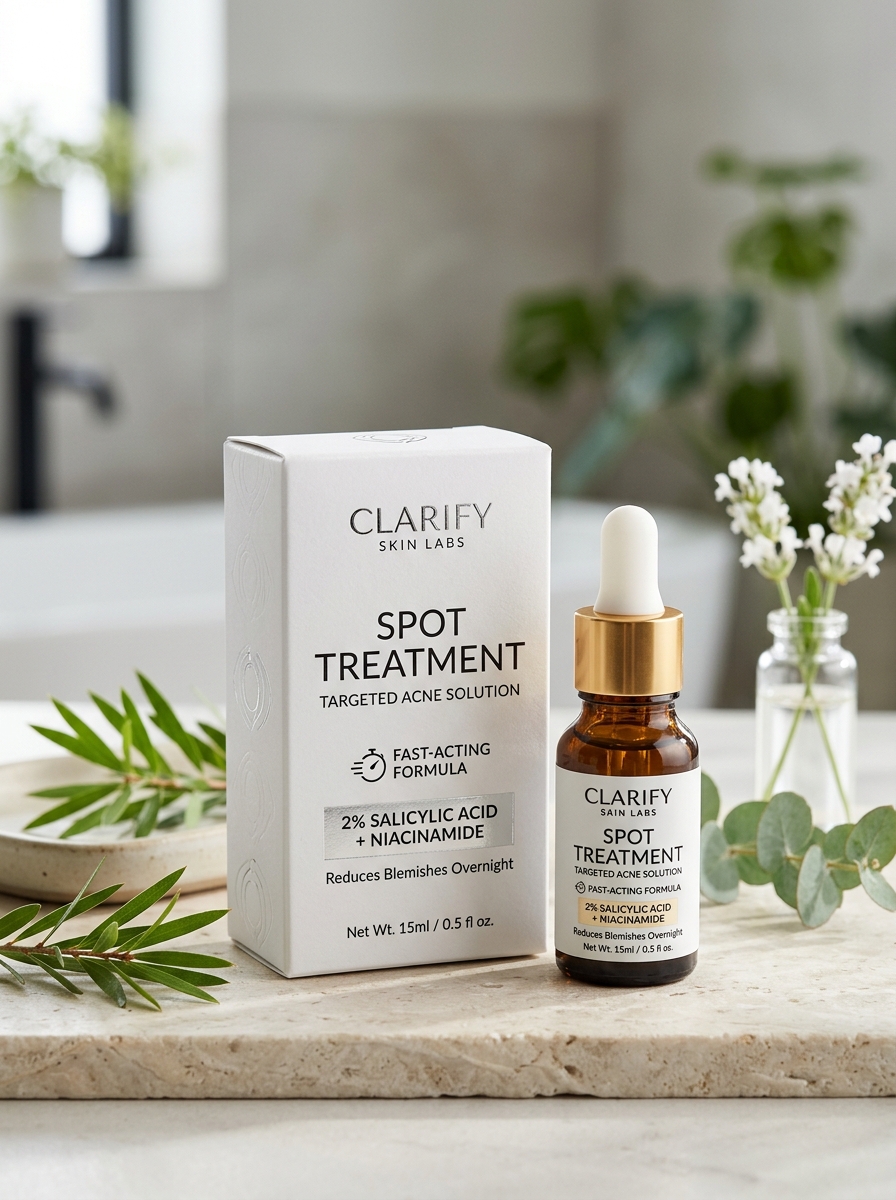
In contrast, holistic aesthetics prioritize earthy tones, organic textures, and botanical imagery. Often presented in amber glass or recycled paper, this "apothecary" style emphasizes natural ingredients and long-term skin health. While clinical visuals promise immediate chemical intervention, holistic design suggests a gentle, sensory approach to wellness. Understanding these visual cues helps consumers navigate the skincare landscape, choosing between aggressive targeted treatments or soothing, plant-based remedies based on their personal skin philosophy.
Information Hierarchy and Regulatory Compliance Standards
In the development of spot treatments, maintaining a precise information hierarchy is essential for both consumer safety and regulatory compliance. Regulatory bodies, such as the FDA and EMA, mandate that high-risk information be prioritized to prevent misuse of potent active ingredients like salicylic acid or benzoyl peroxide.
- Drug Facts Labeling: Must follow a standardized format, prioritizing active ingredients, purposes, and uses.
- Safety Warnings: Contraindications and potential allergens must be visually prominent to mitigate adverse dermatological reactions.
- Application Protocols: Step-by-step instructions ensure the product is used as a localized treatment rather than an all-over facial cream.
Adhering to these semantic structures ensures that brands meet legal transparency requirements while guiding users through critical efficacy and safety data efficiently.
Strategic Color Theory for Corrective Skincare Branding
In the competitive landscape of spot treatments, strategic color theory serves as a vital tool for visual communication and consumer trust. Skincare brands utilize the color wheel to signal product efficacy; for instance, green tones are frequently used in packaging and formulations because they naturally neutralize the redness associated with inflammation and acne.
Beyond functional correction, brands employ clinical blues to evoke a sense of cooling relief and professional-grade safety. Minimalist white designs are often paired with high-contrast typography to reinforce themes of purity and medical precision. By aligning brand aesthetics with the science of color correction, companies create an intuitive shorthand for shoppers. This strategic alignment helps users quickly identify targeted solutions for blemishes and hyperpigmentation, positioning the product as a reliable, results-oriented authority in corrective skincare.
Sustainable Innovations in Micro-Format Product Design
In the evolving landscape of spot treatment, sustainable innovations are revolutionizing micro-format product design to minimize environmental impact. Historically, targeted acne treatments relied on single-use plastics and non-recyclable delivery systems. Today, the industry is pivoting toward eco-friendly materials, such as biodegradable hydrocolloid patches and refillable glass micro-dispensers.
These design advancements focus on concentrated formulas that significantly reduce water consumption and carbon emissions during transit. By implementing compostable packaging and precision applicators, brands are ensuring that localized skincare remains effective without contributing to landfill waste. This shift toward circular beauty highlights how micro-format engineering can provide high-performance results while adhering to strict sustainability standards, proving that even the smallest skincare interventions can support a greener future.
Optimizing Shelf Impact for Digital and Retail Environments
To succeed in the competitive skincare market, spot treatments must command attention across diverse touchpoints. In physical retail, shelf impact is driven by structural packaging and high-contrast color palettes that signal potency. Utilizing tactile finishes and clear ingredient hierarchies-highlighting active components like salicylic acid or benzoyl peroxide-helps consumers navigate choices quickly.
Digitally, the "shelf" is often a mobile screen. Optimization requires high-resolution hero imagery, zoomable product textures, and lifestyle infographics that demonstrate application. Semantic optimization involves using benefit-driven descriptors that align with user search intent. By synchronizing minimalist aesthetic appeal with informative technical data, brands ensure their spot treatments are discoverable and perceived as the most effective solution for targeted blemishes, whether viewed on a physical drugstore rack or a digital storefront.
The Future of High-Efficacy Skincare Packaging Design
The evolution of spot treatment packaging is centered on preserving the potency of volatile active ingredients. To ensure maximum efficacy, future designs prioritize airless pump technology and opaque, UV-protective materials that prevent oxidation and degradation of concentrated formulas like salicylic acid or retinol.
Innovative precision-tip applicators are becoming the industry standard, allowing for targeted delivery that minimizes product waste and protects the surrounding skin barrier from irritation. Furthermore, the integration of antimicrobial surfaces and hermetic seals ensures that the formulation remains sterile throughout its shelf life. By combining sustainable materials with advanced delivery systems, high-efficacy packaging now serves as a functional extension of the treatment itself, guaranteeing that targeted skincare interventions remain powerful, hygienic, and precise from the first application to the last.
Leave a comment