
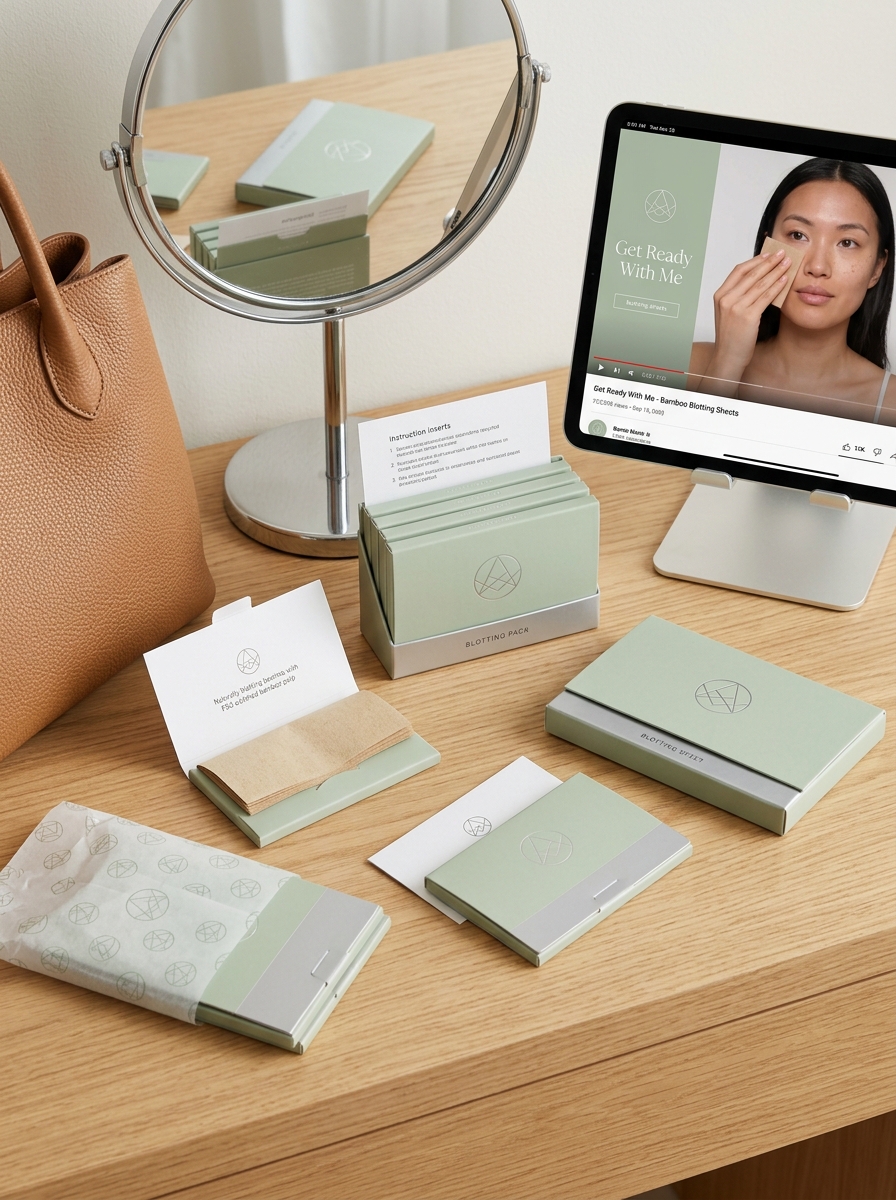
Blotting paper packaging design has transcended basic utility to become a vital touchpoint in the modern skincare experience. As consumers increasingly seek a blend of functional elegance and portability, the visual identity of these products must communicate both efficacy and luxury through strategic design choices.
Effective packaging hinges on mastering essential aesthetic principles, such as minimalist typography, cohesive color stories, and premium material selection. Beyond mere appearance, successful product concepts prioritize structural durability and sustainable sourcing, ensuring the delicate sheets remain protected while reflecting eco-conscious brand values. By integrating tactile finishes and intuitive opening mechanisms, designers can transform a routine grooming tool into a sophisticated lifestyle accessory that commands attention while enhancing the daily user ritual.
Fundamentals of Visual Identity in Blotting Paper Design
Establishing a strong visual identity for blotting papers is critical for market differentiation. The design must harmonize functionality with brand aesthetics, focusing on portable, discreet packaging that fits a modern lifestyle. Key visual components include a curated color palette-often featuring muted pastels or earthy tones-to communicate purity, natural ingredients, and skin health.
Typography plays a vital role; clean, minimalist sans-serif fonts suggest modern efficiency, while sophisticated serifs evoke a sense of luxury. Additionally, the physical texture of the paper, whether it is translucent hemp or charcoal-infused grey, serves as a tactile extension of the brand's identity. By integrating consistent logos and cohesive graphic elements, manufacturers can build consumer trust and ensure their product stands out in the competitive skincare landscape.
Material Innovation and Sustainable Substrates
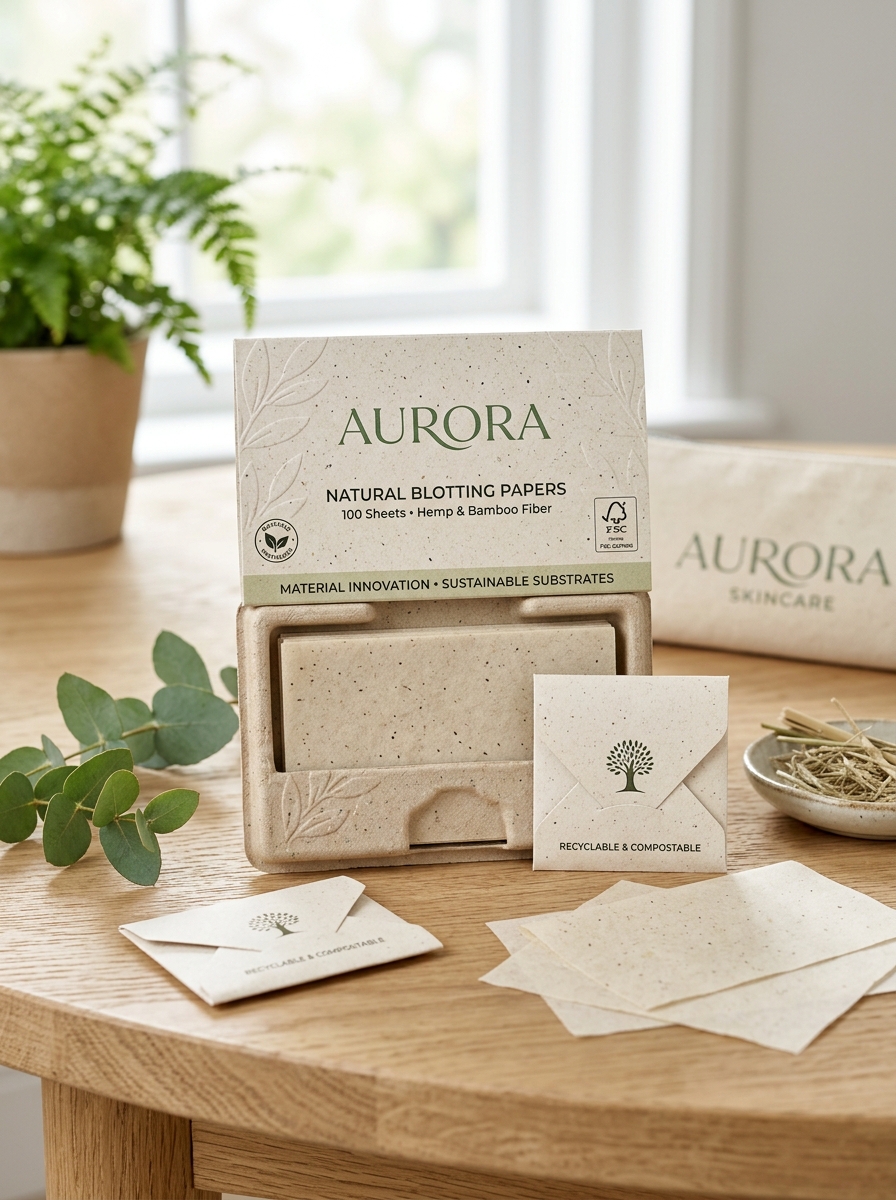
The evolution of blotting papers has shifted toward eco-conscious material science. Modern manufacturers are moving away from traditional wood pulp, instead utilizing sustainable substrates like bamboo, hemp, and natural rice fibers. These innovative materials provide superior capillary action for maximum oil absorption without disrupting the skin's natural moisture barrier or ruining makeup.
Sustainability is now a core focus, with many brands adopting biodegradable sheets and FSC-certified sourcing to reduce the environmental impact of single-use skincare. Furthermore, many high-performance papers are now infused with functional minerals like charcoal or green tea. These advancements ensure that blotting sheets remain a highly effective, travel-friendly solution for managing excess sebum while aligning with the global demand for clean beauty and plastic-free manufacturing processes.
Ergonomic Dispensing Systems for On-the-Go Use
Modern blotting papers feature advanced ergonomic dispensing systems designed for seamless integration into active lifestyles. These portable solutions prioritize ease of use, often employing slim, lightweight sleeves or pop-up mechanisms that allow for quick, one-handed access to individual sheets.
Beyond convenience, these dispensers protect delicate oil-absorbent papers from moisture and environmental contaminants inside handbags or pockets. High-quality packaging ensures that each sheet remains hygienic and intact for immediate application. Whether utilizing a magnetic-closure compact or a pull-tab dispenser, ergonomic designs eliminate the frustration of clumping or torn sheets.
This focus on functional packaging ensures effective sebum control and shine reduction anytime, anywhere, making professional-grade skincare maintenance effortless for users on the move.
Minimalist Aesthetics and the Power of Negative Space
In contemporary skincare, blotting papers serve as a testament to minimalist aesthetics. The intentional use of negative space in packaging design reflects a commitment to "clean beauty" and functional simplicity. By stripping away visual clutter, brands emphasize the purity of the materials, such as natural abaca leaf or organic linen fibers.
This design philosophy aligns perfectly with the product's core utility: the effortless removal of excess sebum to restore a balanced, matte finish. The vast, empty areas on a sleek dispenser or individual sheet signify a sanctuary from the chaos of daily oil buildup. Ultimately, embracing negative space transforms a basic grooming tool into a sophisticated accessory, proving that in the world of premium skincare, minimalist presentation enhances the perception of quality and efficacy.
Color Psychology and Brand Positioning in Skincare
In the competitive skincare market, the visual identity of blotting papers serves as a powerful tool for brand positioning. Color psychology dictates how consumers perceive product efficacy and luxury. For example, charcoal-infused papers are typically presented in black or deep grey to signify detoxification and high-performance oil absorption. Conversely, pastel pinks and soft florals signal gentleness, often positioning the product for sensitive skin or premium "self-care" rituals.
Brands aiming for a clinical or dermatological image often utilize sterile whites and "medical" blues to establish trust and purity. Meanwhile, green hues are strategically used for green tea blotting linens to emphasize natural, eco-friendly ingredients. By aligning color palettes with psychological triggers, manufacturers can effectively communicate their value proposition-whether it be professional-grade grease control or affordable, trendy convenience-influencing consumer purchasing decisions in the beauty industry.
Tactile Finishes and Sensory Packaging Experiences
In the competitive beauty market, blotting papers have evolved from simple oil-control tools into premium lifestyle accessories. Brands are increasingly utilizing tactile finishes and sensory packaging to differentiate their products and enhance the user experience.
Incorporating materials like soft-touch lamination, embossed logos, or linen-textured sleeves creates a physical connection with the consumer. These sensory details signal high quality and luxury, transforming a routine skin touch-up into a sophisticated ritual. Beyond aesthetics, textured packaging improves grip and durability, ensuring the product remains functional and stylish in a handbag.
By prioritizing the hand-feel of the dispenser, manufacturers elevate the perceived value of their skincare line. Strategic sensory design fosters brand loyalty by making every interaction with the blotting sheets feel like a deliberate, indulgent moment of self-care.
Structural Integrity and Product Protection Standards
Blotting papers must adhere to rigorous structural integrity and product protection standards to ensure efficacy and consumer safety. High-quality sheets are engineered with a durable fiber matrix, often utilizing natural hemp, abaca, or wood pulp, to prevent tearing or crumbling during application. This structural resilience allows for maximum sebum absorption without depositing lint or residue on the skin.
Strict protection standards also govern the moisture-resistant packaging required to safeguard papers from environmental humidity and contaminants. Maintaining a pH-balanced, sterile environment is essential for preventing bacterial growth, ensuring each sheet remains hypoallergenic. By adhering to these manufacturing benchmarks, brands guarantee that their blotting papers remain effective, hygienic, and structurally sound from the point of production to the final use.
Typography and Information Hierarchy for Small Surfaces
Designing packaging for blotting papers presents a unique challenge due to limited physical space. Effective typography must prioritize legibility and brand impact through a strategic information hierarchy.
To optimize small-scale surfaces, designers focus on three primary layers:
- Level 1: Brand & Purpose. Bold, high-contrast type identifies the product (e.g., "Oil-Absorbing Sheets") to ensure immediate recognition.
- Level 2: Key Benefits. Medium-weight fonts highlight essential features like "Bamboo Charcoal" or "Fragrance-Free" to drive purchasing decisions.
- Level 3: Technical Details. Small-print sans-serif fonts are used for sheet counts and ingredients, maximizing white space to prevent visual clutter.
By balancing font weight, tracking, and leading, blotting paper brands can deliver a clean aesthetic that maintains readability on miniature formats, ensuring critical product data is accessible at a glance.
Curating Luxury and Mass-Market Design Variations
The market for blotting papers reflects a broad spectrum of design philosophies, ranging from utilitarian accessibility to high-end indulgence. Luxury blotting papers distinguish themselves through premium materials, such as artisanal abaca leaf, silk-infused fibers, or gold-flecked sheets. These products are often housed in sophisticated, refillable leather pouches or mirrored compacts, transforming a routine touch-up into a prestigious sensory experience.
In contrast, mass-market blotting papers prioritize functional efficiency and portability. Typically crafted from sustainable wood pulp or rice paper, these variations utilize lightweight cardboard dispensers ideal for on-the-go use. While luxury designs focus on brand heritage and tactile elegance, mass-market options offer cost-effective, high-volume solutions for oil absorption. Curating these variations involves balancing performance metrics with packaging aesthetics to meet diverse consumer expectations across the beauty industry.
Future Trends in Smart and Eco-Conscious Beauty Packaging
The beauty industry is undergoing a sustainable revolution, with blotting papers at the forefront of eco-conscious packaging innovations. Future trends highlight a shift from plastic dispensers to biodegradable materials, such as bamboo, cork, and recycled cardstock. These zero-waste solutions cater to environmentally-aware consumers seeking functional yet ethical skincare tools.
Beyond sustainability, smart beauty technology is emerging. We are seeing the rise of refillable systems and antimicrobial outer shells that prolong product hygiene. Integration with smart indicators-such as UV-reactive packaging that signals when to reapply sunscreen-is also on the horizon. By combining circular beauty principles with high-tech functionality, the next generation of oil-absorbing sheets ensures that maintaining a matte complexion supports both skin health and a healthier planet.
Leave a comment