
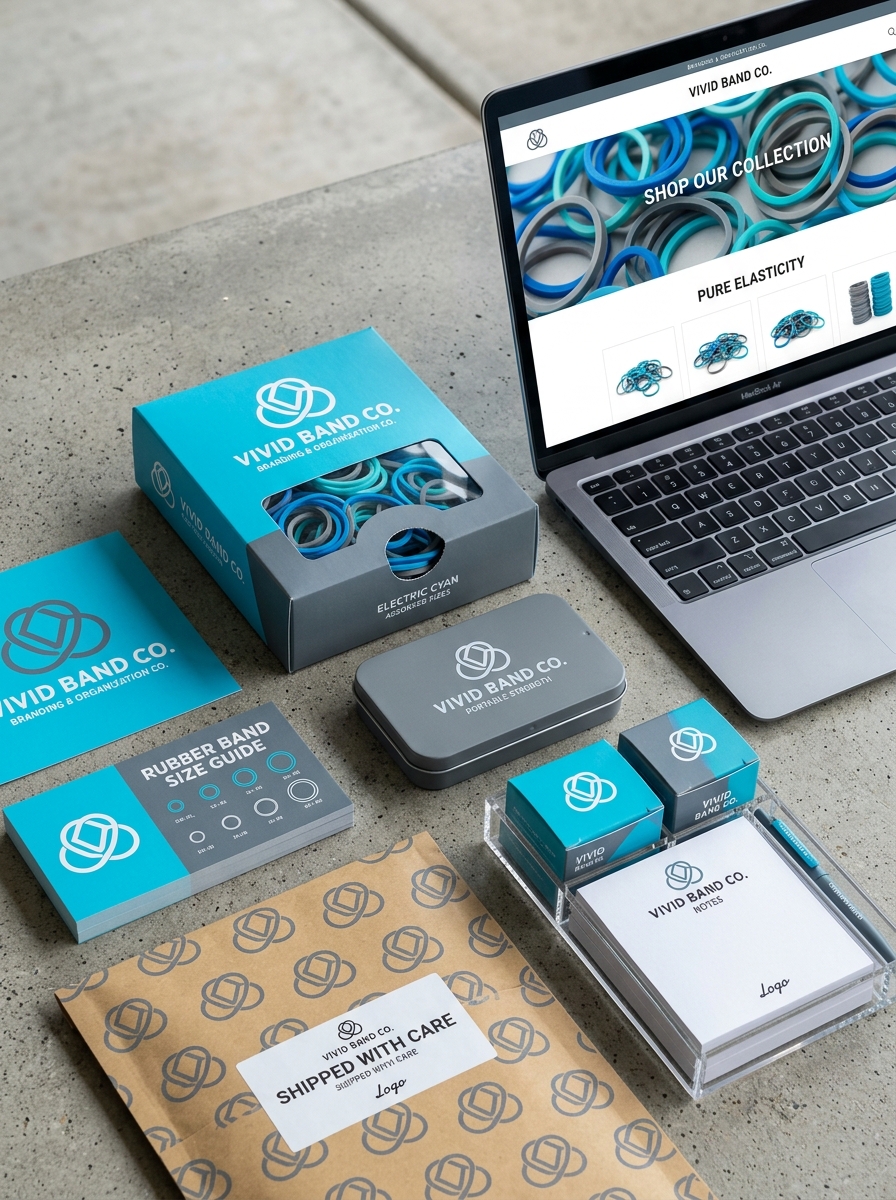
The evolution of rubber band packaging marks a significant shift from simple utility-focused storage to sophisticated brand storytelling. Effective design requires a delicate balance between aesthetic principles and functional concepts that ensure product longevity and user convenience. By prioritizing minimalist visuals and ergonomic structures, manufacturers can transform a basic household staple into a premium consumer good.
Optimizing the presentation of elastic products involves more than just a colorful exterior; it demands durable materials and intuitive dispensing systems. This exploration into modern packaging strategies highlights how intentional structural engineering and sustainable material choices enhance shelf presence. Discover how strategic design shifts can redefine value within the rubber band industry, blending artistry with high-performance practical application to meet modern consumer expectations.
The Evolution of Rubber Band Utility Packaging
Historically, rubber band packaging focused purely on bulk containment, utilizing simple paper sacks or wooden crates. As consumer and industrial needs shifted, manufacturers introduced organized retail boxes and transparent polybags, which enhanced visibility and protected the elastics from environmental degradation such as heat and UV exposure.
Modern packaging has evolved further to prioritize sustainability and efficiency. Today, utility designs often feature resealable pouches, dispenser-style boxes for easy access, and eco-friendly materials like recyclable cardboard or biodegradable films. These advancements ensure that rubber bands remain organized and maintain their tensile strength while meeting global demands for reduced plastic waste. By integrating color-coded sorting and ergonomic storage solutions, the evolution of packaging continues to streamline tasks in office, medical, and industrial environments.
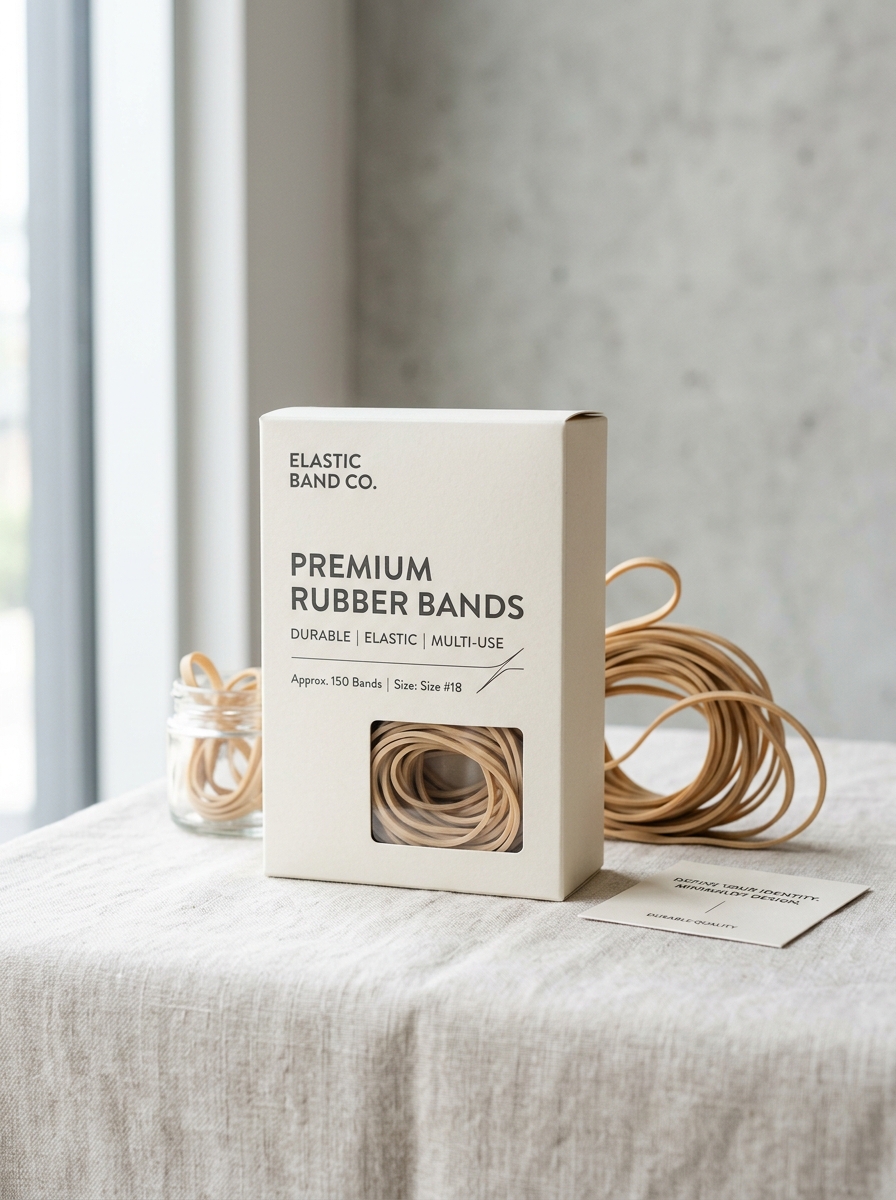
Defining Brand Identity Through Minimalist Aesthetics
In the modern marketplace, rubber bands have transcended their role as mere utility items to become pivotal elements in brand identity. By adopting minimalist aesthetics, businesses can communicate sophistication and intentionality through simple packaging solutions. A minimalist approach focuses on clean lines, purposeful color palettes, and high-quality materials, reflecting a brand's commitment to functional elegance.
Utilizing premium elastic fasteners in neutral tones or custom branding allows companies to maintain a professional image while ensuring product security. This design philosophy resonates with contemporary consumers who value sustainability and clarity over excessive packaging. By integrating high-durability industrial rubber bands into a streamlined visual strategy, brands can showcase a cohesive, modern identity that emphasizes quality and precision in every detail.
Leveraging Color Psychology for Product Classification
Color psychology in rubber band manufacturing transcends aesthetics, serving as a vital tool for functional classification and operational efficiency. By assigning specific hues to distinct physical properties, industries utilize visual shorthand to streamline workflows.
- High-Visibility Neons: Typically used for office organization and rapid document priority sorting.
- Deep Reds and Blues: Often signify industrial-grade tensile strength and superior elasticity for heavy-duty packaging.
- Earth Tones or Creams: Frequently denote natural rubber content or specialized eco-friendly compositions.
Implementing a color-coded system reduces cognitive load, allowing users to identify stretch capacity and durability at a glance. This strategic application of color ensures the correct rubber band is selected for specific tasks, minimizing material failure and enhancing organizational precision across logistical, medical, and administrative sectors.
Sustainable Material Selection and Eco-Conscious Finishes
Modern rubber band manufacturing prioritizes environmental responsibility through the use of 100% natural rubber. Derived from Hevea brasiliensis trees, this renewable resource is inherently biodegradable and compostable, offering a superior, eco-friendly alternative to petroleum-based synthetics. High-quality sustainable bands minimize carbon footprints while maintaining exceptional tensile strength and elasticity.
In addition to raw material selection, eco-conscious finishes play a vital role. This includes the use of non-toxic dyes and organic coatings free from heavy metals or phthalates. Many manufacturers now adhere to FSC-certified sourcing to ensure responsible forest management. By choosing rubber bands with these green attributes, businesses support a circular economy and significantly reduce long-term plastic waste in commercial packaging and office applications.
Structural Integrity for Long-Term Elasticity Preservation
The structural integrity of a rubber band is defined by the molecular cross-linking of polymer chains. During vulcanization, sulfur bridges are formed, creating a stable network that allows the elastomer to recover its original shape after being stretched.
To preserve long-term elasticity, it is vital to protect these chemical bonds from oxidative degradation. Environmental stressors such as ultraviolet (UV) light, ozone, and thermal fluctuations cause polymers to become brittle-a condition often called "dry rot."
For optimal preservation, rubber bands should be stored in:
- Airtight packaging to minimize oxygen exposure.
- Cool, dark environments to prevent UV-induced chain scission.
- Relaxed states to avoid permanent deformation or "creep."
Maintaining these conditions protects the internal matrix, ensuring the material retains its tensile strength and snap over time.
Innovative Dispensing Mechanisms for Enhanced User Experience
Modern rubber band packaging has evolved beyond traditional bulk bags to prioritize efficiency and organization. Innovative dispensing mechanisms, such as tension-fed canisters and pop-up boxes, ensure that users can retrieve individual bands without the frustration of tangling. These systems are often designed for one-handed operation, significantly enhancing workflow in fast-paced office or industrial environments.
Advanced designs may include color-coded compartments or integrated sizing guides, allowing for rapid selection based on specific elasticity needs. By streamlining access and reducing desktop clutter, these ergonomic solutions transform mundane storage into a high-performance utility. Furthermore, specialized dispensers protect the rubber bands from environmental factors like UV light and oxygen, maintaining material integrity and extending the product's shelf life.
Strategic Transparency and Product Visibility Techniques
In the rubber band industry, strategic transparency is achieved through clear packaging and detailed labeling that showcases product quality. Utilizing high-clarity polyethylene bags or windowed boxes allows buyers to inspect elasticity, color uniformity, and diameter consistency before purchase. This visibility is crucial for industrial and office procurement, where verifying the material integrity and tensile strength of natural or synthetic latex is paramount.
Advanced visibility techniques include sizing charts and gauge measurements printed directly on the exterior. By providing an unobstructed view of bulk contents, manufacturers demonstrate confidence in their manufacturing standards. This approach reduces consumer uncertainty, ensuring that the selected rubber bands meet specific application needs, ranging from heavy-duty industrial bundling to delicate stationery organization.
Optimizing Typography for Technical Product Specifications
When detailing rubber band technical specifications, legibility is paramount for ensuring industrial accuracy. Effective typography ensures that critical dimensions-such as cut width, wall thickness, and flat length-are easily distinguishable for procurement officers and engineers.
To enhance data clarity, consider the following typographic standards:
- Tabular Figures: Use monospaced numbers to ensure vertical alignment in tables, allowing users to compare tensile strength and stretch limits efficiently.
- Visual Hierarchy: Employ bold sans-serif typefaces for primary metrics like "Size No." to improve scannability on dense spec sheets.
- Generous Leading: Increase line height to prevent numeric data from blurring, reducing the risk of selection errors in high-volume industrial environments.
Optimizing these elements ensures that complex elastomeric properties are communicated clearly, facilitating the correct application of rubber products across various sectors.
Balancing Bulk Volume with Compact Retail Shelf Presence
Optimizing rubber band packaging requires a strategic balance between high-count bulk volume and limited retail shelf space. Because rubber bands are naturally lightweight but bulky, manufacturers utilize high-density compression and vacuum-sealing techniques to minimize air gaps. This ensures a high piece count fits within a small footprint, significantly reducing shipping and logistical costs.
Effective shelf presence is maintained through vertical box designs and hang-sell polybags. These formats maximize vertical display area while providing clear windows for product visibility. By prioritizing packaging density, brands can offer bulk value to consumers while ensuring retailers can stock a wider variety of elastic products. This synergy between volume and compactness improves inventory turnover and enhances the professional aesthetic of high-traffic office supply aisles.
Integrating Tactile Elements for a Premium Consumer Feel
In modern product design, the tactile quality of rubber bands serves as a subtle yet powerful indicator of brand value. By moving beyond standard industrial finishes, manufacturers integrate matte textures and soft-touch coatings to create a sophisticated sensory experience. These premium elastic solutions are often crafted from high-grade synthetic polymers or refined vulcanized compounds, ensuring a smooth, non-stick surface that feels intentional rather than utilitarian.
Enhanced tactile elements provide a superior ergonomic grip and prevent the brittle, tacky residue common in low-cost alternatives. For luxury retail and high-end stationery, these sensory details reinforce consumer perception of durability and quality. By prioritizing the "hand-feel," brands transform a basic organizational tool into a premium accessory that complements high-end packaging and elevates the overall user unboxing experience.
Leave a comment