
Clear casting resin represents the intersection of artistic precision and industrial-grade finishing. To capture the attention of modern creators, packaging must do more than simply contain a liquid; it must mirror the material's inherent transparency and quality. Effective resin packaging serves as a critical bridge between functional chemical safety and sophisticated design aesthetics, ensuring every bottle reflects the professional results it promises to deliver.
By integrating minimalist labels, durable leak-proof structures, and clear visual cues, brands can effectively communicate reliability and ease of use. Contemporary product concepts now prioritize the synergy between UV protection and shelf appeal, catering to both the high-end craft market and industrial sectors. This exploration focuses on the essential visual strategies and structural innovations required to master the art of resin presentation and consumer trust.
The Visual Impact of Transparency in Resin Branding
In the competitive market of clear casting resin, transparency serves as a primary indicator of product excellence. For manufacturers, achieving optical clarity is essential to establishing a premium brand identity. High-quality resins are specifically formulated to provide a "water-clear" finish, signaling superior UV resistance and a specialized chemical composition designed to prevent long-term yellowing.
This visual purity allows for the seamless encapsulation of intricate objects, ensuring that colors and textures remain undistorted. A high refractive index and bubble-free curing process allow the resin to act as a crystal-clear window for artistic dioramas and jewelry. By prioritizing crystal-clear aesthetics, brands communicate reliability and professional-grade performance, directly influencing consumer trust and the perceived value of the final cured project.
Core Principles of Minimalist Aesthetic Design
Applying minimalist principles to clear casting resin projects centers on the "less is more" philosophy. This aesthetic prioritizes transparency and structural simplicity, allowing the resin's natural optical clarity to serve as the primary visual element. Key principles include:
- Negative Space: Using empty areas within the cast to create balance and emphasize the internal focal point.
- Geometric Precision: Utilizing clean lines and sharp edges to enhance light refraction and modern appeal.
- Purposeful Inclusions: Incorporating singular, high-impact objects rather than overcrowding the mold with clutter.
- Material Honesty: Highlighting the liquid-like purity of the resin without excessive pigments or textures.
By adhering to these core tenets, creators achieve a sophisticated, high-end look that celebrates the intersection of functional art and crystalline beauty.
Typography and Clarity in Technical Product Labeling
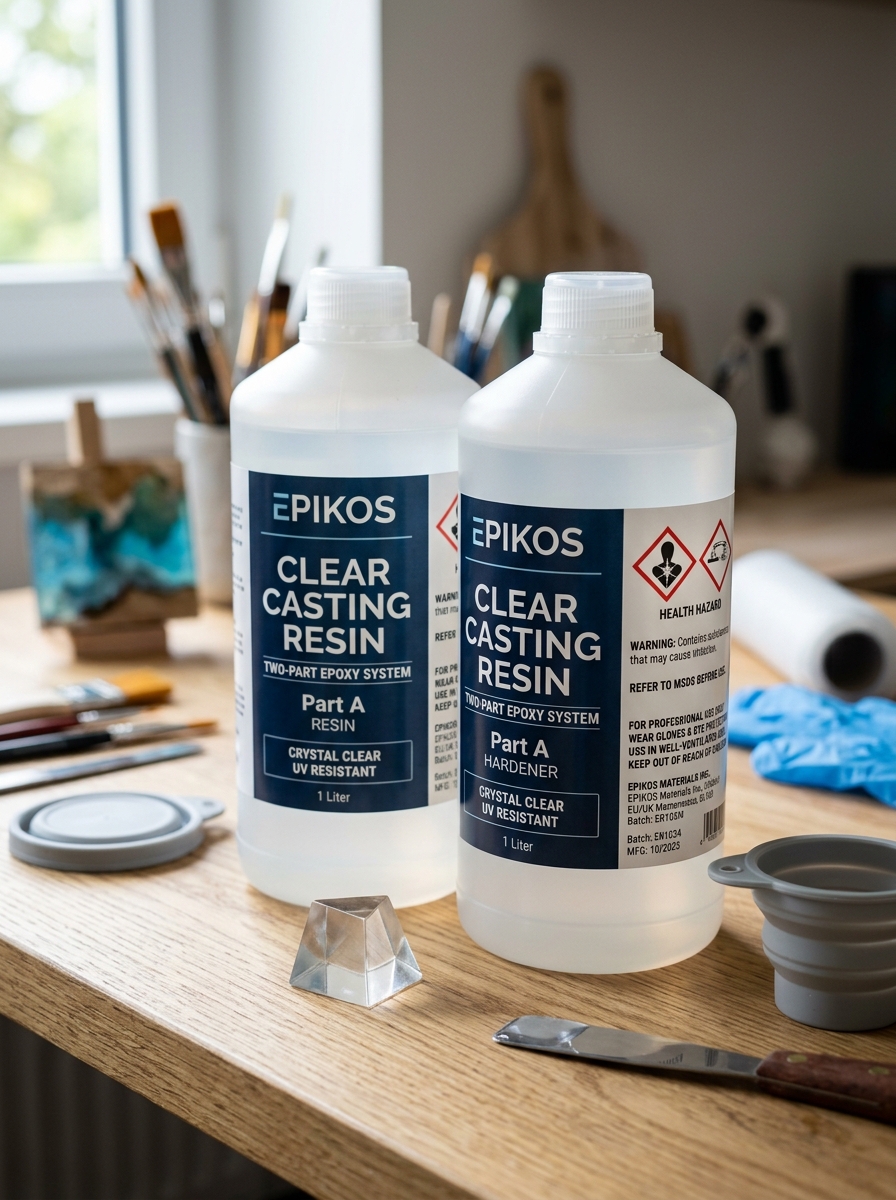
Clear casting resin kits require precise technical labeling to ensure user safety and professional-grade results. Typography plays a vital role in legibility, especially regarding critical data like 1:1 or 2:1 mixing ratios. High-contrast, sans-serif fonts are preferred to ensure text remains readable even if the label is accidentally splashed with liquid polymer.
An effective information hierarchy allows users to quickly distinguish key specifications:
- Pot Life: The duration the resin remains workable.
- Cure Time: Necessary intervals before demolding.
- Safety Protocols: Proper ventilation and PPE requirements.
Utilizing bold weights for numerical values reduces the risk of application errors, such as flash-curing or cloudiness. Optimized labeling transforms complex chemical data into an accessible guide, ensuring every resin project achieves maximum transparency and structural integrity.
Balancing Artistic Appeal with Safety Regulatory Compliance
Achieving a crystal-clear, high-gloss finish with clear casting resin requires a delicate balance between aesthetic excellence and safety regulatory compliance. While artists prioritize UV resistance and bubble-free transparency, manufacturers must ensure chemical formulations meet strict standards, such as ASTM D-4236, which confirms materials are properly labeled for chronic health hazards.
High-quality resins prioritize low-VOC (Volatile Organic Compounds) profiles and comply with international regulations like REACH or FDA food-grade standards for specific applications. Using compliant resins ensures that finished pieces are non-toxic once fully cured, protecting both the creator and the consumer. By selecting products backed by comprehensive Safety Data Sheets (SDS), artists can produce professional-grade work without compromising health or environmental ethics. Ultimately, the best resin projects harmonize visual brilliance with rigorous safety testing and responsible chemical sourcing.
Ergonomic Container Engineering for Precision Pouring
In the field of clear casting resin, container design is critical for achieving professional results. High-quality resin kits utilize ergonomic engineering to ensure steady, controlled distribution of high-viscosity liquids. These specialized containers feature tapered spouts and easy-grip textures that allow for precision pouring, significantly reducing the risk of spills and wasted material.
Proper bottle engineering minimizes "glugging," a common cause of air entrapment. By maintaining a laminar flow, users can:
- Maintain exact mixing ratios for a crystal-clear cure.
- Reduce the introduction of micro-bubbles during the initial pour.
- Ensure a mess-free, efficient workflow in the studio or workshop.
Investing in resin with superior packaging ensures every drop is utilized effectively, leading to a high-gloss, bubble-free finish in all your epoxy casting projects.
Selecting Durable Materials for Chemical Integrity
Achieving professional results with clear casting resin requires prioritizing chemical integrity through informed material selection. When evaluating resin systems, focus on high-grade epoxy or polyurethane formulations engineered for long-term stability. Chemical integrity ensures the cured polymer maintains its structural bonds and optical clarity, resisting common issues like oxidative yellowing or brittle degradation.
Key selection factors for maintaining material performance include:
- UV Resistance: Formulas containing HALS (Hindered Amine Light Stabilizers) to prevent ambering.
- Cross-linking Density: High-purity resins offer superior moisture resistance and durability.
- Thermal Stability: Materials designed to manage exothermic heat prevent internal stress and cracking.
By matching the resin's chemical properties to the application environment, you guarantee a finish that withstands environmental stressors while preserving the aesthetic transparency vital for high-quality casting.
Color Coding Systems for Part A and Part B Differentiation
In the formulation of clear casting resin, maintaining a precise mixing ratio is vital for a successful cure. To assist users, manufacturers utilize standardized color-coding systems to distinguish between Part A (Resin) and Part B (Hardener).
Typically, these systems follow a specific visual logic to prevent common workshop errors:
- Part A (Resin): Usually identified with blue or white labels, caps, or markings.
- Part B (Hardener): Often marked with high-visibility red or yellow identifiers.
This systematic differentiation minimizes the risk of cross-contamination and ensures creators do not accidentally swap lids or use incorrect proportions. By providing immediate visual cues, these color codes enhance safety, prevent chemical waste, and guarantee the optical clarity and structural hardness of the final epoxy project.
Incorporating Sustainability in Industrial Art Packaging
As the demand for clear casting resin grows within the industrial art sector, manufacturers are increasingly adopting eco-conscious packaging strategies. Transitioning to sustainable materials is essential for protecting high-clarity polymers while reducing the environmental impact of chemical logistics. This involves utilizing biodegradable padding, recycled corrugated cardboard, and plant-based inks for product labeling.
Modern industrial art brands are prioritizing a circular economy by implementing refillable containers and minimizing single-use plastics in their supply chains. These green initiatives help lower the carbon footprint associated with shipping heavy resin kits. By optimizing packaging dimensions to reduce shipping volume, companies ensure that the distribution of casting materials aligns with global sustainability standards. This holistic approach ensures that the lifecycle of artistic resin products remains environmentally responsible without compromising material integrity.
Enhancing User Experience Through Premium Unboxing Elements
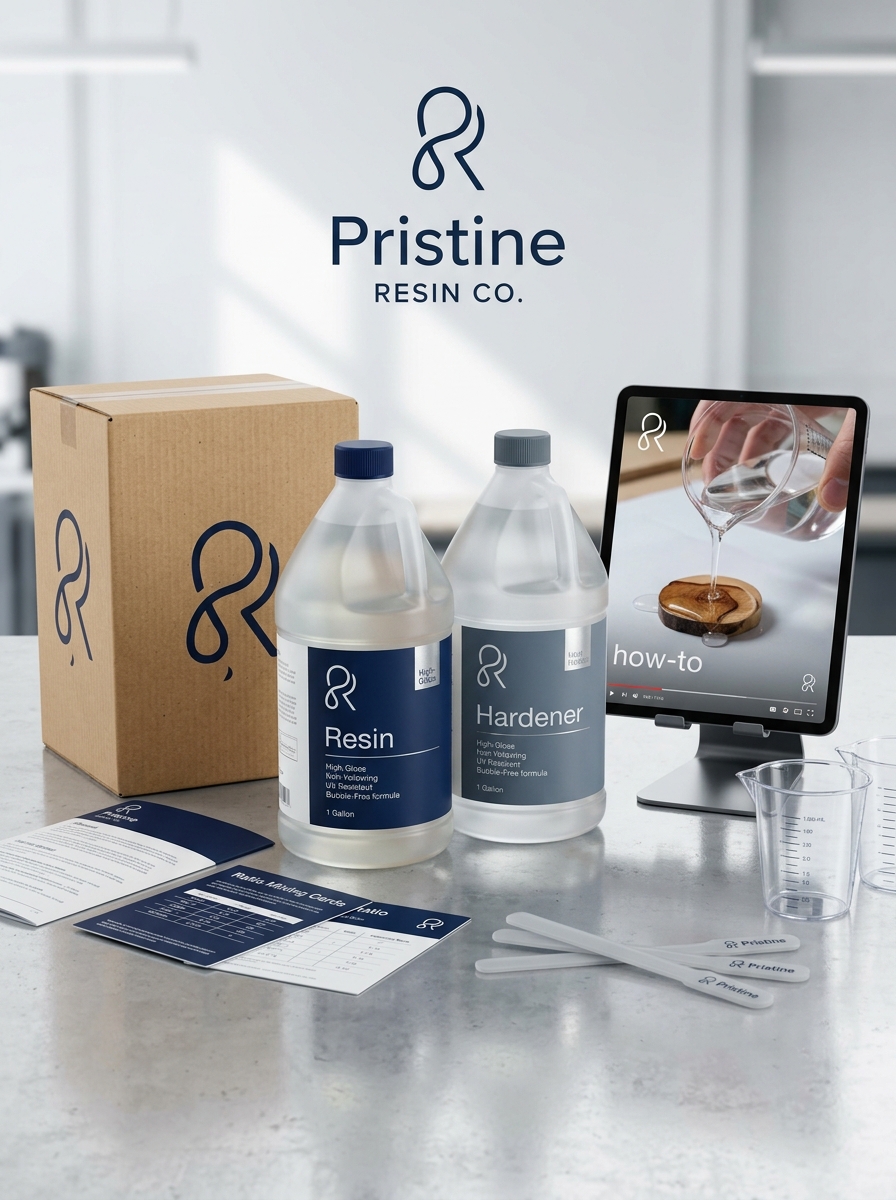
The journey to a flawless, bubble-free masterpiece begins the moment a customer opens their package. For clear casting resin, premium unboxing elements are essential for bridging the gap between professional-grade chemistry and user-friendly artistry. High-quality packaging ensures that epoxy components remain leak-proof and protected from UV exposure during transit.
Incorporating intuitive organizational inserts, such as branded mixing tools, nitrile gloves, and detailed instructional inserts, minimizes setup friction. Semantic optimization focuses on providing "Quick Start" guides that highlight precise mixing ratios and degassing techniques. By including value-added elements like QR codes for video tutorials, brands elevate the tactile experience, building confidence for both novice crafters and experienced resin artists. A thoughtfully curated unboxing experience reinforces product quality and ensures successful, crystal-clear results every time.
Future Trends in Smart and Interactive Resin Packaging
The landscape of clear casting resin is shifting toward smart packaging solutions that bridge the gap between physical products and digital utility. Emerging trends include the integration of NFC tags and QR codes on resin bottles, providing instant access to real-time mixing calculators, instructional videos, and interactive safety data.
Furthermore, interactive resin packaging is incorporating thermochromic labels that monitor storage temperatures, alerting users if the resin is too cold for optimal pouring. We are also seeing the rise of Augmented Reality (AR) interfaces, where scanning a label allows crafters to visualize 3D project templates or troubleshoot curing issues instantly. These advancements focus on enhancing precision, ensuring safety, and providing a seamless creative experience for modern resin artists and industrial users alike.
Leave a comment