
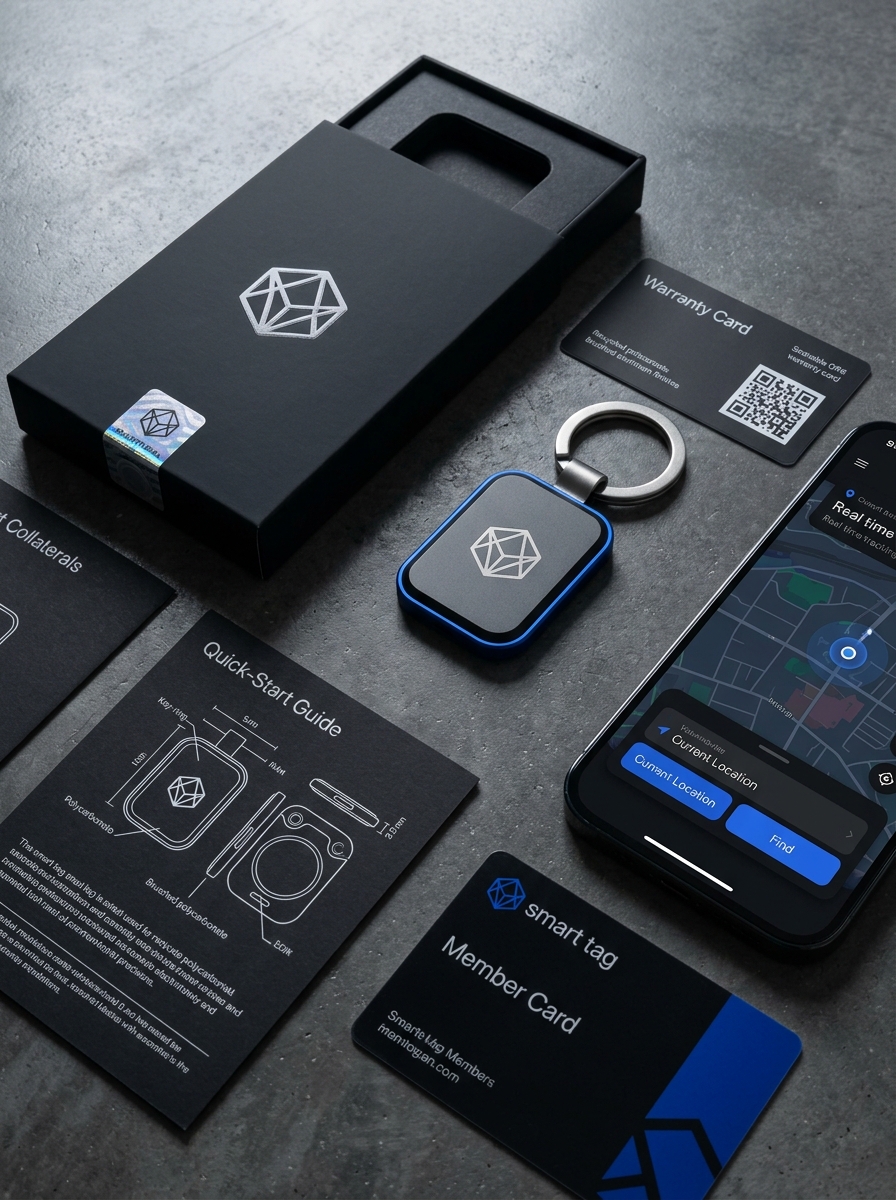
The evolution of product presentation is currently undergoing a significant paradigm shift driven by smart tag packaging design. By seamlessly merging NFC technology, QR codes, and RFID sensors into physical containers, brands are successfully bridging the gap between tactile aesthetics and digital utility.
Optimizing this intersection requires a strategic balance where visual brand identity remains uncompromised while facilitating effortless digital integration. Modern packaging must serve as both a protective vessel and an interactive touchpoint. This approach enhances the user experience (UX), providing consumers with instant access to product authentication, sustainability data, and immersive storytelling.
Exploring these innovative concepts reveals how the synergy between high-end graphic design and functional connectivity redefines consumer engagement and supply chain transparency in an increasingly connected marketplace.
The Evolution of Smart Tag Technology in Modern Packaging
The landscape of packaging has shifted from passive containment to active intelligence through the evolution of smart tag technology. Initially centered on basic barcodes, modern solutions now leverage RFID (Radio Frequency Identification), NFC (Near Field Communication), and active sensors to provide real-time data.
These advancements enable enhanced supply chain transparency, allowing brands to track logistics with precision and verify product authenticity to combat counterfeiting. Furthermore, smart tags facilitate direct consumer engagement via interactive packaging, offering detailed product information and digital experiences with a simple scan.
As the Internet of Packaging (IoP) expands, smart tags are becoming more sustainable and cost-effective. This technological progression ensures improved food safety, waste reduction, and streamlined inventory management, positioning smart tags as a critical component of modern logistics.

Harmonizing Digital Functionality with Aesthetic Design Principles
Integrating smart tags into modern products requires a strategic balance between high-tech utility and visual elegance. These components, utilizing NFC (Near Field Communication) and RFID technologies, provide seamless access to product authentication, digital storytelling, and supply chain transparency.
To achieve aesthetic harmony, designers embed sensors directly into materials such as textiles, leather, or premium packaging. This "invisible technology" approach ensures that digital features enhance the product's design language rather than disrupting it.
By prioritizing minimalist integration, brands deliver a frictionless user experience (UX) where the digital layer serves as a natural extension of the physical form. This synergy transforms static objects into interactive assets, maintaining the sophisticated look and feel essential for high-end consumer goods while offering robust, data-driven functionality.
Strategic Placement Strategies for NFC and RFID Integration
Optimizing the physical location of smart tags is critical for ensuring reliable data exchange and system longevity. Strategic placement focuses on three primary factors: interference mitigation, user accessibility, and environmental durability.
- Substrate Compatibility: Avoid direct contact with metal or liquid containers, which can disrupt radio frequency signals. Use specialized anti-metal layers for conductive surfaces to prevent signal attenuation.
- Proximity and Orientation: For NFC, place tags in visible, ergonomic zones to facilitate intuitive "tap" actions. For RFID, align tags with reader polarization to maximize read ranges and scanning accuracy.
- Environmental Protection: Secure tags in areas protected from mechanical stress and moisture. Embedding tags within non-conductive product packaging can prevent tampering while maintaining signal transparency.
By prioritizing these integration strategies, businesses can significantly enhance connectivity and improve the overall user experience in IoT ecosystems.
Optimizing the Consumer Journey through Interactive Digital Touchpoints
Smart Tags-incorporating technologies like NFC, RFID, and QR codes-revolutionize brand engagement by transforming physical products into interactive digital touchpoints. By embedding these tags into packaging, businesses create a seamless bridge between the physical and digital worlds, effectively streamlining the consumer journey from initial discovery to post-purchase advocacy.
When consumers tap or scan a product, they receive instant access to dynamic content, such as sustainability data, usage tutorials, or exclusive loyalty rewards. This frictionless interaction reduces bounce rates and enhances brand transparency. Furthermore, these touchpoints capture real-time first-party data, enabling brands to refine marketing strategies and deliver personalized experiences. Implementing smart tags ensures a cohesive, high-value journey that meets the expectations of today's hyper-connected shoppers.
The Role of Sustainable Materials in Connected Packaging Solutions
As Smart Tags bridge the gap between physical products and digital data, integrating sustainable materials has become critical for eco-conscious brands. Modern connected packaging utilizes biodegradable substrates, such as FSC-certified paper and compostable polymers, to house NFC chips or RFID inlays. By replacing traditional plastics with recyclable alternatives, companies significantly reduce the environmental footprint of electronic components.
Furthermore, eco-friendly smart packaging enhances the circular economy. These technologies enable precise waste sorting and provide consumers with transparent lifecycle data via a simple scan. Using soy-based conductive inks and plastic-free antennas ensures that digital connectivity does not compromise recyclability. Ultimately, prioritizing green materials ensures that intelligent packaging remains synonymous with environmental responsibility, driving brand loyalty through innovation and sustainability.
Enhancing Brand Authenticity with Encrypted Smart Authentication
In an era where counterfeiting threatens global commerce, encrypted smart authentication offers a robust solution for brand protection. By integrating Smart Tags-such as NFC, RFID, or secure QR codes-directly into product packaging, brands can provide consumers with instant, verifiable proof of origin.
These tags utilize advanced encryption protocols and unique digital identifiers to ensure that each item is genuine. Unlike traditional barcodes, encrypted tags are nearly impossible to replicate. When scanned via a smartphone, the system validates the product's digital twin against a secure database, confirming its lifecycle and ethical sourcing.
Implementing these intelligent labeling solutions not only mitigates revenue loss from illicit trade but also fosters deep consumer trust. By prioritizing transparency, companies leverage smart technology to safeguard their reputation and deliver an authentic brand experience in a competitive digital marketplace.
Design Patterns for Universal Accessibility and Scannability
Optimizing Smart Tags requires a balance between visual efficiency and inclusive design. To ensure universal accessibility, developers must implement high-contrast color palettes and ARIA (Accessible Rich Internet Applications) roles, ensuring screen readers can identify tag functions and metadata.
To maximize scannability for all users, follow these semantic design patterns:
- Visual Consistency: Use standardized shapes and persistent iconography to denote specific categories.
- Information Hierarchy: Place the most critical tags in prominent, predictable locations to reduce cognitive load.
- Concise Text: Utilize brief, descriptive microcopy that facilitates rapid eye-tracking and quick comprehension.
By marrying these structural patterns, Smart Tags become intuitive navigation aids that serve users across diverse physical and cognitive spectrums, significantly improving content discoverability.
Integrating Dynamic Content for Real-Time Consumer Engagement
Smart Tags, powered by technologies like NFC, QR codes, and RFID, act as a digital bridge between physical products and online ecosystems. By integrating dynamic content, brands can move beyond static packaging to deliver real-time, cloud-managed information that evolves throughout the product lifecycle.
This technology enables hyper-personalized engagement at the point of interaction. When a consumer scans a tag, they receive contextually relevant data-such as live promotional offers, authenticity verification, or localized sustainability insights.
Leveraging dynamic Smart Tags allows businesses to update messaging instantly without reprinting materials. This agility ensures that consumer experiences remain fresh and impactful, fostering deeper brand loyalty through interactive storytelling and data-driven insights. By transforming passive items into active communication channels, companies drive higher conversion rates and gain valuable behavioral analytics in real time.
Data-Driven Insights and the Impact of IoT on Package Design
Smart tags, including NFC, RFID, and QR codes, are transforming traditional packaging into intelligent data hubs within the Internet of Things (IoT) ecosystem. By embedding these sensors, manufacturers can capture data-driven insights regarding a product's journey, environmental conditions, and consumer interactions in real-time.
This technological integration fundamentally alters package design, shifting the focus from mere physical protection to digital functionality. Designers now create "phygital" experiences where the packaging serves as a portal to personalized content, authentication, and sustainability tracking. These insights allow brands to optimize material usage and improve supply chain transparency. Ultimately, the synergy between smart tags and IoT empowers companies to refine their design strategies based on actual usage patterns, ensuring packaging is both responsive and highly efficient.
Future-Proofing Brands with Advanced Smart Tag Ecosystems
In a rapidly evolving digital landscape, Smart Tag ecosystems-leveraging technologies like NFC, RFID, and dynamic QR codes-are essential for future-proofing brands. By embedding these intelligent identifiers into physical products, companies create a seamless bridge between offline inventory and digital data. This Internet of Things (IoT) connectivity enables real-time supply chain visibility, automated inventory management, and robust anti-counterfeiting measures.
Beyond logistics, advanced smart tags transform products into interactive touchpoints. Brands can deliver personalized content, digital warranties, and sustainability credentials directly to consumers via smartphones. This data-driven approach fosters long-term customer loyalty and provides granular insights into consumer behavior. Implementing a scalable smart tag infrastructure ensures operational resilience and helps brands stay competitive in an increasingly connected global marketplace.
Leave a comment