
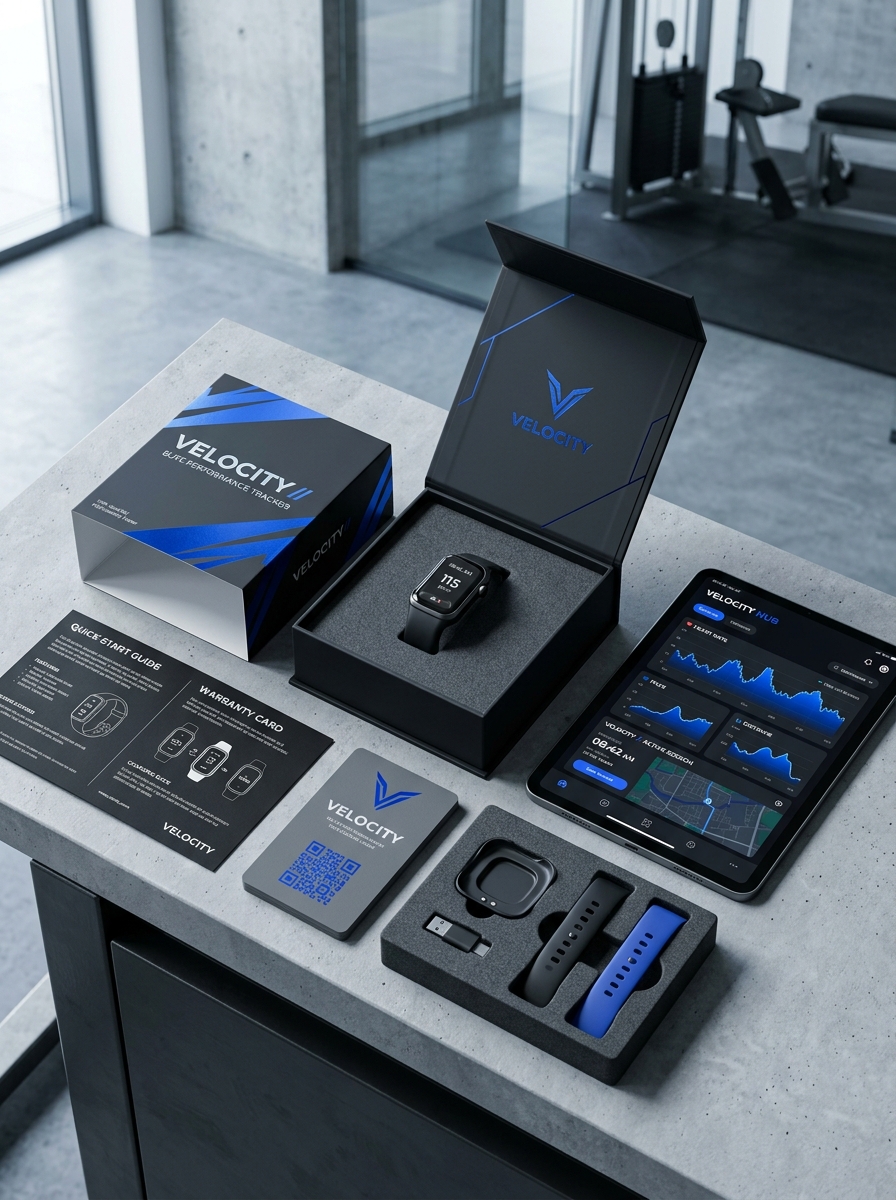
Modern wearable technology demands a presentation that mirrors its internal sophistication. As fitness trackers evolve into essential lifestyle companions, their packaging serves as the primary bridge between digital innovation and physical brand identity. Moving beyond basic containment, effective packaging design leverages minimalist aesthetics and sustainable materials to create a premium unboxing experience that resonates with health-conscious consumers.
Optimizing the visual and tactile elements of fitness tracker containers involves a strategic blend of structural durability and sleek artistry. By prioritizing ergonomic layouts and high-contrast typography, brands can effectively communicate technical value while fostering an emotional connection. Exploring these key design elements reveals how thoughtful choices in texture, color palette, and form factor can elevate a product from a simple utility to a prestigious lifestyle statement.
The Evolution of Wearable Tech Packaging Aesthetics
The journey of fitness tracker packaging has shifted from purely functional to a high-end sensory experience. Originally, wearable technology was housed in utilitarian, plastic-heavy "clamshell" containers designed for retail security rather than style. As these devices evolved into essential lifestyle accessories, the packaging followed suit, adopting minimalist design principles characterized by clean lines, matte finishes, and magnetic closures.
Today, the aesthetic focuses on the "unboxing experience," using precision-cut structural layouts that highlight the device's sleek form. Furthermore, modern packaging prioritizes sustainability, replacing non-recyclable foams with biodegradable materials and soy-based inks. This evolution reflects a broader trend in the wearable market: a seamless blend of technological sophistication and eco-conscious branding that resonates with the health-focused consumer.
Prioritizing Sustainable and Eco-Friendly Materials
As wearable technology evolves, modern fitness trackers are shifting toward environmental responsibility. Leading manufacturers are now prioritizing sustainable materials to minimize the ecological footprint of health monitoring devices. By incorporating recycled plastics, ocean-bound materials, and bio-based silicones into straps and casings, brands reduce reliance on virgin synthetics.
Beyond aesthetics, eco-friendly construction addresses the growing concern of e-waste. Utilizing modular designs and ethically sourced minerals ensures device longevity and easier recyclability. These green fitness trackers offer hypoallergenic, skin-safe alternatives to traditional materials, proving that high-performance tracking can coexist with planetary wellness. Choosing devices built with recycled components and sustainable manufacturing processes allows consumers to track their fitness goals while supporting a circular economy and reducing global carbon emissions.
The Power of Minimalist Design in Fitness Branding
In the competitive wearable technology market, minimalist design serves as a vital bridge between complex data and user engagement. By adopting a "less is more" philosophy, fitness tracker brands prioritize functionality and clarity, ensuring that health metrics like heart rate and sleep patterns remain the focal point.
A minimalist user interface (UI) reduces cognitive load, allowing for a seamless user experience (UX) that integrates effortlessly into daily life. This aesthetic approach strips away distractions, emphasizing sleek hardware and intuitive navigation. Through clean lines and subtle branding, companies project a sense of sophistication and reliability. Ultimately, minimalist design empowers users by transforming sophisticated sensors into elegant, accessible tools for wellness, fostering long-term brand loyalty and improved health outcomes.
Enhancing the Unboxing Experience for Performance Gear
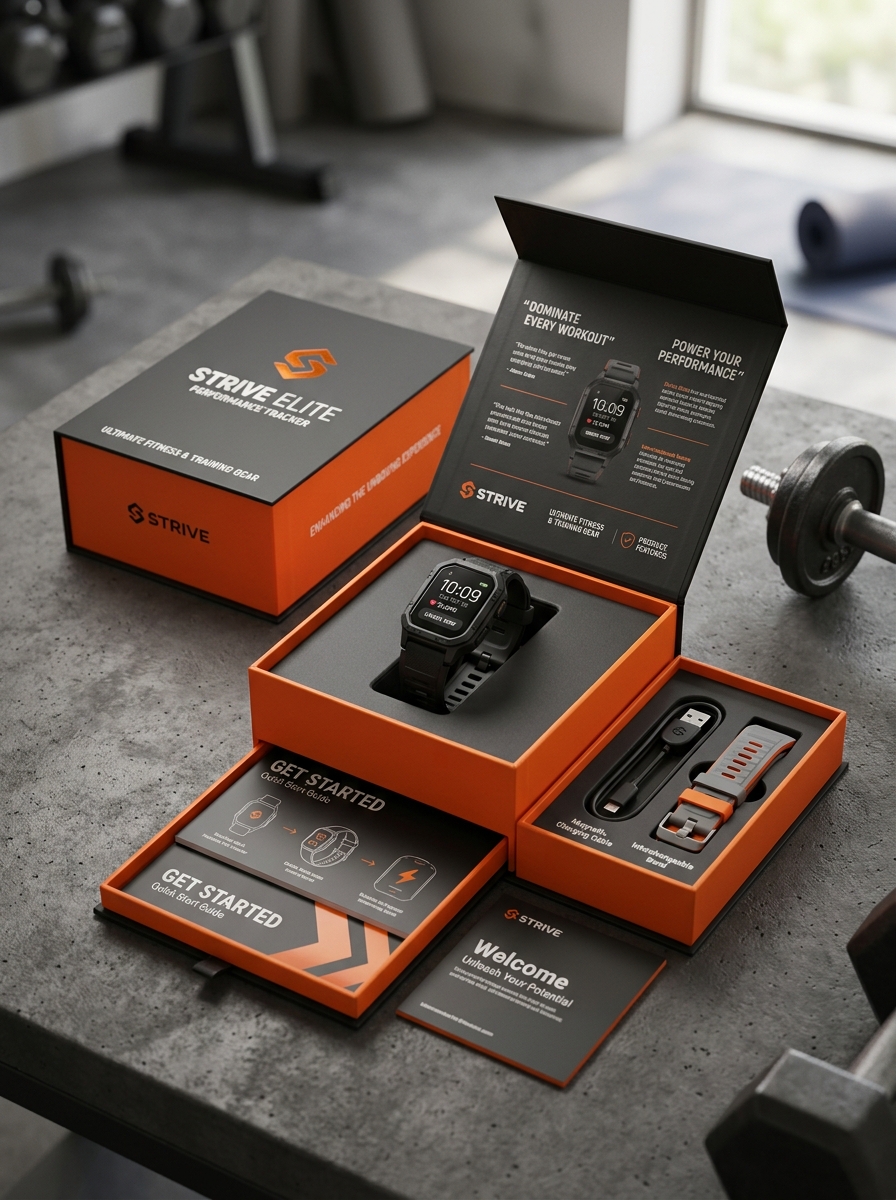
The unboxing process is the first physical touchpoint between a user and their new fitness tracker, setting the stage for the entire brand relationship. For high-performance gear, the packaging must mirror the precision and sophistication of the technology inside. Premium, sustainable materials and a minimalist aesthetic reinforce the value of the investment while aligning with the health-conscious values of the target audience.
A well-designed experience focuses on intuitive organization. Dedicated compartments for the core sensor, ergonomic straps, and magnetic chargers reduce friction during setup. Incorporating interactive elements, such as quick-start QR codes and tactile finishes, builds immediate excitement. By transforming a simple package opening into a memorable ritual, brands can foster long-term loyalty and empower users to begin their fitness journey with confidence and clarity.
Dynamic Color Palettes to Reflect Active Lifestyles
Modern fitness trackers have evolved into sophisticated fashion statements that mirror the user's energy. By utilizing dynamic color palettes, these wearables allow for a highly personalized interface that adapts to various physical activities and environments.
High-intensity training sessions often trigger vibrant, high-contrast neons to stimulate motivation, while recovery modes and sleep tracking transition the display to calming pastels and deep blues. This visual feedback loop helps users stay intuitively connected to their biometric data through smart design.
Beyond core functionality, customizable themes ensure that wearable technology transitions seamlessly from a morning workout to a professional setting. By aligning device aesthetics with an active lifestyle, manufacturers enhance user engagement, making health monitoring a more expressive and integrated part of daily life.
Structural Integrity and Product Protection Standards
For modern fitness trackers, structural integrity is essential to ensure long-term durability during high-intensity training. Manufacturers utilize premium materials like aerospace-grade aluminum, reinforced polymers, and scratch-resistant Corning Gorilla Glass to protect internal sensors from physical impact and torsion.
To guarantee reliability, wearables must adhere to rigorous product protection standards. Most industry-leading devices carry an IP68 rating, signifying total protection against dust ingress and the ability to withstand continuous immersion in water. Additionally, many trackers undergo MIL-STD-810G testing, certifying their resistance to extreme temperatures, thermal shock, and humidity. These engineering benchmarks ensure that a fitness tracker remains functional in diverse environments, from chlorinated pools to rugged mountain trails, providing users with a resilient device that survives the demands of an active lifestyle.
Integrating Interactive Digital Elements and Smart Labels
Modern fitness trackers leverage interactive digital elements and smart labels to bridge the gap between physical activity and data analytics. Digital interfaces, such as vibrant OLED touchscreens and haptic alerts, provide users with real-time feedback on metrics like heart rate, oxygen levels, and sleep patterns.
The integration of smart labels, including NFC technology and QR codes, simplifies device pairing and equipment synchronization. These elements allow users to instantly access workout tutorials or log gym machinery data by simply tapping their wearable. By merging tactile hardware with responsive software, fitness trackers create a holistic ecosystem that encourages consistent engagement. This technological synergy ensures that data collection is intuitive, helping users achieve health goals through streamlined, interactive experiences and enhanced connectivity across various smart platforms.
Typography and Information Hierarchy for Health Metrics
In fitness tracker design, typography and information hierarchy are critical for ensuring glanceability. Because users often view health metrics during high-intensity movement, designers must prioritize legibility using high-contrast, sans-serif typefaces. A strategic hierarchy ensures that primary data, such as heart rate or active calories, is immediately distinguishable from secondary information like timestamps.
- Font Weight: Bold weights are applied to critical biometrics to improve visibility in various lighting conditions.
- Scaling: Larger font sizes are reserved for real-time performance tracking to guide the user's focus.
- Spacing: Adequate kerning and line height prevent data crowding, reducing cognitive load during exercise.
By optimizing these typographic elements, fitness interfaces provide a seamless user experience, allowing athletes to interpret complex health data instantly without breaking their physical momentum.
Inclusive Design Principles for Global Accessibility
To ensure fitness trackers are effective for a diverse global population, developers prioritize inclusive design. This approach removes barriers for users with varying physical, sensory, or cognitive abilities.
Key accessibility features include:
- Visual Accommodations: High-contrast interfaces, scalable text, and screen-reader compatibility for low-vision users.
- Haptic Alerts: Vibration-based notifications that provide tactile feedback for those with hearing impairments.
- Adaptive Algorithms: Activity tracking specifically designed for wheelchair users to ensure movement data is accurate and inclusive.
- Localization: Multilingual support and culturally relevant health insights that resonate across different regions.
By applying these universal design principles, wearable technology promotes health equity, making wellness monitoring intuitive and available to everyone, regardless of their location or physical constraints.
Future Innovations in Fitness Device Presentation
The evolution of fitness trackers is moving beyond traditional wrist-based screens toward more immersive and seamless interfaces. Augmented Reality (AR) integration stands at the forefront, potentially projecting real-time performance metrics directly onto smart eyewear or contact lenses, allowing athletes to maintain focus without breaking their stride.
Emerging haptic feedback technology in smart textiles will soon provide tactile cues for posture and form correction, transforming how users receive coaching. Furthermore, ambient data visualization through light-emitting polymers and holographic displays will offer intuitive health insights at a glance.
As flexible electronics and skin-integrated sensors mature, the presentation of biometric data will become nearly invisible, shifting from bulky hardware to "invisible" wearables that communicate health trends via AI-driven voice synthesis and discreet, glanceable displays.
Leave a comment