
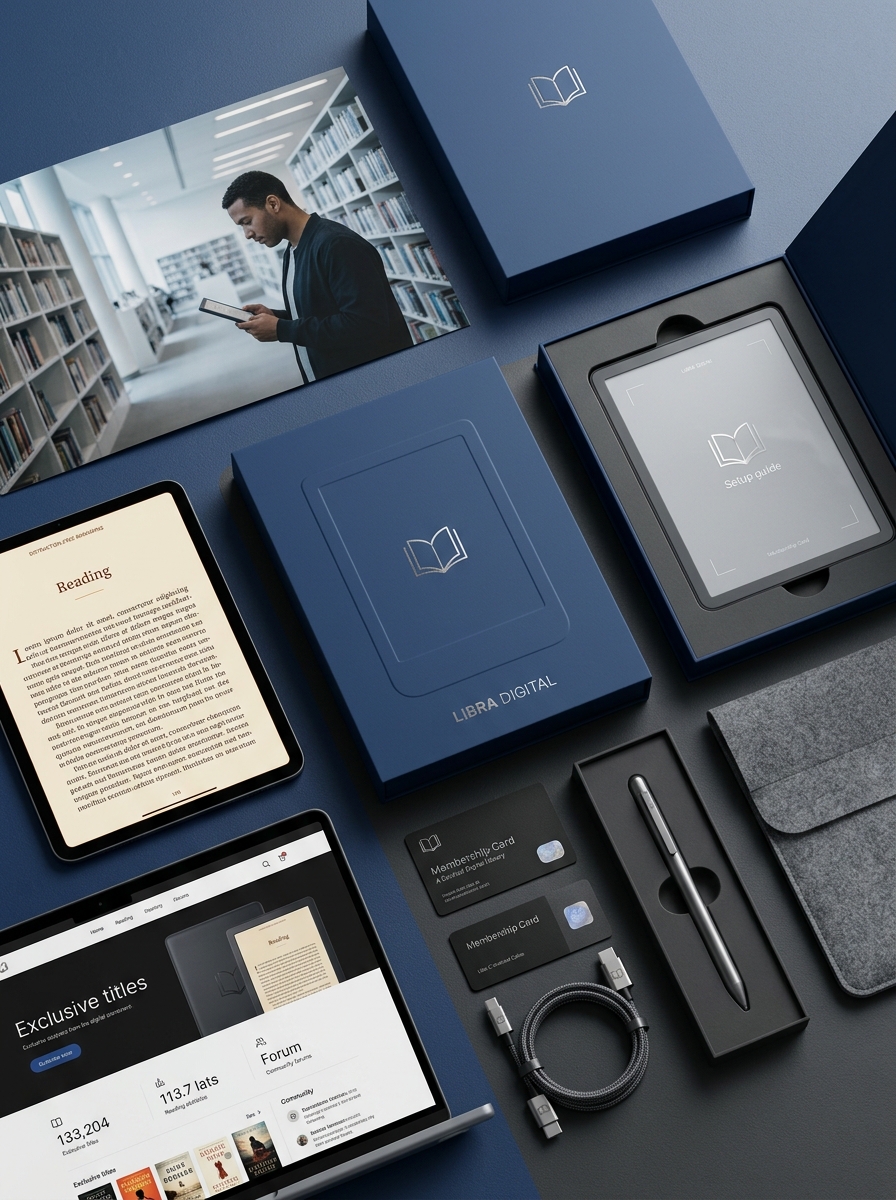
As the digital reading landscape evolves, electronic reader packaging has transitioned from a mere protective shell into a vital component of the consumer experience. The initial interaction with a new device begins long before the screen powers on; it starts with the tactile and visual journey of the unboxing. To truly elevate e-reader presentation, designers must harmonize minimalist visual aesthetics with structural innovation.
Effective packaging strategies prioritize sustainable materials and intuitive layouts that mirror the sleek, portable nature of the hardware within. By focusing on premium finishes, precise typography, and eco-conscious engineering, brands can forge a deeper emotional connection with their audience. This exploration examines the essential design elements that transform standard containers into sophisticated brand ambassadors, ensuring every device arrives in a package as refined as the technology it protects.
The Evolution of E-Reader Packaging Trends
The journey of e-reader packaging reflects a significant shift from utilitarian protection to sustainable design. In the early days, devices were often encased in bulky, plastic-heavy containers. Today, the industry prioritizes minimalism and environmental stewardship to match the digital nature of the product.
Modern packaging trends focus on several key pillars:
- Sustainability: Utilization of recycled cardboard and FSC-certified materials to eliminate single-use plastics.
- Logistics Efficiency: Compact designs that reduce shipping volumes and lower carbon footprints.
- User Experience: Implementing "frustration-free" designs that simplify the unboxing process.
By using soy-based inks and biodegradable inserts, electronic reader manufacturers ensure that the hardware's first physical impression aligns with the eco-conscious values of modern digital book consumers.
Prioritizing Sustainable and Eco-Friendly Materials
As the demand for electronic readers grows, manufacturers are shifting toward sustainable manufacturing to minimize environmental impact. Leading brands now prioritize eco-friendly materials, such as post-consumer recycled plastics and responsibly sourced aluminum, to construct durable device chassis. These advancements significantly reduce the carbon footprint associated with producing virgin raw materials.
Beyond the hardware, the industry is adopting a circular economy approach by implementing:
- 100% recyclable, plastic-free packaging made from forest-certified fibers.
- Conflict-free minerals and bio-based resins in internal components.
- Modular designs that enhance repairability and reduce long-term e-waste.
By integrating green technology and renewable resources, modern e-readers offer a truly sustainable alternative to traditional print, allowing eco-conscious consumers to enjoy digital libraries while supporting global conservation efforts.
Mastering Minimalist Aesthetics for Modern Devices
Modern electronic readers embrace minimalist aesthetics to prioritize a distraction-free digital reading experience. By stripping away unnecessary visual noise, these devices harmonize form and function to enhance user immersion. Key design elements include:
- Ergonomic Slimness: Lightweight frames and narrow bezels ensure comfort during extended reading sessions.
- E-ink Displays: Glare-free screens replicate the texture of physical paper, reducing digital eye strain.
- Simplified Interfaces: Intuitive navigation and hidden menus focus the user's attention entirely on the typography.
This "less is more" philosophy extends beyond hardware to the user experience (UX), where clean layouts and matte finishes create a premium, tactile feel. By mastering minimalist design, modern e-readers provide a sophisticated, contemporary tool for bibliophiles seeking a seamless blend of traditional reading and cutting-edge technology.
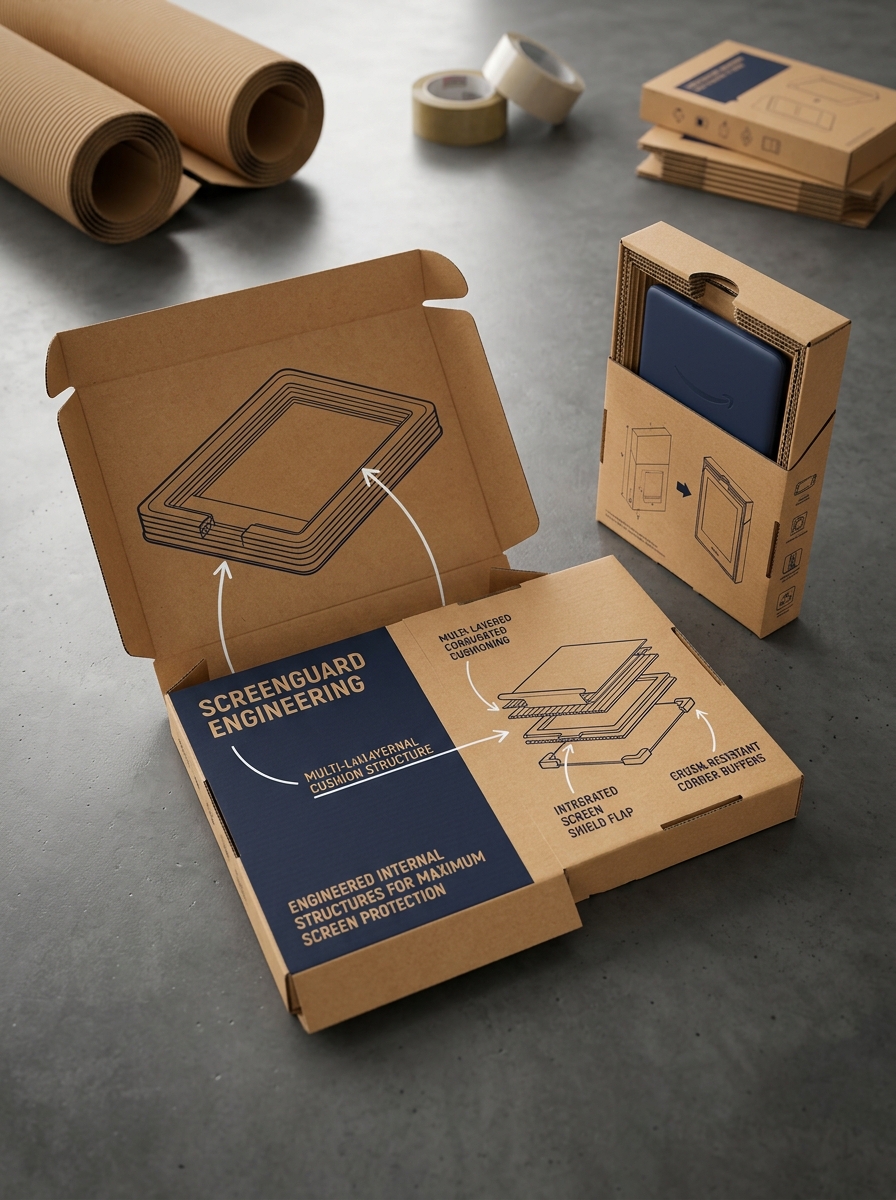
Engineering Internal Structures for Screen Protection
Modern electronic readers prioritize durability through sophisticated internal engineering designed to shield fragile E Ink displays. The primary defense is a reinforced midframe, typically forged from magnesium alloys or high-strength polymers. This internal skeleton provides rigid structural integrity, preventing the device from flexing-a common cause of glass substrate failure.
Furthermore, engineers implement shock-absorbing layers and specialized gaskets between the display assembly and the outer casing. These components dissipate kinetic energy from impacts and minimize concentrated pressure points. By utilizing a floating display architecture or flexible plastic backplanes, manufacturers isolate the sensitive screen from external torque and compression, ensuring the device survives the rigors of daily portability without compromising its slim, lightweight profile.
Enhancing the Sensory Unboxing Experience
The unboxing of an electronic reader serves as a vital bridge between traditional tactile reading and digital convenience. Manufacturers leverage premium packaging to create a memorable first impression, transforming a simple purchase into a sophisticated ritual. This sensory journey begins with high-quality, sustainable materials that evoke the texture of artisanal stationery.
Every detail, from the controlled resistance of sliding the box lid to the subtle "new device" scent, is engineered to build anticipation. Tactile elements-such as matte-finish pull tabs and protective layers that mimic paper-reinforce the connection to physical books. By focusing on these physical touchpoints, brands elevate the user's emotional connection to the device, ensuring the transition to a digital library feels both luxurious and familiar from the very first moment.
Strategic Typography and Brand Identity Integration
In the competitive market of electronic readers, typography serves as a vital bridge between technical functionality and brand identity. Leading manufacturers develop proprietary typefaces-such as Amazon's Bookerly or Kobo's Rakuten Sans-to establish a unique visual signature. These fonts are meticulously engineered for E-Ink displays, prioritizing legibility and reducing eye strain while reinforcing brand recognition.
Strategic typography integration ensures a cohesive user experience across hardware and software. By optimizing kerning, weight, and contrast specifically for digital paper, brands create a distinct "feel" that mimics traditional print. This alignment of visual design and ergonomic performance allows companies to differentiate their devices in a crowded marketplace, transforming simple text delivery into a premium, branded literary ecosystem that fosters long-term user loyalty.
Utilizing Premium Finishes and Tactile Textures
Modern electronic readers have evolved beyond basic plastic frames, incorporating premium finishes like magnesium alloys and reinforced glass. These materials provide a lightweight yet durable chassis, enhancing the device's longevity and aesthetic appeal. By utilizing high-end materials, manufacturers create a more sophisticated user experience that rivals the quality of traditional books.
Tactile textures are equally vital for ergonomic comfort. Soft-touch coatings and brushed matte surfaces offer a secure, slip-resistant grip during extended reading sessions. These specialized finishes also serve a functional purpose by reducing unsightly fingerprints and minimizing surface glare. By focusing on the physical sensation of the device, e-readers bridge the gap between digital convenience and the sensory satisfaction of a physical book, ensuring both style and usability for avid readers.
Optimizing Dimensions for Logistic Efficiency
For electronic readers, precision in physical dimensions is critical for streamlining supply chain operations. By minimizing device thickness and bezel width, manufacturers significantly reduce the overall volume of retail packaging. This spatial optimization allows for higher pallet density, enabling more units to fit within a single shipping container.
Furthermore, reducing dimensional weight directly lowers freight costs and fuel consumption. Lightweight, slim-profile e-readers require less protective padding, further decreasing material waste. From a logistic standpoint, these architectural refinements enhance warehouse storage capacity and accelerate last-mile delivery efficiency. By aligning product design with global shipping standards, brands achieve a sustainable balance between hardware ergonomics and cost-effective distribution.
Incorporating Digital Connectivity and Interactive Elements
Modern electronic readers bridge the gap between traditional media and the internet by integrating robust digital connectivity. High-speed Wi-Fi and cellular options enable instant access to cloud-based libraries, seamless cross-device synchronization, and automated software updates.
The inclusion of interactive elements significantly enhances user engagement compared to static print. Key features include:
- Instant Reference: Built-in dictionaries, Wikipedia access, and translation tools.
- Active Reading: Digital highlighting, note-taking, and character-tracking tools like X-Ray.
- Dynamic Content: Hyperlinked navigation and integrated audiobook narration (immersion reading).
By blending these technologies, e-readers provide a comprehensive ecosystem that supports both deep focus and immediate information retrieval, catering to the needs of modern, tech-savvy readers.
Balancing Practical Durability with Luxury Visuals
Modern electronic readers have evolved to bridge the gap between rugged resilience and high-end aesthetics. Manufacturers achieve this synergy by pairing high-resolution E-ink displays with premium materials such as flush-front glass and magnesium alloy frames.
To deliver luxury visuals, devices utilize 300 ppi pixel density and adaptive warm lighting, mimicking the sophisticated texture of high-quality paper. Simultaneously, practical durability is integrated through features such as:
- IPX8-rated waterproofing for worry-free reading by the pool.
- Reinforced, scratch-resistant glass surfaces.
- Lightweight, impact-resistant chassis designs.
This dual focus ensures that premium e-readers remain elegant enough for professional environments while remaining tough enough for daily commutes, offering users a seamless blend of style and structural integrity.
Leave a comment