
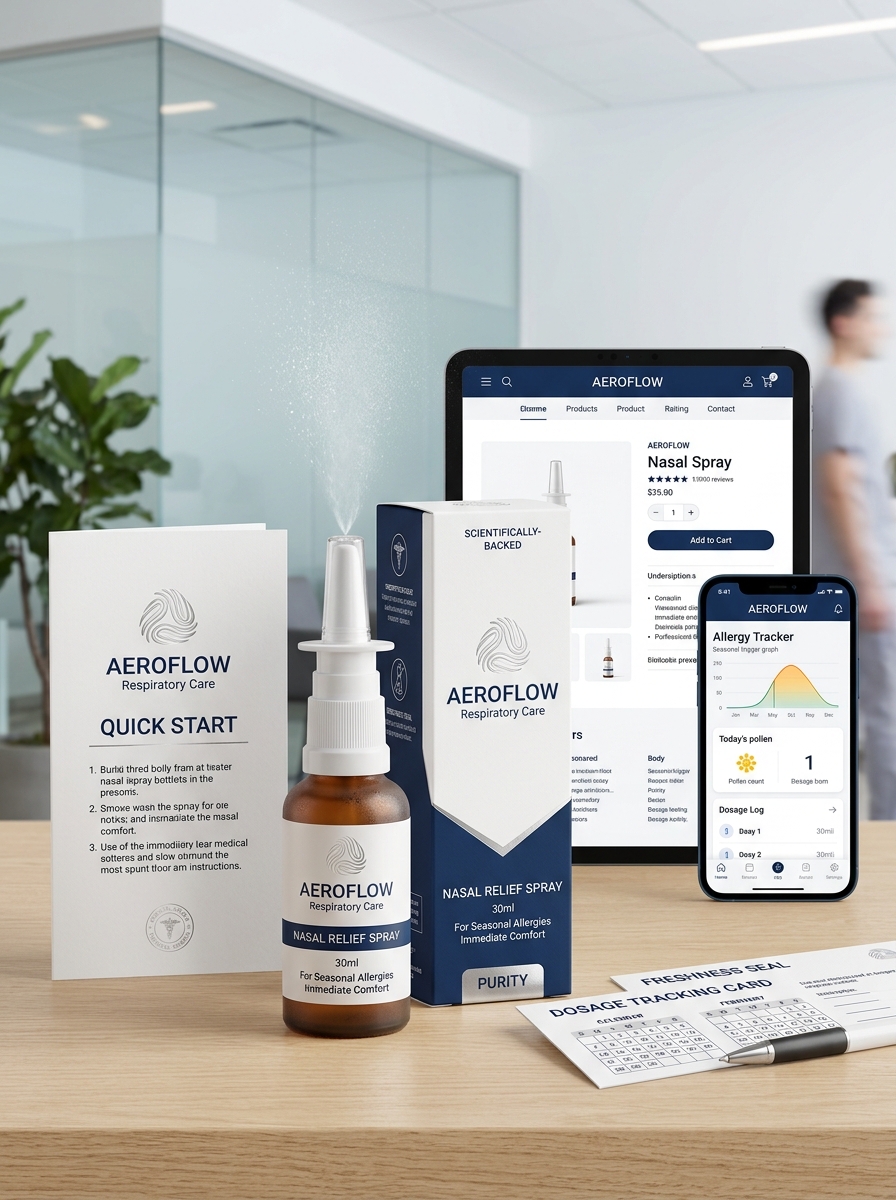
Modern nasal spray packaging is undergoing a significant transformation, moving beyond basic utility toward a sophisticated blend of design aesthetics and functional precision. As pharmaceutical manufacturers prioritize patient-centric solutions, the focus has shifted to developing delivery systems that ensure both accurate dosing and intuitive ease of use.
From ergonomic applicators that enhance user comfort to preservative-free multidose systems, current innovation is driven by the dual needs of safety and portability. These advancements do more than just house a liquid formula; they redefine the physical interaction between the patient and their medication. This exploration delves into the core concepts of nasal delivery design, highlighting how sleek visual appeal merges with mechanical integrity to improve patient adherence and brand differentiation within the evolving healthcare landscape.
The Evolution of Nasal Spray Packaging Design
The evolution of nasal spray packaging design marks a significant shift from basic liquid administration to precision drug delivery. Early designs relied on glass droppers and rudimentary squeeze bottles, which often resulted in inconsistent dosing and potential contamination risks.
The introduction of the metered-dose pump revolutionized the industry, offering reliable, pre-measured increments of medication. Modern advancements focus on ergonomic actuators and preservative-free delivery systems that protect formula integrity while enhancing patient comfort.
Today's pharmaceutical packaging integrates multidose systems and sophisticated mechanical valves to ensure optimal plume geometry and systemic absorption. By prioritizing user compliance and shelf stability, contemporary nasal spray designs have transitioned into high-tech medical devices tailored for effective respiratory and systemic treatments.
Ergonomics and the Science of User Centric Handling
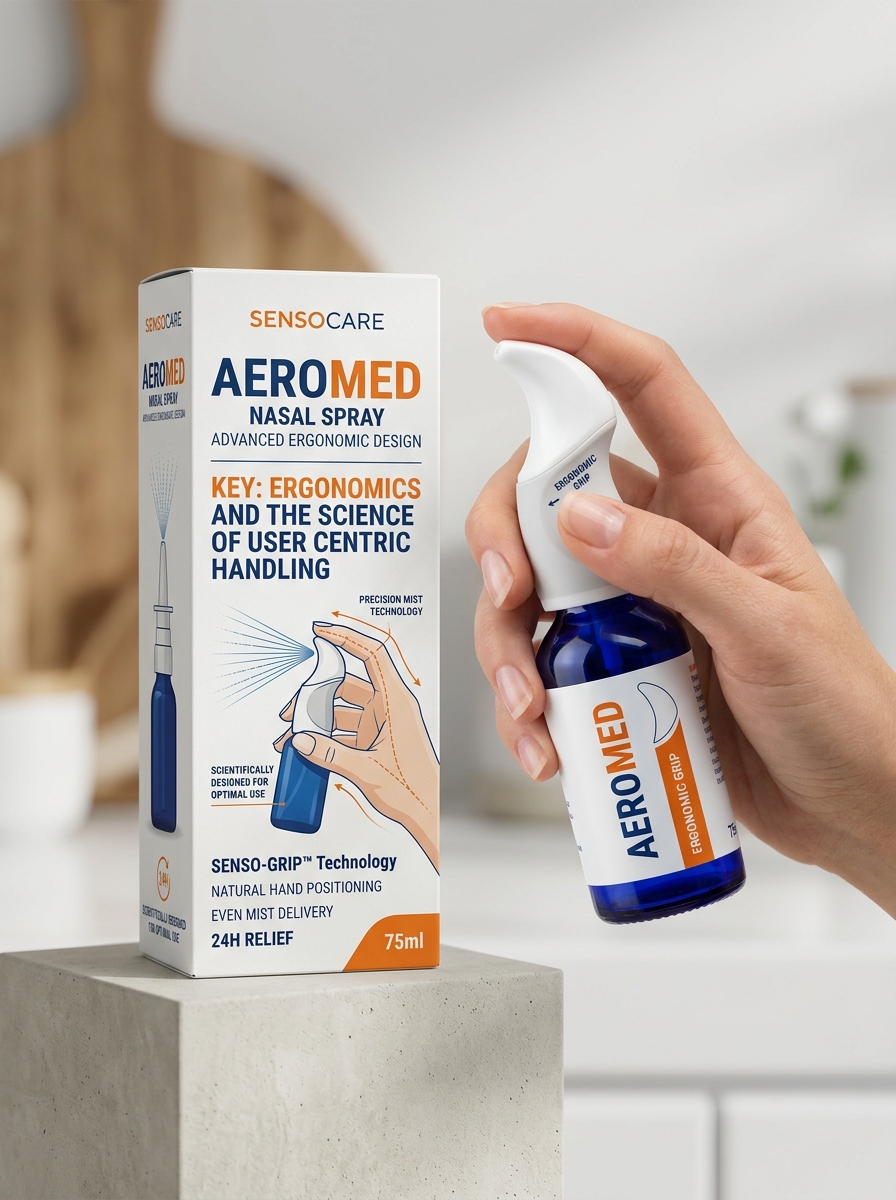
The ergonomics of nasal spray devices represents a vital intersection between human physiology and pharmaceutical engineering. User-centric handling ensures that the device interface-specifically the actuator and finger flange-is intuitive and comfortable for a diverse patient demographic.
Scientific design focuses on actuation force and grip stability to guarantee a consistent spray pattern and precise dosage. When a device is ergonomically optimized, it facilitates a stable, vertical orientation during use. This precision is crucial for ensuring the plume reaches the targeted nasal mucosa rather than being lost in the nasal vestibule.
By reducing the physical effort required and minimizing administrative errors, ergonomic design directly improves patient compliance. This is essential for users with limited dexterity, ensuring that therapeutic delivery remains reliable, comfortable, and effective for every dose.
Visual Identity Balancing Medical Authority with Modern Aesthetics
Establishing a compelling nasal spray visual identity requires a strategic fusion of clinical credibility and contemporary design trends. To project medical authority, brands often utilize structured grids, clean sans-serif typography, and a "trust-based" color palette featuring sterile whites, deep blues, and teals. These elements reassure users of the product's safety, pharmaceutical efficacy, and regulatory compliance.
To remain competitive, this professional foundation is balanced with modern aesthetics. Minimalist packaging, matte finishes, and ergonomic bottle silhouettes transform a traditional medicine into a sleek wellness accessory. By incorporating lifestyle-oriented iconography and vibrant accent colors, brands de-stigmatize medicated treatments, making them feel like an integrated part of a daily health routine. This duality ensures the product looks scientifically advanced yet approachable and user-friendly for the modern consumer.
Material Innovation for Sustainable and Bio-Compatible Solutions
Modern nasal spray delivery systems are evolving through advanced material science to prioritize both patient safety and environmental responsibility. Manufacturers are increasingly adopting biocompatible materials, such as medical-grade, BPA-free polymers, to ensure that the device components do not react with the medication. These innovations prevent chemical leaching, preserving the purity and efficacy of the formula.
Beyond safety, the industry is pivoting toward sustainable packaging solutions. This includes the integration of recyclable bio-resins and high-performance glass alternatives that minimize carbon footprints. By utilizing eco-friendly nasal spray components and multidose systems that reduce plastic waste, brands can meet stringent healthcare regulations while addressing the global demand for greener medical devices. These material advancements ensure that nasal drug delivery remains effective, safe, and ecologically conscious.
Precision Engineering in Nozzle and Actuator Functionality
The clinical efficacy of a nasal spray depends heavily on the precision engineering of its delivery system. The nozzle and actuator are designed to facilitate atomization, converting liquid formulations into a controlled mist. This process ensures an optimal droplet size distribution, typically between 10 and 100 microns, to maximize deposition on the nasal mucosa while preventing inhalation into the lungs.
Advanced actuators utilize metered-dose pump technology to provide consistent volume and pressure with every spray. This mechanical reliability ensures reproducible plume geometry and spray patterns, which are vital for drug bioavailability. By refining the orifice diameter and internal fluid dynamics, manufacturers minimize "jetting" and ensure the medication reaches the targeted turbinates effectively. This synergy of mechanical design and fluid engineering is essential for patient compliance and predictable therapeutic outcomes.
Smart Packaging and the Rise of Connected Delivery Devices
The evolution of nasal spray technology is shifting toward connected delivery devices and smart packaging. These innovative systems incorporate IoT sensors into intranasal applicators to monitor patient adherence and dosage accuracy in real-time.
By leveraging Bluetooth connectivity, these smart devices sync with mobile applications to provide automated reminders and track usage patterns. This digital integration is crucial for managing chronic conditions, ensuring patients receive the correct therapeutic levels of medication. Connected nasal sprays facilitate seamless data sharing between patients and healthcare providers, leading to improved clinical outcomes and reduced medication errors. As digital health expands, smart packaging represents the future of precise, data-driven respiratory and systemic drug delivery.
Safety Mechanisms and Patient Protection Standards
Modern nasal spray delivery systems prioritize user safety through rigorous quality control standards and advanced mechanical engineering. Key safety mechanisms include child-resistant packaging and tamper-evident seals, which prevent accidental ingestion or unauthorized access. To ensure dosage accuracy and prevent toxicity, pharmaceutical-grade sprays utilize metered-dose pumps that deliver a precise volume of medication with every actuation.
Patient protection is further enhanced by non-return valve technology, which prevents the backflow of contaminated nasal secretions into the reservoir, maintaining sterility without the need for harsh preservatives. Manufacturers must adhere to ISO standards and FDA regulations, involving extensive biocompatibility testing and clinical validation. These protocols safeguard patients against mucosal irritation, systemic side effects, and microbiological contamination, ensuring the long-term efficacy and safety of the intranasal administration route.
The Minimalist Shift in Pharmaceutical Branding
In the evolving nasal spray market, a significant transition toward minimalist design is reshaping consumer perceptions. Pharmaceutical companies are moving away from cluttered, jargon-heavy packaging to embrace clean aesthetics that prioritize clarity and medical reliability.
This strategic shift focuses on several key semantic elements:
- Visual Transparency: Using ample white space to signal purity and safety.
- Functional Typography: Bold, legible fonts highlight core benefits like "Rapid Relief" or "Non-Drowsy."
- Iconographic Guidance: Simplified symbols replace complex diagrams to explain application techniques.
By stripping away non-essential visual noise, nasal spray brands align with modern wellness trends, positioning their products as approachable healthcare essentials. This minimalist approach reduces cognitive load for patients, fostering trust and improving compliance through intuitive, user-friendly design.
Preservative Free Systems for Formula Longevity and Health
Modern nasal spray technology utilizes preservative-free delivery systems to ensure formula integrity and patient safety. Traditional nasal sprays often rely on chemicals like Benzalkonium Chloride, which can irritate sensitive mucosal tissues and impair ciliary function over time.
To eliminate these additives, manufacturers employ advanced mechanical designs such as one-way valves, anti-microbial filters, and airtight tip-seal technology. These features prevent microbial ingress and backflow contamination, keeping the solution sterile throughout its shelf life without chemical stabilizers.
By using these innovative systems, preservative-free nasal sprays reduce the risk of allergic reactions and chronic irritation. This approach maximizes formula longevity while protecting the health of the nasal microbiome, ensuring a safer and more comfortable experience for patients requiring long-term respiratory care.
Future Trends in Multi Dose and Specialized Nasal Delivery
The evolution of nasal drug delivery is centered on preservative-free multi-dose systems. Modern engineering, such as one-way valves and anti-microbial silver technology, now ensures formula sterility without harsh additives, improving patient safety for chronic conditions. These advancements are critical for the delivery of systemic medications and hormonal therapies.
A significant trend is nose-to-brain targeting, which utilizes specialized delivery devices to bypass the blood-brain barrier. This offers a non-invasive route for treating central nervous system disorders. Additionally, the integration of smart technology-including IoT-connected sensors for dose tracking-is enhancing patient adherence. As the industry pivots toward biologics and intranasal vaccines, the focus remains on high-precision atomization and ergonomic designs that optimize deposition within the nasal cavity for maximum therapeutic efficacy.
Leave a comment