
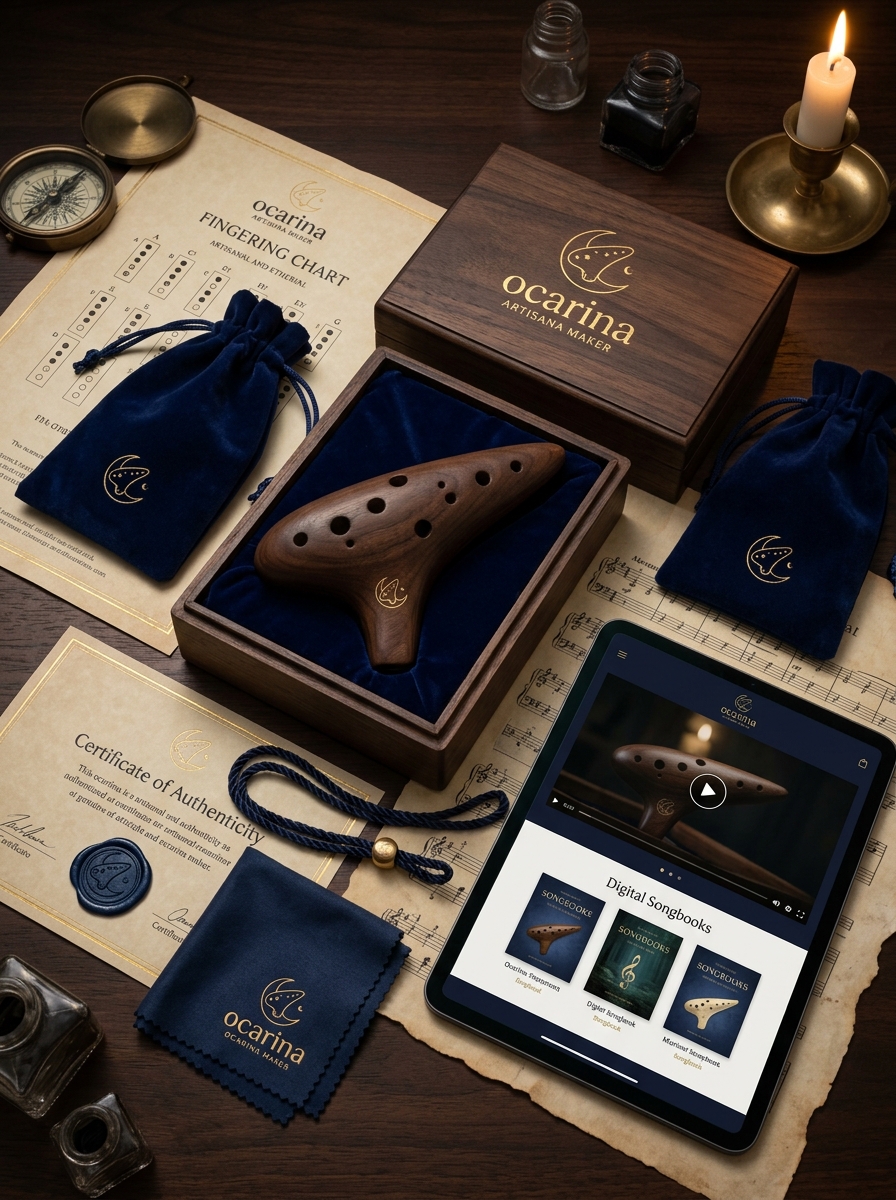
Designing packaging for the ocarina requires a delicate balance between structural integrity and artistic resonance. As an instrument rooted in ancient traditions and organic forms, the vessel flute demands a container that reflects its unique heritage. This guide explores the foundational aesthetic principles and conceptual development strategies necessary to create high-impact ocarina boxes.
Effective packaging serves as the first point of tactile contact for a musician, bridging the gap between a simple product and a cherished artifact. By prioritizing materials that safeguard fragile ceramic surfaces while utilizing visual storytelling, designers can elevate the unboxing experience. Understanding the harmony between form and function ensures that the packaging not only protects the instrument but also enhances its perceived value through thoughtful, intentional design choices that speak to the heart of the performer.
Understanding the Visual Identity of Ancient Wind Instruments
The ocarina stands out among ancient wind instruments due to its unique classification as a vessel flute. Unlike traditional transverse flutes, the ocarina's visual identity is defined by its enclosed, globular body and protruding mouthpiece.
Key aesthetic and structural elements include:
- Organic Shapes: Traditionally crafted in teardrop, egg, or "sweet potato" forms, often mimicking animals or totems.
- Material Composition: Ancient specimens are typically made from terracotta, fired clay, bone, or stone, reflecting their earthy origins.
- Anatomy: The visual profile is characterized by a specific number of finger holes and a labium (the edge that produces sound).
This distinct silhouette represents a fusion of acoustic engineering and cultural artistry, preserving a musical legacy that spans over 12,000 years across Mayan, Aztec, and Chinese civilizations.
Structural Engineering for Fragile Ceramic Forms
Engineering an ocarina requires a precise balance between acoustic resonance and physical durability. As a hollow vessel flute, the structural integrity of these instruments depends on wall thickness and geometric stability to prevent failure during high-temperature kiln firing.
To manage the inherent fragility of ceramics, makers must address several engineering challenges:
- Wall Uniformity: Consistent thickness ensures even drying and prevents warping or cracking caused by uneven clay shrinkage.
- Stress Distribution: Curvilinear designs help distribute internal air pressure and physical shocks more effectively than angular shapes.
- Reinforcement: Critical areas like the fipple and windway require strategic density to maintain precise airflow without compromising the structure.
By optimizing the material's tensile strength and cross-sectional density, luthiers create instruments that are both lightweight and resilient enough to sustain stable pitch and clear harmonics.
Selecting Textures and Materials for Tactile Resonance
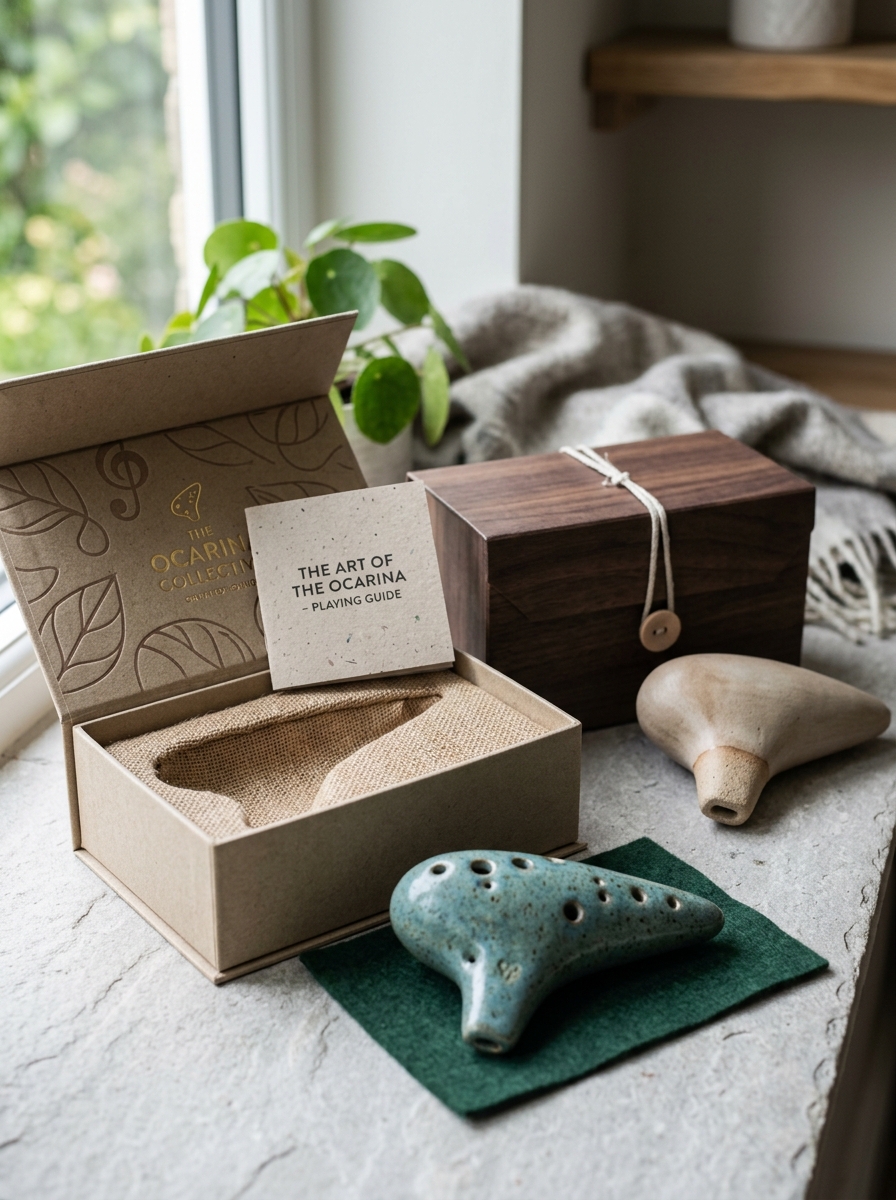
The material composition of an ocarina is fundamental to its tactile resonance, affecting how sound vibrations transfer to the player's hands. Ceramic and clay are the most traditional choices, prized for their earthy, porous feel and organic vibration. These materials offer a "breathable" quality that enhances the physical connection between the performer and the instrument.
Surface texture also plays a critical role in playability. Unglazed or matte finishes provide a secure grip and a warm touch, whereas glazed ceramics offer a smooth, glass-like aesthetic but can become slippery with moisture. Hardwoods provide a unique, resonant warmth and lightweight handling, while high-grade plastics offer durability and a consistent, cool texture. Selecting the right material ensures the ocarina serves as a responsive extension of the player's touch and breath.
Color Theory and Emotional Connection in Instrumental Design
In the world of ocarina craftsmanship, color theory is a fundamental element that establishes an immediate emotional resonance between the musician and their instrument. Designers strategically select glazes and finishes to influence a player's psychological state and performance intent. For example, earthy terracotta and deep ochre tones evoke a grounded, ancient connection to nature, making them popular for traditional folk melodies.
Alternatively, cobalt blues and emerald greens suggest tranquility and introspection, often guiding the artist toward meditative compositions. Bright, vibrant glazes can stimulate energy and creative playfulness during practice. By integrating visual aesthetics with acoustic design, ocarina makers transform the instrument into a multi-sensory catalyst for emotional expression. This deliberate fusion of color and form enhances the intimacy of the musical experience, turning a simple ceramic vessel into a deeply personal artistic tool.
Incorporating Cultural Symbolism and Typographic Themes
The ocarina serves as a profound canvas for cultural storytelling, blending ancient craftsmanship with symbolic expression. Artisans often integrate intricate totemic engravings and zoomorphic shapes that echo the instrument's historical roots in Mesoamerican and Asian traditions. These designs frequently embody spiritual themes, representing elemental forces, protection, or ancestral heritage.
Furthermore, the application of typographic themes-such as archaic runes, mystical sigils, or elegant calligraphy-adds significant narrative depth to the instrument. These inscriptions can denote specific musical scales, maker marks, or philosophical maxims, transforming the vessel flute into a multisensory artifact. By marrying acoustic precision with visual symbolism, the ocarina transcends its functional role, becoming a powerful bridge between historical legacy and contemporary artistic identity.
Crafting an Immersive Unboxing Experience for Musicians
For ocarina players, the unboxing process is the first step in a new musical journey. Crafting an immersive experience requires a balance of aesthetic appeal and protective engineering. Since ceramic and clay ocarinas are fragile, custom-molded foam or sustainable cushioning ensures the instrument arrives safely while presenting it as a centerpiece.
To deepen the musician's connection, consider including these essential elements:
- Instructional Materials: A well-designed fingering chart and a brief history of the specific ocarina model.
- Maintenance Tools: A microfiber cleaning cloth and a protective padded carrying case or velvet pouch.
- Artisan Accents: High-quality neck cords and branded packaging that reflects the instrument's unique craftsmanship.
By prioritizing these sensory details, makers create a professional first impression that resonates with enthusiasts and professional performers alike.
Balancing Minimalism with Handcrafted Artistic Heritage
Modern ocarina design represents a sophisticated fusion of sleek, functional aesthetics and centuries-old craftsmanship. To balance minimalism with artistic heritage, contemporary makers focus on ergonomic geometry and acoustic precision while honoring the instrument's ancient roots.
Minimalism is achieved through clean lines and unadorned surfaces that prioritize playability and pure resonance. Conversely, the handcrafted heritage is preserved through artisanal techniques such as pit-firing, hand-glazing, and the use of natural terra cotta.
By stripping away excess ornamentation while retaining the "soul" of hand-molding, artisans create instruments that serve as both professional musical tools and timeless cultural artifacts. This synergy ensures the ocarina remains relevant in a modern landscape without losing the tactile, human connection inherent in its handcrafted legacy.
Sustainable and Eco-Friendly Solutions for Modern Luthierie
Modern ocarina craftsmanship is evolving to prioritize environmental sustainability without compromising acoustic quality. While traditional clay remains a natural, abundant choice, contemporary luthiers are adopting greener practices, such as sourcing locally excavated earth and utilizing energy-efficient kilns to significantly reduce carbon emissions during the firing process.
Innovation in material science has also introduced biodegradable bioplastics and reclaimed hardwoods as viable alternatives for creating durable, eco-conscious instruments. Furthermore, the industry is shifting toward the use of non-toxic, lead-free glazes and organic finishes, ensuring player safety and minimizing chemical waste. By integrating these sustainable solutions, ocarina makers are preserving the ancient legacy of the vessel flute while fostering a responsible, eco-friendly future for musical instrument manufacturing.
Strategic Layouts for Protective Inserts and Accessories
Optimizing an ocarina case layout is essential for safeguarding delicate ceramic or clay instruments. A strategic arrangement prioritizes the labium and mouthpiece, ensuring these fragile areas do not contact hard surfaces during transit.
- Custom Foam Inserts: Utilize precision-cut high-density foam to cradle the ocarina's body, preventing internal shifting.
- Accessory Zoning: Place neckstraps, cleaning rods, and polishing cloths in separate padded compartments to avoid surface scratches or finish wear.
- Impact Buffering: Position the instrument centrally within the case to maximize the distance from external shock points.
For performers carrying multiple ocarinas, staggered layouts and moisture-wicking liners help maintain structural integrity and prevent humidity damage. A well-organized storage solution ensures quick accessibility while preserving the instrument's precise acoustic tuning.
Finalizing a Cohesive Brand Narrative Through Exterior Graphics
For Ocarina, the final step in establishing a powerful brand identity lies in the strategic application of exterior graphics. These visual elements serve as a physical manifestation of the brand's narrative, turning a functional music player into an emotional companion. By harmonizing colors, textures, and iconic symbols, the product communicates its core values of playfulness, safety, and Italian craftsmanship at a single glance.
Effective exterior design ensures that every touchpoint resonates with the target audience. Whether through minimalist logos or vibrant patterns, these graphics finalize the brand narrative by creating a recognizable aesthetic. This cohesive visual language not only differentiates Ocarina in a crowded market but also reinforces user trust, ensuring the product's exterior is as expressive and high-quality as the audio experience it provides.
Leave a comment