
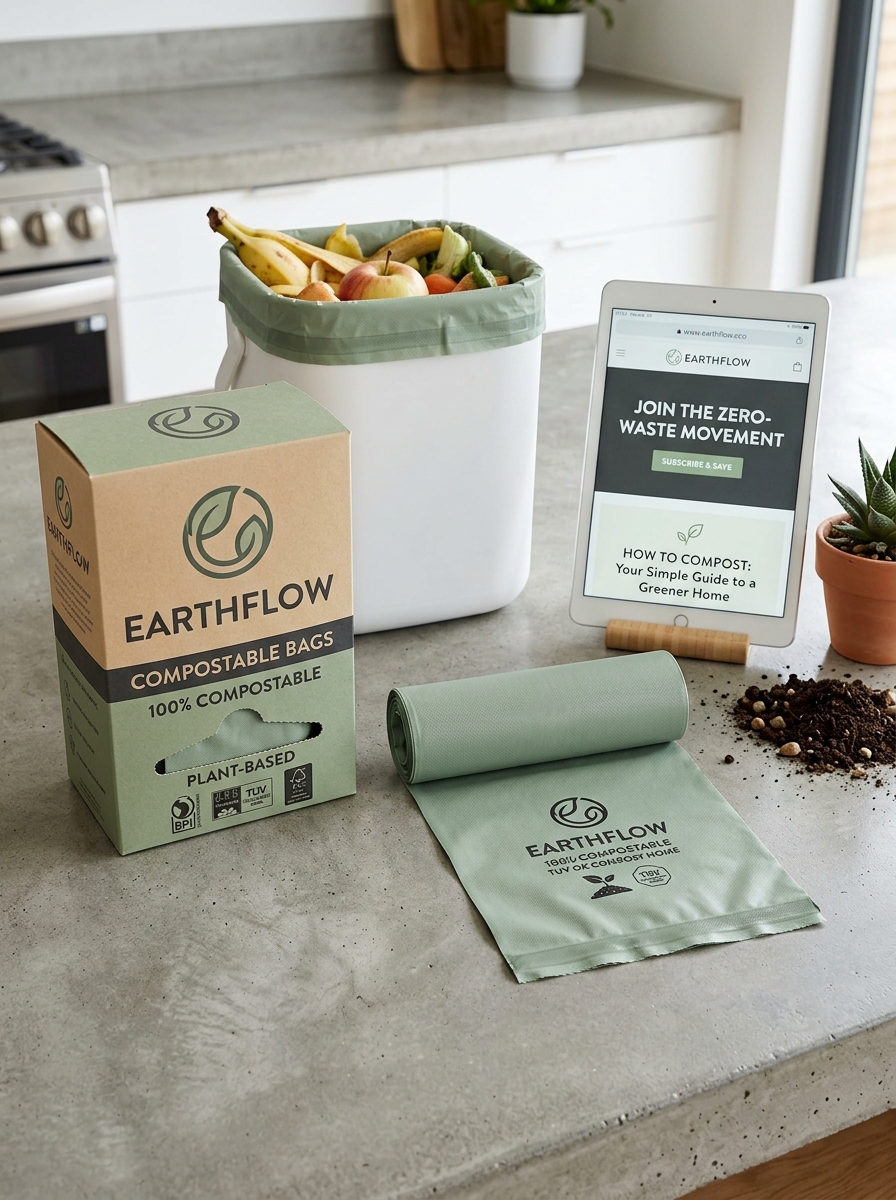
Effective packaging design for biodegradable waste bags serves as a critical bridge between environmental responsibility and consumer appeal. As sustainability becomes a core pillar of modern manufacturing, designers must balance functional durability with aesthetic principles that signal eco-friendliness.
This process involves selecting sustainable materials like plant-based polymers while utilizing minimalist typography and earth-toned palettes to communicate brand value. By prioritizing clarity in labeling-including compostable certifications and disposal instructions-brands can foster trust and enhance the user experience. Exploring key concepts like tactile texture and structural integrity ensures the product remains practical while standing out on the retail shelf. Understanding these design foundations allows businesses to align their visual identity with the green values of conscious consumers, transforming a simple utility item into a powerful statement of environmental stewardship.
The Evolution of Sustainable Waste Bag Packaging
The transition toward sustainable waste bag packaging marks a significant shift from traditional petroleum-based plastics to eco-friendly alternatives. Historically, waste management relied on standard polyethylene bags, which persist in landfills for centuries. However, rising environmental consciousness has driven rapid innovation in material science.
Early advancements introduced oxo-degradable options, but the industry has since moved toward superior compostable materials such as cornstarch and PLA (polylactic acid). Unlike conventional plastics, modern biodegradable waste bags are engineered to break down into organic matter, water, and CO2 without leaving harmful microplastics behind. This evolution supports a circular economy, providing durable, leak-proof solutions that minimize carbon footprints. By utilizing renewable plant-based resins, these bags offer an effective way to manage waste while ensuring long-term environmental protection.
Material Selection for Eco-Conscious Box Design
Choosing the right packaging materials is vital for maintaining the integrity of biodegradable waste bags. To ensure a truly sustainable product lifecycle, eco-conscious box design focuses on materials that are as environmentally friendly as the bags they contain.
- FSC-Certified Paperboard: Sourced from responsibly managed forests to prevent deforestation.
- Recycled Content: Utilizing post-consumer waste reduces the energy required for production.
- Soy-Based Inks: These provide vibrant printing without the volatile organic compounds (VOCs) found in petroleum-based inks.
- Plastic-Free Coatings: Avoiding synthetic laminates ensures the entire box remains fully recyclable or compostable.
By prioritizing high-strength, biodegradable materials, brands can protect their products during transit while minimizing their carbon footprint. This holistic approach ensures that the packaging aligns with zero-waste goals, providing consumers with a completely plastic-free disposal solution.
Leveraging Earth-Toned Color Palettes for Trust
For manufacturers of biodegradable waste bags, visual identity is paramount in establishing market credibility. Utilizing an earth-toned color palette-incorporating shades of sage green, soft terracotta, and muted ochre-creates an immediate psychological association with nature and ecological responsibility. Unlike the harsh, industrial appearance of traditional black or blue plastics, these organic hues signal sustainability and bio-based origins.
Strategic color selection fosters consumer trust by aligning the product's appearance with its environmental benefits. When shoppers see earthy tones, they intuitively perceive the product as compostable and non-toxic. This non-verbal communication is essential for brands looking to differentiate their eco-friendly solutions in a crowded marketplace, reinforcing a commitment to a circular economy and helping eco-conscious users feel confident in their purchase decisions.
Typography and Clarity in Green Branding
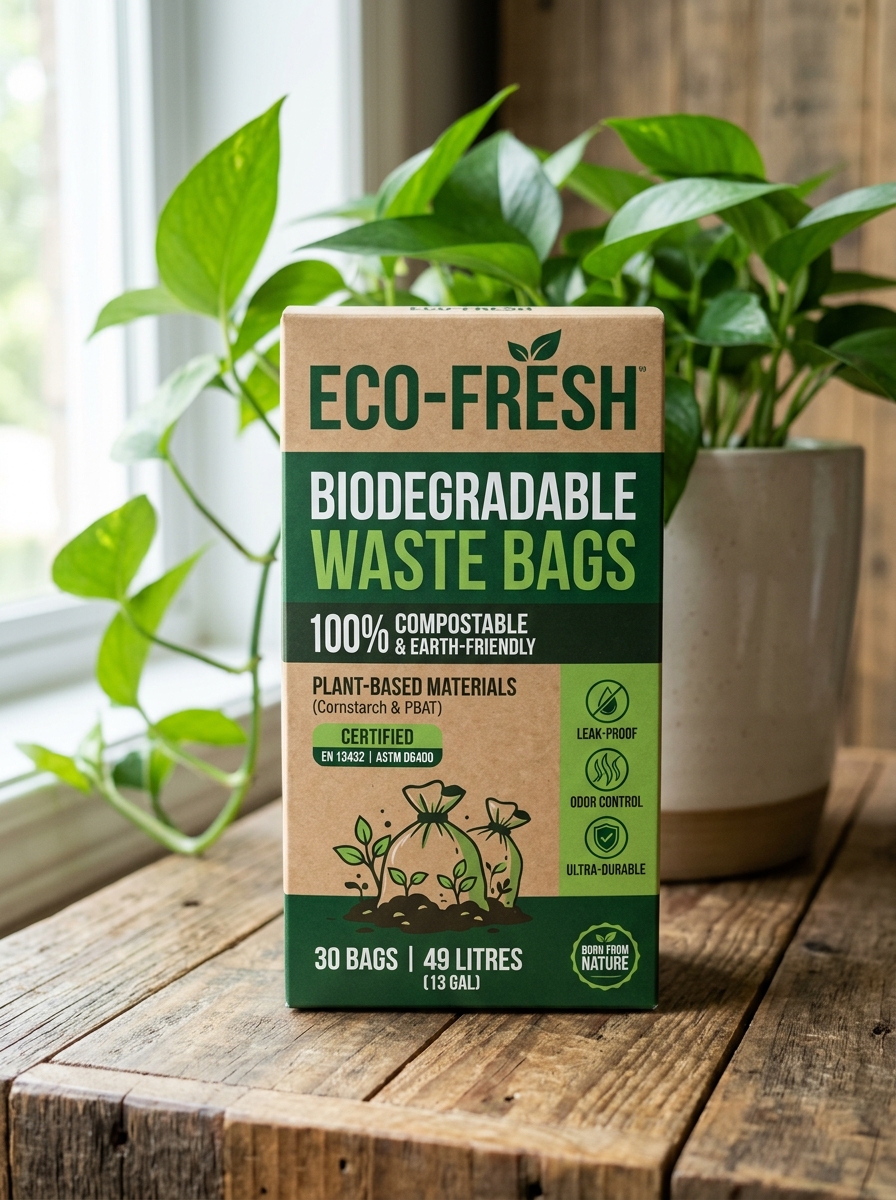
In the market for biodegradable waste bags, typography plays a pivotal role in establishing brand authority and ensuring consumer compliance. Clear, legible fonts are essential for communicating critical information, such as compostability certifications (ASTM D6400 or EN 13432) and specific disposal instructions. Since these products often feature earthy color palettes, high-contrast typography ensures that text remains readable on semi-translucent, plant-based materials.
Utilizing a clean visual hierarchy helps users quickly distinguish between "home compostable" and "industrially compostable" ratings. By selecting modern, sans-serif typefaces, brands can reinforce an eco-conscious identity while reducing confusion at the point of disposal. Effective typographic design not only enhances green branding but also promotes environmental responsibility by guiding the user toward proper waste management practices.
Integrating Global Compostability Standards and Logos
To ensure genuine environmental benefits, biodegradable waste bags must adhere to rigorous international benchmarks. The most prominent certifications are ASTM D6400 (USA) and EN 13432 (Europe). These standards mandate that bioplastics decompose fully in industrial composting environments without leaving behind toxic residues or harmful microplastics.
Identifying verified logos is essential for transparency. Look for the BPI Compostable mark, the Seedling logo, or TÜV AUSTRIA's OK Compost icons. While industrial standards are common, the "OK Compost HOME" certification is vital for bags intended for backyard composting. By integrating these global logos into your selection process, you successfully navigate "greenwashing" and ensure that your waste management solutions contribute to a true circular economy and reduced landfill reliance.
The Role of Minimalism in Reducing Packaging Waste
Adopting a minimalist approach to product design is pivotal for decreasing environmental footprints. Minimalism focuses on stripping away unnecessary layers, significantly lowering the volume of packaging waste generated before a product even reaches the bin. When integrated with the use of biodegradable waste bags, this philosophy creates a truly sustainable lifecycle for household disposables.
By prioritizing essential materials and choosing compostable alternatives, consumers can effectively mitigate plastic pollution. Minimalist packaging reduces the energy required for production and transport, while biodegradable solutions ensure that the remaining waste breaks down naturally without leaving harmful microplastics. Embracing these eco-friendly practices supports a circular economy, ensuring less material enters landfills and more emphasis is placed on resource efficiency and long-term environmental preservation.
Optimizing Information Hierarchy for Consumer Education
To foster sustainable disposal habits, the information hierarchy for biodegradable waste bags must prioritize clarity and regulatory transparency. Consumers often struggle to distinguish between "biodegradable" and "compostable" claims, making structured data essential.
An effective educational framework should emphasize these key pillars:
- Standard Certifications: Prominently display compliance with ASTM D6400 or EN 13432 to validate environmental claims.
- Disposal Pathways: Clearly differentiate between suitability for industrial composting facilities versus home compost bins.
- Decomposition Timelines: Provide realistic expectations for breakdown periods under specific environmental conditions.
By utilizing a clear semantic structure, brands improve SEO visibility and consumer trust. This organized approach ensures that critical data-such as material composition and proper sorting instructions-is easily digestible, reducing landfill contamination and promoting a circular economy.
Tactile Textures and Recycled Substrate Aesthetics
Modern biodegradable waste bags leverage unique tactile textures to differentiate themselves from traditional high-gloss plastics. These bags often feature a soft-touch, matte finish derived from recycled substrates and plant-based polymers, providing a non-slip grip that enhances the user experience during disposal.
The visual aesthetics of these materials-often characterized by earthy tones and subtle organic particulates-signal authenticity and environmental responsibility. By embracing the raw, slightly grainy feel of compostable materials, manufacturers communicate a commitment to circular economy principles. This "natural" look and feel serve as a sensory cue for consumers, reinforcing the premium quality of eco-friendly alternatives. Ultimately, the fusion of recycled textures and muted aesthetics aligns functional waste management with a conscious, sustainable lifestyle.
Functional Design Elements for Dispensing and Storage
Modern biodegradable waste bags incorporate specific design innovations to ensure ease of use and material integrity. High-quality rolls feature precision-engineered perforations, allowing for effortless, snag-free separation without risking structural damage to the compostable film.
To optimize storage and usability, manufacturers focus on several key functional elements:
- Coreless Rolls: These minimize bulk and reduce secondary packaging waste, allowing rolls to fit easily into compact dispensers or drawers.
- Universal Sizing: Standardized roll dimensions ensure seamless compatibility with most existing kitchen and outdoor waste bins.
- Protective Packaging: Moisture-resistant boxes shield the bioplastic from humidity, preventing premature degradation during storage.
These features ensure that transitioning to eco-friendly disposal solutions remains convenient, maintaining the efficiency required for both residential and commercial waste management.
Visual Storytelling for the Environmentally Aware Market
Visual storytelling is a powerful tool for connecting with the environmentally aware market. When promoting biodegradable waste bags, brands must use authentic imagery that highlights the product's positive ecological impact. Utilizing earth-toned palettes and symbols of renewal, such as leaves or rich compost, signals a commitment to sustainability.
Effective visual narratives often showcase the lifecycle of compostable materials, helping consumers visualize the transition from waste to nutrient-rich soil. By incorporating clear, eco-friendly certification logos and minimalist packaging designs, companies build trust and transparency. For conscious shoppers, these visuals bridge the gap between daily disposal habits and global conservation efforts. Ultimately, visual storytelling transforms a simple utility into a meaningful contribution toward a plastic-free future.
Leave a comment