
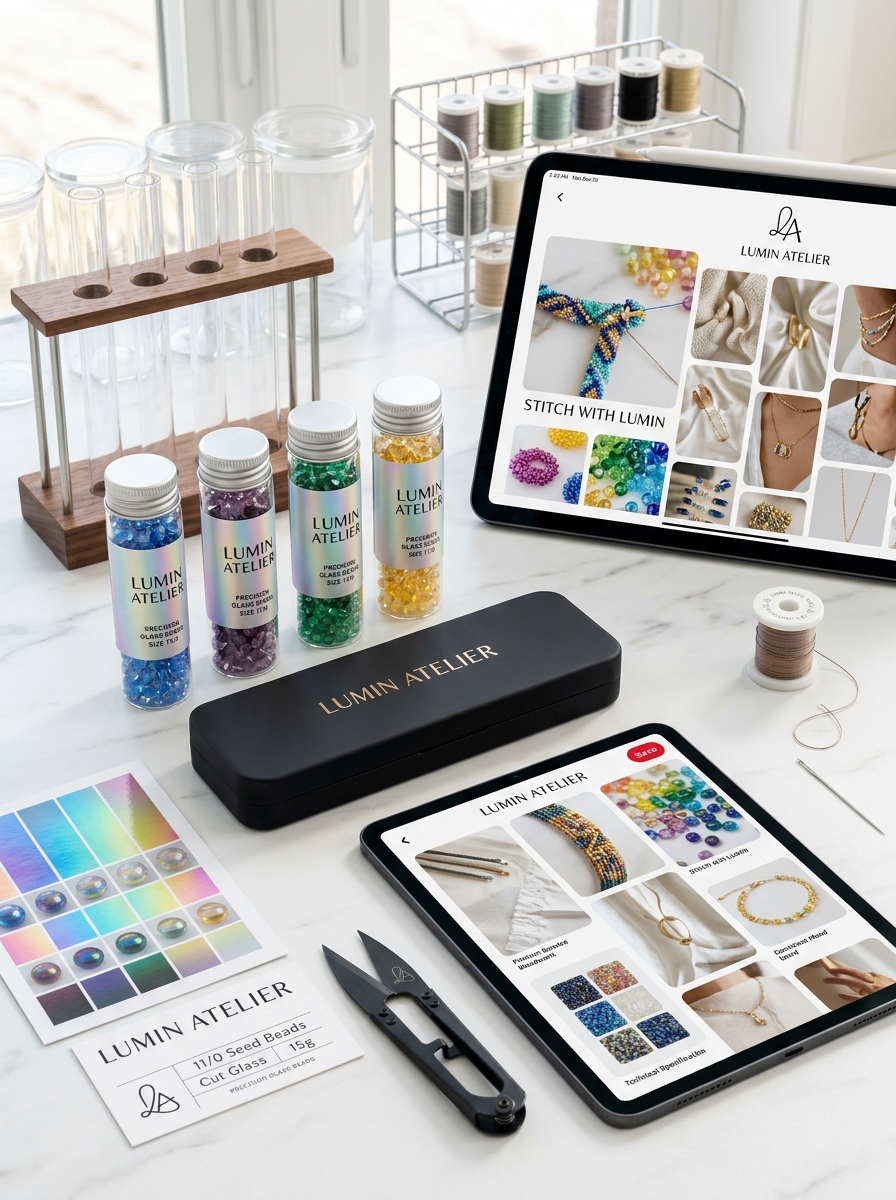
Success in the jewelry supply market depends on more than just high-quality materials; it requires strategic packaging design that resonates with both professional artisans and hobbyists. For glass seed beads-where color precision, finish, and uniform sizing are paramount-the packaging serves as a vital window into the product's quality. Effective design must balance aesthetic transparency with robust structural integrity to protect delicate glass components during transit and display.
By mastering core branding principles, manufacturers can transform standard containers into powerful marketing assets. This guide explores essential elements such as color theory, sustainable material selection, and typography that enhances brand recognition. Implementing these design strategies ensures your glass seed beads not only stand out on crowded shelves but also foster long-term customer loyalty through professional presentation and functional elegance.
The Power of First Impressions in Bead Packaging
In the competitive market for glass seed beads, packaging serves as the vital first point of contact between your product and the artisan. A professional presentation does more than just hold items; it communicates quality, consistency, and attention to detail. When crafters see beads organized in clear, durable, and resealable containers, it immediately elevates the perceived value of the brand.
Effective packaging allows the vibrant colors and delicate finishes of seed beads to remain visible while ensuring they stay protected during transit. For jewelry makers, functional storage that prevents spills is just as important as the beads themselves. By prioritizing premium packaging, you create a lasting positive impression that builds trust, encouraging repeat purchases from designers who demand excellence for their intricate beadwork projects.
Transparency Strategies for Showcasing Bead Color and Texture
Optimizing the visual impact of glass seed beads requires strategic management of light and transparency. To enhance color depth and surface texture, artisans employ several key techniques:
- Backlighting and Refraction: Transparent beads are best showcased in designs that allow light to pass through, highlighting the glass's clarity and internal glow.
- Internal Lining: Using silver-lined or color-lined beads creates a reflective "mirror" effect, which amplifies the saturation of the outer glass layer while adding metallic texture.
- Finish Contrast: Pairing high-shine transparent beads with matte or frosted finishes creates a tactile contrast that makes the colors appear more dimensional.
- Thread Selection: Since glass beads often reveal their core, choosing a matching or contrasting thread color can subtly alter the bead's perceived hue.
These strategies ensure that the unique luminosity and intricate details of seed beads are fully realized in any jewelry or embroidery project.
Color Theory and Brand Harmony in Jewelry Supply Design
Mastering glass seed beads requires a sophisticated approach to color theory. Jewelry designers utilize the color wheel to select complementary, analogous, or triadic palettes that define their unique brand identity. By understanding the interaction between various bead finishes-such as opaque, silver-lined, matte, and aurora borealis-artisans create intentional visual depth and texture.
Achieving brand harmony involves curating consistent color stories across jewelry collections. Whether sourcing precision-cut Japanese Miyuki beads or classic Czech glass, maintaining a signature aesthetic is vital for market recognition. Strategic color selection not only enhances the physical beauty of beadwork but also evokes specific emotional responses, aligning product design with modern consumer trends. For professional jewelry suppliers, integrating these principles ensures a cohesive inventory that inspires high-end creativity and builds long-term brand loyalty.
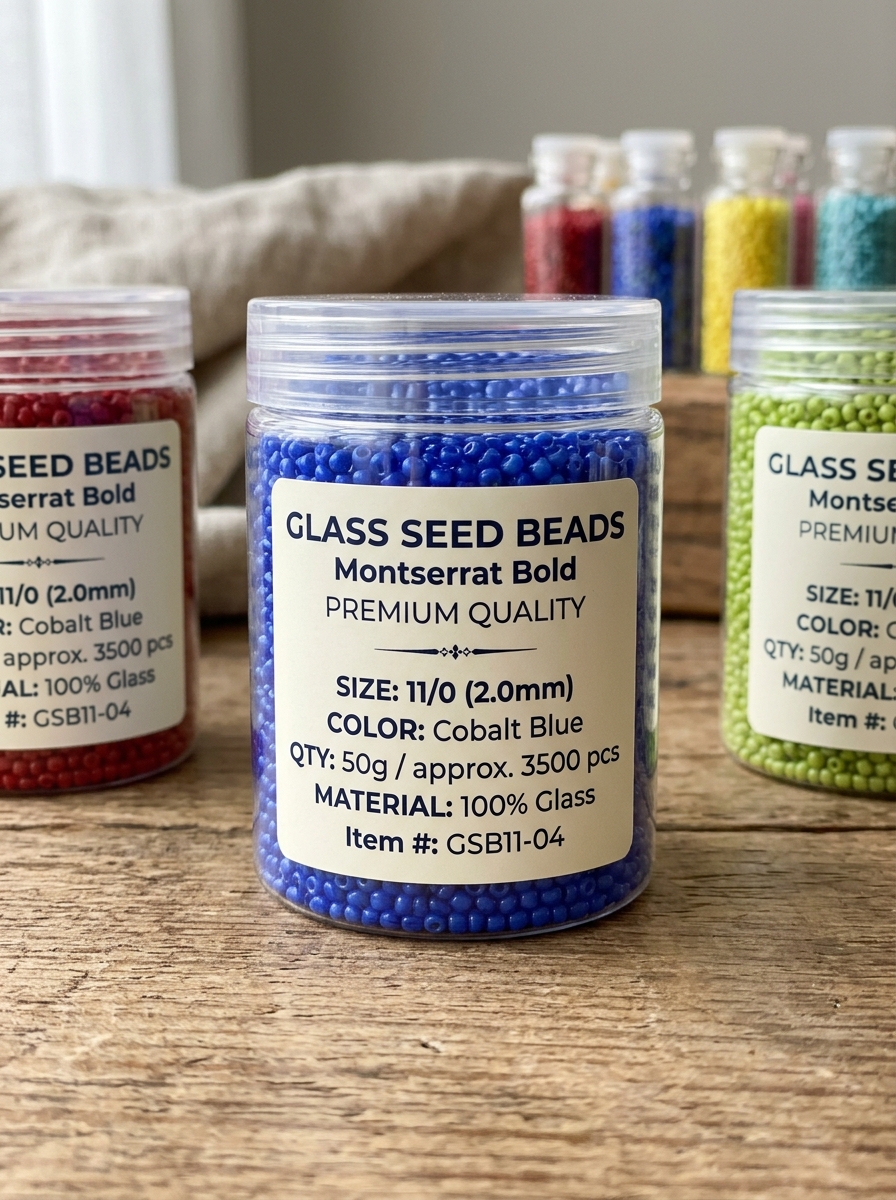
Typography Selection for Legible Small Scale Labeling
Selecting the right typeface is vital for glass seed bead packaging, where labels are often extremely compact. To maintain legibility on small vials or hang-tags, prioritize sans-serif fonts with high x-heights, such as Helvetica, Arial, or Roboto. These fonts ensure that character shapes remain distinct even at 4pt to 6pt sizes.
Key considerations for bead labeling include:
- Open Counters: Prevents numbers like 6, 8, and 9 from "clogging" during high-density printing.
- Increased Tracking: Adding slight letter-spacing improves recognition of bead size codes, such as 11/0 or 15/0.
- Stroke Weight: Medium weights are preferable; ultra-light strokes may disappear, while heavy bolds can bleed.
Avoid decorative scripts or fine serifs, which compromise readability and hinder artisans from quickly identifying specific bead finishes and color codes.
Materiality and Eco-Friendly Solutions for Modern Crafters
Glass seed beads are prized by artisans for their unique materiality and durability. Composed primarily of silica, these beads offer a non-porous, UV-resistant alternative to synthetic plastics, ensuring that intricate beadwork maintains its structural integrity and color for decades.
For the environmentally conscious creator, glass represents a significant step toward sustainable crafting. Unlike acrylic counterparts, glass is a natural material that is infinitely recyclable and free from harmful microplastics. Many modern manufacturers now prioritize eco-friendly solutions, such as utilizing lead-free pigments and energy-efficient kiln firing processes. By selecting high-quality glass seed beads, crafters embrace the principles of slow fashion, creating long-lasting, heirloom-quality jewelry that reduces environmental impact and promotes a circular economy in the global DIY community.
Functional Structural Design for Storage and Resealability
Glass seed beads are exceptionally small, making functional packaging a priority for organization and spill prevention. Premium storage solutions focus on structural integrity and ease of access to ensure a seamless crafting experience.
- Resealable Tubes: Often feature secure flip-tops or friction caps to prevent accidental opening during transport.
- Screw-Top Jars: Offer a wide-mouth design for easy tool access while providing an airtight, moisture-resistant seal.
- Heavy-Duty Bags: Provide a space-saving, transparent option that protects glass finishes from environmental friction.
High-quality structural design ensures that delicate beads remain sorted by size and color. By utilizing resealable containers, crafters minimize waste and protect beads from oxidation or chipping, maintaining an efficient and clutter-free creative environment.
Establishing Visual Identity Consistency Across Bead Sizes
Achieving a cohesive visual identity with glass seed beads requires meticulous attention to color and finish uniformity across different dimensions. Whether your design transitions from delicate 15/0 rounds to chunky 6/0 beads, maintaining a consistent aesthetic is vital for professional jewelry production and brand recognition.
To ensure seamless integration across various bead sizes, consider these semantic factors:
- Dye-Lot Uniformity: Source beads from the same manufacturer (such as Miyuki, Toho, or Preciosa) to minimize tonal shifts between sizes.
- Finish Stability: Ensure that specialized coatings, like galvanized or duracoat finishes, provide the same reflective quality regardless of the bead's surface area.
- Proportional Scaling: Select sizes that maintain the geometric integrity of your patterns.
By standardizing these elements, designers create a unified glass seed bead palette that reinforces design continuity and craftsmanship quality.
Artisanal Graphic Elements and Brand Storytelling
In the world of glass seed beads, visual identity transcends mere product display. Incorporating artisanal graphic elements-such as hand-rendered sketches, macroscopic textures, and intricate vector patterns-allows brands to communicate a rich narrative of heritage and precision. These bespoke visuals bridge the gap between raw materials and finished masterpieces.
Effective brand storytelling leverages the tactile nature of seed beads to evoke emotion. By highlighting the meticulous craftsmanship behind every uniform grain, businesses foster a deeper connection with designers and hobbyists. Using unique iconography and authentic imagery, brands can illustrate the journey from molten glass to creative inspiration, establishing a signature aesthetic that resonates within the global jewelry-making community. This strategic blend of art and history elevates the perceived value of every bead through intentional, visual communication.
Protective Packaging Engineering for Delicate Glass Components
Precision-engineered packaging is critical for maintaining the structural integrity of glass seed beads. Due to their diminutive size and fragile composition, these components require specialized containment systems designed to mitigate mechanical stress and frictional wear during global distribution.
Advanced solutions utilize high-clarity, impact-resistant polymers and reinforced vials to prevent crushing. Furthermore, hermetic seals and moisture-barrier membranes are essential for preserving sensitive surface treatments, such as silver-lining or galvanized coatings, from oxidative degradation. By integrating shock-absorbent internal layering and spill-proof closures, manufacturers ensure that high-uniformity beads arrive without fragmentation. This engineering-led approach to packaging optimizes both long-term storage stability and the preservation of the beads' optical brilliance, meeting the rigorous standards of both industrial manufacturers and artisanal designers.
Optimizing Shelf Presence and the Unboxing Experience
In the competitive glass seed bead market, premium packaging is a vital touchpoint for brand differentiation. To optimize shelf presence, manufacturers utilize high-clarity, transparent containers that showcase the beads' vibrant colors, intricate finishes, and uniform shapes. These visual cues are essential for attracting artisans who prioritize quality and precision.
The unboxing experience serves as a critical bridge to long-term brand loyalty. Key elements for success include:
- Secure, Resealable Packaging: Prevents messy spills and provides functional, long-term storage.
- Themed Curations: Organized color palettes that inspire immediate creativity upon opening.
- Informative Labeling: Clear identification of bead size (e.g., 11/0), finish, and weight for professional organization.
By combining aesthetic appeal with functional design, brands ensure the transition from the retail shelf to the crafter's workspace is seamless and inspiring.
Leave a comment