
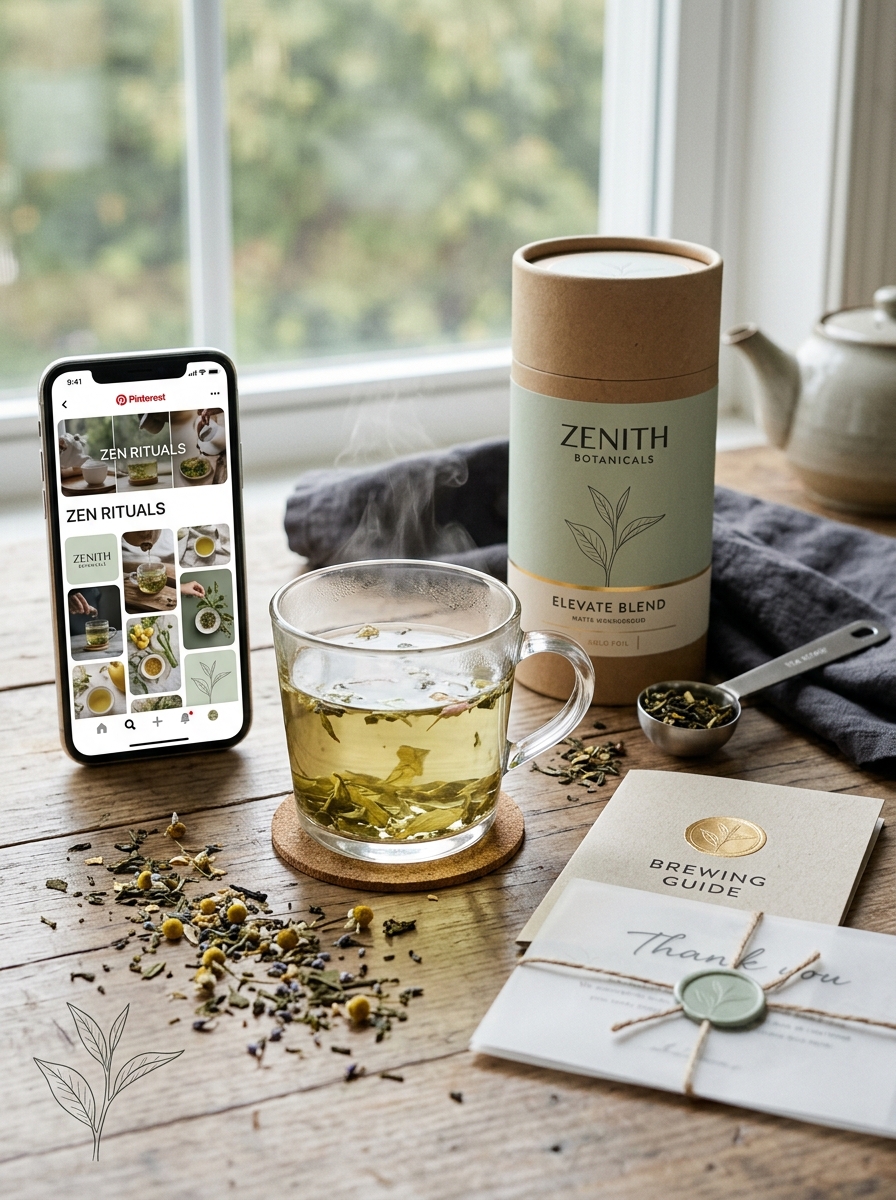
Elevating a specialty tea brand requires a deep understanding of how tea infuser packaging influences consumer perception and product longevity. As the bridge between a functional tool and a sensory ritual, the container must prioritize both structural durability and visual storytelling to stand out on crowded shelves.
Mastering this niche involves a delicate balance of ergonomic design, sustainable material selection, and aesthetic cohesion. Whether aiming for a minimalist modern look or a traditional artisanal feel, effective packaging serves as a silent brand ambassador. By focusing on key design principles-such as tactile finishes and intuitive unboxing experiences-brands can transform a simple utility item into a coveted lifestyle accessory. This exploration delves into the fundamental concepts necessary to create packaging that protects, informs, and enchants every tea enthusiast.
The Evolution of Modern Tea Infuser Packaging
Modern tea infuser packaging has transitioned from basic functional containers to sophisticated, sustainable designs. Historically, infusers were sold in simple plastic or bulk cardboard. Today, brands prioritize eco-friendly materials like biodegradable Kraft paper and recyclable glass to align with the values of conscious tea enthusiasts.
Contemporary packaging serves dual purposes: product protection and brand storytelling. High-end infusers often feature magnetic-closure boxes or minimalist tubes that enhance the unboxing experience. These innovations safeguard delicate stainless steel mesh or silicone components while positioning the tool as a premium gift item. By integrating smart labeling and transparent windows, modern packaging highlights ergonomic design and material quality, reflecting a global shift toward luxury, zero-waste tea accessories.
Defining the Target Audience Through Cultural Visuals
In the competitive tea infuser market, cultural visuals serve as a powerful tool for demographic segmentation. By aligning product aesthetics with specific tea-drinking traditions, brands can instantly communicate value to their intended consumers. For example, sleek, stainless steel designs appeal to modern minimalists, while bamboo or ceramic accents resonate with enthusiasts of traditional tea ceremonies and mindfulness.
Visual storytelling through cultural motifs-whether it is the ornate elegance of British high tea or the functional simplicity of Japanese Zen-helps define a lifestyle. By utilizing targeted imagery such as botanical patterns or industrial textures, manufacturers bridge the gap between product utility and consumer identity. Understanding these cultural nuances ensures that a tea infuser is perceived not just as a tool, but as an essential part of the user's personal brewing ritual.
Material Selection for Durability and Eco-Consciousness
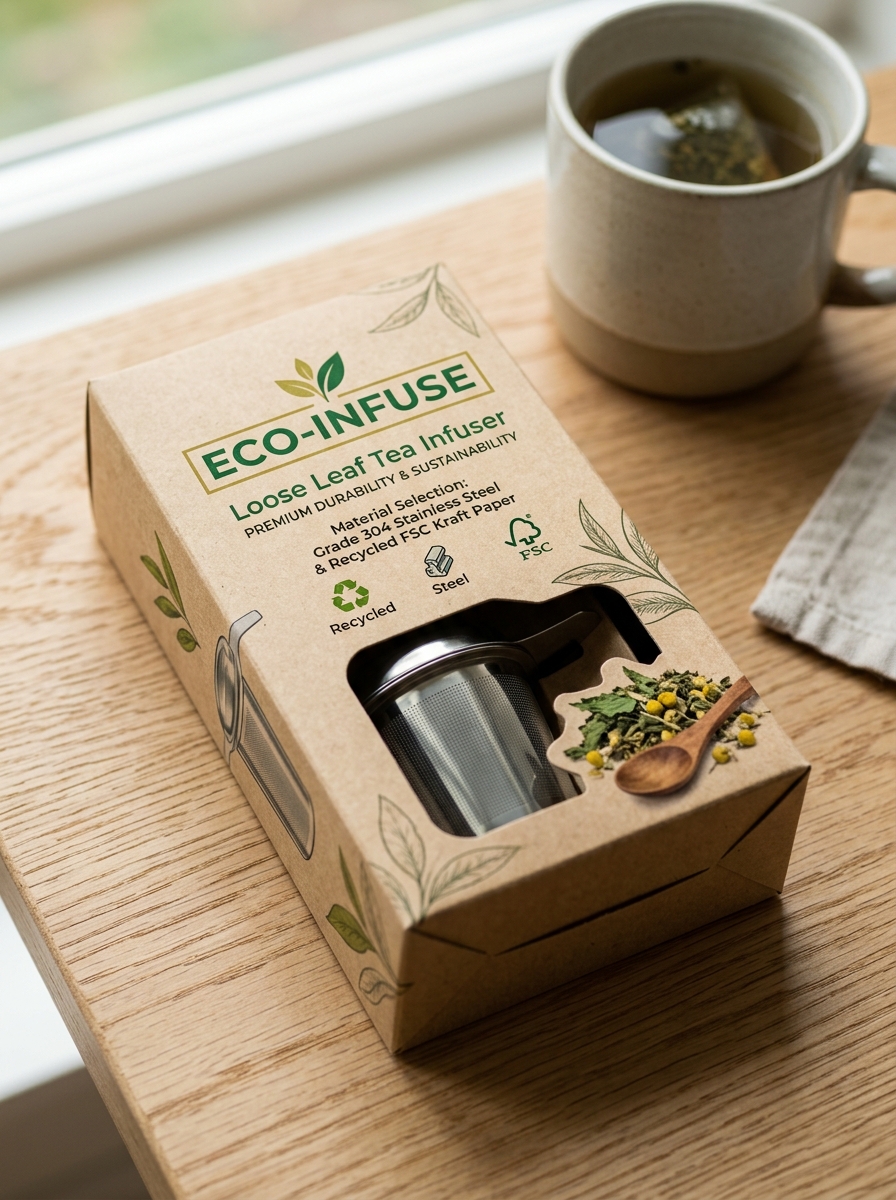
Choosing the right material for a tea infuser is essential for both brewing performance and environmental impact. High-quality 304 food-grade stainless steel is the industry standard, offering exceptional rust resistance and long-term durability. For those prioritizing purity, borosilicate glass provides a heat-resistant, non-porous option that ensures no residual flavors affect your brew.
From an eco-conscious perspective, reusable infusers are vital for reducing the waste generated by single-use tea bags, which often contain hidden microplastics and chemical bleaches. Opting for BPA-free silicone or plastic-free metal mesh designs supports a zero-waste lifestyle. By investing in these sustainable, non-toxic materials, you ensure a cleaner tea-drinking experience while significantly lowering your ecological footprint through years of reliable use.
Balancing Minimalist Aesthetics with Functional Clarity
Modern tea infuser design focuses on the synergy between elegant simplicity and practical performance. Minimalist aesthetics utilize clean lines and premium materials, like food-grade stainless steel or borosilicate glass, to create a visually unobtrusive tool. However, true design success relies on functional clarity-ensuring the device is intuitive to use and easy to clean.
A well-balanced infuser features ultra-fine mesh or precision-drilled holes to prevent debris while allowing maximum water circulation for optimal flavor extraction. Ergonomic handles and secure locking mechanisms provide a seamless user experience, stripping away unnecessary complexity. By prioritizing both form and utility, these infusers transform the ritual of steeping loose leaf tea into a sophisticated, hassle-free process. This harmony ensures that the tool remains a durable centerpiece in any contemporary kitchen.
Structural Engineering for Product Safety and Visibility
Advanced structural engineering is critical in tea infuser design to ensure long-term durability and consumer safety. By utilizing high-quality, food-grade materials such as 304 stainless steel and thermal-shock-resistant borosilicate glass, engineers create vessels that withstand extreme temperature fluctuations without leaching toxins.
The engineering focus encompasses two primary pillars:
- Mechanical Integrity: Precision-milled locking systems and reinforced mesh frames prevent structural failure, ensuring that loose leaves remain contained while handles remain cool to the touch.
- Visual Optimization: Ultra-fine micro-perforations and transparent glass components allow users to monitor the steeping process. This visibility ensures the perfect infusion strength while showcasing the tea's natural clarity.
This balance of robust architecture and functional transparency ensures a safe, debris-free brewing experience that meets rigorous food-safety standards.
Color Psychology in the Gourmet Tea Accessory Market
In the gourmet tea accessory market, color psychology is a strategic tool used to influence consumer emotions and purchasing behavior. For a tea infuser, the chosen palette dictates the perceived quality and the brewing atmosphere. Metallic finishes like gold or rose gold evoke a sense of luxury and premium craftsmanship, positioning the tool as a high-end lifestyle statement.
In contrast, earthy greens and muted tones emphasize wellness, organic purity, and a connection to nature, aligning perfectly with herbal infusions. Cool blues promote tranquility and mindfulness, enhancing the meditative ritual of steeping. By leveraging these visual cues, manufacturers can align their products with specific tea varieties-such as vibrant silvers for modern loose-leaf blends or classic blacks for robust traditions-ensuring the accessory resonates emotionally with the sophisticated tea enthusiast.
Integrating Brand Storytelling into Surface Graphics
For tea infuser brands, surface graphics serve as a powerful medium to convey a unique brand narrative. Beyond mere decoration, integrating storytelling into the product's aesthetic-via laser etching, enamel patterns, or embossed textures-builds an emotional bridge between the consumer and the brand's heritage.
Effective storytelling utilizes visual metaphors, such as botanical illustrations that represent ingredient purity or minimalist geometric lines reflecting modern craftsmanship. By strategically placing these graphics on the infuser body or handle, manufacturers can communicate values like sustainability and artisanal quality. This semantic approach to design ensures that every tea steeping ritual becomes an immersive brand experience. Ultimately, well-executed surface graphics differentiate functional kitchenware in a saturated market, transforming a simple tool into a meaningful keepsake that resonates with the lifestyle and aspirations of the tea enthusiast.
Optimizing the Unboxing Experience for Premium Value
For a premium tea infuser, the unboxing journey represents the first critical touchpoint of quality. To elevate perceived value, brands should utilize high-grade, sustainable packaging materials that mirror the product's durability. Custom-molded inserts are essential to protect delicate stainless steel mesh or glass components from transit damage, ensuring the tool arrives in pristine condition.
Incorporating sensory elements, such as textured finishes or magnetic closures, transforms a functional purchase into a luxury ritual. Including a minimalist user guide or a QR code linking to artisanal brewing tips adds immediate functional value. By prioritizing these aesthetic and informative details, manufacturers foster brand loyalty and encourage social sharing. This strategic focus on the unboxing experience differentiates the tea infuser as a sophisticated lifestyle accessory rather than a mere kitchen utensil.
Essential Labeling for Usage Instructions and Safety
Clear labeling for a tea infuser is critical for ensuring user safety and optimal product performance. Manufacturers must provide concise usage instructions, including recommended steeping times and maximum temperature thresholds for various tea types to prevent over-extraction or material damage.
Safety information is equally vital. Labels should explicitly state heat resistance limits and include warnings regarding hot surfaces to prevent accidental burns. Additionally, material certifications-such as BPA-free or food-grade stainless steel indicators-guarantee that the infuser is safe for daily consumption. Well-defined icons for dishwasher compatibility or hand-washing requirements help maintain the integrity of the fine mesh and seals, extending the product's lifespan while ensuring a hygienic brewing experience for every cup of loose-leaf tea.
Future Trends in Sustainable Tea Hardware Design
The future of tea infuser hardware is pivoting toward circular design and material innovation. As environmental awareness grows, designers are moving away from single-use plastics and non-recyclable composites. Key trends shaping the industry include:
- Eco-Conscious Materials: Increased use of medical-grade stainless steel, heat-resistant borosilicate glass, and biodegradable bamboo fibers.
- Zero-Waste Filtration: Development of ultra-fine, laser-cut metal filters that eliminate the need for disposable paper liners and prevent microplastic leaching.
- Modular Longevity: Engineering infusers with replaceable parts to extend product lifespans and reduce electronic waste in smart brewing devices.
- Plastic-Free Manufacturing: Shifting toward carbon-neutral production and minimal, plastic-free packaging.
By blending functional minimalism with durable engineering, the next generation of tea hardware prioritizes both the steeping experience and the planet's health.
Leave a comment