
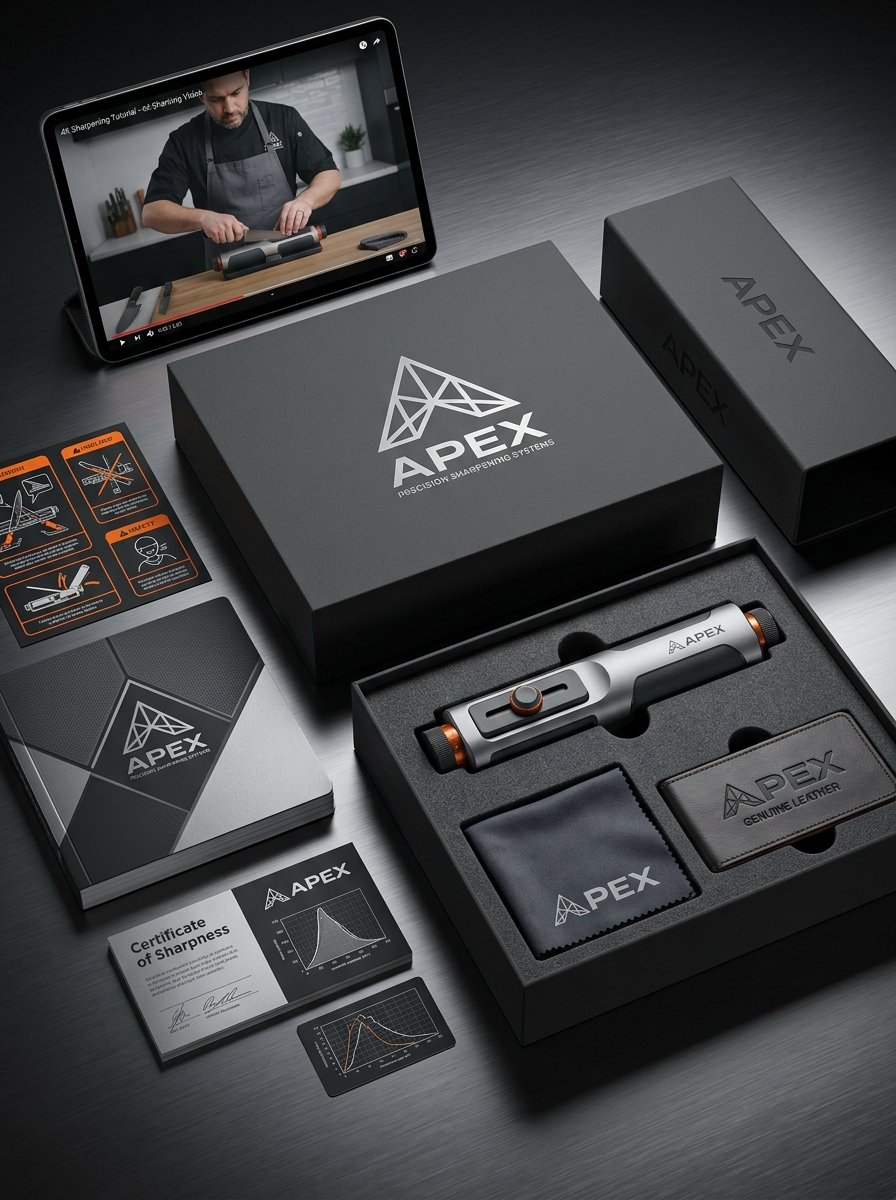
Achieving excellence in knife sharpener packaging design requires a strategic fusion of structural integrity and high-end visual aesthetics. As the primary physical touchpoint between a brand and a consumer, effective packaging must immediately communicate precision, safety, and professional-grade performance. Successful designs prioritize both the physical protection of the sharpening components and the clear communication of technical utility.
By focusing on innovative material selection and ergonomic unboxing experiences, manufacturers can significantly enhance shelf appeal and consumer perceived value. This exploration delves into the essential principles of typography, color psychology, and spatial hierarchy necessary to master tool presentation. Elevating your packaging from a functional container to a sophisticated brand ambassador is vital for establishing market trust and ensuring your product resonates with both professional chefs and culinary enthusiasts.
The Role of Packaging in the Knife Sharpener Market
In the competitive knife sharpener market, packaging serves as a critical bridge between product functionality and consumer appeal. Beyond mere aesthetics, effective packaging ensures the protection of delicate components, such as ceramic rods or diamond-coated abrasives, during transit and storage.
Premium packaging often reflects the quality of the tool inside, utilizing ergonomic designs and durable materials to attract professional chefs and home enthusiasts alike. Furthermore, strategic packaging provides essential instructional content, including sharpening angles and grit specifications, which are vital for user safety and optimal blade maintenance. By combining structural integrity with clear branding, manufacturers can significantly enhance the perceived value and retail shelf presence of their sharpening solutions.
Identifying Target Demographics and Consumer Expectations
Understanding the market for knife sharpeners requires segmenting users into three primary categories: home culinary enthusiasts, professional chefs, and outdoor adventurers. Each group has distinct requirements for maintaining blade integrity and edge retention.
- Home Cooks: Seek user-friendly, safe, and compact electric or manual sharpeners for routine kitchen maintenance.
- Professional Chefs: Demand high-precision tools, adjustable bevel angles, and durable abrasives for high-carbon steel.
- Outdoor Enthusiasts: Prioritize portability and ruggedness for sharpening survival knives or pocket tools in the field.
Consumer expectations center on efficiency and versatility. Modern buyers look for multistage sharpening systems that provide coarse grinding for damaged edges and fine ceramic honing for a polished finish. Key performance indicators include minimal metal removal, consistent angle guidance, and long-term reliability to extend the lifespan of premium cutlery.
Core Principles of Minimalist Design for Culinary Tools
Minimalist design in culinary tools, such as knife sharpeners, is anchored in the philosophy that form follows function. By removing extraneous ornamentation, the focus shifts to peak performance and intuitive utility. The primary principles include:
- Functional Simplicity: Every element serves a specific purpose, reducing mechanical complexity and increasing the tool's lifespan.
- Ergonomic Precision: Design focuses on the natural contours of the hand, ensuring safety and comfort without unnecessary bulk.
- Material Integrity: Utilizing high-quality materials like diamond abrasives or stainless steel provides a sleek aesthetic while ensuring durability.
- Spatial Efficiency: Compact, streamlined profiles allow for easy storage in modern, clutter-free kitchens.
A minimalist knife sharpener prioritizes a seamless user experience, delivering professional-grade edges through refined engineering and essentialist aesthetics.
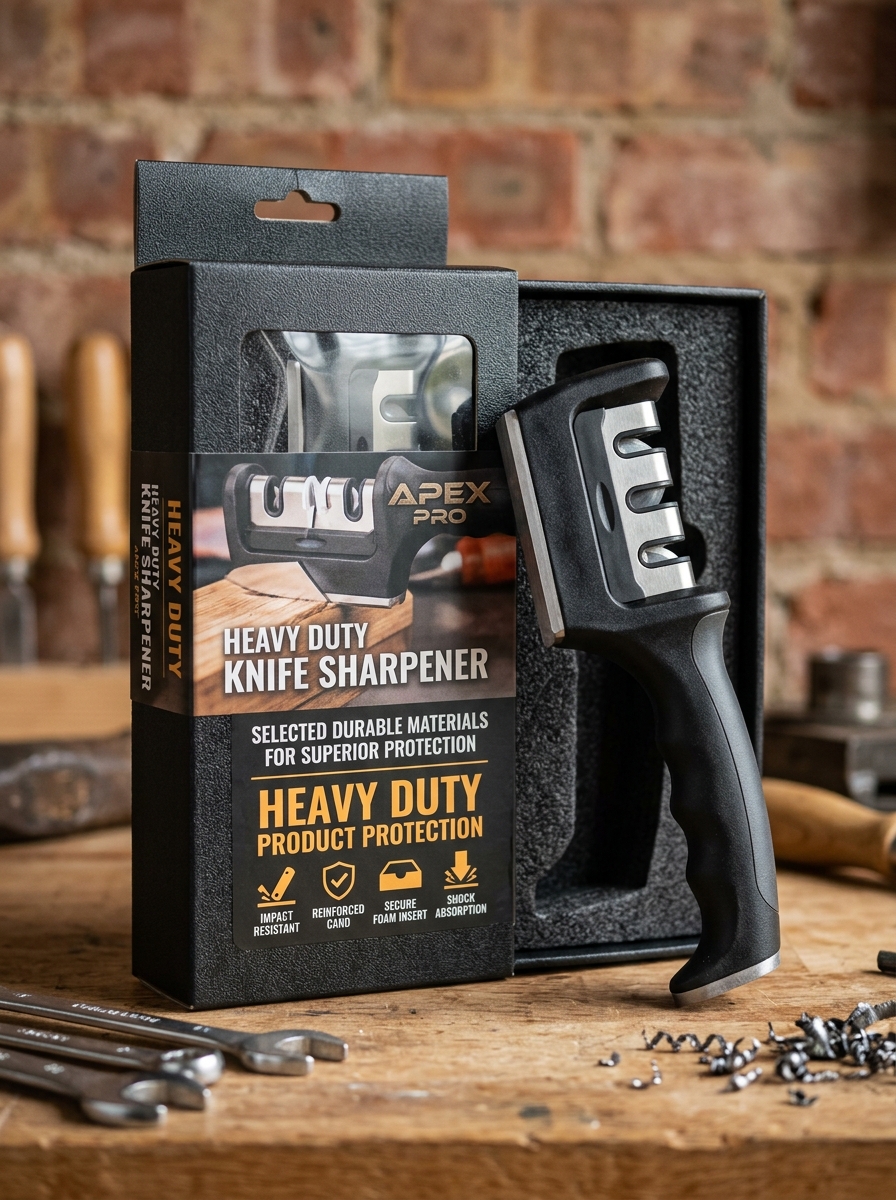
Selecting Durable Materials for Heavy Duty Product Protection
When engineering a high-performance knife sharpener, selecting resilient materials is critical for long-term reliability and user safety. Heavy-duty protection begins with the structural housing; using high-grade stainless steel or reinforced ABS polymers provides the necessary impact resistance to withstand rigorous kitchen environments.
For the internal sharpening components, diamond abrasives, tungsten carbide, and ceramic rods are preferred for their extreme hardness. These materials ensure the tool maintains its edge-restoration capabilities without succumbing to premature wear. Furthermore, a weighted, non-slip rubber base is essential for stability, protecting the device from mechanical stress during high-pressure sharpening sessions. By prioritizing materials that resist corrosion and fatigue, manufacturers ensure that professional-grade sharpeners provide consistent precision and "heavy-duty" durability for years of intensive use.
Maximizing Shelf Impact Through Strategic Color Theory
Strategic color theory is a vital tool for enhancing the shelf presence of knife sharpeners. In a competitive retail landscape, specific hues directly influence consumer perceptions of quality and functionality. Utilizing professional palettes, such as slate gray and metallic silver, conveys industrial durability and precision-essential attributes for high-end kitchen maintenance tools.
Conversely, incorporating bold accents like safety red or vibrant orange draws immediate attention to sharpening slots and ergonomic safety features. By leveraging color psychology, manufacturers create a visual hierarchy that guides the shopper's eye toward unique selling points. This deliberate use of contrast differentiates the product from competitors and reinforces brand authority, ultimately driving conversion through immediate visual impact and perceived reliability.
Communicating Technical Specifications with Clear Typography
For high-performance knife sharpeners, precision is not only found in the blade but also in how technical data is presented. Clear typography is essential for conveying critical specifications such as sharpening angles (e.g., 15° for Asian blades vs. 20° for Western blades) and abrasive grit levels (#400 Coarse to #1000 Fine).
To ensure user safety and tool longevity, manufacturers must prioritize legibility through:
- Visual Hierarchy: Using bold headers to distinguish between motor RPM and material composition like Tungsten Carbide or Diamond Honing.
- Numerical Clarity: Utilizing clean, sans-serif fonts to prevent misreading grit sizes or voltage requirements.
- Structured Layouts: Employing bulleted lists to break down multi-stage sharpening processes.
Proper typographic execution transforms complex engineering data into accessible, actionable instructions for the end user.
Creating an Immersive Unboxing Experience for Premium Brands
For high-end knife sharpeners, the unboxing process serves as the first testament to the product's precision. Premium brands leverage luxury packaging to signal superior craftsmanship and professional-grade performance before the blade even touches the stone.
Key elements that define an immersive experience include:
- Protective Inserts: Custom-cut, high-density foam that secures heavy-duty whetstones or ergonomic handles during transit.
- Tactile Materials: Rigid, matte-finish boxes with magnetic closures that reflect the tool's durability and weight.
- Educational Collateral: High-gloss technique guides and microfiber cloths that emphasize long-term blade maintenance.
This sensory-driven approach transforms a functional kitchen tool into a culinary investment. By prioritizing the presentation of the sharpening system, manufacturers build immediate trust and anticipation, ensuring the quality of the box matches the razor-sharp results of the tool.
Integrating Safety Warnings and Legal Compliance Data
Prioritizing knife sharpener safety is essential for risk mitigation and consumer protection. Manufacturers must integrate comprehensive safety warnings that address specific hazards, such as blade slippage, hand placement, and abrasive surface stability. Effective documentation goes beyond basic usage, incorporating legal compliance data to meet regional regulatory standards like ISO, CE, or ANSI.
Detailed hazard communication prevents accidental injuries and reduces manufacturer liability. Key elements include:
- Clear icons indicating sharp edges and pinch points.
- Stability requirements for non-slip bases.
- Mandatory age restrictions and storage warnings.
By embedding these technical specifications and legal disclosures into product manuals and packaging, brands ensure operational transparency and adhere to global safety protocols for cutlery maintenance tools.
Sustainable Packaging Solutions for the Eco Conscious Chef
For the modern culinary professional, maintaining a high-quality knife sharpener shouldn't come at the expense of the planet. Eco-conscious chefs are increasingly prioritizing sustainable packaging solutions that align with their environmental values.
Leading brands are now transitioning away from single-use plastics, opting instead for biodegradable materials, FSC-certified recycled cardboard, and soy-based inks. These eco-friendly alternatives ensure that your sharpening tools are protected during transit while significantly reducing waste.
By choosing a knife sharpener housed in compostable or recyclable packaging, you contribute to a circular economy and lower your kitchen's carbon footprint. Investing in tools with minimal, plastic-free gift boxes allows you to achieve a razor-sharp edge while demonstrating a commitment to environmental stewardship and ethical consumerism.
Designing for E-commerce Visibility and Global Shipping
Optimizing knife sharpeners for the digital marketplace requires a strategic focus on both visual appeal and logistical efficiency. To maximize e-commerce visibility, designers prioritize high-contrast finishes and sleek, ergonomic silhouettes that stand out in gallery thumbnails. Incorporating clear, functional branding helps communicate professional-grade quality instantly to online shoppers.
For global shipping, engineering focuses on reducing volumetric weight. Using lightweight yet durable materials like reinforced polymers and compact internal sharpening components allows for slimline packaging. This modular approach minimizes carbon footprints and lowers international freight costs. Additionally, secure, vibration-resistant housing ensures that precision abrasives-whether ceramic or diamond-remain intact during long-distance transit, ensuring the product reaches the end consumer in peak condition.
Leave a comment