
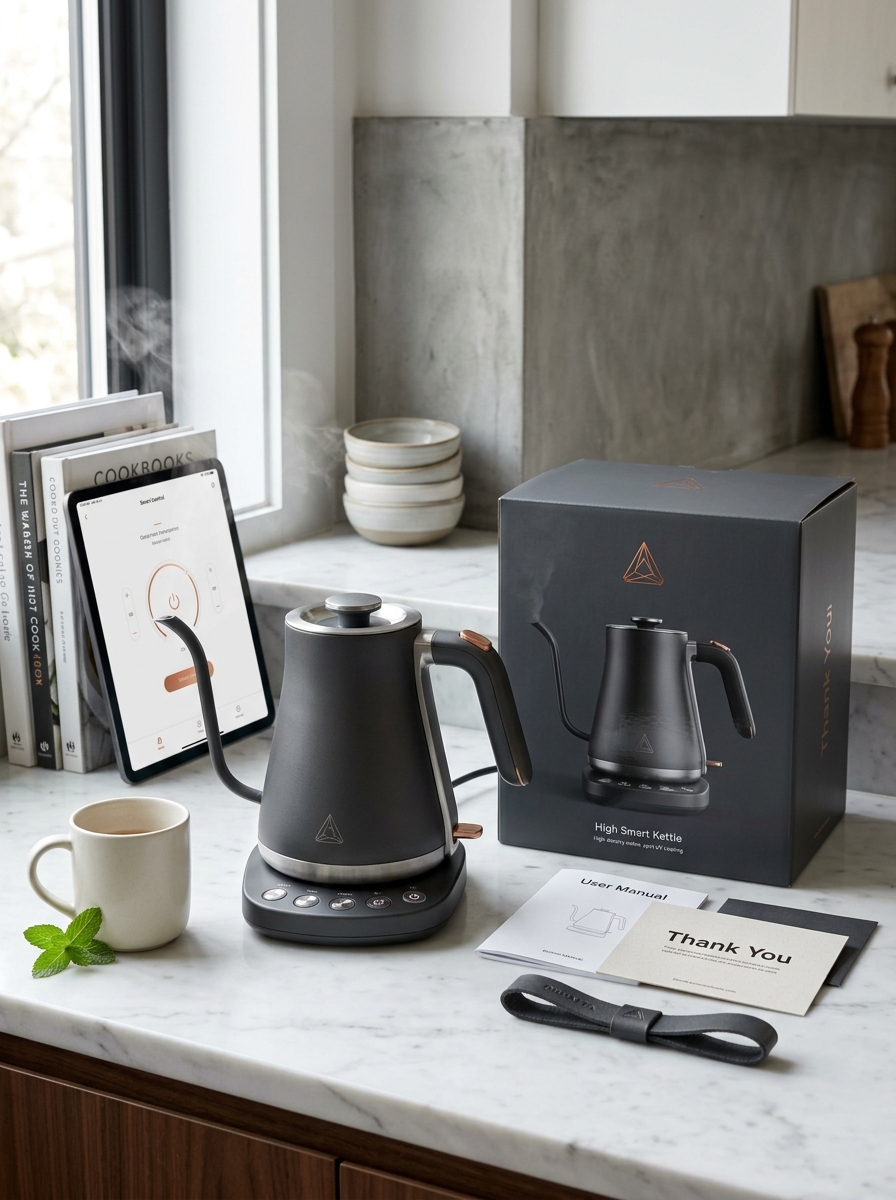
Modern kitchen appliances require more than high-performance engineering; they demand a compelling visual narrative that begins the moment a consumer encounters the box. Mastering electric kettle packaging design is a strategic blend of minimalist aesthetics and robust branding concepts that transform a functional household item into a premium lifestyle statement.
To capture market attention, designers must prioritize shelf impact and brand consistency. This involves selecting color palettes that evoke warmth and cleanliness, while utilizing typography that communicates safety and technological innovation. From the tactile quality of the finish to the structural layout that ensures product protection, every detail contributes to the overall unboxing experience. By integrating sustainable materials with high-end graphic elements, brands can establish a lasting emotional connection with their audience before the kettle is even plugged in.
The Evolution of Modern Electric Kettle Packaging Trends
Modern electric kettle packaging has shifted from basic utility to a sophisticated blend of sustainability and premium branding. Historically, manufacturers relied on non-recyclable plastics and bulky styrofoam to protect glass and stainless steel components. Today, the industry prioritizes eco-friendly materials, such as biodegradable molded pulp and FSC-certified cardboard, to meet consumer demand for environmental responsibility.
The unboxing experience has also evolved. Minimalist designs with matte finishes and high-resolution imagery now communicate product quality even before the box is opened. Furthermore, brands are integrating smart technology by replacing bulky paper manuals with QR codes printed directly on the box. This evolution reflects a broader trend toward reducing waste while enhancing the digital consumer journey, ensuring that packaging is as innovative as the appliance inside.
Defining Brand Identity Through Visual Design Elements
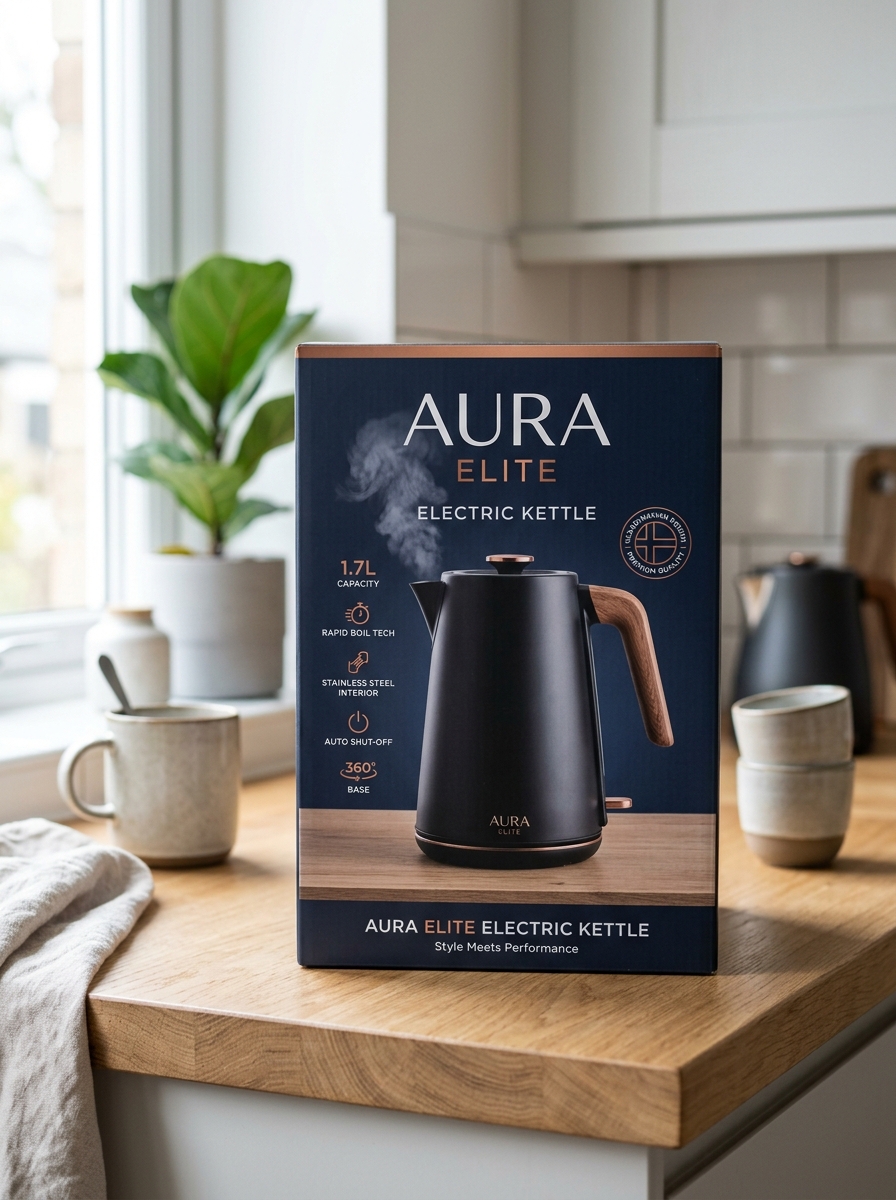
For an electric kettle, visual design is the primary communicator of brand identity. Manufacturers utilize specific aesthetic markers to distinguish premium models from budget alternatives. A kettle's silhouette-whether it features a retro, rounded form or a sleek, minimalist cylinder-immediately signals its stylistic positioning to the consumer.
Key design elements include materiality and surface finish. Brushed stainless steel evokes industrial durability, while matte textures suggest contemporary sophistication. Functional accents, such as ergonomic wood-effect handles or integrated LED rings, serve as visual signatures that enhance the user experience. By harmonizing color palettes with tactile controls, brands create a cohesive sensory language. These visual cues ensure that a product doesn't just boil water but reflects the consumer's lifestyle, fostering brand loyalty through intentional industrial design.
Color Psychology and its Impact on Kitchen Appliance Sales
Color psychology plays a pivotal role in the consumer decision-making process for electric kettles. Since these appliances often remain visible on countertops, their aesthetic appeal significantly influences a kitchen's atmosphere. Manufacturers use specific color palettes to evoke targeted emotional responses: vibrant reds stimulate energy and appetite, while matte black and stainless steel finishes convey modern sophistication and professional durability.
Furthermore, soft pastels like cream or mint green cater to the growing demand for retro-style decor, boosting sales within the lifestyle segment. By aligning product colors with current interior design trends, brands can increase perceived value and shelf appeal. Ultimately, the right color choice transforms a functional boiling tool into a decorative statement piece, directly impacting conversion rates and brand loyalty in a competitive marketplace.
Optimizing Typography for Information Hierarchy and Clarity
Effective typography in electric kettle manuals and interface design is essential for user safety and operational efficiency. By establishing a clear information hierarchy, manufacturers help users distinguish between critical safety warnings, technical specifications, and boiling instructions.
- Headings: Large, bold headers categorize content, allowing users to quickly find "Descaling Procedures" or "Initial Setup."
- Readability: Using high-contrast, sans-serif fonts ensures that water level markings and temperature displays remain legible in steam-filled kitchens.
- Emphasis: Strategic use of bolding for "Max Fill" lines or "Auto-Shutoff" features reduces cognitive load and prevents accidental overfilling or burns.
Prioritizing typographic clarity ensures that vital data is accessible at a glance, enhancing the overall user experience and promoting the safe, long-term maintenance of the appliance.
Sustainable Materials and Eco-Conscious Packaging Solutions
Modern electric kettles are embracing environmental responsibility through the integration of sustainable materials. Manufacturers are increasingly opting for high-grade recycled stainless steel, borosilicate glass, and BPA-free bio-based plastics. These durable components extend the product's lifespan, effectively reducing electronic waste and ensuring a chemical-free brewing process.
Beyond the device itself, eco-conscious packaging solutions are now a priority. Leading brands are replacing single-use plastics and styrofoam with FSC-certified recycled cardboard and biodegradable molded pulp. By utilizing soy-based inks and plastic-free shipping materials, the industry is significantly lowering its carbon footprint. Choosing an eco-friendly kettle allows consumers to enjoy energy-efficient performance while supporting a circular economy and protecting global ecosystems.
Enhancing the Unboxing Experience for High-End Kettles
For a luxury electric kettle, the consumer journey begins long before the first boil. Premium packaging serves as the critical first touchpoint, signaling quality through high-density materials and minimalist aesthetics. A superior unboxing experience utilizes structured compartments and protective fabric sleeves to ensure the appliance and its power base arrive in pristine condition.
By incorporating tactile elements-such as soft-touch finishes and magnetic closures-manufacturers reinforce the product's sophisticated engineering. Including a high-quality, printed quick-start guide and a personalized brand message builds an emotional connection, transforming a functional purchase into a lifestyle statement. This meticulous attention to detail justifies the premium price point, fosters brand loyalty, and encourages organic social sharing, ensuring that the initial interaction with the high-end kettle is as seamless and refined as its performance.
Strategic Product Photography and Lifestyle Imagery Integration
In the competitive electric kettle market, high-quality visual content is essential for driving conversions. Strategic product photography focuses on high-resolution, multi-angle shots that highlight technical excellence, such as precision-engineered spouts, ergonomic handles, and intuitive digital interfaces. These studio-quality images establish trust by showcasing the appliance's build quality and premium finishes.
Integrating lifestyle imagery further enhances consumer engagement by placing the kettle within a relatable kitchen environment. By depicting the product during a morning coffee ritual or a cozy evening tea service, brands create an emotional connection with the viewer. This contextual approach allows potential buyers to visualize the kettle's scale and aesthetic fit within their own homes. Combining crisp, feature-focused photography with warm, atmospheric lifestyle scenes optimizes the user experience and effectively bridges the gap between technical specifications and daily utility.
Balancing Technical Specifications with Aesthetic Minimalism
Modern electric kettles represent a sophisticated intersection of engineering and interior design. To achieve a minimalist aesthetic, manufacturers must seamlessly integrate high-performance technical specifications without cluttering the visual profile. This involves concealing powerful heating elements and precise thermal sensors within sleek, sculptural silhouettes.
Key features such as variable temperature control and rapid-boil technology are often managed via intuitive, hidden interfaces or discrete base panels. By prioritizing clean lines and premium materials like matte stainless steel, these appliances fulfill the functional demands of specialty tea and coffee brewing while serving as understated kitchen decor. The result is a high-utility tool that offers professional-grade precision-including boil-dry protection and automatic shut-off-while maintaining the "less is more" philosophy essential to contemporary living spaces.
Maximizing Shelf Impact in Competitive Retail Environments
In the crowded electric kettle market, visual differentiation is essential for capturing consumer attention. To maximize shelf impact, manufacturers prioritize sleek industrial designs, utilizing premium materials like brushed stainless steel, heat-resistant borosilicate glass, and trendy matte finishes. These aesthetic choices signal quality and modern sophistication to potential buyers.
Effective retail positioning also relies on highlighting key functional innovations directly on the packaging. Features such as rapid-boil technology, precision temperature control for specialty teas, and enhanced safety sensors should be prominent. Furthermore, using LED illumination within glass models creates a dynamic visual hook. By combining ergonomic handle shapes with space-saving silhouettes and clear "BPA-free" branding, manufacturers can effectively distinguish their products from competitors, driving higher conversion rates in high-traffic retail aisles.
Future Innovations in Smart Appliance Packaging Design
The packaging for the modern electric kettle is evolving into a tech-integrated, immersive experience. Future designs prioritize sustainability and digital connectivity to enhance consumer engagement. Innovations include the use of biodegradable materials and mushroom-based inserts that replace traditional plastics while ensuring maximum protection during transit.
Smart packaging now incorporates QR codes and NFC technology, enabling users to access interactive setup guides, descaling tutorials, and warranty registration instantly. Additionally, Augmented Reality (AR) features allow customers to visualize the appliance on their countertops before unboxing. These advancements focus on a minimalist aesthetic and the circular economy, reducing waste while providing a seamless transition from the retail box to the smart kitchen ecosystem.
Leave a comment