
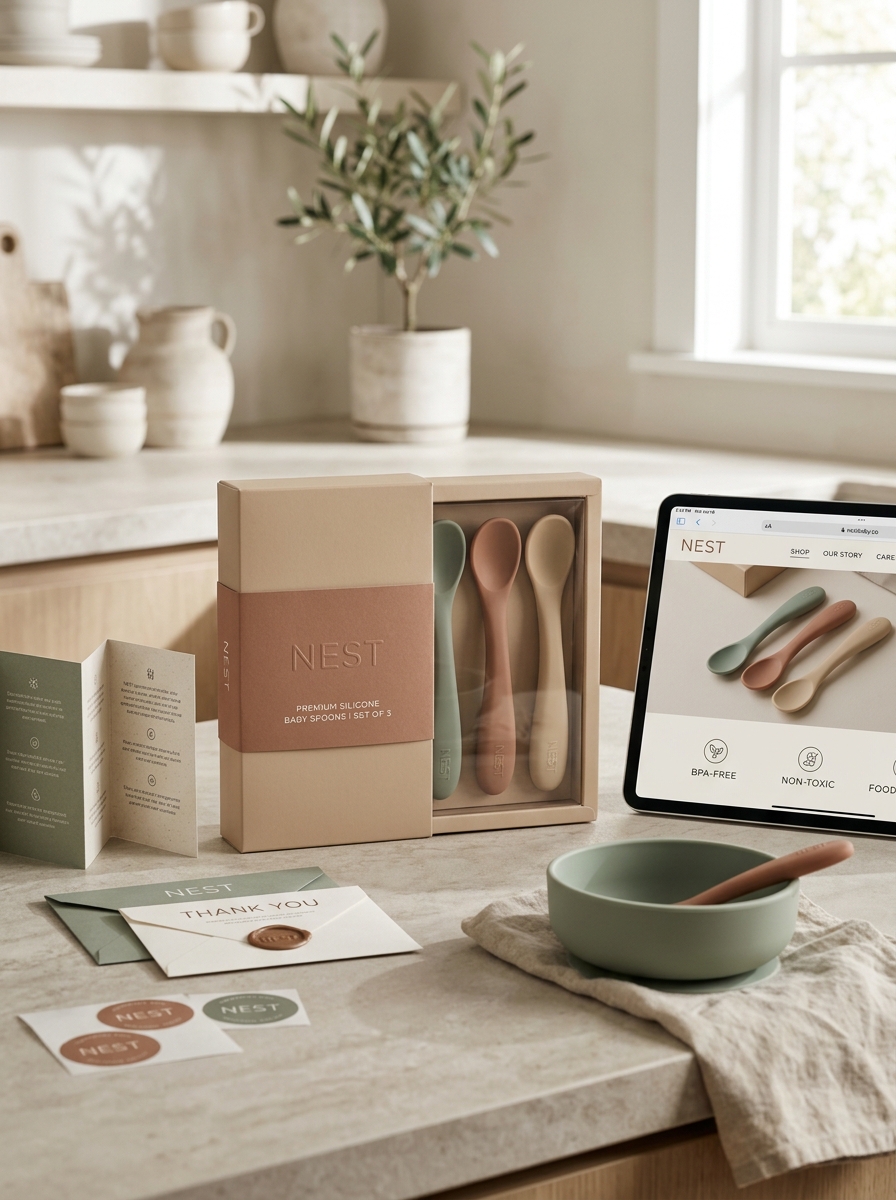
Modern silicone spoon packaging design serves as a critical touchpoint between brand identity and consumer utility. As the demand for eco-friendly baby products and high-grade kitchenware rises, manufacturers are prioritizing sustainable materials and minimalist aesthetics to capture immediate market attention.
Effective packaging must harmonize structural integrity with visual storytelling, ensuring the product remains protected while communicating a premium feel. By integrating ergonomic opening mechanisms and transparent viewing windows, designers significantly enhance the user experience, bridging the gap between tactile functionality and sophisticated shelf presence. This exploration delves into the core principles of structural innovation and the artistic elements that define today's most successful silicone spoon containers, focusing on how strategic design influences purchasing decisions and long-term brand loyalty in a modern retail environment.
The Importance of Purposeful Silicone Spoon Packaging
Purposeful packaging for a silicone spoon serves as a critical bridge between product quality and consumer safety. Since these utensils are frequently used for infant feeding and high-heat cooking, high-quality food-grade silicone must remain free from environmental contaminants during storage and transit.
Effective packaging design highlights essential specifications, such as BPA-free certifications and heat resistance levels, which are vital for building shopper trust. Furthermore, choosing eco-friendly materials for packaging aligns with the sustainable lifecycle of durable silicone products. Beyond aesthetics, robust structural design prevents physical damage like warping or tearing. By prioritizing functional, informative, and sustainable packaging, brands ensure that every ergonomic silicone spoon reaches the kitchen in pristine, hygienic condition, reinforcing a commitment to safety and excellence in the competitive housewares market.
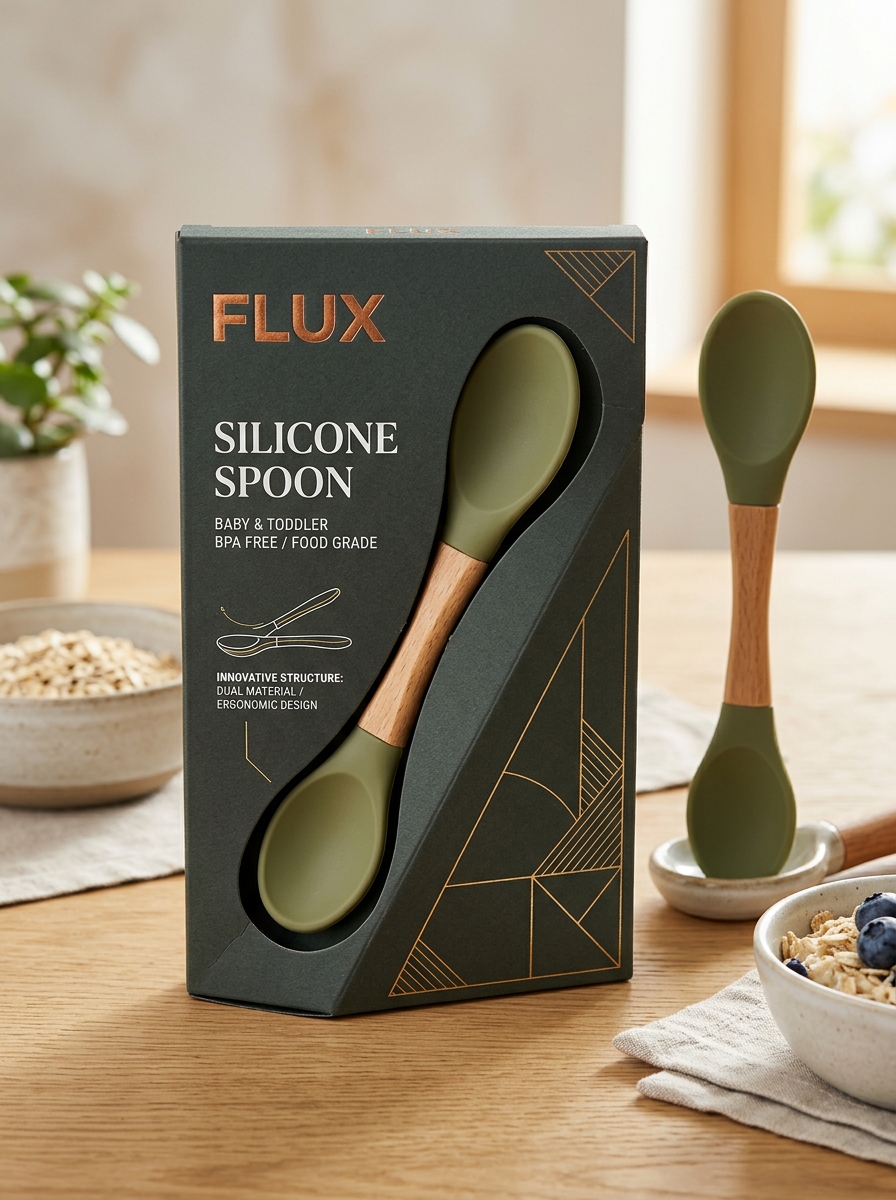
Defining Visual Identity Through Innovative Structure
A silicone spoon establishes its visual identity by harmonizing ergonomic utility with a minimalist aesthetic. Unlike traditional utensils, its innovative structure often features a seamless, one-piece design that eliminates crevices, ensuring both hygiene and a sleek, modern silhouette. This cohesive form is achieved through a high-strength internal core-typically nylon or stainless steel-shrouded in flexible, food-grade silicone.
The structural integrity allows for a unique profile that balances a soft-touch grip with high-performance durability. By utilizing heat-resistant polymers and vibrant color integration, the silicone spoon becomes a focal point of contemporary kitchen design. This architectural approach not only protects non-stick surfaces but also creates a distinct brand signature through fluid lines and tactile superior craftsmanship, redefining the standard for modern culinary tools.
Sustainable Material Choices for Modern Kitchenware
Choosing a silicone spoon is a proactive step toward a more eco-friendly kitchen. Unlike traditional plastic utensils, food-grade silicone is derived from silica-a natural element found in sand-making it a more sustainable alternative to petroleum-based products.
These kitchen tools are highly valued for their durability and longevity. A high-quality silicone spoon is heat-resistant, non-corrosive, and resistant to degradation, meaning it will not leach chemicals or break down into microplastics over time. Because they are incredibly long-lasting, they significantly reduce the need for frequent replacements, minimizing household waste.
Furthermore, silicone is non-porous and BPA-free, ensuring food safety while protecting non-stick cookware from scratches. By investing in resilient silicone utensils, modern home cooks balance professional performance with environmental responsibility.
Strategic Use of Color and Minimalist Aesthetics
In contemporary kitchenware design, the silicone spoon serves as a prime example of how minimalist aesthetics merge with functional utility. The strategic use of color goes beyond mere decoration; vibrant hues are often employed for functional color-coding to prevent cross-contamination, while muted, monochromatic tones cater to the modern "scandi-style" kitchen.
Minimalism in silicone utensils focuses on sleek, ergonomic silhouettes and seamless, one-piece construction. This design philosophy reduces visual clutter and eliminates crevices where bacteria can hide, ensuring both hygiene and a timeless look. By prioritizing clean lines and a purposeful palette, these tools transform from basic utility items into sophisticated design accents that enhance the overall culinary environment.
Maximizing Product Visibility with Transparent Elements
Incorporating transparent elements into the design of a silicone spoon significantly enhances product visibility and consumer trust. Utilizing high-quality, translucent food-grade silicone allows users to witness the internal integrity of the tool, such as a reinforced stainless steel core. This transparency serves as a visual hallmark of material purity, reassuring customers that the product is free from hidden fillers.
From a marketing perspective, clear silicone components align with modern minimalist aesthetics, making the utensil stand out on retail shelves. Semantically, transparency is linked to hygiene; being able to see through sections of the spoon reinforces a sense of cleanliness and premium craftsmanship. By highlighting these "see-through" features, brands can effectively communicate the durability, heat resistance, and superior construction of their kitchenware at a single glance.
Communicating Safety Standards and BPA-Free Benefits
When selecting a silicone spoon, understanding safety certifications is essential for consumer health. High-quality spoons are manufactured from food-grade silicone, ensuring the material is non-toxic and stable. A primary advantage is being BPA-free; this ensures that no harmful Bisphenol A chemicals leach into food, even when exposed to high temperatures.
Our products adhere to stringent global safety standards, including FDA and LFGB compliance. These certifications guarantee that the silicone is free from phthalates, lead, and latex. Beyond chemical safety, these spoons are hypoallergenic and discourage bacterial growth. By prioritizing these rigorous standards, users benefit from a durable, heat-resistant feeding tool that is safe for sensitive gums and maintains its structural integrity without releasing microplastics or odors during long-term use.
Ergonomic Packaging Design for Enhanced User Experience
Our silicone spoon packaging is meticulously engineered to complement the product's functional excellence. By focusing on ergonomic packaging design, we provide a frustration-free unboxing experience through intuitive easy-tear tabs and a streamlined, accessible layout.
To enhance the user journey, the packaging features transparent, eco-friendly windows that showcase the soft, food-grade silicone texture and vibrant colors. This visual transparency builds consumer trust while ensuring the product remains hygienic and protected during transit.
The compact, space-saving structure is optimized for both retail display and storage efficiency. By integrating clear instructional graphics and legible safety standards, our packaging ensures that every touchpoint-from the initial shelf interaction to the first use-reflects the superior comfort and quality of our silicone utensils.
Graphic Storytelling and Brand Alignment Strategies
For a silicone spoon brand, effective graphic storytelling transforms basic kitchen tools into essential lifestyle products. By utilizing vibrant, high-definition imagery and infographics, brands can visually communicate key benefits such as heat resistance, BPA-free safety, and ergonomic comfort.
Strategic brand alignment ensures these visuals resonate with specific target demographics, such as eco-conscious home cooks or safety-oriented parents. Consistent use of color palettes and typography across digital assets reinforces brand identity and builds consumer trust. By showcasing the silicone spoon in diverse culinary settings-from baking to infant feeding-companies create a cohesive narrative that emphasizes durability and versatility. This integrated approach to visual marketing ensures that every graphic element aligns with the brand's core values, ultimately driving engagement and authority in the competitive kitchenware market.
Elevating the Consumer Unboxing Journey
The unboxing experience of a premium silicone spoon serves as the vital first touchpoint in a consumer's culinary journey. A well-crafted presentation transforms a simple kitchen utensil into a high-value essential. From the moment the package is opened, the tactile contrast between the protective outer layer and the smooth, matte finish of the food-grade silicone should immediately convey quality and hygiene.
Strategic packaging design protects the spoon's ergonomic structure while highlighting its heat-resistant properties and vibrant aesthetics. By utilizing sustainable materials that mirror the non-toxic, eco-friendly nature of the product, brands reinforce their commitment to excellence. This meticulous attention to the unboxing phase enhances brand perception and builds immediate trust, ensuring the silicone spoon feels like a curated addition to the modern kitchen.
Emerging Trends in Eco-Conscious Packaging Technology
In the sustainable kitchenware market, silicone spoon manufacturers are increasingly adopting eco-conscious packaging technologies to align with green consumer values. Current trends focus on replacing single-use plastics with biodegradable materials, such as FSC-certified cardboard and molded pulp inserts.
Innovative brands are also implementing minimalist packaging designs that reduce carbon footprints by optimizing shipping space. Advanced technology now allows for the use of soy-based inks and compostable biopolymer films, ensuring that the entire product lifecycle remains environmentally friendly.
Furthermore, many silicone spoon sets now feature reusable secondary packaging, like organic cotton pouches, which serve as portable storage. These advancements in packaging technology ensure that the durability of food-grade silicone is matched by a zero-waste approach to distribution and retail display.
Leave a comment