
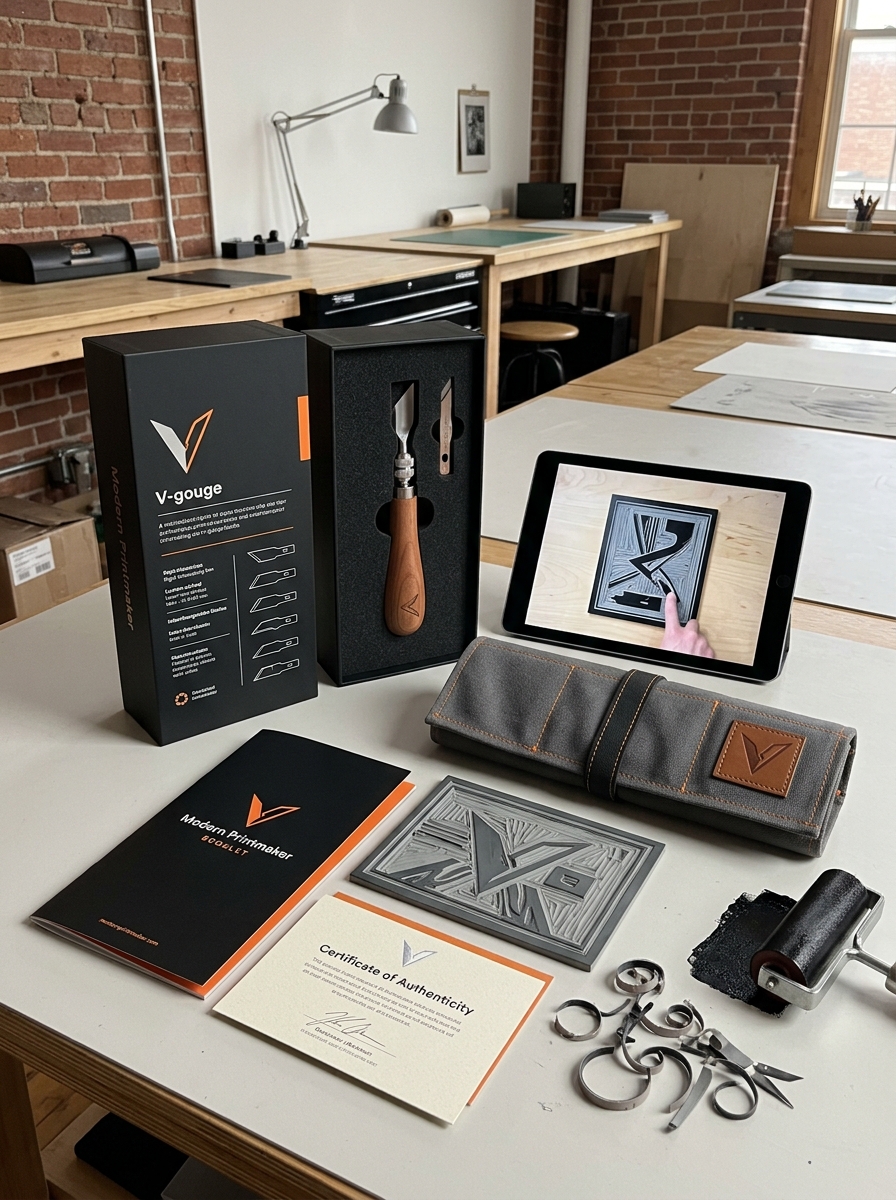
Elevating the user experience for printmaking enthusiasts begins with strategic linoleum cutting tool packaging design. Effective packaging must harmonize rigorous structural integrity with compelling aesthetic principles to protect delicate carbon steel blades while communicating professional craftsmanship. Designers should prioritize ergonomic layouts and sustainable materials that resonate with the artistic community's values.
By integrating clear visual hierarchies and transparent window elements, brands can effectively showcase the precision of their gouges and v-tools. This intersection of functional protection and sensory appeal ensures that the packaging not only secures the hardware but also acts as a silent ambassador for the artist's creative process. Mastering these essential concepts transforms a standard utility container into a vital component of the printmaker's toolkit, fostering brand loyalty through thoughtful, design-led solutions that emphasize both safety and artistry.
The Evolution of Linocut Tool Packaging History
The history of linoleum cutting tool packaging reflects broader shifts in manufacturing, retail trends, and artistic accessibility. In the early 20th century, professional-grade carving gouges were typically sold in rudimentary wooden crates or as loose inventory for specialized craftsmen. As linocut printing became a staple in art education, brands like Speedball and Essdee pioneered iconic cardboard boxes featuring vibrant, instructional lithography.
These vintage designs emphasized the functionality of interchangeable blade systems. By the late 1900s, mass production introduced plastic blister packs to enhance retail visibility and tool protection. Today, the industry is pivoting toward premium, sustainable materials. Modern high-end lino sets often feature eco-conscious paper sleeves or artisanal wooden cases, prioritizing environmental impact alongside aesthetics. This evolution illustrates how branding and consumer values have transformed the presentation of relief printing equipment over decades.
Defining the Target Audience for Printmaking Supplies
Identifying the core demographic for linoleum cutting tools is essential for selecting the right equipment. The target audience for these relief printing supplies typically falls into three categories:
- Beginners and Students: Novice printmakers and art students often seek affordable, entry-level sets with interchangeable blades and ergonomic handles to master basic carving techniques.
- Professional Artists: Experienced printmakers require high-carbon steel gouges and fixed-handle tools that offer superior precision, durability, and the ability to hold a sharp edge for intricate lino-block details.
- Educators and Hobbyists: Art teachers and DIY crafters prioritize safety and versatility, often looking for reliable tools for classroom settings, stationery design, or textile printing.
Understanding these segments ensures that whether for fine art or classroom exploration, the user selects a tool tailored to their skill level and project complexity.
Structural Integrity and Safety in Blade Storage
Maintaining the structural integrity of a linoleum cutting tool is vital for both carving precision and user protection. High-quality cutters typically feature ergonomic handles equipped with internal storage compartments. These cavities must be constructed from durable, impact-resistant polymers or metals to prevent sharp steel gouges from dulling or accidentally puncturing the handle casing.
A secure, threaded end cap is a critical safety feature, ensuring that interchangeable blades remain organized and safely enclosed when not in use. This design significantly reduces the risk of accidental lacerations during transport. Furthermore, a reinforced storage housing prevents the handle from cracking under the mechanical pressure of heavy-duty relief printing. By integrating robust storage solutions, these tools maintain optimal balance and longevity, ensuring artist safety throughout the entire block-printing process.
Sustainable Material Choices for Eco-Conscious Artists
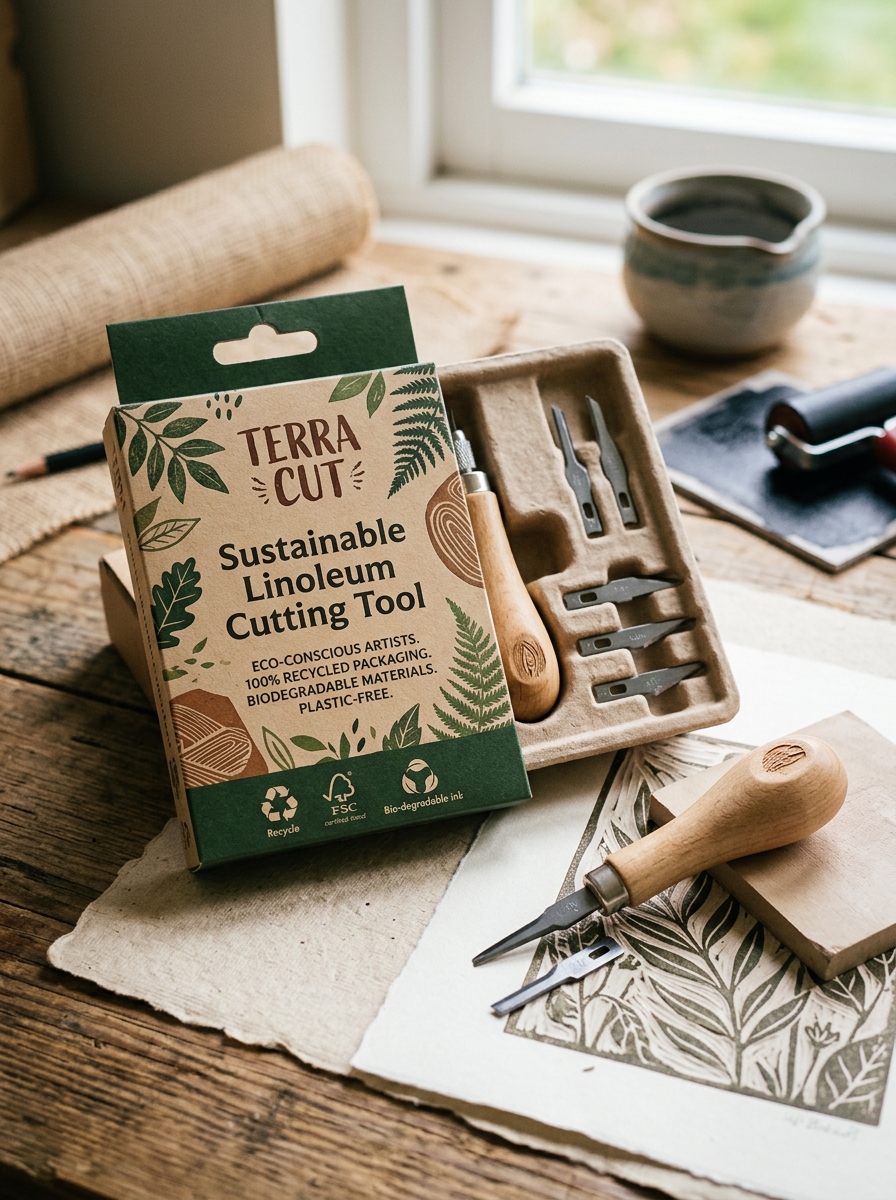
For environmentally aware printmakers, the linoleum cutting tool and the media it carves play a vital role in sustainable artistry. Authentic linoleum is an eco-friendly choice, composed of natural ingredients like linseed oil, cork dust, and wood flour, making it fully biodegradable.
When selecting carving tools, eco-conscious artists favor FSC-certified wood handles over plastic alternatives. High-quality carbon steel blades are another sustainable choice; their ability to be honed and resharpened reduces the need for disposable replacements. By investing in durable, long-lasting tools and natural linoleum blocks, you reduce landfill waste and support ethical manufacturing. Prioritizing these sustainable material choices ensures your relief printing process is as kind to the planet as it is rewarding to your creative spirit.
Visual Storytelling Through Relief Print Aesthetics
Mastering the linoleum cutting tool allows artists to bridge the gap between physical labor and narrative expression. Relief print aesthetics are defined by the dramatic interplay of light and shadow, achieved through the deliberate removal of material. By utilizing various gouge shapes-such as V-tools for precision or U-blades for sweeping textures-printmakers craft a unique visual language characterized by bold lines and organic depth.
This hand-carved approach to block printing creates a raw, tactile quality that enhances visual storytelling. Every incision made into the linoleum surface represents a permanent decision, resulting in high-contrast compositions that command attention. Whether producing fine art or graphic illustrations, the authentic aesthetic of relief printing provides a timeless medium for sharing complex stories through the rhythmic patterns of carved negative space.
Typography and Information Hierarchy for Precision Tools
In the context of linoleum cutting tools, typography and information hierarchy are essential for safety and artistic precision. Effective design ensures that blade sizes, such as small V-gouges or wide U-gouges, are instantly identifiable through high-contrast, legible numbering on the handles or packaging.
A well-structured hierarchy prioritizes functional data-like blade profile and width-over branding. Using clean, sans-serif fonts helps relief printers quickly distinguish between fine detailing nibs and heavy clearing tools, reducing the risk of carving errors.
Digitally, semantic HTML structures these specifications so that technical guides remain accessible. By organizing information from most critical (blade type) to secondary (maintenance tips), manufacturers ensure artists can find the right tool for their specific mark-making technique without hesitation, streamlining the creative workflow.
Color Theory in Professional Art Equipment Design
In the realm of linoleum cutting tools, color theory transcends aesthetics, serving vital functional roles in professional printmaking. Manufacturers utilize color-coded handles to provide immediate visual identification for various blade profiles, such as V-tools, U-gouges, and flat chisels. This semantic design choice minimizes workflow interruptions, allowing artists to select the precise gouge required without stopping to inspect the steel tip.
Furthermore, high-contrast colors-often vibrant yellows, reds, or blues-enhance visibility against dark gray or brown linoleum blocks, improving safety by clearly demarcating the tool's position. Professional-grade equipment often incorporates neutral ergonomic grips with strategic color accents to reduce eye fatigue during intensive carving sessions. By integrating psychological color cues and high-visibility schemes, designers optimize both efficiency and technical precision for the printmaker.
Tactile Finishes and the Sensory Experience of Unboxing
Unboxing a premium linoleum cutting tool is a multisensory journey that begins long before the first carving stroke. For printmakers, the tactile finish of the tool is a primary indicator of quality. Whether it is the smooth, organic grain of a contoured wooden handle or the secure, matte texture of a slip-resistant ergonomic grip, the physical sensation signals professional-grade control.
The sensory experience is further heightened by the balanced weight of the high-carbon steel blades and the sturdy click of interchangeable nibs. Thoughtfully designed packaging with protective inserts reinforces this premium feel, building anticipation for the relief printing process. By prioritizing these tactile details, manufacturers transform a functional lino cutter into an extension of the artist's hand, fostering an immediate creative connection the moment the box is opened.
Branding Consistency Across Modular Tool Kits
Maintaining a unified brand identity is essential for professional linoleum cutting tool manufacturers. When developing modular kits, consistency ensures that every interchangeable component-from ergonomic handles to various blade profiles-reflects the same quality and design language.
Key aspects of branding consistency in printmaking toolsets include:
- Visual Cohesion: Uniform color palettes and logo placement across all modular handles and storage cases.
- Ergonomic Standards: A consistent grip feel that artists rely on during intensive relief printing projects.
- Interchangeable Precision: Ensuring all linoleum nibs fit securely into handles across different kit tiers.
By prioritizing a cohesive brand experience, manufacturers build trust with artists who expand their lino carving collections over time, ensuring a seamless transition between different modular tool configurations.
Future Trends in Artistic Hardware Presentation
The evolution of linoleum cutting tools is increasingly defined by the intersection of ergonomic innovation and sustainable hardware presentation. Modern manufacturers are pivoting toward modular tool systems and precision engineering to enhance user control and versatility. A significant trend includes the shift to eco-friendly materials, utilizing recycled bioplastics and FSC-certified hardwoods to meet the demands of environmentally conscious artists.
Furthermore, digital integration is beginning to influence physical hardware. Future designs may incorporate haptic feedback sensors to assist beginners in maintaining consistent carving depth. Presentation is also becoming more functional, with minimalist, reusable packaging designed to serve as permanent studio organizers. These advancements ensure that relief printing hardware remains both a high-performance instrument and a sustainable choice for the next generation of printmakers.
Leave a comment