
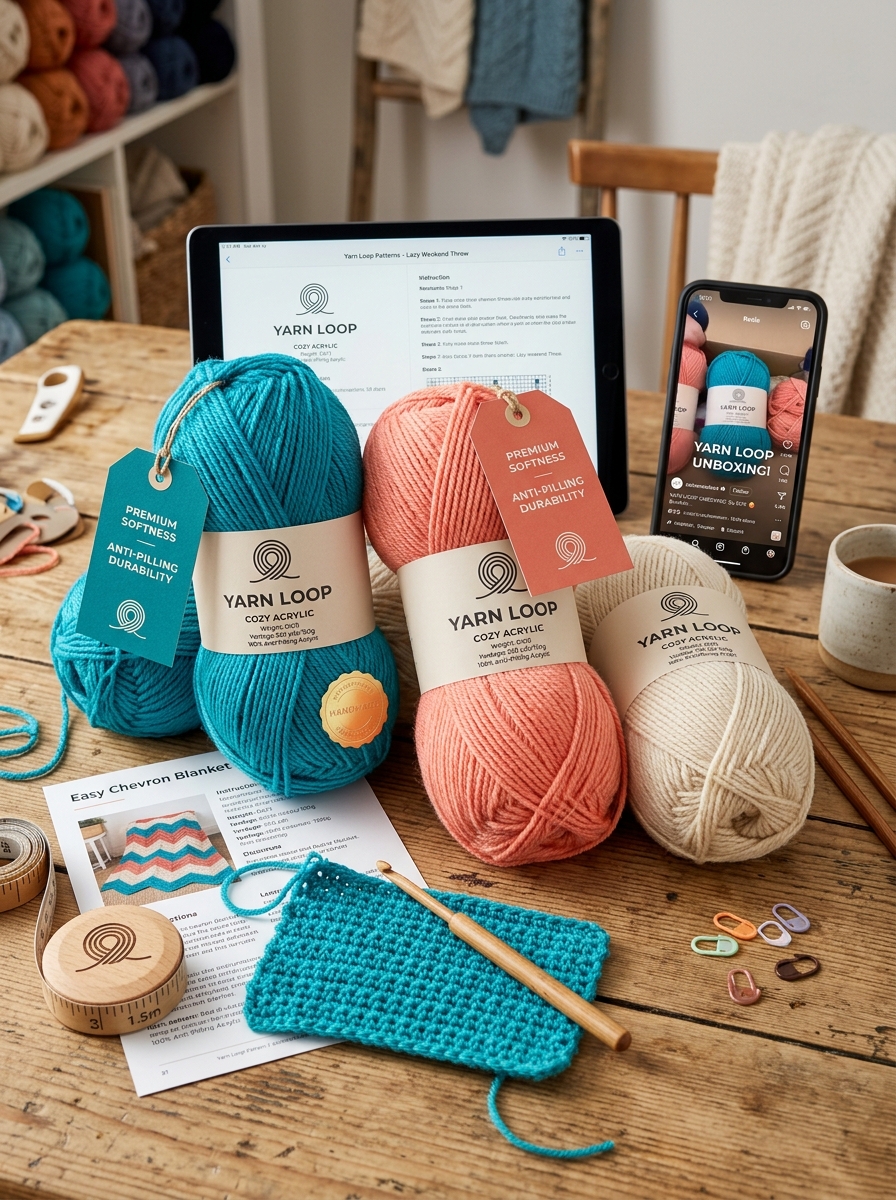
Acrylic yarn skein packaging serves as the critical touchpoint between a fiber brand and the modern crafter. Beyond mere containment, effective yarn label design functions as a powerful visual communicator, signaling quality and creative potential through deliberate aesthetic choices. To capture attention on crowded retail shelves, manufacturers must leverage color psychology and tactile finishes that resonate deeply with the fiber arts community.
Strategic branding involves a sophisticated harmony of typography, layout, and material selection. By prioritizing visual hierarchy and sensory engagement, designers can transform standard synthetic fibers into premium lifestyle assets. This exploration delves into the essential principles of packaging aesthetics-focusing on how transparency, sustainable materials, and bold graphics drive consumer loyalty and enhance brand impact within the global textile market.
The Strategic Role of Packaging in the Acrylic Yarn Market
In the competitive landscape of acrylic yarn skeins, packaging acts as a vital touchpoint for brand identity and consumer protection. High-quality labels serve a functional purpose by communicating essential specifications, including fiber weight, recommended gauge, and dye lot numbers, which are critical for maintaining color consistency in large-scale knitting or crochet projects.
Strategic packaging also safeguards synthetic fibers from environmental factors like moisture, dust, and mechanical friction during transit. Transparent sleeves or bands allow crafters to inspect the yarn's loft and color vibrancy without compromising the integrity of the skein. By blending informative content with durable materials, manufacturers enhance the perceived value of their products, ensuring the yarn remains pristine from the warehouse to the final stitch, ultimately driving customer loyalty and market share.
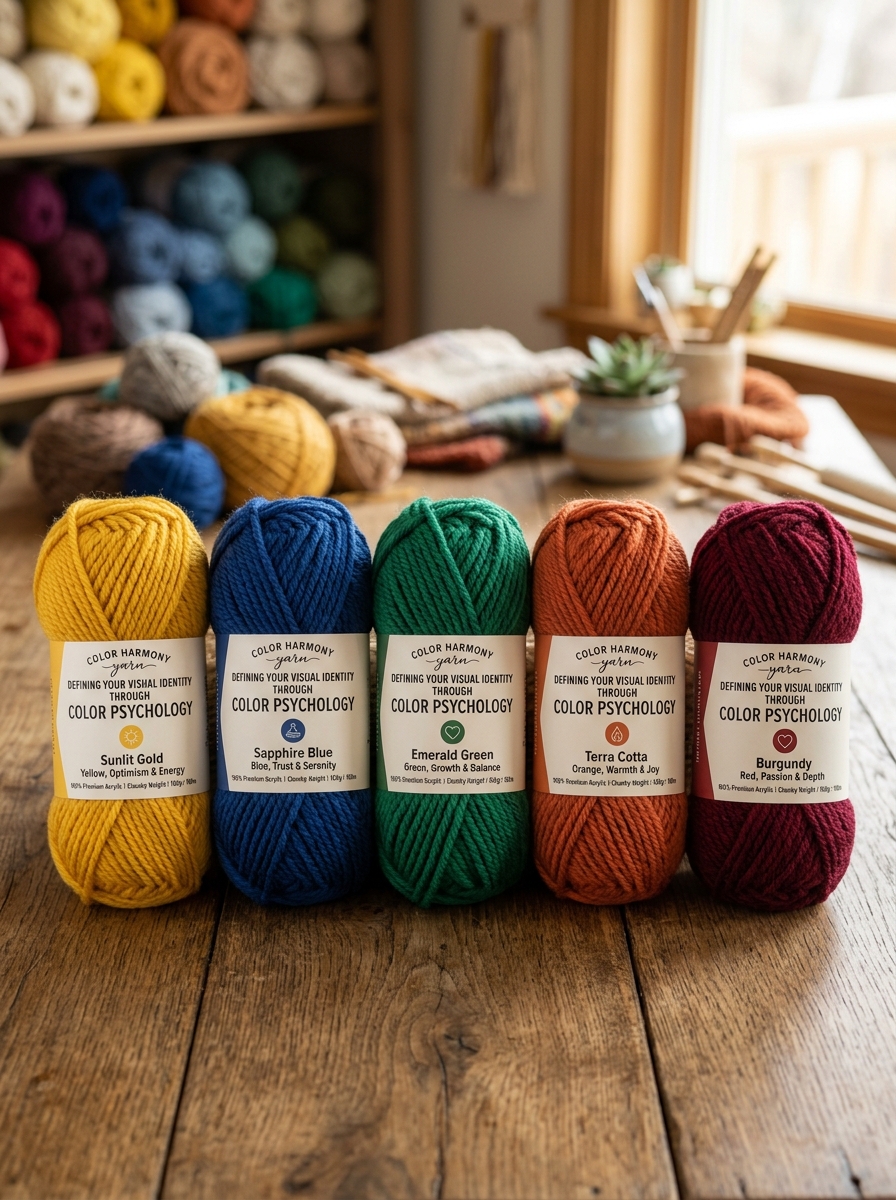
Defining Your Visual Identity Through Color Psychology
Selecting the perfect acrylic yarn skeins involves more than just picking a favorite shade; it is a strategic decision rooted in color psychology. For fiber artists and designers, color serves as a silent communicator that establishes a brand's emotional tone. Vibrant reds and warm oranges evoke energy and passion, making them ideal for bold, statement knitwear. Conversely, cool blues and earthy greens promote tranquility and reliability, perfect for home décor or heirloom blankets.
Because acrylic fibers are celebrated for their exceptional colorfastness and saturation, your chosen palette remains vivid and consistent over time. By understanding the psychological impact of different hues, you can curate a yarn collection that reflects a cohesive visual identity, ensuring your handmade projects resonate deeply with your intended audience.
Typography and Information Hierarchy for Technical Clarity
For acrylic yarn skeins, effective label design utilizes a strategic information hierarchy to ensure crafters can quickly access vital technical data. By employing distinct typographic weights and scales, manufacturers guide the eye through complex specifications.
- Primary Information: The yarn weight category (e.g., Worsted, DK) and brand name are typically boldest, facilitating immediate identification on crowded retail shelves.
- Secondary Data: Fiber composition (100% acrylic) and yardage/meterage are placed in medium-sized fonts to assist in project planning.
- Technical Specifics: High-precision details, such as dye lot numbers, recommended needle/hook sizes, and laundering symbols, utilize sans-serif fonts for maximum legibility at smaller sizes.
This structured approach to typography minimizes errors in gauge consistency and color matching, ensuring technical clarity for both novice and professional textile artists.
The Influence of Tactile Finishes on Consumer Perception
The tactile finish of acrylic yarn skeins is a critical factor in determining perceived quality and market value. Through advanced textile engineering, manufacturers can now alter the surface of synthetic fibers to mimic the hand-feel of premium natural materials like merino wool, silk, or cashmere.
When consumers interact with yarn, a "soft-touch" or "anti-pilling" finish immediately signals luxury and comfort, often mitigating stigmas regarding synthetic origins. These tactile enhancements, including low-friction coatings and brushed textures, directly influence the knitter's sensory experience and the finished garment's drape. By prioritizing superior fiber finishes, brands successfully shift consumer perception from "budget-friendly utility" to "high-performance craftsmanship," making treated acrylic a preferred choice for sensitive skin and long-lasting, wearable crochet and knitting projects.
Strategic Window Placement and the Power of Visibility
For retailers specializing in acrylic yarn skeins, strategic window placement is a vital merchandising tool. Positioning vibrant, multi-colored yarn at eye level leverages the power of visibility to capture the attention of passersby and hobbyists. Because acrylic fibers are known for their saturated hues and diverse textures, high-visibility zones allow these characteristics to shine.
Utilizing natural light through storefront windows helps customers appreciate the true color accuracy and sheen of the synthetic fibers, which is essential for project matching. By organizing displays by yarn weight or seasonal palettes in high-traffic window areas, shops can drive foot traffic and encourage impulse purchases. Ultimately, well-placed displays transform simple yarn inventory into an inviting visual narrative that inspires creativity and draws crafters into the store.
Creating Brand Cohesion with Custom Patterns and Illustrations
Establishing a signature identity for acrylic yarn skeins goes beyond color selection; it requires strategic visual storytelling. Utilizing custom patterns and unique illustrations on packaging helps your brand stand out in a competitive marketplace. By integrating bespoke graphics that reflect the yarn's specific ply and texture, you create a professional aesthetic that resonates with fiber artists.
Consistent illustrative themes across various product lines foster brand cohesion, making your collections instantly recognizable on retail shelves or digital storefronts. Furthermore, pairing high-quality acrylic yarn with exclusive, downloadable patterns enhances the customer experience, transforming a simple skein into a complete creative project. This holistic approach to branding not only elevates the perceived value of your products but also builds long-term loyalty within the crafting community through distinctive and memorable visual touchpoints.
Balancing Aesthetic Allure with Functional Label Design
In the competitive market of acrylic yarn skeins, label design must bridge the gap between visual inspiration and technical necessity. An effective label employs aesthetic allure-through vibrant branding and tactile finishes-to capture a crafter's attention while maintaining high functional clarity.
Strategic label design ensures that essential data is legible and organized. Key functional elements include:
- Yarn Weight: Standardized symbols (e.g., Worsted or DK).
- Dye Lot Numbers: Critical for maintaining color consistency.
- Fiber Specifications: Confirming 100% acrylic or blended content.
- Care Instructions: Laundry symbols for machine-washable synthetic fibers.
By harmonizing beautiful typography with structured technical specs, manufacturers help knitters and crocheters make informed purchasing decisions, ensuring project success through professional and transparent communication.
Sustainable Material Innovations in Modern Yarn Packaging
The global textile industry is increasingly prioritizing eco-friendly transitions, particularly in the presentation of acrylic yarn skeins. Innovative packaging solutions are replacing traditional single-use plastics with sustainable materials designed to reduce environmental impact. Modern labels now frequently utilize FSC-certified recycled paper and non-toxic soy-based inks, ensuring that every element of the product lifecycle is more circular.
Beyond simple paper bands, some manufacturers are introducing biodegradable cellulose wraps and minimalist packaging designs that eliminate excess waste. These shifts in production focus on lowering the carbon footprint of synthetic fibers while maintaining the yarn's structural integrity during transport. By choosing brands that invest in these green packaging innovations, crafters contribute to a more sustainable supply chain within the fiber arts community, balancing the versatility of acrylic with environmental responsibility.
Leveraging Minimalist and Maximalist Trends for Shelf Impact
Acrylic yarn skeins dominate retail spaces by strategically balancing two distinct design movements: minimalism and maximalism. To achieve shelf impact, brands utilize minimalist packaging featuring clean typography, matte bands, and solid neutral tones. This "quiet luxury" aesthetic appeals to contemporary crafters seeking sophisticated, timeless projects and organized workspaces.
In contrast, maximalist trends celebrate the vibrant versatility of synthetic fibers. High-contrast variegated colorways, neon palettes, and bold, textured labeling create a sensory explosion that demands attention. This "dopamine crafting" approach targets experimental artists and younger demographics. By diversifying inventory between sleek, uniform displays and eclectic, colorful clusters, retailers can effectively capture the entire market spectrum, ensuring their acrylic yarn selections resonate with both the disciplined minimalist and the expressive maximalist.
Turning First Impressions into Long Term Brand Loyalty
For manufacturers of acrylic yarn skeins, the initial tactile experience is the gateway to a customer's heart. When a crafter first handles a skein, they evaluate immediate softness, vibrant color saturation, and fiber integrity. To transform this spark into lasting brand loyalty, consistency is paramount.
Reliable dye lots and uniform yarn weights ensure that large-scale knitting or crochet projects maintain a professional finish. High-quality acrylic must offer excellent stitch definition and resistance to pilling, even after multiple machine washes. By providing durable, hypoallergenic, and budget-friendly synthetic fibers that perform reliably across various patterns, brands build a foundation of trust. When a maker knows your yarn will not split and maintains its shape over time, they transition from a one-time buyer to a lifelong brand advocate.
Leave a comment