
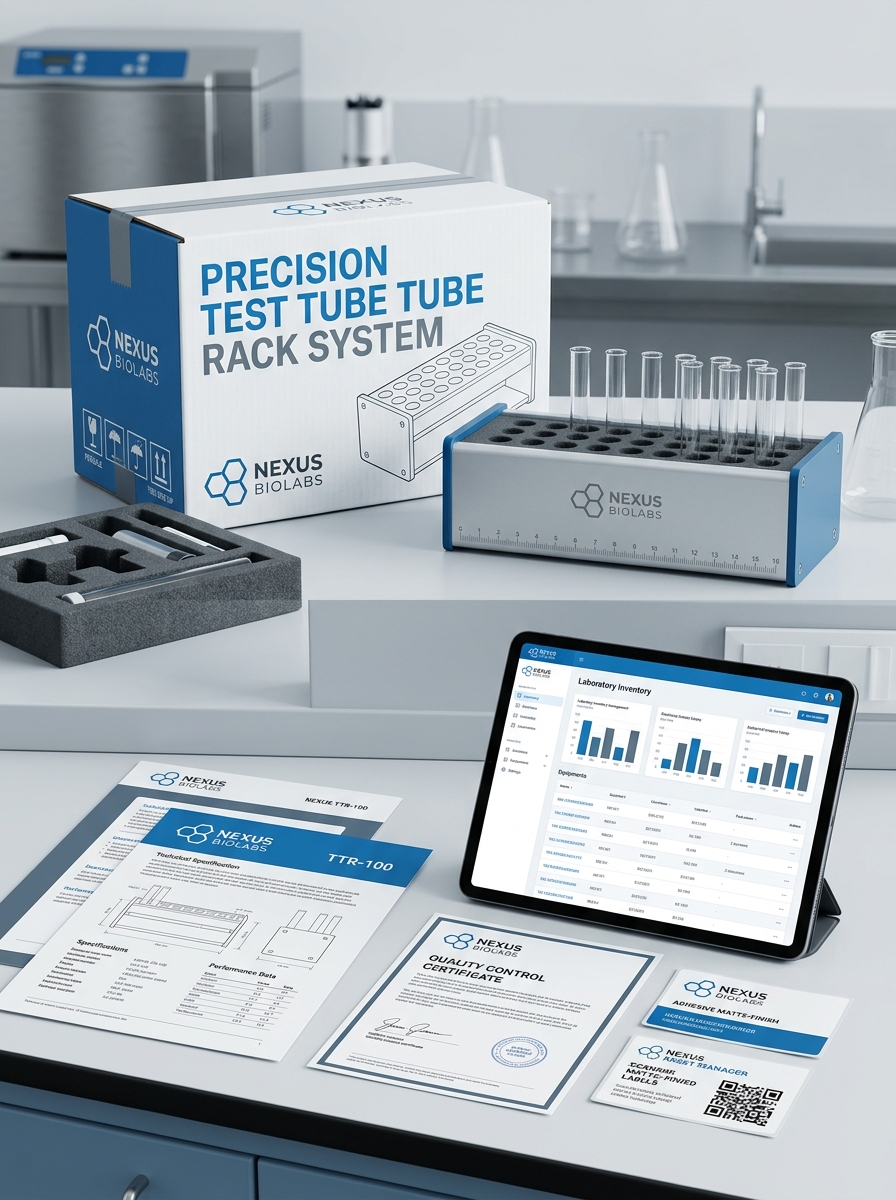
Effective laboratory equipment management begins long before a device reaches the bench. Optimizing test tube rack packaging requires a strategic balance between robust engineering and refined visual identity. By adhering to core design principles-such as structural integrity and spatial efficiency-manufacturers ensure that delicate laboratory components remain secure during transit while maintaining professional aesthetic standards.
This exploration focuses on how thoughtful material selection and ergonomic considerations elevate packaging from a functional necessity to an essential component of the scientific ecosystem. Integrating modern branding with functional durability allows manufacturers to meet rigorous safety protocols while enhancing the end-user experience through intuitive unboxing and organized storage solutions. By prioritizing both protection and presentation, organizations can set a new benchmark for quality in clinical and research environments.
Foundations of Specialized Laboratory Equipment Packaging
Specialized packaging for test tube racks is engineered to preserve structural integrity and prevent contamination during transport. Because these racks are manufactured from diverse materials-such as autoclavable polypropylene, stainless steel, or silicone-the packaging foundation must prioritize shock absorption and surface protection.
Key components include high-density corrugated cardboard and custom-molded foam inserts designed to mitigate stress fractures or warping. Additionally, moisture-resistant barriers and anti-static polybags are frequently employed to maintain hygiene standards for sterile clinical environments. By utilizing precise dimensions and durable cushioning, manufacturers ensure that these essential organizational tools are shielded from kinetic energy, ensuring they arrive ready for immediate use in high-precision laboratory workflows.
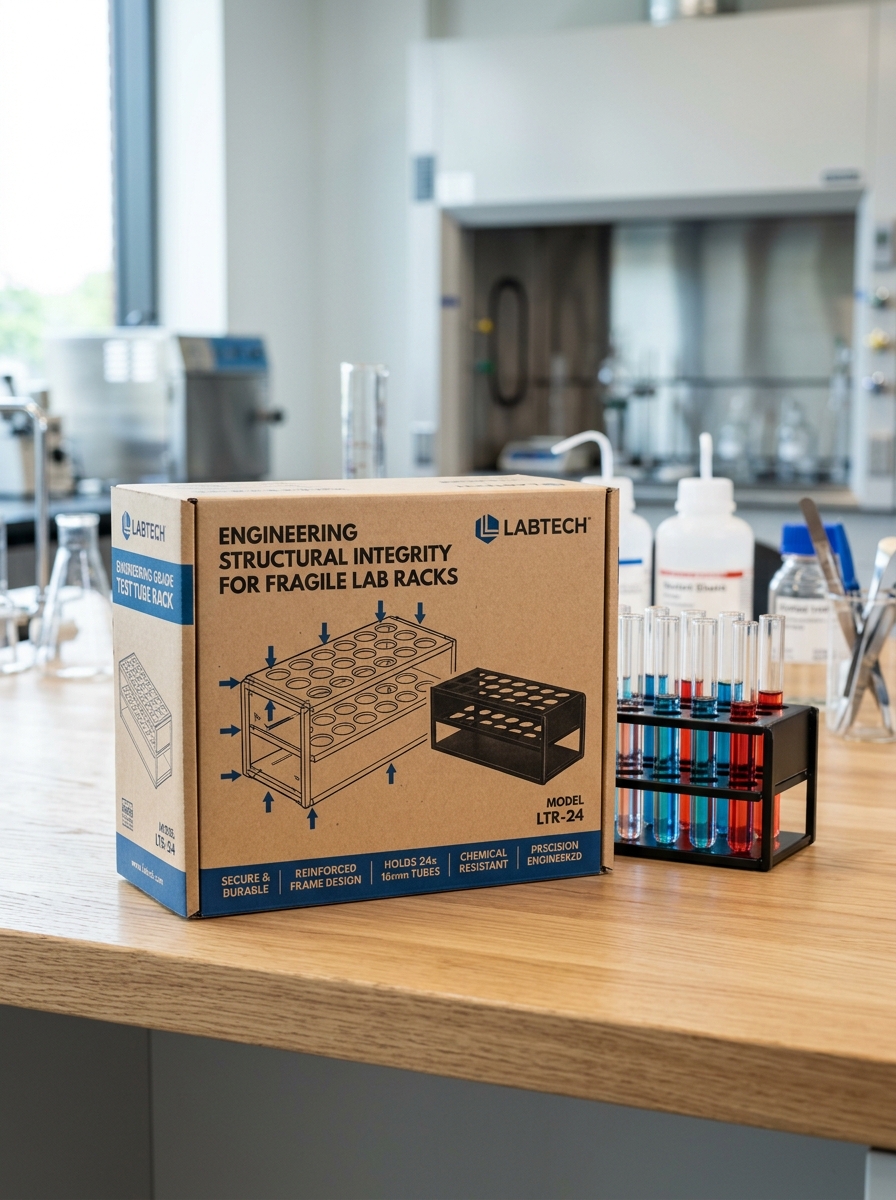
Engineering Structural Integrity for Fragile Lab Racks
The structural integrity of a test tube rack is paramount for maintaining laboratory safety and protecting delicate samples. Engineering these tools involves a strategic balance of material science and geometric design to support fragile glassware under rigorous experimental conditions.
High-performance racks utilize reinforced tiers and wide-base architectures to lower the center of gravity, significantly reducing the risk of accidental tipping. Materials such as autoclavable polypropylene, corrosion-resistant stainless steel, or heavy-duty acrylic are selected for their durability against chemical exposure and thermal stress.
Precision-molded apertures and interlocking components ensure uniform weight distribution across the frame. This focus on engineering prevents structural fatigue, minimizes mechanical stress on glass tubes, and ensures stability during heating or cooling, making high-quality racks indispensable for precise scientific workflows.
Material Selection and Environmental Sustainability Standards
Choosing the right material for a test tube rack is essential for laboratory durability and ecological responsibility. Modern racks are constructed from various materials, including polypropylene (PP) for chemical resistance, stainless steel for longevity, and sustainable wood or bio-based plastics to reduce carbon footprints.
To meet global environmental sustainability standards, manufacturers focus on several key criteria:
- Recyclability: Using high-grade, recyclable polymers to support circular economy initiatives.
- Durability: Prioritizing autoclavable materials that withstand repeated sterilization, reducing the need for single-use disposables.
- Regulatory Compliance: Adhering to ISO 14001 and RoHS standards to ensure products are free from hazardous substances.
By selecting BPA-free and non-toxic materials, laboratories ensure researcher safety while minimizing long-term environmental impact through sustainable procurement practices.
Spatial Efficiency and Geometric Optimization in Box Design
In laboratory settings, spatial efficiency is paramount for maximizing storage capacity within limited environments like incubators or cryo-freezers. Test tube rack box design leverages geometric optimization to achieve a high-density footprint without compromising sample accessibility.
By utilizing calculated grid patterns, such as staggered hexagonal or orthogonal square layouts, designers minimize the "dead space" between vessels. This optimization ensures that the maximum number of tubes fits within a standardized exterior dimension. Furthermore, the structural geometry of the dividers provides stability, preventing tube movement while maintaining thin-wall profiles to save space.
Strategic box design ultimately leads to improved volumetric utilization, allowing researchers to organize larger datasets in smaller physical areas, thereby reducing operational costs and improving laboratory workflow efficiency.
The Role of Industrial Aesthetics in Scientific Branding
In modern laboratory environments, the test tube rack serves as more than a functional utility; it is a vital component of a facility's professional identity. The integration of industrial aesthetics into labware design communicates core values of precision, reliability, and innovation. By utilizing high-quality materials like brushed stainless steel or high-density polymers, organizations reinforce their brand as leaders in scientific rigor.
Sleek, minimalist industrial designs optimize laboratory workflow while providing a visual narrative of efficiency. A well-constructed rack reflects a commitment to safety and organization, essential pillars of any reputable scientific brand. This intersection of form and function ensures that equipment is not only durable but also enhances the perceived authority of the research institution, making industrial design a powerful tool in global scientific branding strategies.
Ergonomic Unboxing and Professional User Experience
Our test tube racks are engineered to provide a seamless transition from delivery to daily laboratory operations. The ergonomic unboxing process ensures that components are securely protected yet easy to access, minimizing frustration and setup time. By utilizing frustration-free packaging, we prioritize efficiency for busy laboratory professionals.
Once deployed, the rack offers an intuitive user experience characterized by a stable footprint and precision-molded slots. The high-quality finish provides a tactile, non-slip grip, ensuring safety during high-throughput sample handling. Designed for optimal visibility and ease of access, these racks reduce physical strain and improve workflow accuracy. This commitment to professional-grade design transforms a standard lab utility into a sophisticated tool that enhances the precision and comfort of any scientific environment.
Protective Cushioning Technologies for Sensitive Instrumentation
Modern test tube racks incorporate advanced cushioning technologies designed to safeguard delicate glassware and sensitive laboratory samples. By utilizing high-grade silicone inserts and specialized foam padding, these racks provide critical vibration dampening and impact resistance.
Key features of integrated protective technologies include:
- Vibration Absorption: Minimizes mechanical stress during transport or agitation, protecting sample integrity.
- Flexible Gripping: Silicone "fingers" or spring-loaded stabilizers that secure various tube diameters, preventing rattling and breakage.
- Non-slip Bases: Rubberized foundations that enhance stability on laboratory benches and reduce the risk of accidental tipping.
These protective layers are typically chemical-resistant and autoclavable, ensuring that sensitive instrumentation remains secure and sterile. Implementing such cushioning solutions significantly reduces sample loss and extends the lifespan of expensive laboratory equipment.
Regulatory Compliance and International Safety Labeling
Test tube racks must meet stringent regulatory compliance standards to ensure laboratory safety and procedural integrity. Manufacturers often adhere to ISO standards, such as ISO 9001 for quality management, and ensure products carry the CE mark for European health and safety conformity.
International safety labeling provides critical information regarding material composition, such as polypropylene or stainless steel, ensuring chemical compatibility and autoclave validation. In clinical or diagnostic settings, compliance with FDA or ASTM International guidelines is essential for equipment durability and biohazard containment. Clear labeling on racks helps technicians identify temperature thresholds, weight limits, and recycling codes. By following these global benchmarks, laboratories minimize risks associated with chemical corrosion, cross-contamination, and mechanical failure, ensuring a standardized environment for scientific research and medical testing.
Customization Strategies for Diverse Rack Dimensions
Optimizing laboratory efficiency requires test tube racks tailored to specific vessel diameters and heights. Effective customization strategies include:
- Modular Grid Inserts: Utilizing interchangeable plates allows a single rack frame to accommodate various tube sizes, from 10mm microtubes to 30mm centrifuge tubes.
- Adjustable Tier Heights: Modifying the vertical clearance between plates ensures stability for elongated glassware, preventing accidental spills or breakage.
- Variable Well Spacing: Customizing the pitch between holes facilitates the use of wide-cap bottles or provides necessary clearance for automated liquid handling systems.
- Material Selection: Choosing specialized polymers or stainless steel ensures dimensional stability during autoclaving or cryogenic storage.
By implementing these tailored dimensions, laboratories maximize bench space and enhance ergonomic handling during complex diagnostic workflows.
Advancing Market Competitiveness Through Premium Packaging Design
In the specialized laboratory equipment industry, the test tube rack has evolved from a simple utility to a brand touchpoint. Premium packaging design is a critical factor in advancing market competitiveness by ensuring product integrity and professional presentation. High-quality, durable materials protect delicate rack structures from deformation during transit, reducing overhead costs associated with returns.
Furthermore, sophisticated packaging serves as a silent ambassador for brand reliability. By incorporating custom inserts, clear technical specifications, and sustainable materials, manufacturers meet the high standards of modern clinical and research facilities. This attention to detail enhances the perceived value of the laboratory equipment, fostering customer loyalty. Ultimately, strategic packaging transforms a functional commodity into a premium asset, allowing businesses to stand out in a saturated global market.
Leave a comment