
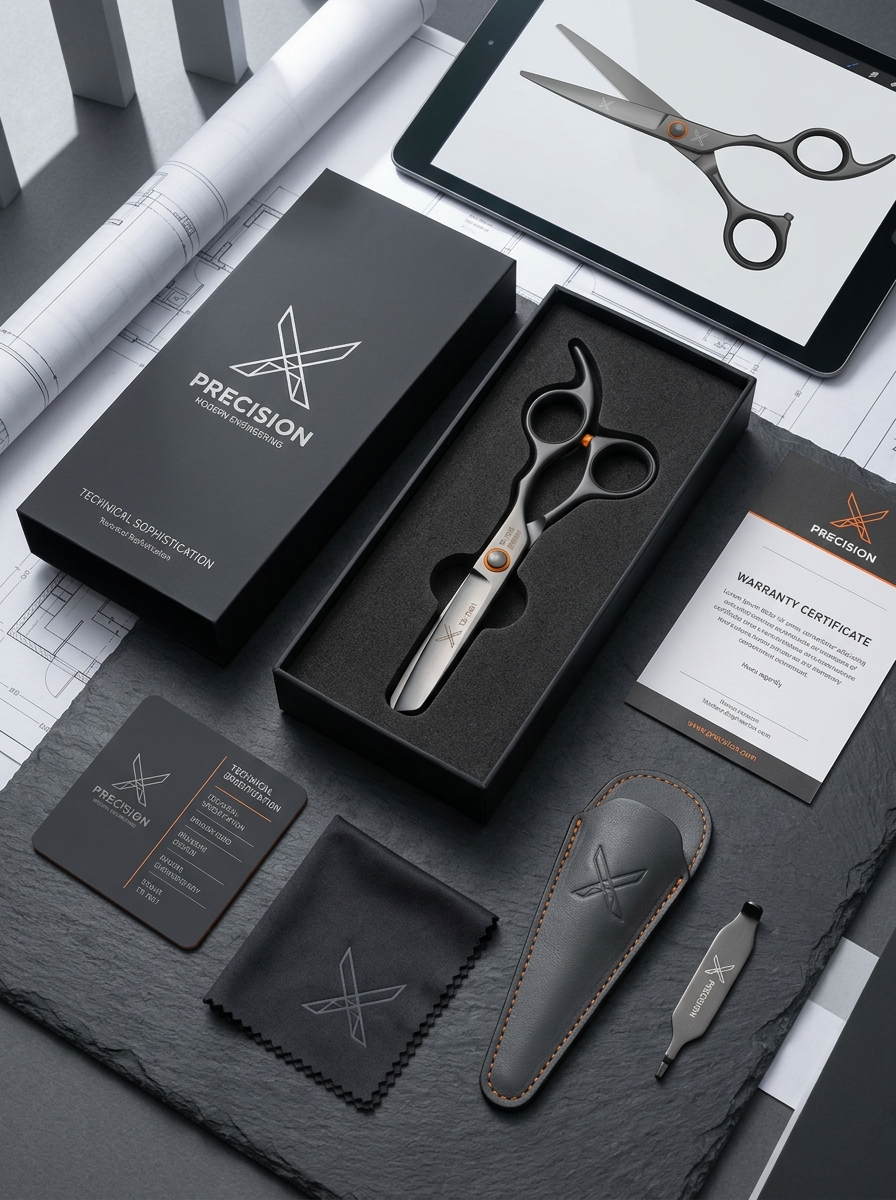
Effective scissors packaging design bridges the gap between utilitarian necessity and shelf-side appeal. Beyond simply housing a sharp tool, modern packaging serves as a critical touchpoint for brand identity and consumer safety. This exploration delves into essential aesthetic principles-such as minimalist typography and high-clarity transparent displays-alongside functional innovations like tamper-proof seals and sustainable structural integrity.
By integrating tactile ergonomics with visual storytelling, designers can elevate a standard household implement into a premium retail product. Understanding these core concepts ensures that the packaging not only protects the blades but also communicates precision and quality to the end-user. From industrial shears to delicate craft snips, achieving a harmony between form and function is the cornerstone of successful tool presentation and shelf impact.
The Importance of Scissor Packaging in Consumer Decision Making
Scissor packaging plays a pivotal role in influencing retail purchasing decisions. Effective packaging serves a dual purpose: ensuring user safety by securing sharp blades and highlighting key product features like ergonomic handles and blade durability. Since consumers often evaluate scissors based on tactile feedback, packaging that allows a "try-me" grip while maintaining security significantly increases buyer confidence.
Furthermore, clear labeling regarding specialized uses-such as fabric shears, craft snips, or heavy-duty kitchen scissors-helps shoppers quickly identify the right tool for their specific needs. Premium visual presentation and informative graphics communicate brand reliability and quality. By prioritizing both blade protection and informative design, manufacturers can effectively guide the consumer's journey from initial interest to final purchase at the point of sale.
Visual Composition and Aesthetic Harmony in Tool Presentation
The visual appeal of scissors lies at the intersection of industrial utility and geometric symmetry. Effective tool presentation leverages the pivot point as a central anchor, creating a balanced silhouette that highlights both sharp precision and ergonomic comfort.
Aesthetic harmony is achieved through the deliberate contrast between the linear, reflective surfaces of the stainless steel blades and the organic, contoured curves of the handles. In professional merchandising and photography, the use of negative space within the finger loops provides a rhythmic pause, allowing the viewer to appreciate the mechanical craftsmanship.
Whether displayed in an open or closed position, the structural alignment of scissors exemplifies functional minimalism. This design philosophy ensures the tool is as visually compelling as it is practical, emphasizing durability and precision through sophisticated visual composition.
Safety Engineering for Secure Blade Containment and Handling
Modern scissors incorporate advanced safety engineering to minimize injury risks and enhance precision. Blade containment is achieved through integrated locking mechanisms and protective sheaths that securely enclose sharp edges during storage.
To ensure secure handling, industrial designers utilize ergonomic handle contours and non-slip materials, providing maximum grip stability during high-pressure cutting. Furthermore, precision-engineered pivot bolts maintain optimal tension, preventing blade wobbling that can lead to accidental nicks.
Specialized models often feature blunted safety tips and spring-loaded systems to reduce hand fatigue while maintaining structural integrity. By prioritizing these mechanical safeguards, manufacturers ensure that cutting tools deliver high performance without compromising user safety in domestic, medical, or industrial environments.
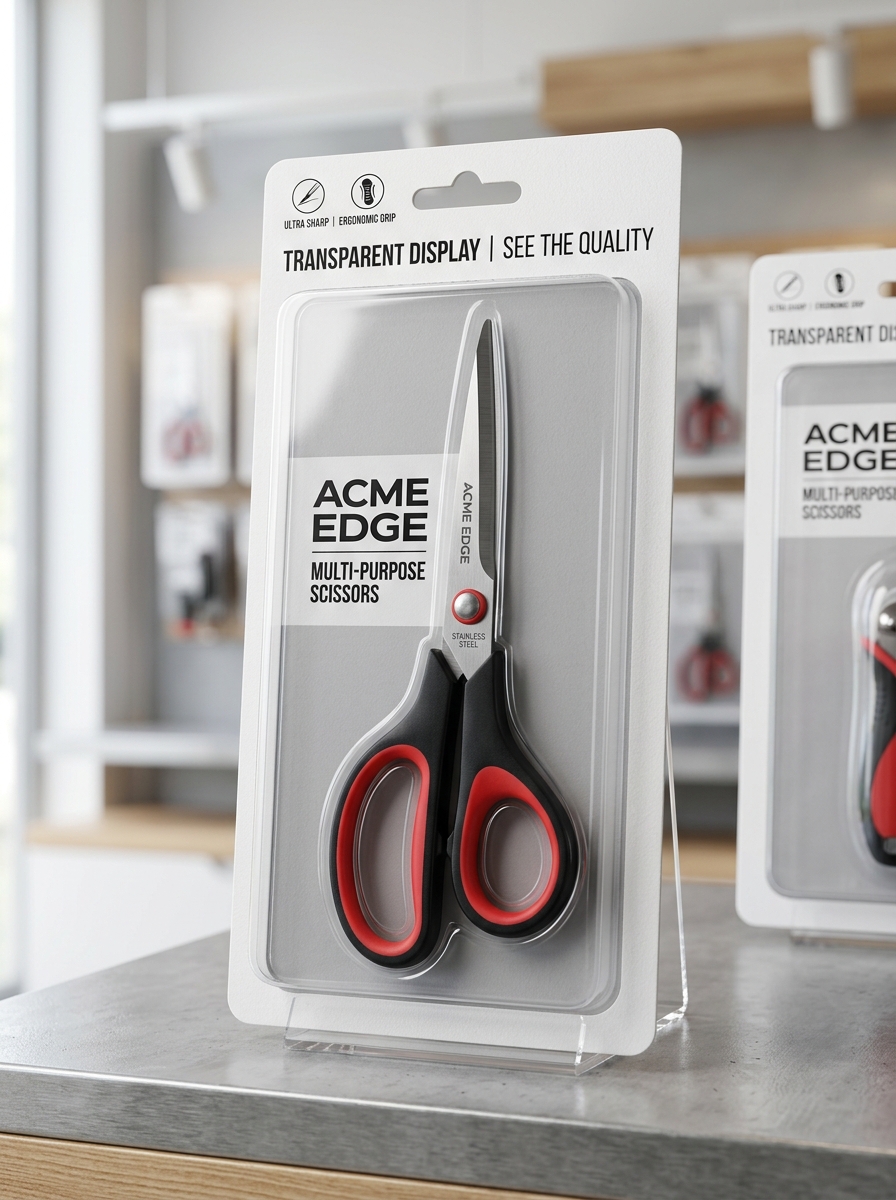
Optimizing Product Visibility with Transparent Display Elements
In the competitive cutlery market, scissors require strategic packaging to highlight their precision and craftsmanship. Utilizing transparent display elements, such as acetate windows or vacuum-sealed blister packs, allows consumers to inspect the stainless steel blades and handle ergonomics directly.
Enhanced visibility serves several semantic and functional purposes:
- Quality Assurance: Buyers can instantly verify the alignment, pivot tension, and finish of the cutting edges.
- Ergonomic Evaluation: Transparent panels showcase handle contours and grip materials, helping users gauge comfort and size.
- Safety and Protection: Clear casing protects the sharp edges from damage while keeping the tool visible on retail hooks.
By prioritizing visual clarity, brands reduce purchase friction and build consumer trust, ensuring that the structural integrity of the scissors remains the primary selling point.
Communicating Ergonomic Features Through Packaging Graphics
Effective scissor packaging leverages visual communication to highlight physical comfort and long-term usability. Since consumers often cannot test the grip before purchase, high-resolution graphics and strategic icons are essential. Manufacturers utilize detailed photography to showcase contoured handle shapes and soft-touch materials, such as rubberized overmolds.
Structural diagrams and "X-ray" views often illustrate internal spring mechanisms or finger loop alignment, emphasizing a natural hand position to reduce repetitive strain. Semantic callouts like "Cushioned Grip," "Ambidextrous Design," and "Reduced Fatigue" serve as vital visual cues. Furthermore, life-size hand-to-handle scale illustrations help users identify the correct fit for their hand size. By translating tactile sensations into clear visual data, packaging graphics ensure that the ergonomic benefits of precision cutting tools are immediately apparent at the point of sale.
Sustainable Substrates and Eco-Friendly Structural Solutions
Modern scissor manufacturing is shifting toward environmental sustainability by integrating eco-friendly substrates and circular design principles. Traditional plastic handles are increasingly replaced with recycled polymers, ocean-bound plastics, or bio-based composites like bamboo fiber and wood-cellulose resins. These sustainable substrates significantly reduce the carbon footprint of production.
Beyond materials, innovative structural solutions prioritize longevity and waste reduction. High-quality recycled stainless steel provides a durable foundation, while modular designs allow for individual blade sharpening or component replacement, extending the product's lifecycle. By utilizing plastic-free, FSC-certified packaging and energy-efficient forging processes, manufacturers ensure that every pair of scissors meets rigorous ecological standards without compromising precision or ergonomics. Embracing these green innovations helps mitigate the environmental impact of everyday cutting tools.
Minimalist Design Principles for Professional and Craft Scissors
In the realm of high-performance cutting tools, minimalist design focuses on the essential philosophy of "form follows function." For professional stylists and dedicated crafters, this means stripping away unnecessary ornamentation to prioritize ergonomic efficiency and precision cutting.
Key minimalist principles include:
- Streamlined Geometry: Simplified handle shapes and clean lines reduce overall weight and improve balance.
- Material Purity: Utilizing high-grade stainless steel or carbon alloys ensures longevity without excessive bulk.
- Functional Ergonomics: Pivot points and finger bows are engineered to minimize hand fatigue during repetitive tasks.
By emphasizing a clean aesthetic and industrial-grade performance, minimalist scissors deliver superior accuracy. This design approach ensures that every component serves a specific purpose, providing a seamless user experience for both intricate craft projects and professional-grade tailoring or hair styling.
Functional Considerations for Retail Hanging and Shelf Stability
Optimizing scissor packaging for retail environments requires a balance between visibility and structural integrity. For retail hanging, durable blister packs or carded sleeves must feature standardized hang holes, such as Euro slots, reinforced to support the tool's weight. Precise placement of these slots ensures the scissors hang vertically without tilting, maintaining a professional and organized display.
Regarding shelf stability, packaging design must account for the scissor's uneven weight distribution. Products intended for shelf placement often utilize a flat-bottomed base or "try-me" boxes with a low center of gravity to prevent tipping. Sturdy cardboard gauges and secure internal housing protect the sharp blades while ensuring the units remain upright and stackable. These functional elements maximize floor space efficiency and enhance the consumer's browsing experience.
Typography and Informational Hierarchy for Technical Specifications
Effective documentation for scissors relies on a structured informational hierarchy to ensure user safety and tool precision. By utilizing distinct typographic treatments, manufacturers prioritize critical data such as blade composition (e.g., 440C Stainless Steel) and Rockwell hardness ratings.
- Primary Headers: Categorize specifications like "Materials" or "Mechanical Dimensions."
- Bold Weight Labels: Highlight specific attributes such as Cutting Capacity or Pivot Tension for rapid scanning.
- Tabular Data: Organizes complex measurements to prevent numerical misinterpretation by professional users.
A logical layout-positioning safety warnings prominently above mechanical specs-reduces cognitive load. Using semantic HTML ensures that screen readers correctly interpret the relationship between specific shear types and their technical requirements, enhancing accessibility for all users.
Innovative Finishing Techniques for Premium Brand Positioning
To achieve premium brand positioning in the professional cutlery market, manufacturers employ advanced finishing techniques that enhance both aesthetics and performance. High-end scissors often feature Physical Vapor Deposition (PVD) coatings, providing superior hardness and vibrant, fade-resistant colors like rose gold or obsidian.
Beyond visual appeal, techniques such as mirror polishing and cryogenic tempering refine the steel's structural integrity, ensuring long-lasting sharpness and a friction-free cutting experience. Furthermore, specialized treatments like sandblasting create sophisticated matte textures that improve grip and resist fingerprints. By integrating these innovative finishes, brands signal superior craftsmanship and durability. These premium touches transform professional shears into high-performance luxury assets, justifying higher price points and fostering brand loyalty among hairstylists, tailors, and culinary experts.
Leave a comment