
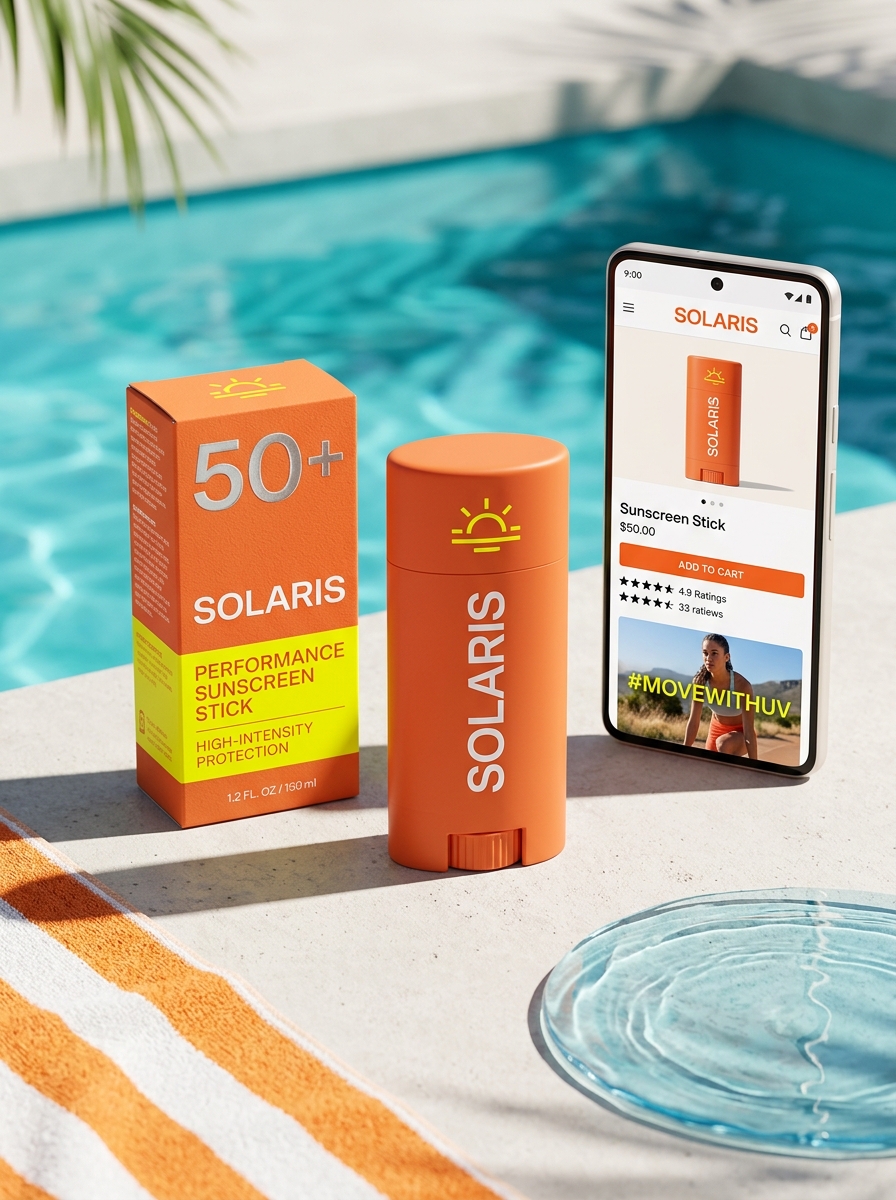
Sunscreen sticks have transformed sun protection into a mess-free, highly portable experience for modern consumers. As the demand for on-the-go skincare solutions rises, the packaging of these solid formulations serves as a vital touchpoint for brand identity and user satisfaction. Successful stick design requires a precise balance between technical reliability-such as smooth twist mechanisms and airtight seals-and a visual aesthetic that communicates both efficacy and luxury.
By prioritizing ergonomic shapes and sustainable material choices, manufacturers can meet evolving environmental standards while enhancing the tactile experience. This exploration into sunscreen stick packaging delves into the core design principles and aesthetic best practices that ensure product integrity, optimize shelf presence, and foster long-term consumer trust in the rapidly evolving sun care sector.
The Evolution of Sunscreen Stick Packaging
The journey of sunscreen stick packaging reflects a significant shift from simple utility to high-tech, sustainable design. Originally inspired by traditional deodorant containers, early versions focused on basic twist-up mechanisms for hands-free application. However, modern consumer demand for travel-friendly skincare and eco-conscious solutions has driven rapid innovation.
Today's packaging incorporates biodegradable materials, such as FSC-certified cardboard, and innovative refillable systems to minimize plastic waste. Ergonomic shapes have been refined to ensure seamless coverage on facial contours. This evolution prioritizes both formula integrity and environmental impact, proving that effective sun protection can coexist with sustainable packaging trends. As the industry advances, the focus remains on enhancing portability while reducing the ecological footprint of daily SPF routines.
Ergonomic Design for Seamless On-the-Go Application
Experience effortless sun protection with our sunscreen stick, featuring an ergonomic design specifically engineered for active lifestyles. Its uniquely contoured shape fits comfortably in the palm of your hand, allowing for maximum precision and control during application to sensitive areas like the face, nose, and ears.
The mess-free, twist-up mechanism ensures a smooth glide over the skin without the need for manual spreading, keeping your hands clean and non-greasy. Compact and travel-friendly, this portable sun shield is the perfect companion for outdoor sports, beach trips, or daily commutes. Enjoy seamless, targeted UV defense that fits perfectly into your pocket or bag, making reapplying your SPF easier and more convenient than ever before.
Material Selection for Formula Integrity and UV Protection
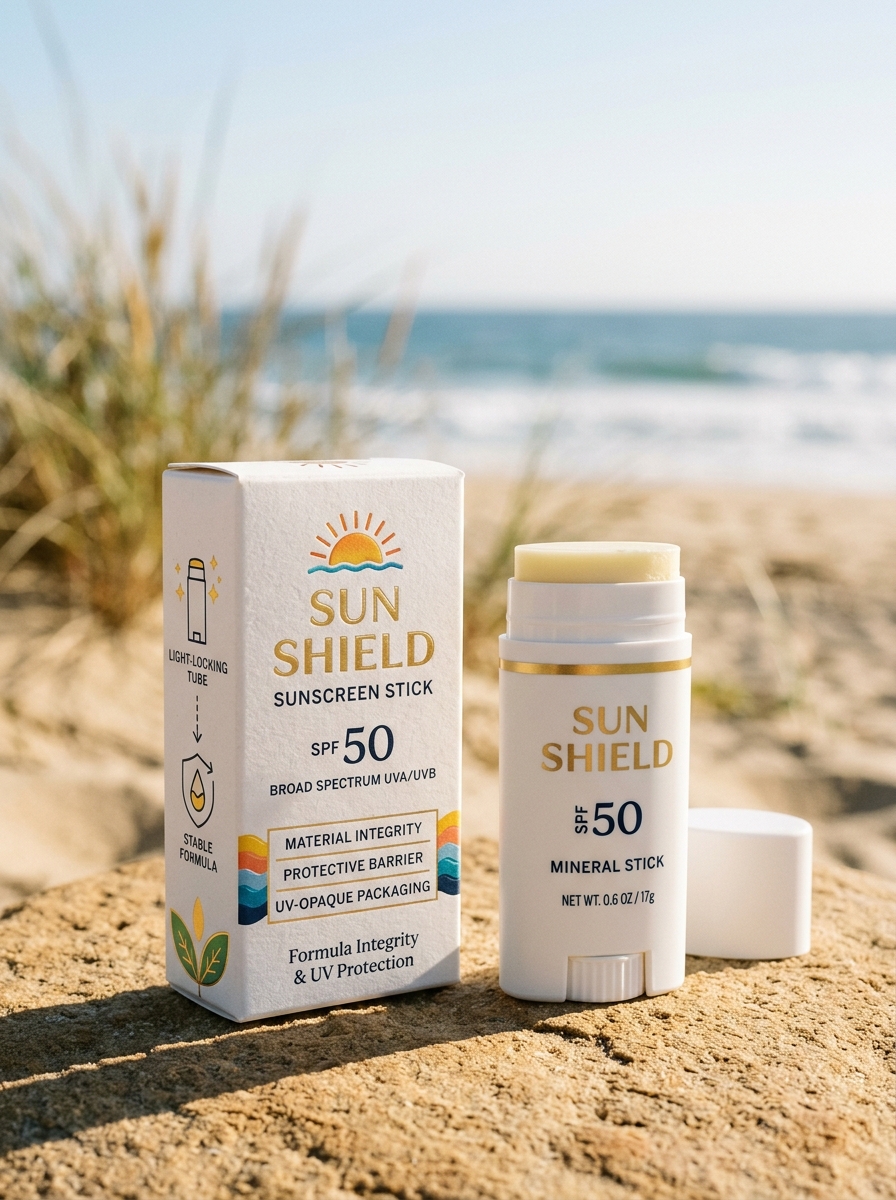
Selecting high-quality materials for sunscreen stick packaging is essential for maintaining both formula integrity and long-term UV protection. Because sunscreen formulas often contain lipid-soluble filters and waxes, manufacturers prioritize chemically resistant materials like Polypropylene (PP) and PETG to prevent container degradation or chemical leaching.
To ensure the efficacy of active SPF ingredients, the packaging must offer robust barriers against environmental factors:
- Photo-Stability: Opaque or UV-inhibitor-infused plastics protect light-sensitive active ingredients from breaking down.
- Thermal Resistance: High-density resins prevent the stick from melting or warping in high-temperature environments.
- Oxidation Control: Precision-engineered airtight seals minimize air exposure, preventing the formula from drying out or losing potency.
Choosing the right resins ensures the product remains stable, portable, and effective from the first application to the last.
Sustainable and Eco-Friendly Sunscreen Container Solutions
As environmental awareness grows, the sunscreen stick industry is transitioning toward sustainable packaging to reduce plastic waste. Traditional single-use plastic applicators are being replaced by eco-friendly alternatives like biodegradable paperboard tubes and Post-Consumer Recycled (PCR) plastics.
Innovative refillable sunscreen stick systems promote a circular economy by allowing users to keep the outer dispenser while replacing only the product core. These green container solutions minimize the carbon footprint and prevent microplastics from entering marine ecosystems.
By integrating compostable materials and plastic-free designs, brands can offer high-performance UV protection that aligns with "blue beauty" standards. Choosing recyclable sunscreen containers ensures that convenient, mess-free sun care remains responsible and environmentally conscious.
Precision Engineering of Twist-Up and Push-Up Mechanisms
The functionality of a sunscreen stick depends on sophisticated dispensing engineering. The twist-up mechanism utilizes a precision-threaded internal screw and spindle assembly. As the base rotates, the platform advances the solid formula upward with millimetric accuracy, ensuring a controlled dosage and structural stability during application.
In contrast, push-up mechanisms are often engineered for eco-friendly, plastic-free packaging. These rely on a friction-fit disc that provides enough resistance to stay in place while being manually advanced. Both designs require tight manufacturing tolerances to ensure airtight seals, which protect the active UV filters from oxidation. High-quality injection molding ensures the stick glides smoothly without catching, providing a seamless user experience and maintaining the integrity of the SPF formula from the first use to the last.
Visual Identity and Color Psychology in Sun Care Branding
The visual identity of a sunscreen stick is strategically designed to evoke immediate trust and recognition. Color psychology plays a vital role in consumer perception; brands frequently utilize yellow to represent the sun's energy, blue to signal hydration and water resistance, and white to suggest clinical purity and dermatological safety.
Beyond color, the sleek, ergonomic form factor of the stick reinforces a brand's commitment to convenience and modern lifestyle integration. Bold, high-contrast typography ensures that SPF ratings are legible even in bright outdoor settings. By combining these sensory cues, manufacturers create a cohesive identity that promises effective UV protection and a premium user experience. This strategic alignment of aesthetics and functionality helps products stand out in a competitive market while reassuring users of the formula's reliability.
Optimizing Information Hierarchy on Compact Surfaces
Sunscreen sticks present a unique design challenge: conveying critical safety data on a limited, cylindrical surface. To ensure consumer clarity, an optimized information hierarchy is essential.
Effective packaging utilizes a tiered approach to prioritize content:
- Primary Recognition: The SPF rating and broad-spectrum claims must occupy the highest visual weight for immediate identification.
- Regulatory Compliance: Use condensed, sans-serif typography for "Drug Facts" to maintain legibility within the small footprint.
- Digital Integration: Incorporate QR codes or "peel-to-reveal" labels to provide detailed ingredient lists and reapplication instructions without cluttering the primary display.
By balancing white space with bold typographic anchors, manufacturers guide the user's eye toward essential safety information, ensuring the product is both functional and compliant.
Portability and Leak-Proof Structural Design
The sunscreen stick is engineered for maximum convenience and reliability. Unlike traditional liquid lotions, its solid formulation is housed in a robust, leak-proof structural casing that prevents messy spills in bags or pockets. This compact design makes it an ideal travel companion, easily meeting TSA carry-on requirements for hassle-free air travel.
The secure twist-up mechanism and airtight cap ensure the product remains stable, even when subjected to pressure or temperature changes. This portable sun protection solution allows for precise, mess-free application on the go. Whether you are hiking, traveling, or commuting, the durable exterior shell protects the formula, providing a reliable barrier against UV rays without the risk of leakage or container breakage.
Modern Aesthetic Trends in Sunscreen Stick Graphics
Contemporary sunscreen stick graphics have evolved from clinical designs into high-fashion lifestyle accessories. Current trends prioritize a "shelfie-worthy" aesthetic, blending functional clarity with artistic expression. Minimalist layouts featuring bold, sans-serif typography allow SPF ratings and key ingredients to stand out, catering to the ingredient-conscious consumer.
Visual palettes are shifting toward two distinct directions:
- Soft Pastels: Muted corals, sage greens, and buttery yellows that evoke a sense of calm and daily skincare integration.
- Vibrant Gradients: High-energy color transitions that represent the sun's warmth and the glow-enhancing properties of the formula.
Furthermore, many brands now incorporate tactile elements and matte finishes into their graphic application. This modern approach transforms the portable sunscreen stick into a sophisticated tool that bridges the gap between professional sun protection and modern beauty standards.
Future Innovations in Refillable and Circular Packaging Systems
The sunscreen stick industry is rapidly evolving toward a circular economy to mitigate plastic waste. Future innovations are centered on refillable sunscreen stick architectures, featuring durable, high-quality outer shells made from medical-grade silicone or anodized aluminum. These reusable cases house replaceable SPF cartridges, significantly reducing single-use plastic consumption.
Beyond refills, sustainable packaging breakthroughs include mono-material designs that simplify the recycling process by eliminating complex multi-material disassembly. Brands are also exploring bio-based polymers and water-soluble resins for inner mechanisms. By prioritizing modularity and material recovery, the next generation of sun care products ensures high-performance UV protection with a minimal environmental footprint, aligning consumer convenience with ecological responsibility.
Leave a comment