
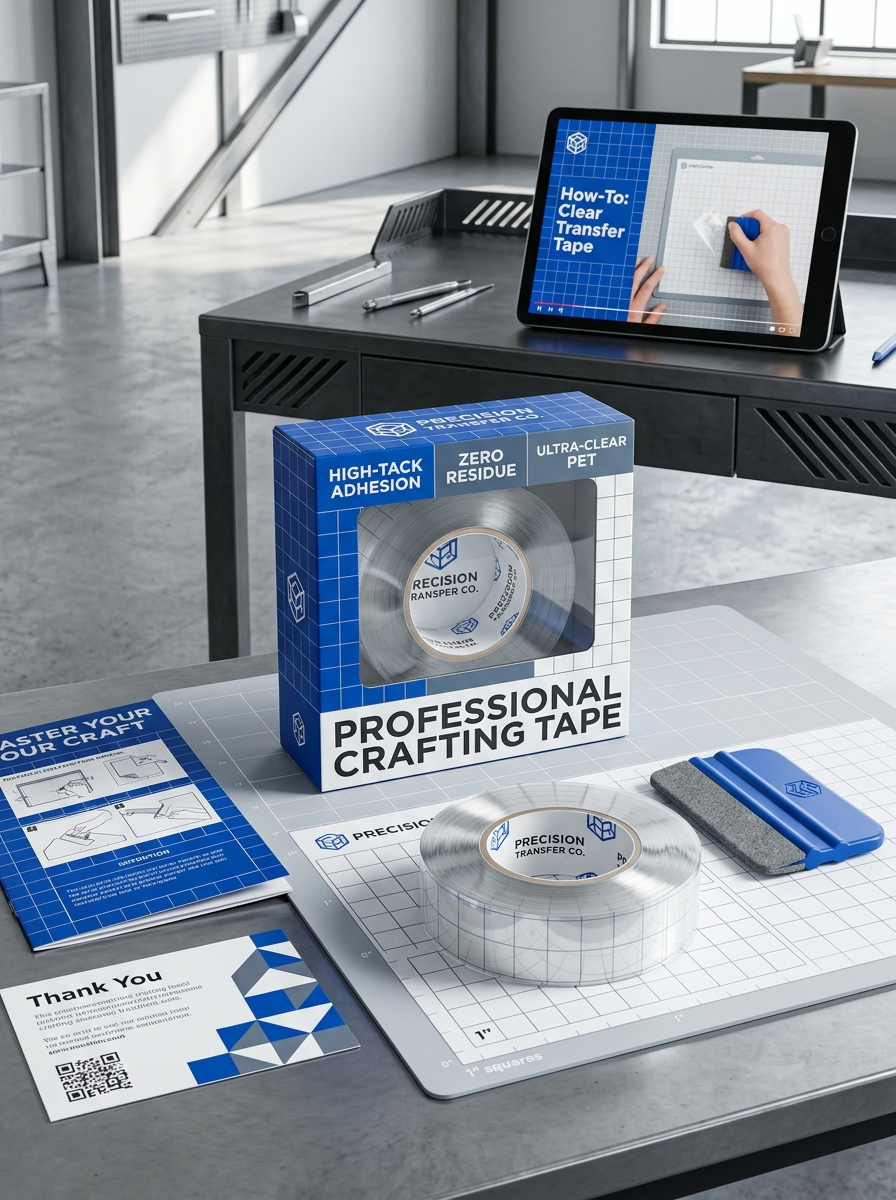
Mastering the visual presentation of vinyl transfer tape requires a delicate balance between functional utility and shelf appeal. As the primary touchpoint for both hobbyist crafters and professional sign makers, packaging serves as a critical indicator of product quality and reliability.
Effective design concepts prioritize clarity and brand cohesion, utilizing minimalist typography and strategic transparency to showcase the tape's texture and grid patterns. By integrating vibrant color palettes with durable structural materials, manufacturers can enhance the user's unboxing experience while establishing a strong market presence.
This exploration delves into the essential aesthetic principles-ranging from geometric balance to information hierarchy-that transform standard utility packaging into a compelling brand asset. Understanding these elements is vital for any label aiming to resonate within the modern DIY and graphics industry.
Defining Visual Identity in Vinyl Transfer Tape Packaging
Establishing a strong visual identity in vinyl transfer tape packaging is essential for brand recognition and consumer trust. Because transfer tapes serve various technical needs-ranging from high-tack for glitter vinyl to low-tack for delicate surfaces-the packaging must communicate these specifications through intuitive design.
Effective visual identity utilizes consistent color-coding, clear typography, and semantic icons to denote adhesive strength and roll dimensions. Incorporating transparent windows allows users to inspect the tape's clarity and grid patterns, which are vital for precision alignment. By aligning aesthetic elements with functional product data, manufacturers help DIY crafters and professional sign makers quickly identify the right tool for their application. Ultimately, a cohesive packaging strategy differentiates a brand in the competitive adhesive market while enhancing the overall user experience.
Transparency as a Functional Design Element
In the world of sign-making and DIY crafts, transparency in vinyl transfer tape is a vital functional asset. High-clarity film serves as a visual guide, allowing for precise registration and alignment of decals onto various substrates.
By providing an unobstructed view of the vinyl graphic, transparent tape enables users to spot potential air bubbles or misalignments before final adhesion. This is especially crucial for multi-layered designs, where exact positioning is required to maintain the integrity of the artwork.
Ultimately, a clear design reduces material waste and speeds up the application process. Whether you are working with intricate lettering or large-scale window graphics, the transparency of the transfer media ensures a professional, error-free finish by turning the tape into a high-accuracy navigational tool.
Strategic Color Selection for Brand Differentiation
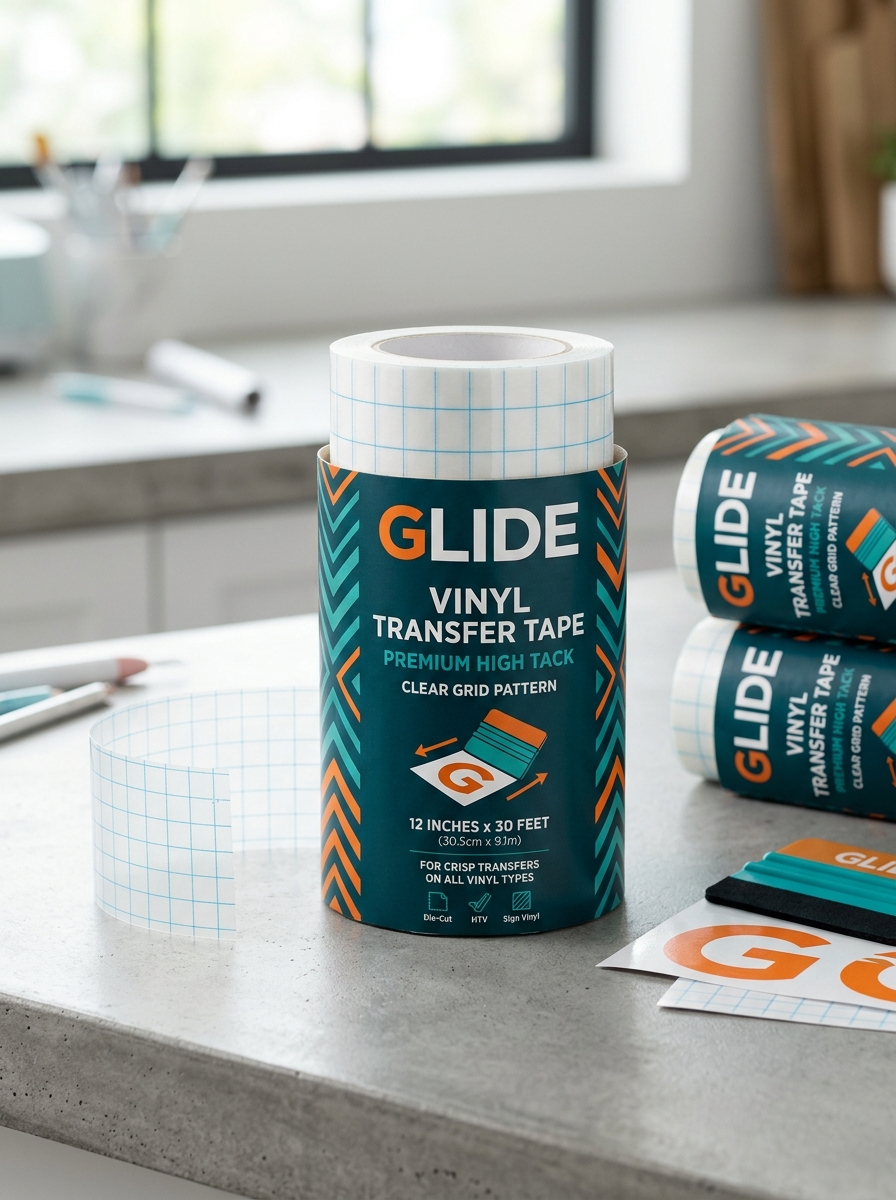
Choosing the right vinyl transfer tape is more than a functional necessity; it is a strategic branding opportunity. While transparent tape allows for precise alignment during complex multi-color layering, utilizing tinted or grid-lined tapes can distinguish a professional's signature toolkit and workflow.
Strategic color selection-ranging from high-clarity clear films to traditional opaque paper-communicates a commitment to precision and quality. For signage businesses, consistent tape styles reinforce brand identity throughout the fabrication process. Whether opting for high-tack blue films or classic clear finishes, the choice of transfer media impacts the end-user's perception. By aligning tape aesthetics with brand values, professionals ensure a seamless transition from design to final application, significantly enhancing the perceived value of the finished vinyl product and ensuring a professional customer experience.
Typography and Legibility for Application Instructions
Optimizing typography in vinyl transfer tape instructions is crucial for ensuring precise decal application. To enhance legibility, designers should prioritize clean, sans-serif fonts which remain readable even when viewed from a distance or under bright workshop lighting. High color contrast, such as black text on a white or high-visibility background, prevents visual fatigue during intricate layering tasks.
Effective instruction formatting includes:
- Font Size: Maintain a minimum of 10 points for standard accessibility.
- Hierarchy: Use bold headings for critical steps like "Squeegee Pressure" or "Peel Angle."
- Spacing: Increase leading (line spacing) to prevent text crowding and improve scanning.
By focusing on typographic clarity, manufacturers help users avoid common errors, such as premature lifting or air bubbles, ensuring a professional finish for every vinyl project.
Incorporating Minimalist Aesthetics for Professional Appeal
Achieving a professional finish in vinyl crafting relies heavily on the "less is more" philosophy. Utilizing high-quality vinyl transfer tape is essential for maintaining minimalist aesthetics, as it ensures a precise, bubble-free application of intricate designs. Modern minimalism focuses on clean lines and intentional negative space; therefore, using ultra-clear transfer tape allows for perfect alignment without visual obstruction during the application process.
By selecting a tape with the appropriate tack level, you prevent adhesive residue and material distortion, preserving the sleek integrity of your project. This streamlined approach is vital for creating sophisticated signage, corporate branding, or high-end decor. Incorporating these minimalist principles through the right tools simplifies the workflow and elevates the final product to a professional standard that resonates with contemporary design trends.
Material Textures and Tactile Packaging Experiences
The physical quality of vinyl transfer tape is defined by its material texture, which directly impacts the user's tactile experience during application. High-performance tapes often feature specialized surface finishes-ranging from glass-smooth gloss to embossed matte textures-designed to optimize grip and release consistency.
In premium packaging contexts, the tactile feedback of the release liner and the tape's thickness serve as indicators of professional grade. A sturdy, micro-textured backing prevents curling and reduces static, allowing for precise alignment of intricate vinyl decals. These sensory elements provide essential physical feedback, helping installers judge pressure and adhesion levels accurately. By prioritizing material textures, manufacturers ensure the transfer process feels controlled and reliable, elevating the tool from a basic consumable to a premium, sensory-driven product for the signage and crafting industries.
Sustainable Design Solutions for Crafting Products
In the evolving world of DIY, sustainable design solutions are becoming essential for eco-conscious creators. When working with vinyl transfer tape, sustainability focuses on reducing waste and choosing materials with a lower environmental impact.
Key innovations in eco-friendly crafting include:
- Paper-Based Alternatives: Utilizing biodegradable, plastic-free paper transfer tapes that offer excellent transparency without the long-term waste of traditional films.
- Extended Reusability: High-quality adhesives allow a single piece of tape to be reused multiple times, significantly cutting down on material consumption.
- Non-Toxic Adhesives: Shifting toward water-based, solvent-free glues that are safer for the environment and the end-user.
By selecting sustainable transfer media, crafters can maintain professional precision in vinyl application while supporting a greener, more circular economy in the crafting industry.
Balancing Graphic Illustration with Product Visibility
Achieving precision in vinyl application requires a strategic balance between the graphic illustration and product visibility. High-quality transfer tape acts as the critical bridge, ensuring that intricate designs remain intact while allowing installers to see through the film for accurate placement.
Clear or translucent transfer tapes are essential for multi-layered graphics and complex alignment. By utilizing tapes with integrated grid patterns, users can maintain the integrity of the illustration without obstructing the view of the substrate. This visibility is vital for matching registration marks and avoiding bubbles or misalignment. Choosing the right level of transparency ensures that the visual detail of the vinyl is preserved during the transition from the backing paper to the final surface, streamlining the workflow for both hobbyists and professional sign makers.
Geometric Layouts and Shelf Impact Strategies
Executing precise geometric layouts requires high-quality vinyl transfer tape to maintain spatial accuracy during application. In competitive retail environments, shelf impact strategies depend on the flawless execution of branding and promotional graphics. Transfer tape acts as a stability medium, ensuring that complex shapes, repeating patterns, and symmetrical designs are moved from the backing paper to the final surface without distortion or misalignment.
Utilizing transparent or grid-lined transfer media is essential for visual alignment, allowing installers to achieve perfect symmetry on product displays. This precision eliminates human error, ensuring that every angle and line reinforces brand authority. By preserving the structural integrity of the vinyl, transfer tape helps create high-impact shelf presence, where professional-grade finishing directly influences consumer perception and engagement.
Future Directions in Industrial Craft Packaging Design
The future of vinyl transfer tape packaging is shifting toward sustainable, high-efficiency solutions tailored for large-scale manufacturing. Industry leaders are increasingly adopting eco-friendly materials, replacing traditional plastics with biodegradable wraps and recyclable reinforced cores to minimize environmental impact.
Key advancements in industrial design include:
- Smart Packaging: Integration of QR codes and RFID tags for real-time inventory tracking and instant access to application specifications.
- Enhanced Barrier Protection: New moisture-resistant coatings that preserve adhesive tack levels during long-term storage and international shipping.
- Automated Dispensing Compatibility: Reengineered bulk packaging designed to integrate seamlessly into robotic application lines.
These innovations focus on reducing material waste while ensuring that professional-grade transfer tape maintains optimal performance for complex signage, automotive decals, and industrial branding.
Leave a comment