
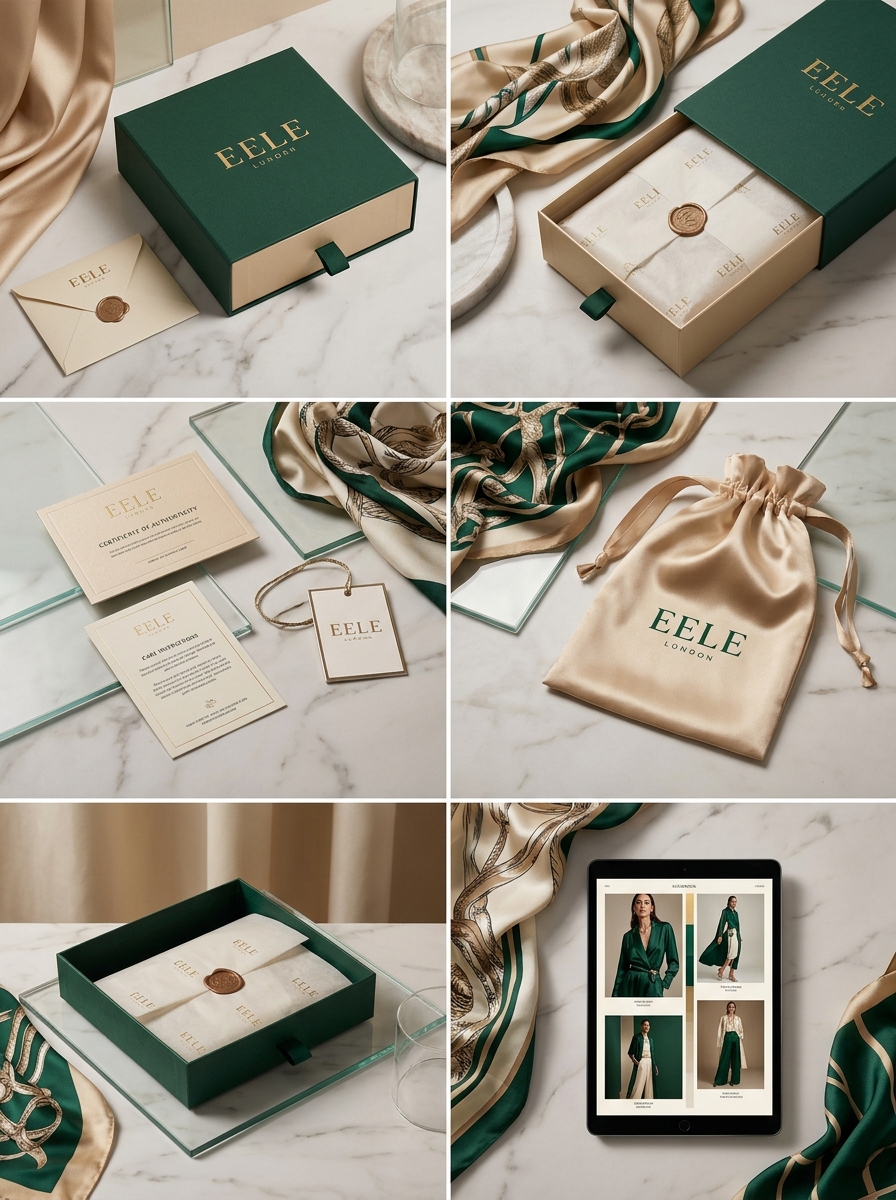
The presentation of a printed silk scarf is as essential as the craftsmanship of the textile itself. High-end packaging serves as a silent ambassador for a brand, bridging the gap between a transactional purchase and a profound sensory unboxing experience. To master this discipline, designers must harmonize structural integrity with sophisticated luxury aesthetic principles that reflect the artistry of the silk within.
By integrating tactile finishes, deliberate color palettes, and bespoke motifs, packaging transcends mere utility to become a cherished keepsake. Modern luxury branding demands a focus on premium material selection-from specialty papers to sustainable textures-and minimalist geometry that mirrors a brand's heritage. This exploration delves into the core design strategies required to transform standard vessels into premium statements of elegance, ensuring every detail resonates with a discerning consumer's expectation of exclusivity, refinement, and artistic storytelling.
The Art of Luxury Silk Scarf Packaging
Luxury packaging for printed silk scarves is an essential extension of the product's craftsmanship. A premium unboxing experience reinforces brand identity and elevates the perceived value of the accessory. High-quality housing, such as rigid magnetic boxes or embossed envelopes, provides critical protection against environmental factors like moisture, dust, and snagging, ensuring the delicate silk fibers remain pristine.
Sophisticated packaging often utilizes acid-free tissue paper and elegant ribbons to create a sensory ritual for the consumer. Beyond aesthetics, functional design allows for long-term storage, preserving the vibrant dyes and intricate patterns of the silk. By blending sustainable materials with opulent finishes, designers communicate quality and attention to detail. Ultimately, the art of packaging transforms a luxury silk scarf into a cherished gift and a timeless heirloom, fostering deeper brand loyalty in the competitive fashion market.
Selecting Premium Materials for a Tactile First Impression
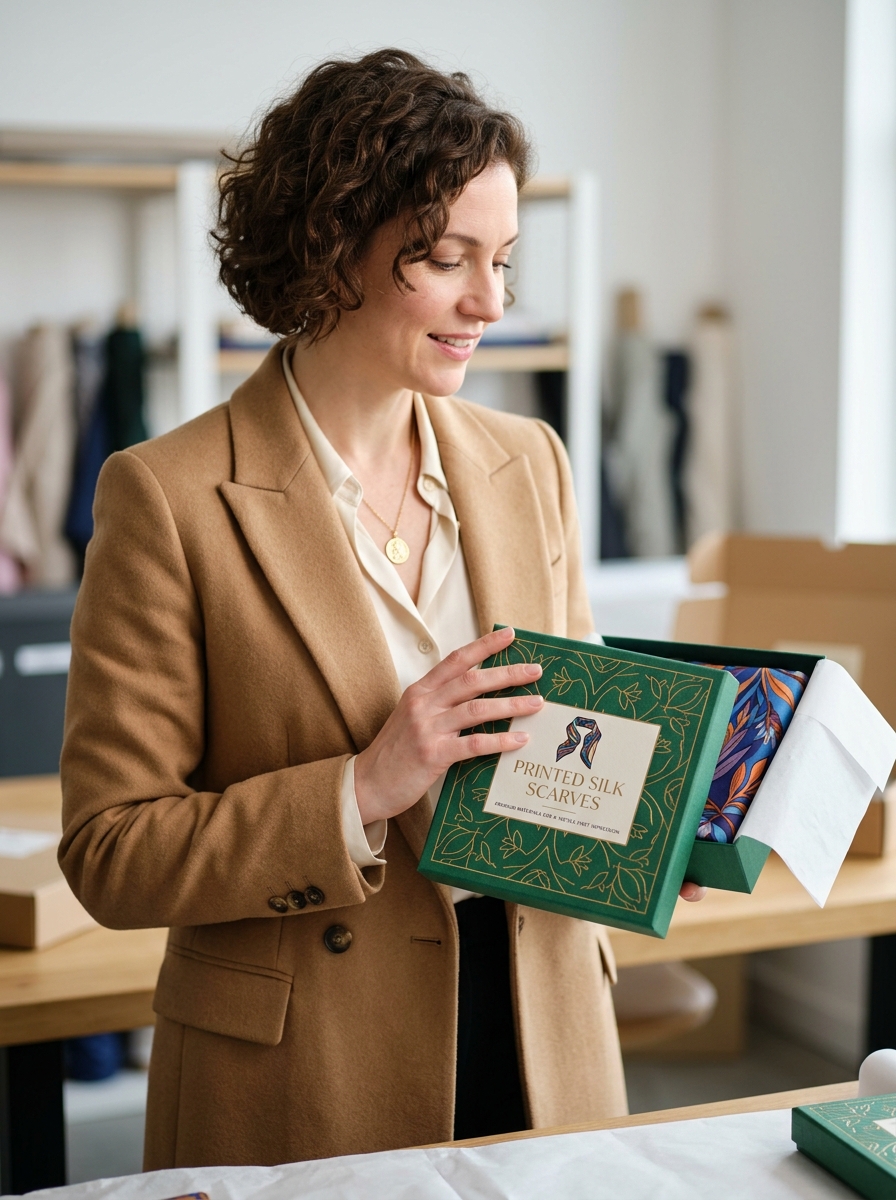
The journey of a luxury printed silk scarf begins with the selection of high-grade raw materials. To create a lasting sensory impact, designers prioritize 100% Mulberry silk, renowned for its long fibers, natural sheen, and incredible softness. The material's weight, measured in momme, dictates the scarf's durability and "hand-feel."
Different weaves provide distinct tactile and visual results:
- Silk Twill: Features a diagonal ribbing that offers structure, a beautiful drape, and a sophisticated matte finish.
- Silk Satin (Charmeuse): Provides a high-gloss surface that enhances color vibrancy and feels exceptionally fluid against the skin.
- Silk Chiffon: A lightweight, sheer option that offers a delicate, ethereal touch.
By selecting premium substrates, brands ensure that the intricate printed designs are matched by a physical sensation of quality and timeless elegance.
Harmonizing Scarf Patterns with External Visual Aesthetics
Achieving visual synergy with printed silk scarves requires a strategic approach to pattern coordination and color theory. To create a balanced silhouette, consider the scale of the print relative to your attire. Intricate, busy patterns such as traditional florals or complex geometrics perform best against solid-colored garments, allowing the silk's artistry to serve as a sophisticated focal point without competing for attention.
For a cohesive aesthetic, mirror the secondary hues within the scarf's design with your existing wardrobe palette. This tonal repetition reinforces a deliberate, polished look. Whether aiming for a high-contrast statement or a subtle, monochromatic flow, harmonizing your scarf with external textures and lighting ensures the accessory enhances your natural complexion and personal style, elevating the overall impact of your ensemble.
Structural Design Innovations for Sophisticated Unboxing
Luxury printed silk scarves demand packaging that mirrors their intrinsic elegance. Modern structural innovations focus on creating a sensory journey through multi-layered unboxing experiences. Utilizing high-density rigid boards and reinforced drawer-style sliders ensures structural integrity while maintaining a sleek, minimalist aesthetic.
To protect delicate silk fibers, advanced designs incorporate integrated magnetic closures for a seamless seal and custom-fit internal frames that prevent fabric shifting. Semantic packaging elements, such as acid-free tissue linings and FSC-certified specialty papers, offer both protection and tactile luxury. By prioritizing engineering precision-from pop-up internal structures to embossed geometric cavities-brands can elevate the perceived value of the accessory. These structural advancements transform a standard container into a collectible keepsake, reinforcing brand prestige and ensuring the printed silk scarf arrives in pristine, gallery-ready condition.
Integrating Brand Identity through Custom Typography and Logos
Elevating printed silk scarves into powerful branding tools requires the seamless integration of custom typography and logos. By utilizing unique typefaces, designers can mirror a brand's personality-ranging from avant-garde modernism to classic luxury. High-precision digital or screen printing ensures that intricate logos and monograms remain crisp against the delicate silk fibers.
Incorporating these elements transforms a fashion accessory into a distinctive brand signature. Whether through a subtle border signature or a bold all-over monogram pattern, custom graphics reinforce brand recall and perceived value. This strategic alignment of visual identity and textile art ensures that each scarf serves as a sophisticated medium for storytelling, fostering a deeper connection with a discerning fashion clientele.
The Role of Sustainable Luxury in Modern Packaging Design
In the high-end fashion industry, sustainable luxury is transforming how printed silk scarves are presented to consumers. Modern packaging design now prioritizes eco-friendly materials without compromising the premium aesthetic essential for luxury accessories. By utilizing FSC-certified recycled paper, soy-based inks, and biodegradable elements, brands align their visual identity with environmental consciousness.
This shift toward sustainable packaging enhances the unboxing experience, offering sturdy, reusable keepsake boxes that protect delicate silk fibers over time. Moving away from single-use plastics reduces the carbon footprint while reinforcing the artisan value of the product. Ultimately, integrating sustainability into packaging design ensures that the outer presentation is as ethically crafted and timeless as the hand-printed silk scarf inside, meeting the demands of the modern, eco-conscious luxury market.
Mastering Finishing Techniques for a High-End Polish
The hallmark of a premium printed silk scarf lies in its finishing touches. To achieve a luxury aesthetic, artisans employ meticulous techniques that ensure both durability and elegance. The most coveted method is the hand-rolled hem (roulotté), where the silk edges are delicately rolled and stitched by hand, creating a soft, plump border characteristic of heritage couture brands.
Key finishing elements that elevate quality include:
- Hand-Rolled Edges: Provides a unique, artisanal feel that signifies superior craftsmanship.
- Pin Hemming: A precise machine-stitched alternative for a clean, modern, and minimalist look.
- Quality Inspection: Ensuring vibrant print registration and the removal of any loose threads.
By mastering these detailed processes, designers transform high-quality silk into a sophisticated accessory with a flawless drape and a professional, high-end polish.
Curating Internal Layers for an Enhanced Customer Journey
Optimizing the digital experience for printed silk scarves involves a strategic structural hierarchy that mirrors the luxury of the product itself. By curating internal layers-categorizing by Mulberry silk quality, artistic motifs, and hem finishing-we simplify the discovery process. This specialized navigation allows customers to refine their search based on specific preferences, whether they are seeking hand-rolled edges or vibrant abstract patterns.
An intuitive internal layout enhances the customer journey by connecting shoppers with the artisanal craftsmanship and fabric details that define high-end accessories. By organizing collections into thematic and material-based sub-layers, we ensure every visitor can effortlessly find the perfect scarf to complement their wardrobe, driving engagement and conversion through a frictionless, semantically-rich shopping environment.
Functional Architecture to Protect and Preserve Delicate Fabrics
The longevity of printed silk scarves depends on a functional architecture designed to safeguard organic protein fibers. Because silk is highly sensitive to environmental stressors, preservation requires a strategic approach to storage and handling that maintains the fabric's structural integrity.
To prevent degradation, an effective preservation system includes:
- Breathable Barriers: Utilizing acid-free tissue and cotton storage bags to prevent moisture buildup and yellowing.
- Structural Support: Avoiding heavy compression to protect hand-rolled edges and prevent fiber breakage.
- Environmental Shielding: Storing fabrics away from UV light and humidity to stop dye fading and microscopic mold growth.
By implementing these specialized storage frameworks, you ensure that the vibrant dyes and delicate weave of high-end silk remain pristine, effectively extending the lifecycle of these wearable works of art.
Elevating Market Value through Artistic Design Concepts
In the luxury accessory industry, printed silk scarves transcend utility by functioning as wearable art. Sophisticated design concepts are pivotal in driving market value, transforming premium silk into a high-demand collectible. By prioritizing original illustrations, avant-garde patterns, and intricate color palettes, brands establish a distinctive visual identity that commands premium pricing.
Artistic narratives foster deep emotional connections with consumers, elevating a garment into an investment piece. Key factors that enhance commercial worth include:
- Exclusivity: Limited-edition artist collaborations create perceived scarcity.
- Craftsmanship: Hand-painted motifs and digital textile innovations showcase technical mastery.
- Brand Storytelling: Unique thematic designs differentiate products in a saturated market.
Ultimately, integrating high-level artistry ensures that silk accessories retain their value and appeal to a discerning global clientele.
Leave a comment