
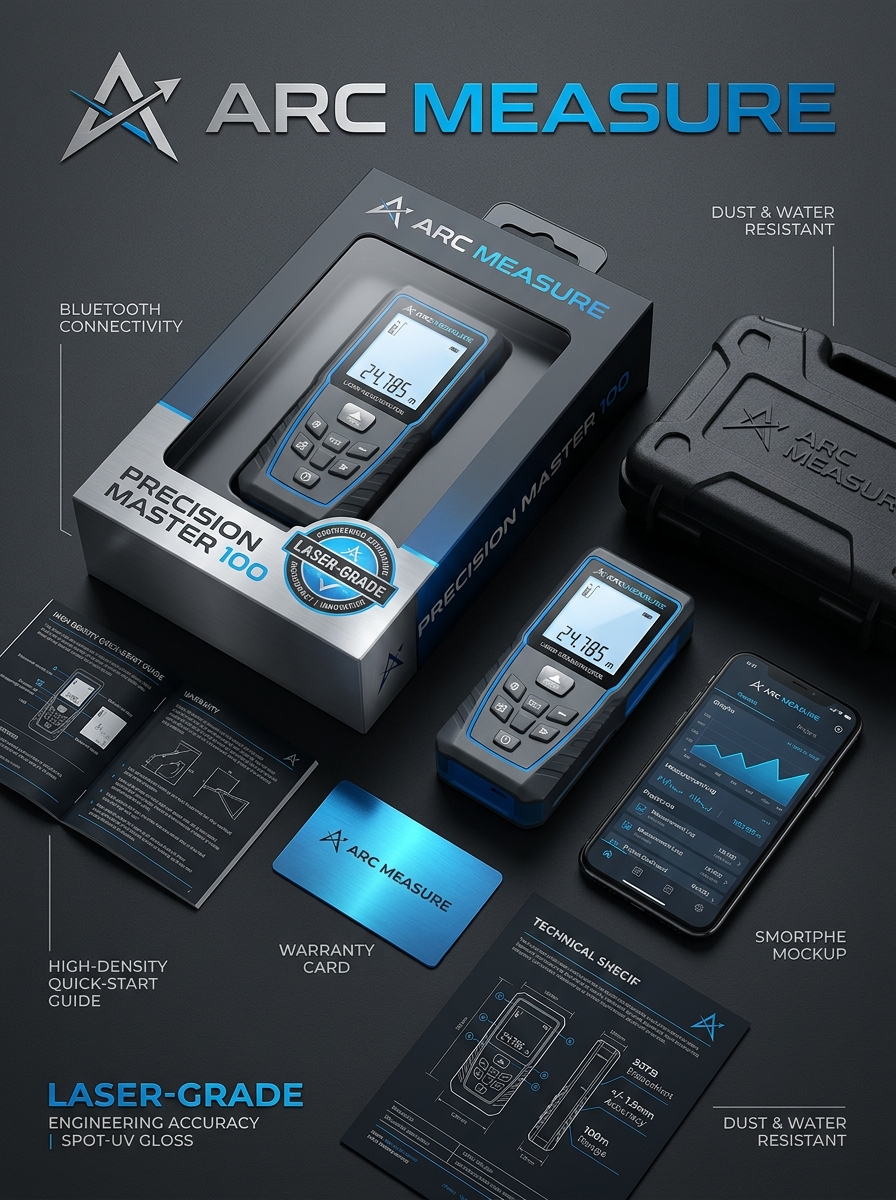
Modern digital tape measures represent a sophisticated fusion of traditional utility and advanced sensor technology. To successfully market these precision instruments, packaging must transcend simple containment, evolving into a strategic medium that balances structural durability with premium shelf appeal.
Effective packaging design communicates technical accuracy and professional reliability through minimalist typography and high-contrast visual hierarchies. By integrating essential aesthetic guidelines and ergonomic structural concepts, manufacturers can effectively highlight key features such as laser precision and digital memory. This guide explores the foundational design principles required to create packaging that resonates with both professional contractors and modern DIY enthusiasts, ensuring the product's technical value is immediately visible through thoughtful material selection and cohesive branding.
Defining the Visual Identity of Precision Measuring Tools
The visual identity of a digital tape measure reflects a sophisticated fusion of industrial durability and modern technological innovation. To communicate accuracy and reliability, these tools utilize a design language that balances ruggedness with sleek, user-centric interfaces.
Key elements defining their visual aesthetic include:
- High-Contrast Displays: Integrated LCD or OLED screens offer instant, glare-free readability, signaling high-tech precision.
- Ergonomic Housing: The use of shock-resistant polymers and rubberized overmolds suggests professional-grade durability.
- Minimalist Interface: Streamlined button layouts and compact form factors emphasize ease of use and advanced internal circuitry.
This intentional visual strategy ensures that precision measuring tools are perceived as both robust workhorses and sophisticated electronic instruments, catering to the demands of the modern job site.
User Centric Packaging Architecture for Digital Devices
Optimizing the packaging architecture for a digital tape measure requires a strategic balance between physical protection and an intuitive unboxing experience. A user-centric design prioritizes immediate access to the device while safeguarding sensitive components like the LCD screen and laser sensors using sustainable, shock-absorbent materials.
Effective packaging for high-precision digital tools should include:
- Logical Layering: Placing the device, batteries, and quick-start guides in a sequential layout to reduce setup time.
- Information Hierarchy: Utilizing clear typography and QR codes on the inner flap for instant access to digital manuals.
- Structural Integrity: Using molded pulp or recycled inserts that contour to the device's ergonomic shape.
By focusing on these semantic design principles, manufacturers enhance brand trust and ensure the digital device remains calibrated and ready for professional use upon arrival.
Strategic Material Selection for Product Protection and Durability
Engineering a high-performance digital tape measure requires a synergy between ruggedness and electronic precision. To ensure long-term reliability in demanding construction environments, manufacturers utilize a multi-layered material strategy:
- High-Impact Housing: The outer shell typically features ABS plastic reinforced with TPU (Thermoplastic Polyurethane) overmolding. This combination provides essential shock absorption and a secure, non-slip grip.
- Blade Resilience: Measuring blades are often crafted from heat-treated carbon steel, finished with a nylon or Mylar coating to prevent corrosion, scale wear, and friction.
- Environmental Sealing: Critical internal components, such as laser sensors and LCD displays, are shielded by gaskets to achieve IP54-rated protection against dust and water splashes.
This strategic selection of industrial-grade materials safeguards sensitive circuitry, ensuring consistent accuracy and tool longevity on every job site.
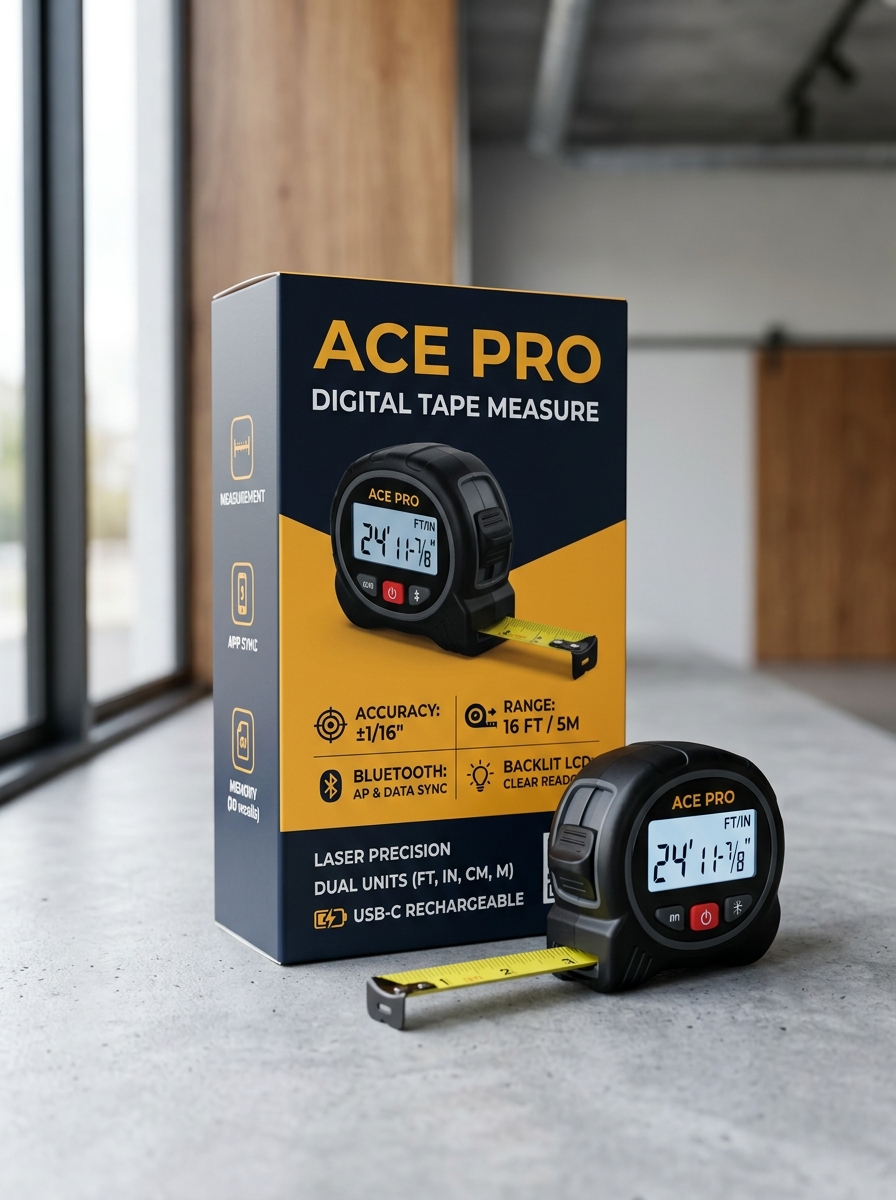
Optimizing Technical Information through Typography and Iconography
For a digital tape measure, the clarity of technical data is paramount. High-contrast typography, specifically bold sans-serif fonts, ensures that numerical measurements are legible in various environments, from brightly lit outdoor sites to dim crawlspaces. By optimizing font scale and weight, manufacturers prioritize the information hierarchy, making the primary distance reading the most prominent element on the display.
Iconography complements these textual elements by providing intuitive visual shortcuts. Standardized symbols for features such as:
- Unit toggling (metric vs. imperial)
- Battery endurance levels
- Measurement reference points (front, back, or tripod)
- Memory recall functions
This synergy between typography and iconography reduces cognitive load, allowing users to interpret complex data at a glance, thereby increasing accuracy and operational efficiency on the job.
Applying Color Psychology to Industrial Hardware Branding
In the competitive market of digital tape measures, color psychology is a strategic tool used to influence professional perception and brand loyalty. Choosing the right palette for industrial hardware communicates essential values like reliability, precision, and durability.
High-visibility colors such as safety yellow and bright orange are industry standards, signaling caution and ensuring the tool is easily located on a busy jobsite. In contrast, matte black and metallic silver accents evoke a sense of sophisticated technology and rugged professional-grade quality. Many brands also utilize deep blue to represent technical innovation and accuracy, which are critical for digital measuring devices.
By leveraging these psychological triggers, manufacturers can differentiate their products, building immediate trust with contractors and DIY enthusiasts who equate specific color schemes with high-performance hardware and jobsite safety.
Crafting an Intuitive and Premium Unboxing Experience
The journey of a high-precision digital tape measure begins the moment the packaging is opened. A premium unboxing experience is designed to reflect the technical sophistication and reliability of the tool within. By utilizing high-density protective inserts and sustainable, tactile materials, the packaging safeguards sensitive electronic sensors while establishing a professional aesthetic.
An intuitive layout ensures that users find the device, USB-C charging cable, and calibration guides immediately. Including a visual quick-start manual atop the device minimizes the learning curve, allowing for instant deployment on the job site. This seamless transition from box to measurement reinforces brand authority and ensures that contractors and DIY enthusiasts feel confident in their new precision instrument from the very first touch.
Effective Communication of Smart Features and Specifications
To maximize user engagement, digital tape measures must clearly articulate their advanced capabilities. Manufacturers should highlight core smart features such as high-contrast OLED displays, Bluetooth connectivity for instant data logging, and internal memory storage.
Technical specifications-including measurement accuracy (±1/16 inch), range, and battery life-should be presented prominently using intuitive formatting. By bridging the gap between complex engineering and practical utility, brands ensure that contractors and DIY enthusiasts understand how these tools:
- Streamline measurement workflows and reduce human error.
- Provide real-time fractional conversions and unit switching.
- Integrate seamlessly with mobile applications for project mapping.
Clear documentation and on-screen prompts further enhance the user experience, making sophisticated measurement technology both accessible and reliable for professional-grade projects.
Integrating Sustainability into Technical Tool Packaging
Modern digital tape measure manufacturers are prioritizing environmental responsibility by reimagining product housing and shipping materials. By replacing traditional single-use plastics with recyclable corrugated cardboard and biodegradable molded pulp inserts, brands significantly reduce their ecological footprint.
Sustainable packaging strategies for precision instruments often include:
- Minimalist Design: Reducing overall package volume to optimize shipping efficiency and lower carbon emissions.
- Soy-Based Inks: Utilizing non-toxic, plant-based printing methods for technical documentation and branding.
- Plastic-Free Windows: Eliminating PET films in favor of die-cut openings that allow tactile interaction without environmental waste.
Transitioning to eco-friendly packaging ensures that high-tech measuring tools align with global sustainability standards, meeting the demands of environmentally conscious contractors and DIY enthusiasts while ensuring the tool remains protected during transit.
Visual Hierarchy for Maximum Retail Shelf Impact
In the competitive tool aisle, a digital tape measure must leverage strategic visual hierarchy to capture consumer attention instantly. Effective retail packaging prioritizes the most innovative feature-typically the backlit LCD screen-as the primary focal point. This immediate visual cue distinguishes the electronic device from traditional analog alternatives.
Secondary hierarchy elements should emphasize technical benefits such as laser precision, internal memory storage, and instant unit conversion. By using bold, sans-serif typography and high-contrast color palettes, manufacturers create a professional aesthetic that signals both reliability and modern technology. Clear, iconography-driven layouts ensure that shoppers can scan and process essential specifications within seconds, maximizing shelf impact and driving conversion rates in high-traffic retail environments.
The Future of Interactive Packaging in the Digital Tool Market
As the digital tape measure gains popularity among DIY enthusiasts and professionals, manufacturers are leveraging interactive packaging to bridge the gap between physical hardware and digital utility. Smart packaging solutions, such as integrated QR codes and Augmented Reality (AR) markers, provide instant access to calibration tutorials, cloud-syncing instructions, and measurement history apps directly from the box.
This shift toward experiential unboxing enhances consumer confidence in high-precision digital tools. By embedding NFC tags or scannable data into the design, brands can offer real-time product authentication and interactive user manuals. Consequently, interactive packaging is transforming from simple protection into a vital educational touchpoint, driving higher engagement and reducing technical barriers in the evolving digital hardware landscape.
Leave a comment