
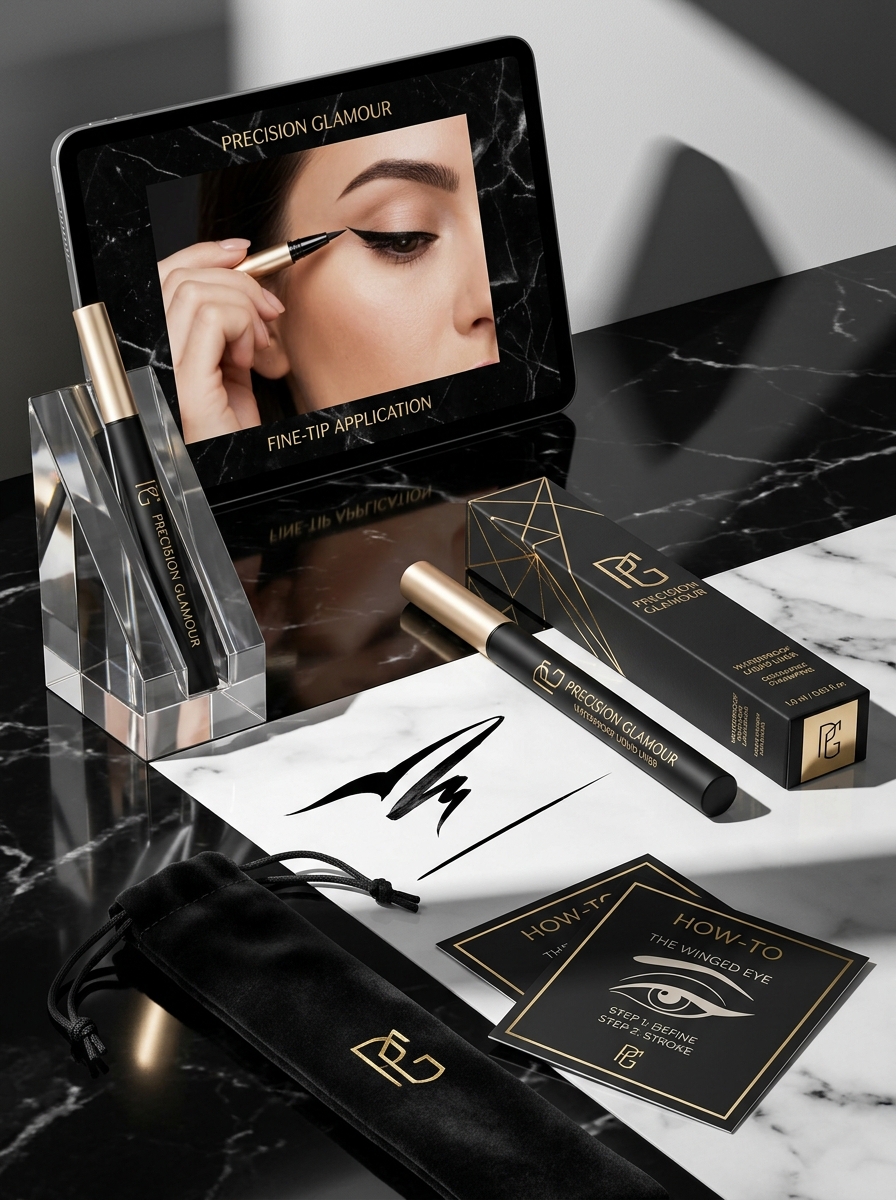
The global beauty market demands a seamless fusion of visual allure and practical functionality. Eyeliner pen packaging serves as the critical bridge between brand identity and consumer satisfaction, acting as both a protective vessel and a powerful marketing tool. Effective design aesthetics go beyond surface-level beauty; they encompass ergonomic shapes, premium materials, and intuitive mechanisms that enhance the precision of every application.
Strategic concept development is essential for differentiating products within a saturated landscape. By prioritizing user-centric engineering and innovative structural designs, brands can cultivate a distinct presence that resonates with modern makeup enthusiasts. This exploration delves into how thoughtful packaging choices-ranging from sustainable material selection to sophisticated finishes-transform a simple cosmetic tool into a luxury experience, ensuring long-term brand loyalty and market relevance.
The Evolution of Eyeliner Pen Packaging Design
The transformation of eyeliner pen packaging reflects a significant shift from primitive wooden pencils to sophisticated, ergonomic delivery systems. Historically, traditional kohl liners required constant sharpening, which often led to product waste. Modern innovation introduced liquid felt-tip pens and mechanical twist-up mechanisms, prioritizing user precision and portability.
Today's design trends emphasize airtight sealing technology to prevent formula dehydration and ensure long-lasting performance. Modern applicators often feature internal ball-shakers to maintain pigment consistency and tapered barrels for superior grip. Furthermore, the industry is pivoting toward sustainability by incorporating recyclable materials and refillable cartridges. This evolution from basic tools to high-performance instruments highlights a commitment to combining aesthetic luxury with functional durability, providing consumers with professional-grade results and a seamless makeup application experience.
Defining Your Brand Identity through Visual Aesthetics
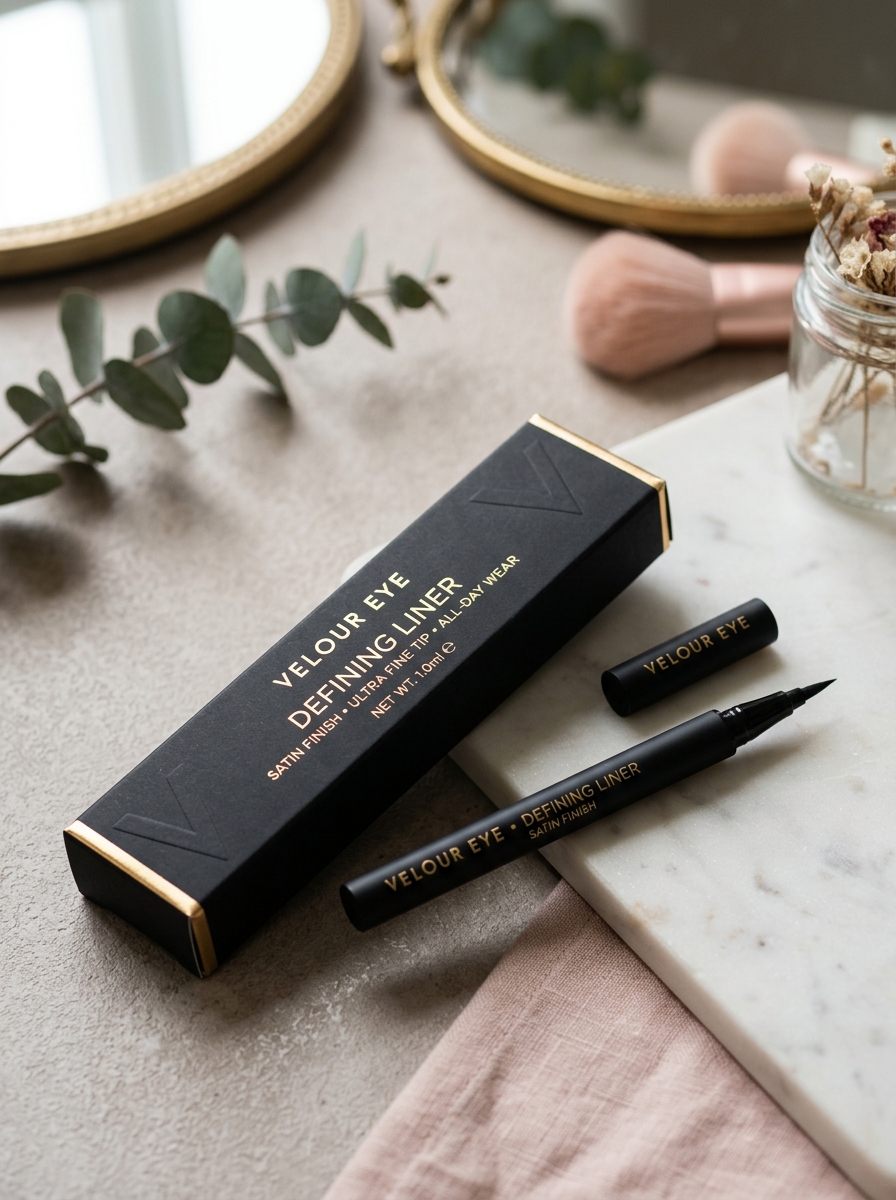
In the competitive cosmetics landscape, the visual design of an eyeliner pen serves as a powerful communicator of your brand's core values. The physical appearance-ranging from a sleek, matte black finish for a minimalist professional look to vibrant, metallic accents for a bold, artistic identity-immediately signals your market positioning to consumers.
Visual aesthetics extend beyond color to include the ergonomic design and tactile feel of the packaging. A well-weighted pen suggests luxury and precision, while a slim, portable silhouette appeals to the "on-the-go" lifestyle. By integrating consistent typography and high-quality materials, you create a cohesive brand identity that fosters trust. Ultimately, strategic design turns a functional makeup tool into an iconic accessory, ensuring your product stands out in a saturated digital and retail marketplace.
Ergonomic Engineering for Precision and User Comfort
Modern eyeliner pens are meticulously crafted with ergonomic engineering to bridge the gap between professional artistry and everyday ease. The barrel's diameter and weight distribution are strategically optimized to provide a steady grip, significantly minimizing hand fatigue during intricate applications. Whether you are crafting a sharp winged look or a subtle tightline, the balanced design ensures maximum maneuverability.
By incorporating anti-slip textures and a tapered silhouette, these pens offer superior precision and control. This user-centric approach facilitates a consistent ink flow and smooth, skip-free strokes. High-quality felt tip applicators, paired with an intuitive hold, empower both beginners and experts to achieve professional-grade results with minimal effort, making every makeup application a seamless and comfortable experience.
Selecting Premium Materials for Durability and Feel
Crafting a superior eyeliner pen requires a meticulous selection of outer casing materials to ensure long-term durability and a luxurious user experience. Manufacturers typically utilize lightweight aluminum or high-density, BPA-free polymers. These premium materials provide excellent impact resistance, preventing cracks and protecting the internal ink reservoir from air exposure and dehydration.
The tactile "feel" of an eyeliner is defined by its ergonomic design and surface texture. A soft-touch or matte finish offers a non-slip grip, which is essential for achieving high-precision lines. Additionally, balanced weight distribution ensures the tool feels substantial in the hand, allowing for steady control. By integrating medical-grade components and refined finishes, brands can offer a professional-grade product that combines structural integrity with a premium, comfortable aesthetic.
Sustainable Packaging Trends in the Cosmetic Industry
The cosmetic industry is experiencing a significant shift toward eco-friendly solutions, particularly within the eyeliner pen segment. Brands are increasingly moving away from single-use virgin plastics to reduce environmental impact. Key trends include the use of PCR (Post-Consumer Recycled) plastics and infinitely recyclable aluminum for pen casings.
Innovation is also driving the rise of refillable eyeliner systems, where consumers retain the outer applicator and simply replace the internal ink cartridge. This circular economy approach significantly minimizes landfill waste. Furthermore, manufacturers are adopting FSC-certified paper packaging and soy-based inks for secondary boxing. These sustainable advancements ensure that high-performance beauty tools remain both precise and planet-friendly, meeting the demands of conscious consumers without compromising the airtight integrity required for long-wear formulas.
Color Psychology and Finish Effects in Pen Design
The visual impact of an eyeliner pen is deeply influenced by color psychology and surface finish. Classic carbon black conveys authority and timeless elegance, providing the sharpest contrast to define the eyes. In contrast, deep brown and charcoal shades evoke a sense of natural softness and approachability, making them ideal for professional settings.
The choice of finish further alters the aesthetic perception:
- Matte Finishes: These absorb light to create a velvety, sophisticated depth, perfect for bold graphic wings.
- Satin and Shimmer: These reflect light to add dimension, luminosity, and a youthful vibrance to the lash line.
Advanced eyeliner pen engineering ensures that these pigments are delivered via precision felt or brush tips, maintaining consistent flow and opacity for a professional, smudge-resistant result.
Typography and Graphic Elements for High Impact
In the cosmetic industry, typography and graphic elements are vital for establishing a brand's visual identity and capturing consumer attention. For eyeliner pens, sleek and modern sans-serif fonts often communicate precision, agility, and professional-grade performance. Conversely, bold, thick lettering can suggest high-pigment density and dramatic results.
Graphic motifs, such as minimalist geometric lines or stylized "wing" icons, serve as visual shorthand for the product's application capabilities. High-contrast color palettes-typically stark black against metallic or vibrant backgrounds-ensure that key features like "waterproof" or "smudge-proof" stand out. By strategically combining readable hierarchies with dynamic imagery, brands can effectively showcase the fine-tip accuracy and long-wear reliability of their eyeliner pens, driving shelf appeal and digital engagement.
Functional Innovations in Tip Protection and Ink Flow
Modern eyeliner pens integrate advanced engineering to enhance user precision and product longevity. To ensure tip protection, manufacturers utilize airtight sealing mechanisms and spring-loaded "click-lock" caps. These innovations prevent solvent evaporation, keeping brush and felt tips moist and flexible for consistent application.
Superior ink flow is achieved through sophisticated delivery systems, such as internal ball agitators and capillary action reservoirs. These components work together to provide a continuous, skip-free supply of high-density pigment to the nib. Additionally, pressure-regulating valves manage ink viscosity, preventing leakage while ensuring a smooth glide across the eyelid. By balancing controlled distribution with protective housing, these functional advancements guarantee professional-grade performance from the first stroke to the last.
Developing Cohesive Secondary Packaging for Retail
For eyeliner pens, secondary packaging is a critical extension of brand identity, bridging the gap between product protection and retail marketing. A cohesive unit carton ensures that the product captures attention on crowded shelves while maintaining a unified aesthetic with the primary applicator.
To optimize packaging for the retail environment, manufacturers should focus on three key pillars:
- Visual Consistency: Synchronize color palettes, logos, and finishes across all eyeliner variants to reinforce brand recognition.
- Material Quality: Utilize durable, FSC-certified paperboard or soft-touch laminates to protect delicate felt tips and internal ink reservoirs.
- Informative Layout: Highlight essential benefits like "smudge-proof," "waterproof," and "long-wear" alongside clear ingredient lists.
Strategic secondary packaging enhances shelf appeal and builds consumer trust, driving conversions through professional presentation and premium tactile experiences.
From Conceptualization to Final Prototype Production
The journey of a high-performance eyeliner pen begins with a rigorous conceptual phase, focusing on ergonomic barrel design and precision formula delivery. Engineers prioritize the synergy between the internal ink reservoir and the applicator tip-whether felt or synthetic brush-to ensure consistent flow without leaking.
The production workflow follows these critical technical stages:
- Design Engineering: Drafting airtight cap mechanisms and flow-control systems to extend product shelf life.
- Material Sourcing: Selecting biocompatible polymers and high-grade fibers for superior tip flexibility.
- Rapid Prototyping: Utilizing 3D printing and CNC machining to create functional models for tactile testing.
- Performance Validation: Evaluating smudge-resistance, pigment intensity, and application smoothness.
This meticulous prototyping phase transforms a digital blueprint into a market-ready cosmetic tool, guaranteeing the precision required for professional-grade eye makeup application.
Leave a comment