
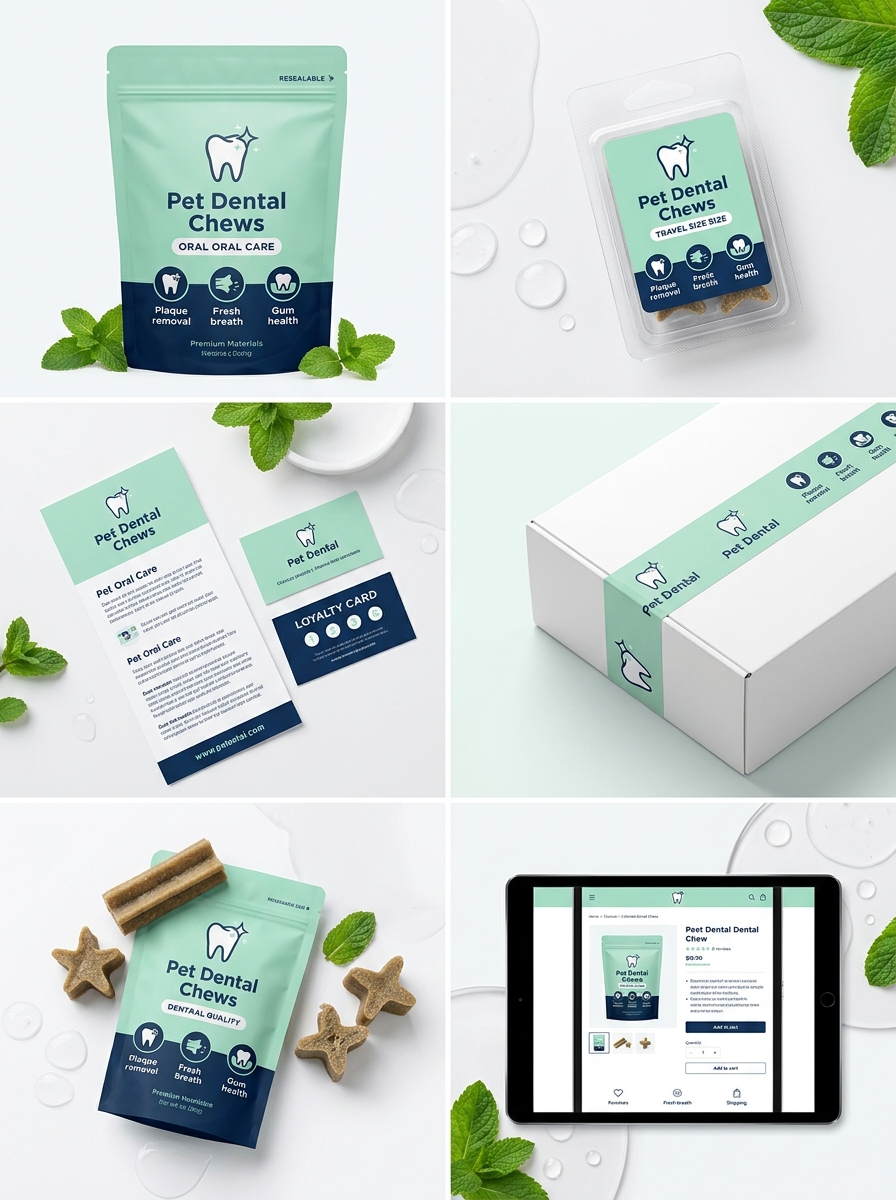
Modern pet owners prioritize oral hygiene as a cornerstone of overall wellness, making dental health chew packaging a critical touchpoint for building brand loyalty. Beyond simple containment, effective packaging must balance structural integrity with visual storytelling to communicate clinical efficacy and safety. By integrating ergonomic shapes with clean, professional aesthetics, manufacturers can instantly signal quality to discerning consumers seeking the best for their pets.
This exploration delves into the foundational design principles and aesthetic trends currently shaping the oral care market. From selecting high-barrier materials that preserve active ingredients to leveraging color psychology for health-oriented branding, mastering these elements ensures a product stands out on a crowded shelf. Discover how strategic design choices can transform a functional dental treat into a premium consumer experience that fosters trust and repeat purchases.
The Role of Visual Identity in Veterinary Product Trust
In the competitive veterinary market, visual identity serves as a critical bridge between scientific formulation and consumer confidence. For dental health chews, professional branding-utilizing clean typography, clinical color palettes, and precise anatomical imagery-communicates oral efficacy and pharmaceutical rigor.
Pet owners and veterinarians rely on visual cues to assess product safety. Packaging that integrates structured layouts with recognizable veterinary certifications (such as the VOHC seal) minimizes perceived risk and builds clinical authority. By aligning aesthetic elements with medical standards, brands foster long-term loyalty and establish the "professional-grade" credibility necessary for preventive care products. Ultimately, a cohesive visual strategy ensures that dental chews are perceived as essential health interventions rather than mere snacks, directly influencing purchase intent and brand trust.
Color Theory for Dental Hygiene and Clinical Freshness
In the competitive market of dental health chews, color theory is strategically utilized to communicate clinical efficacy and sensory expectations. Visual cues influence a consumer's perception of product performance and ingredient quality before the package is even opened.
- Vibrant Greens: Symbolize chlorophyll, mint, and parsley, psychologically linking the product to breath freshening and natural deodorizing properties.
- Clinical Whites: Evoke associations with calcium, bone strength, and professional tartar control, suggesting a deep, whitening clean.
- Neutral Earth Tones: Browns and tans signal high palatability and real meat ingredients, balancing medicinal function with treat-like appeal.
By leveraging these chromatic associations, manufacturers reinforce the "clinical freshness" narrative. This semantic alignment between color and function helps pet owners identify specific oral health benefits, such as plaque reduction and gum health, through intuitive visual signals.
Information Hierarchy and Key Benefit Communication
Effective dental health chews utilize a strategic information hierarchy to prioritize core consumer concerns. The primary layer of communication must highlight mechanical scrubbing action and plaque reduction, as these are the leading drivers for purchase. By emphasizing tartar control and oral hygiene at the top of the hierarchy, brands immediately address the functional needs of pet owners.
Secondary benefits should focus on palatability, ingredient transparency, and breath-freshening properties. To optimize for semantic relevance, information should be structured to include:
- Periodontal Health: Support for healthy gums and tooth longevity.
- VOHC Acceptance: Technical validation of efficacy and safety.
- Digestibility: Ensuring the product is safe for gastrointestinal health.
This organized structure ensures that the most impactful health claims are prominent, guiding users from immediate functional benefits to long-term wellness outcomes.
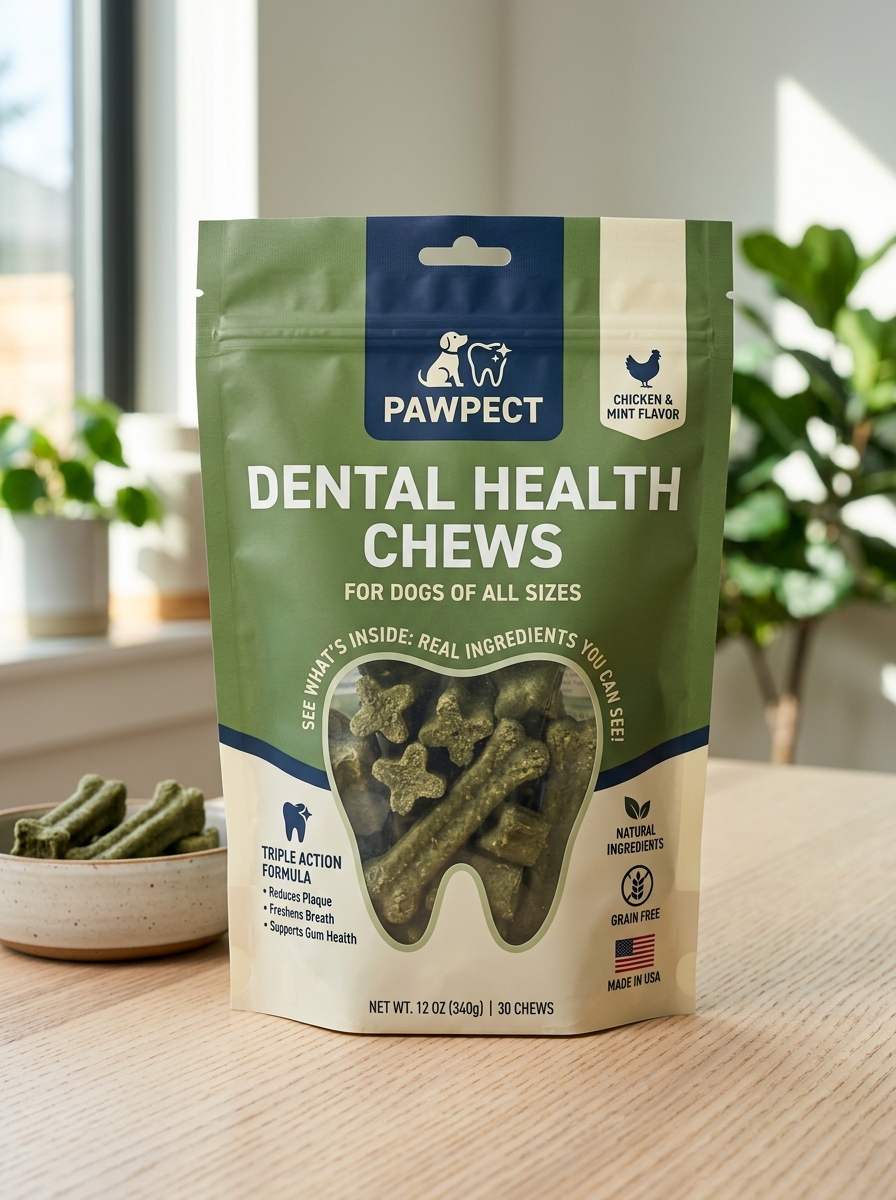
Integrating Product Visibility through Transparent Windows
In the competitive market for pet dental health chews, packaging design is a critical factor in consumer trust. Utilizing transparent windows allows pet owners to immediately inspect the texture, size, and physical integrity of the product. This visual access is vital for verifying the specialized grooves and ridges designed to mechanically scrub teeth and reduce plaque accumulation.
Strategically placed clear panels foster transparency, showcasing product freshness and consistency. When consumers can see the quality of the chews, it eliminates uncertainty regarding breakage or artificial coloring. By prioritizing visibility, brands bridge the gap between marketing claims and tangible quality, ensuring that the functional attributes of the dental treats serve as a primary selling point for proactive oral hygiene.
Sustainable Packaging Materials for Modern Pet Parents
Today's environmentally conscious pet owners demand that dental health chews offer more than just oral hygiene; they must also reflect a commitment to the planet. To meet this need, premium brands are adopting sustainable packaging materials designed to reduce their carbon paw-print.
Key innovations in eco-friendly packaging include:
- Recyclable Polymers: Specialized mono-materials that simplify the recycling process.
- Compostable Pouches: Plant-based barriers that break down naturally without leaving harmful residues.
- PCR (Post-Consumer Recycled) Plastics: Utilizing diverted waste to create durable, moisture-resistant bags.
These materials ensure that active ingredients remain potent and chews stay fresh, all while minimizing landfill contributions. By choosing dental treats with sustainable labels, modern pet parents align their pet care routine with global conservation efforts, ensuring a healthier future for all species.
Effective Use of Pet Photography and Anatomical Graphics
In the marketing of dental health chews, high-quality visual assets serve as vital educational tools. Professional pet photography captures the product in action, demonstrating palatability and the physical engagement required for effective cleaning. These images build consumer trust by showcasing real-world application and animal acceptance.
Complementing lifestyle shots with anatomical graphics provides scientific validation. Detailed diagrams illustrate how specific ridges and textures achieve mechanical abrasion to disrupt plaque and tartar accumulation. By visualizing the reach of the chew toward the gumline and hard-to-access molars, brands can effectively communicate the functional benefits of their design. This combination of emotional appeal through photography and technical clarity through graphics ensures pet owners understand both the necessity and the efficacy of the dental treat for maintaining canine oral hygiene.
Regulatory Compliance and Ingredient Transparency Layouts
In the pet care industry, regulatory compliance and ingredient transparency are the cornerstones of consumer trust. Dental health chews must adhere to rigorous standards set by the FDA and AAFCO to ensure safety and accurate nutritional labeling. Furthermore, products seeking to prove efficacy often pursue the VOHC (Veterinary Oral Health Council) seal, which validates claims regarding plaque and tartar reduction.
Effective product layouts prioritize the clear disclosure of all ingredients, categorizing them for better consumer understanding:
- Active Agents: Enzymes or minerals that chemically inhibit biofilm.
- Mechanical Abrasives: Natural fibers that scrub teeth during mastication.
- Additives: Natural preservatives, binders, and flavor enhancers.
By maintaining high transparency and meeting legal benchmarks, manufacturers ensure their dental chews are both safe and functionally effective for long-term canine oral hygiene.
Resealability and Functional Features for Product Longevity
Maintaining the efficacy of dental health chews depends heavily on advanced packaging solutions. High-quality resealable closures, such as press-to-close zippers or hook-and-loop sliders, create an airtight barrier that preserves the chew's texture and essential moisture content. This prevents the product from becoming excessively brittle, ensuring it remains safe and palatable for pets.
Furthermore, functional features like multi-layer laminates and moisture-resistant barriers protect active ingredients-such as enzymes and plaque-fighting minerals-from oxidation. By minimizing exposure to humidity and environmental contaminants, these structural elements significantly extend product shelf life. Optimized packaging ensures that every treat retains its functional integrity, providing consistent oral hygiene benefits from the first chew to the last.
Typography Choices for Readability and Professional Appeal
In the dental health chews market, typography plays a critical role in establishing brand authority and ensuring consumer safety. Selecting a clean sans-serif font enhances readability on product packaging, allowing pet owners to easily digest complex ingredient lists and dosage instructions.
A professional appeal is achieved through a structured typographic hierarchy. Utilizing bold weights for key benefits-such as "plaque removal" or "fresher breath"-helps information stand out during a quick scan. Furthermore, maintaining optimal line spacing and high contrast ensures that medical claims remain legible even in small formats.
By combining modern aesthetics with functional design, brands communicate a sense of veterinary-grade quality. Strategic font choices bridge the gap between clinical efficacy and approachable pet care, fostering trust and streamlining the decision-making process for health-conscious consumers.
Minimalist Aesthetic Trends in Premium Dental Health Care
The premium market for dental health chews is undergoing a visual transformation driven by minimalist aesthetic trends. Modern pet owners now gravitate toward products featuring clean packaging, muted color palettes, and clear typography. This design shift reflects a broader consumer desire for transparency and simplicity in pet wellness.
Minimalist branding signals high-quality, functional ingredients over artificial fillers. By removing visual clutter, premium brands emphasize core oral hygiene benefits-such as plaque reduction and tartar control-through a sophisticated lens. These streamlined designs align with modern home decor while maintaining rigorous veterinary standards. Ultimately, the minimalist movement in dental care bridges the gap between medical efficacy and lifestyle branding, making daily oral maintenance a seamless and attractive part of a refined pet care regimen.
Leave a comment