
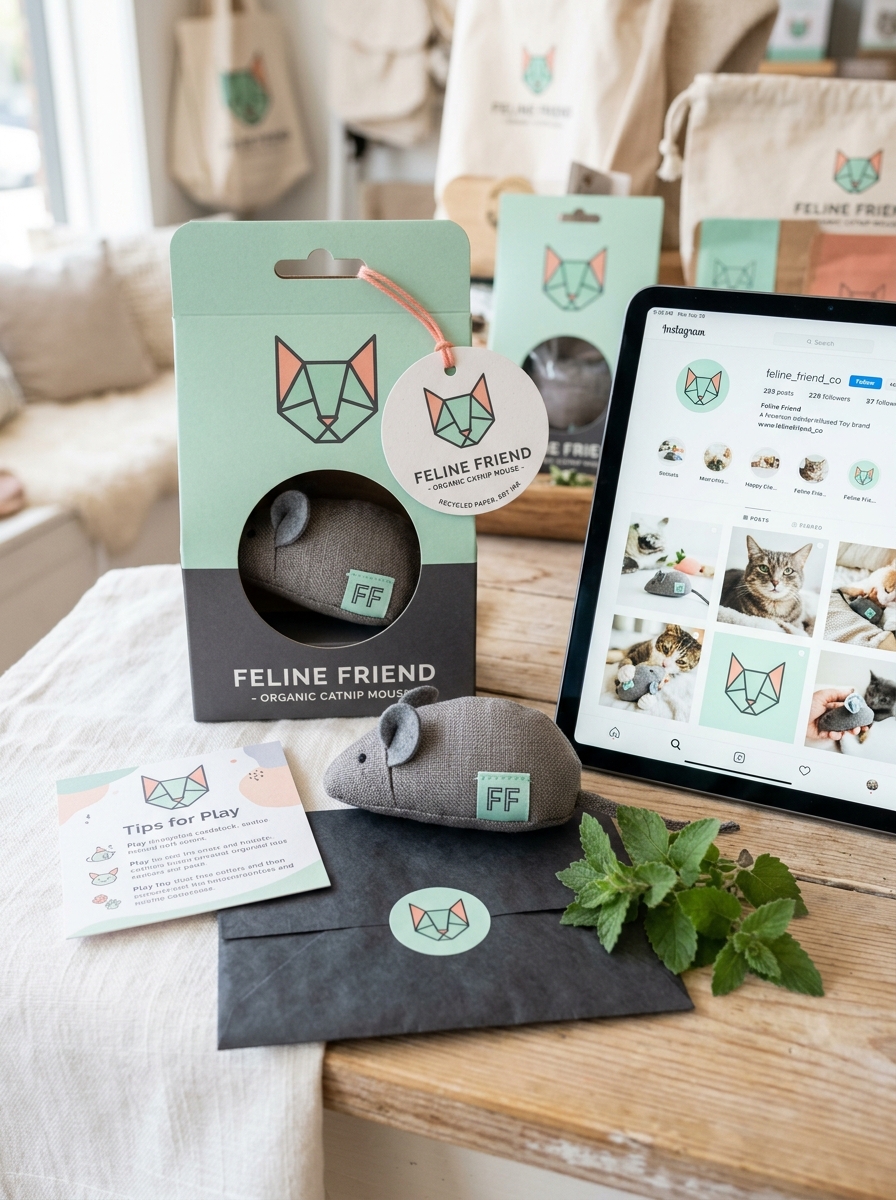
Designing packaging for catnip-scented mice requires a strategic balance between high-impact visual appeal and rigorous technical functionality. For pet owners, the purchasing journey begins with sensory cues-vibrant graphics and tactile finishes that signal premium quality. However, the ultimate success of the toy depends on the preservation of nepetalactone, the volatile compound responsible for a feline's play instinct.
To prevent scent degradation and ensure shelf stability, designers must prioritize high-barrier materials and airtight sealing technologies. This guide explores how to integrate sensory aesthetics with advanced scent preservation tips, ensuring that products remain potent and enticing from the factory to the feline. By mastering these packaging elements, brands can effectively protect product efficacy while capturing consumer interest through superior, sensory-driven design.
The Psychology of Sensory Appeal in Catnip Toy Packaging
Packaging for a catnip scented mouse serves a dual purpose: capturing the owner's attention while signaling potency to the feline. From a neuromarketing perspective, manufacturers utilize sensory cues to validate product efficacy. Transparent windows allow owners to inspect the plush texture, while micro-perforations are often used to facilitate the release of nepetalactone-the active organic compound in catnip.
This intentional olfactory leak triggers a cat's predatory instincts even before the package is opened, creating an immediate behavioral response that influences the purchase decision. High-contrast colors and tactile finishes further stimulate human visual interest, suggesting a premium, durable toy. By leveraging these multisensory triggers, the packaging promises freshness and instant engagement, ensuring the toy remains irresistible from the retail shelf to the home environment.
Visual Design Strategies for the Modern Pet Toy Market
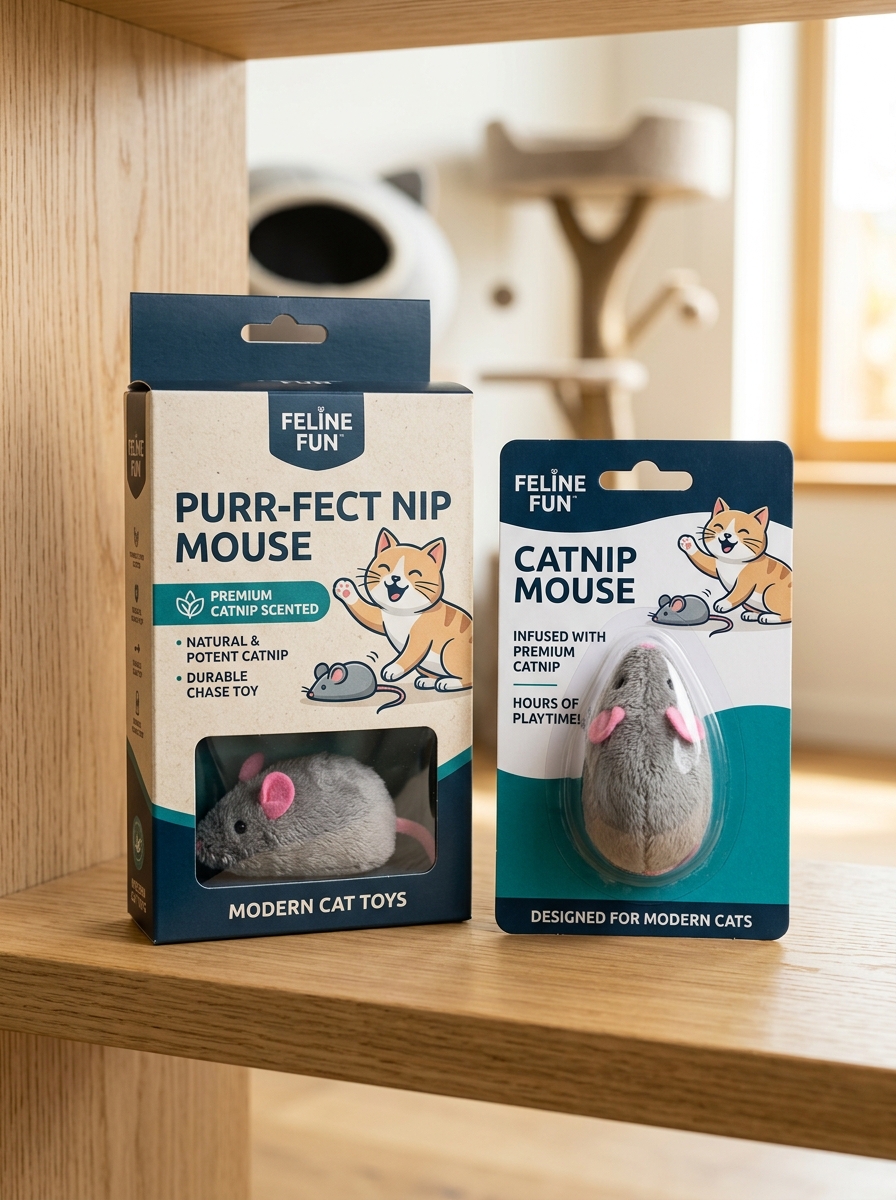
In the competitive pet industry, the visual appeal of a catnip scented mouse serves a dual purpose: attracting the human buyer and stimulating feline curiosity. Modern design strategies prioritize high-contrast patterns and vibrant, non-toxic palettes that stand out on retail shelves and complement contemporary home decor.
Effective visual elements include:
- Textural Contrast: Mixing plush faux-fur with rugged sisal or felt to mimic natural prey.
- Realistic Silhouettes: Ergonomic, streamlined shapes that facilitate "catch and carry" play behaviors.
- Functional Details: Integrated bells or reflective feathers that add visual movement.
By leveraging minimalist packaging and premium finishes, brands signal the quality of the organic catnip inside. This strategic fusion of aesthetics and functionality ensures the product resonates with the lifestyle of the modern pet parent while maximizing engagement for the cat.
Incorporating Tactile Finishes to Elevate Brand Perception
In the competitive pet retail landscape, the physical feel of packaging is a critical driver of consumer trust. For a catnip scented mouse, incorporating tactile finishes such as soft-touch matte, spot UV, or embossing transforms the initial interaction into a premium sensory experience.
These sophisticated textures signal superior quality and attention to detail, positioning the product as a luxury choice rather than a generic feline toy. By using raised textures to highlight botanical catnip graphics or intricate mouse patterns, brands communicate durability and organic value. Ultimately, these finishes bridge the gap between perceived value and purchase intent, ensuring your brand stands out on the shelf while fostering an immediate emotional connection with pet parents seeking high-quality enrichment for their companions.
The Critical Role of Aroma Barrier Films in Scent Preservation
For a catnip scented mouse, the potency of nepetalactone-the essential oil that triggers feline playfulness-is its most vital asset. Aroma barrier films serve as a sophisticated molecular shield, preventing these volatile organic compounds (VOCs) from escaping the packaging through diffusion.
These high-performance films are engineered to stop "flavor scalping" and scent migration, ensuring the catnip fragrance remains concentrated within the toy. By blocking oxygen ingress and moisture, these barriers prevent the degradation of the herbs, which would otherwise lead to a rapid loss of potency. Utilizing specialized multi-layer barrier technology is crucial for maintaining product shelf life, ensuring that the toy delivers an intense olfactory experience for the cat from the factory to the living room.
Choosing the Right Materials to Maintain Catnip Freshness
Selecting the ideal fabric for a catnip scented mouse is vital for preserving the herb's potency. High-quality, breathable natural fibers-such as organic cotton, hemp, or linen-are superior choices. These porous materials allow the aromatic nepetalactone oils to permeate the surface, ensuring your cat stays engaged during play.
While durability is important, avoid thick, non-porous synthetics that can seal in the scent and prevent it from reaching your pet. A tightly woven weave prevents mess while facilitating consistent scent release. To further enhance freshness, look for toys made from absorbent fabrics that can be "recharged" easily. Choosing the right exterior material ensures a long-lasting, irresistible olfactory experience for your feline companion while maintaining the structural integrity of the toy.
Advanced Sealing Technologies to Prevent Fragrance Leaks
To ensure maximum potency and long-lasting attraction, our catnip scented mouse incorporates state-of-the-art sealing innovations. We utilize ultrasonic welding and multi-layer barrier liners specifically designed to lock in aromatic nepetalactone oils. These advanced materials prevent the fragrance from dissipating during storage and shipping, ensuring the toy arrives with a "just-picked" freshness that cats crave.
By employing hermetic heat-sealing and high-density reinforced seams, we eliminate common leak points found in traditional plush toys. This specialized construction not only preserves the olfactory stimulus for extended feline enrichment but also protects the organic catnip from external moisture. Experience a superior play solution where the scent stays concentrated inside the toy, providing your pet with a consistent and captivating sensory experience over time.
Communicating Olfactory Quality Through Graphic Elements
Since consumers cannot physically smell a catnip scented mouse through packaging or digital screens, visual cues are vital to signal product potency. Effective graphic design bridges this sensory gap using specific color palettes and iconography.
Vibrant herbal greens and earthy tones are frequently used to evoke the freshness of natural catnip. Designers incorporate scent trail illustrations or "wafting" line art to represent the movement of aroma. Furthermore, high-resolution imagery of cats in a state of "catnip bliss" provides social proof of the scent's effectiveness.
Incorporating badges such as "Premium Grade" or "Long-Lasting Aroma" alongside botanical leaf icons reinforces olfactory quality through typography. These graphic elements work synergistically to build consumer trust and trigger a psychological sensory response, ultimately driving purchase intent.
Functional Design for Long-Term Shelf Life and Potency
Our Catnip Scented Mouse is engineered with a specific focus on durability and lasting sensory appeal. To maintain peak nepetalactone potency, the toy utilizes a multi-layered fabric construction designed to trap aromatic oils while allowing a controlled, irresistible release of scent during feline play.
Key features that ensure product longevity include:
- Aromatic Preservation: High-density fibers protect internal organic herbs from rapid oxidation.
- Protective Barriers: Each unit is housed in moisture-resistant, airtight packaging to prevent scent degradation during transit and storage.
- Structural Integrity: Reinforced stitching ensures the catnip remains securely contained, even after vigorous pouncing and batting.
This functional design ensures your feline receives a fresh, high-impact experience, maximizing the toy's value and long-term effectiveness.
Eco-Friendly Packaging Options for Scented Products
Choosing sustainable packaging for a catnip scented mouse is essential for preserving aromatic potency while minimizing environmental impact. Effective eco-friendly solutions must balance aroma preservation with biodegradability to ensure the nepetalactone remains fresh and engaging for felines.
- Compostable Pouches: Plant-based barriers protect essential oils without the use of traditional petroleum-based plastics.
- Recycled Cardboard: FSC-certified paperboard provides a sturdy, plastic-free exterior that is fully recyclable.
- Biodegradable Cellulose: This transparent film, derived from wood pulp, offers high-scent retention and breaks down naturally.
By utilizing sustainable materials, manufacturers reduce their carbon footprint and cater to eco-conscious pet owners. These green packaging strategies ensure that every catnip toy stays potent and enticing, supporting both the planet and your cat's well-being.
Creating a Memorable Unboxing Experience for Feline Owners
A premium catnip scented mouse deserves a presentation that excites both the pet and the owner. The unboxing journey begins with high-quality, eco-friendly packaging that hints at the sensory delight inside. Utilizing clear windows allows owners to appreciate the plush textures and vibrant designs of the toy before opening.
To enhance the experience, incorporate a freshness seal to ensure the potent aroma of organic catnip is preserved. This immediate olfactory impact signals product quality to the owner. Adding personalized touches, such as a "gift for your cat" label or a small care guide, builds brand loyalty.
Ultimately, a memorable unboxing bridges the gap between a simple purchase and a shared moment of joy. When the scent-rich mouse is finally revealed, the cat's instant engagement provides the ultimate satisfaction for every feline enthusiast.
Leave a comment