
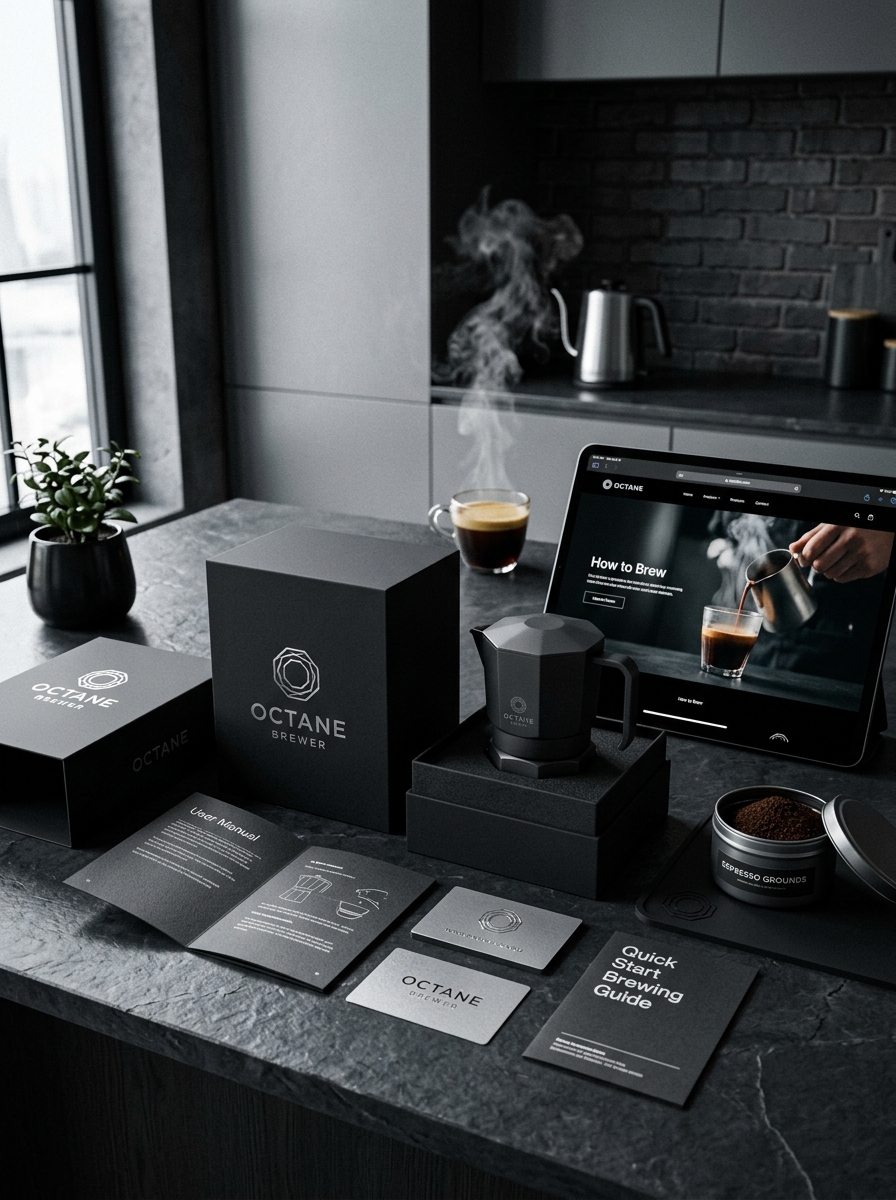
The stovetop espresso maker represents a timeless synthesis of industrial utility and cultural heritage. When translating this iconic silhouette into modern retail environments, packaging design must bridge the gap between durable protection and sophisticated brand storytelling. Effective packaging for these classic brewing vessels utilizes key aesthetic principles-ranging from minimalist typography to rich, tactile finishes-that communicate both the manufacturer's legacy and the sensory promise of a perfect extraction.
By prioritizing high-quality materials and strategic structural engineering, designers ensure that the unboxing experience mirrors the precision of the device itself. This exploration delves into the essential design concepts that elevate stovetop espresso maker packaging, focusing on visual harmony, sustainable material choices, and the psychological impact of premium presentation on coffee enthusiasts worldwide.
The Evolution of Stovetop Espresso Maker Packaging
The journey of stovetop espresso maker packaging reflects a significant shift from industrial utility to premium brand storytelling. Originally, the iconic Moka pot was distributed in simple, flimsy cardboard boxes designed solely for transport. As specialty coffee culture expanded, manufacturers like Bialetti transitioned to high-quality, graphic-heavy packaging that celebrates Italian heritage and craftsmanship.
Modern packaging now prioritizes sustainability and user experience. Contemporary designs utilize FSC-certified recycled materials and plastic-free inserts to protect the aluminum or stainless steel finish. Many brands have replaced bulky manuals with QR codes printed directly on the box, leading to digital brewing guides. This evolution highlights a move toward eco-friendly, gift-ready presentation, transforming a kitchen staple into a sophisticated lifestyle product that balances aesthetic appeal with environmental responsibility.
Defining the Minimalist Aesthetic for Premium Brand Appeal
In the competitive market of stovetop espresso makers, a minimalist aesthetic is a powerful driver of premium brand appeal. This design philosophy centers on functional elegance, utilizing clean lines, geometric symmetry, and high-quality materials such as brushed stainless steel or matte finishes. By removing superfluous ornamentation, brands emphasize the structural integrity and timeless nature of the product.
A minimalist Moka pot communicates sophistication and modern luxury, appealing to discerning consumers who prioritize both style and performance. To achieve this high-end positioning, focus on ergonomic silhouettes and a cohesive, neutral color palette. This "less is more" approach transforms a standard kitchen tool into a curated lifestyle statement, ensuring the product resonates with a target audience seeking a sophisticated, professional coffee experience at home.
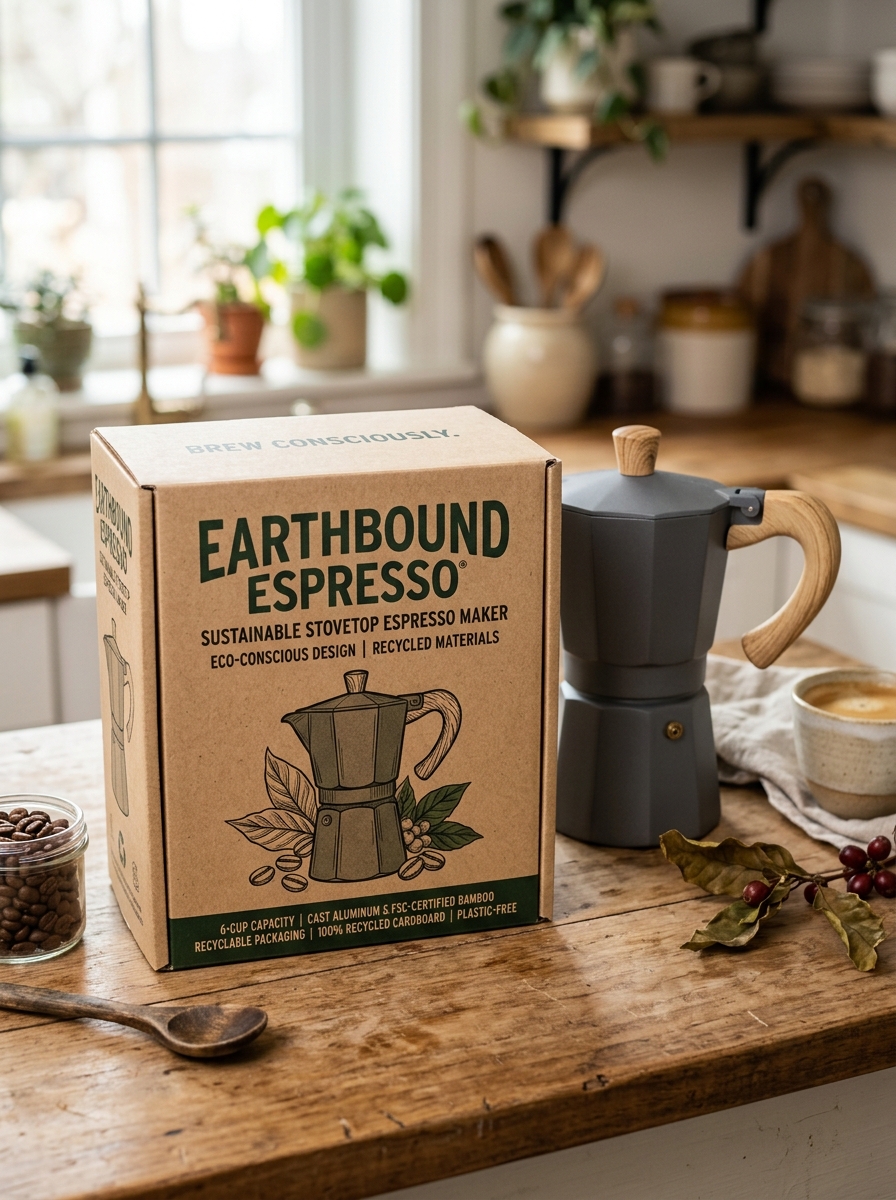
Sustainable Material Selection and Eco-Conscious Design
Stovetop espresso makers, or moka pots, represent a pinnacle of sustainable kitchenware. Manufacturers primarily utilize high-grade aluminum or food-grade stainless steel, both of which are prized for their extreme durability and recyclability. Unlike modern pod-based systems, these brewers are inherently plastic-free, successfully eliminating the need for single-use capsules and bleached paper filters that contribute to landfill waste.
The eco-conscious design focuses on product longevity; a well-constructed moka pot can last for decades with simple maintenance. By relying on a mechanical pressure process rather than complex electronics, these devices minimize their carbon footprint. Investing in a stovetop espresso maker supports a zero-waste coffee ritual, combining timeless engineering with permanent materials that prioritize environmental health without compromising on the rich, authentic quality of the brew.
Color Theory and Emotional Connection in Coffee Branding
In the competitive market of stovetop espresso makers, color theory is a powerful tool used to forge deep emotional connections with consumers. Branding often utilizes specific palettes to influence mood and perception; for instance, the classic polished aluminum finish evokes a sense of industrial heritage and timeless Italian authenticity.
Modern brands frequently employ matte black to signal sophistication and premium engineering, while vibrant reds or yellows tap into themes of energy and passion, synonymous with the morning caffeine ritual. Soft pastels may be used to suggest comfort and domestic warmth. By aligning the visual aesthetic of a Moka pot with a user's personal style, manufacturers transform a functional kitchen tool into an emotive lifestyle statement, driving brand loyalty through visual storytelling and psychological resonance.
Typography and Information Hierarchy for Technical Clarity
Effective documentation for a stovetop espresso maker relies on a disciplined information hierarchy to ensure user safety and brewing precision. By utilizing distinct typographic scales, manuals help users quickly differentiate between critical safety warnings and standard operating procedures.
- Headings: Clear, bold headers categorize components such as the boiler, filter basket, and upper collector, allowing for rapid scanning.
- Instructional Lists: Using numbered sequences for the brewing process reduces cognitive load, ensuring the pressure valve is never obstructed.
- Visual Emphasis: Italics or bold weights highlight specific technical requirements, such as the importance of using a medium-fine grind to prevent clogging.
Prioritizing legibility through high-contrast type and logical sequencing ensures that technical specifications are accessible, even in high-temperature kitchen environments where quick comprehension is essential for success.
Crafting an Intentional Unboxing Experience for Home Baristas
An intentional unboxing experience for a stovetop espresso maker transforms a simple purchase into the beginning of a mindful brewing ritual. For the home barista, the journey starts with tactile first impressions-feeling the weight of high-quality aluminum or stainless steel and appreciating the classic silhouette of the Moka pot.
To optimize this experience, packaging should prioritize sustainability and education. Providing clear, concise guides on grind size, water ratios, and heat management within the box empowers the user immediately. By focusing on these semantic details, brands transition from selling a kitchen tool to offering an artisanal experience. A well-curated unboxing fosters a deeper connection between the barista and their equipment, ensuring the first brew is as rewarding as the last.
Visual Storytelling Through Macro Photography and Illustration
Macro photography captures the intricate essence of a stovetop espresso maker, highlighting the weathered aluminum textures and the iconic octagonal silhouette of the Moka pot. By focusing on fine details-such as the precision-engineered safety valve or the rhythmic bubbling of dark coffee-visual storytelling emphasizes the craftsmanship behind every brew.
Detailed illustrations complement these close-up shots by deconstructing the internal steam pressure mechanics and filtration process. Together, these mediums transform a functional kitchen appliance into a narrative of industrial heritage and sensory pleasure. From the metallic glisten of the lid to the deep mahogany of the rising crema, macro imagery and technical drawings provide a multi-dimensional perspective on the timeless fusion of form and function in stovetop brewing.
Balancing Industrial Heritage with Contemporary Design Trends
The stovetop espresso maker, or Moka pot, serves as a bridge between industrial heritage and modern aesthetics. Originally defined by its iconic octagonal silhouette and raw aluminum finish, this classic brewer reflects the utilitarian spirit of early 20th-century craftsmanship.
Contemporary design trends have refined this legacy through minimalist geometries and updated materials. Manufacturers now blend traditional pressurized brewing mechanics with sleek stainless steel, ergonomic soft-touch handles, and induction-compatible bases. By incorporating matte palettes and streamlined profiles, the modern stovetop espresso maker honors its mechanical roots while satisfying the demands of the specialty coffee movement. This balance ensures the device remains both a functional kitchen tool and a sophisticated piece of interior decor, preserving the soul of Italian coffee culture within a 21st-century context.
Structural Engineering for Product Protection and Shelf Presence
Engineering the packaging for a stovetop espresso maker requires a balance between heavy-duty structural integrity and high-impact retail aesthetics. Given the weight of cast aluminum and stainless steel, the internal architecture utilizes custom corrugated inserts and reinforced buffers to immobilize the product, protecting the delicate Bakelite handle and steam valve from transit damage.
To maximize shelf presence, the outer carton is designed with premium finishes and structural silhouettes that mirror the iconic octagonal shape of the Moka pot. High-strength paperboard prevents box deformation when stacked, while precision die-cuts allow for window displays or tactile engagement. This strategic engineering ensures the espresso maker remains pristine while its distinctive packaging captures consumer attention in a competitive marketplace.
Future Innovations in Interactive and Smart Coffee Packaging
The evolution of the stovetop espresso maker experience is increasingly driven by digital integration. Future smart coffee packaging utilizes NFC tags and QR codes to provide real-time data specifically tailored for Moka pot enthusiasts. These innovations offer interactive brewing guides, ensuring users achieve the optimal grind consistency and water-to-coffee ratio for their specific vessel size.
Advanced packaging also features integrated freshness sensors. By monitoring CO2 degassing levels, smart bags can alert users when beans are at their peak for high-pressure stovetop extraction. Furthermore, Augmented Reality (AR) overlays can visualize the internal brewing process, helping beginners master temperature control and prevent burnt flavors. These technological advancements bridge the gap between traditional manual brewing and modern convenience, ensuring a perfect, cafe-quality stovetop espresso every time.
Leave a comment