
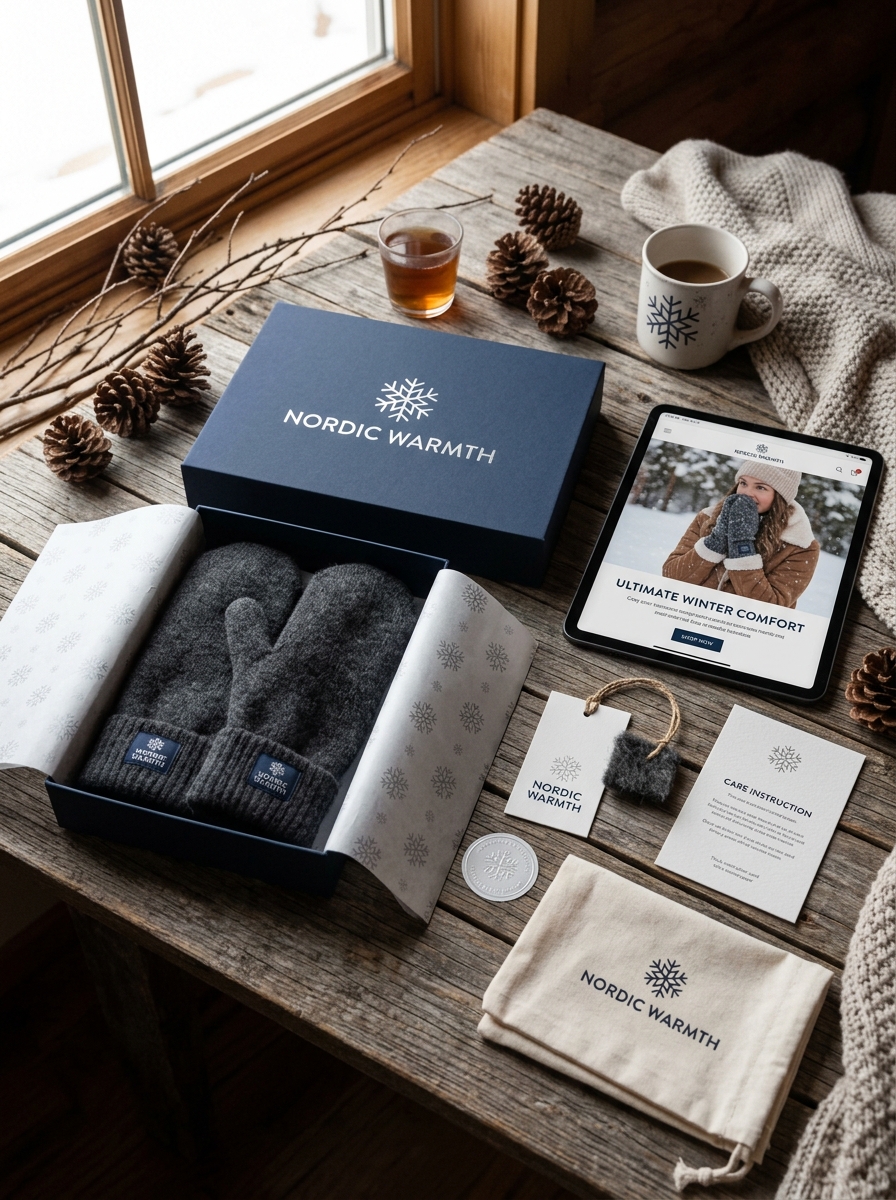
Developing mitten packaging design requires a strategic blend of functional protection and evocative brand storytelling. As seasonal shoppers seek warmth and comfort, the initial tactile interaction with a product's exterior defines their perception of quality and value. An effective brand aesthetic goes beyond simple logos; it integrates sustainable materials, sophisticated typography, and structural innovation to create a memorable unboxing experience.
Whether prioritizing minimalist kraft paper or high-end embossed finishes, every design element must align with the manufacturer's core identity. This exploration covers the fundamental principles of brand aesthetic development for winter accessories, focusing on how visual cues and material choices influence consumer loyalty. By mastering these design essentials, brands can transform standard winter wear into a premium lifestyle statement that resonates with audiences and secures a distinct presence on the retail shelf.
Core Brand Identity and Mitten Market Positioning
Establishing a strong brand identity in the handwear industry requires a focus on superior thermal insulation and artisanal craftsmanship. Our market positioning targets consumers seeking the ultimate balance between functional winter gear and high-end aesthetic appeal. Unlike standard gloves, mittens offer an enhanced warmth-to-weight ratio by leveraging collective finger heat, a key differentiator for extreme cold-weather performance.
By prioritizing sustainable materials and ergonomic designs, our brand secures a niche within the premium outdoor accessories segment. We position our products as essential equipment for both high-altitude expeditions and urban winter lifestyles. This strategic alignment ensures high brand recall among outdoor enthusiasts, solidifying our reputation as a leader in high-performance, durable, and stylish hand protection.
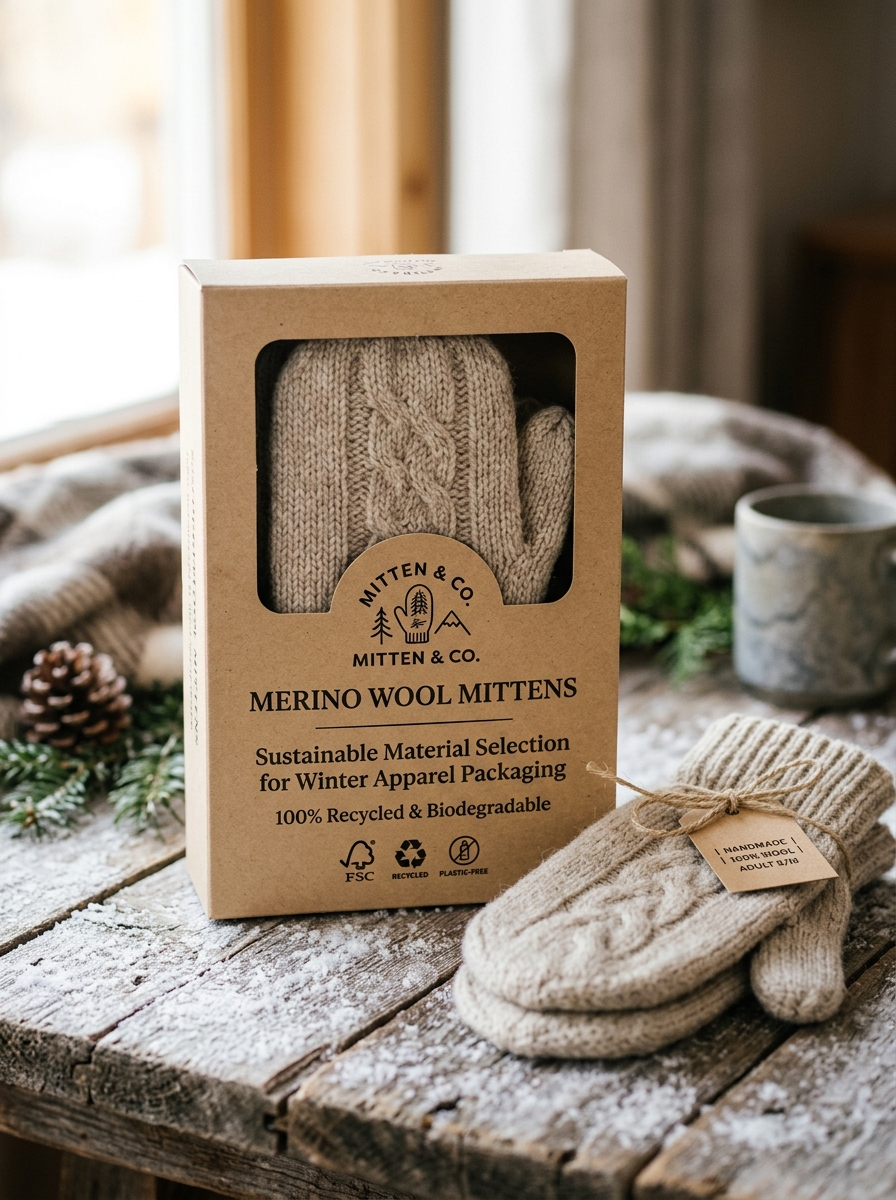
Sustainable Material Selection for Winter Apparel Packaging
Selecting eco-friendly materials for mitten packaging is essential for reducing the environmental footprint of winter apparel logistics. Sustainable brands prioritize biodegradable and recycled components to safeguard delicate wool or synthetic mittens without increasing plastic waste.
- FSC-Certified Paper: Ideal for branded wraps and hangtags, ensuring materials are sourced from responsibly managed forests.
- Compostable Mailers: These plant-based alternatives to traditional poly bags protect mittens from moisture and dust during transit.
- Recycled Cardboard: Provides durable, plastic-free protection for bulk shipping and retail displays.
By utilizing renewable fibers and non-toxic, water-based inks, manufacturers ensure their winter accessories remain pristine while appealing to eco-conscious consumers. These sustainable choices support a circular economy and reinforce a brand's commitment to environmental preservation.
Visual Storytelling Through Seasonal Graphic Elements
Mittens serve as a compelling canvas for visual storytelling, utilizing seasonal graphic elements to evoke the spirit of winter. Designers use motifs such as intricate snowflakes, Nordic stars, and evergreen silhouettes to communicate a narrative of heritage and warmth. These patterns transform simple knitwear into symbols of cozy nostalgia and seasonal transition.
Effective visual storytelling also relies on texture and color palettes. High-definition graphics highlighting thick cable knits or soft wool fibers emphasize tactile comfort against the cold. Meanwhile, a shift from icy blues and crisp whites to festive reds and deep greens mirrors the progression of the winter months. By integrating these specific graphic elements, mittens become more than functional accessories; they are a visual language that celebrates the artistry and atmosphere of the season.
Typography and Readability in Cold Weather Product Labeling
For winter gear like mittens, effective typography on product labels is essential for consumer safety and usability. Cold environments often present challenges such as low light, snow glare, and reduced manual dexterity. Consequently, manufacturers prioritize high-contrast color palettes and bold, sans-serif typefaces to ensure maximum legibility.
Key typographic optimizations include:
- Font Scale: Larger point sizes allow users to read care instructions and thermal ratings without removing their gear in freezing temperatures.
- Letter Spacing: Increased kerning prevents characters from blurring together during heavy precipitation or frost buildup.
- Durability: Type must be applied using specialized inks that resist cracking or fading caused by extreme thermal shifts.
By focusing on these semantic elements, brands ensure that vital information regarding waterproofing and insulation remains accessible in the most demanding winter conditions.
Color Theory for Warmth and Winter Aesthetics
Selecting the ideal color for mittens involves a strategic balance between thermal science and seasonal style. From a functional standpoint, darker pigments like charcoal, navy, and black are superior for solar heat absorption, helping to retain warmth during sunny winter days.
Psychologically, "warm" colors such as terracotta, deep red, and mustard evoke a sense of coziness and energy against the bleak winter landscape. For a cohesive winter aesthetic, neutral tones like cream, oatmeal, and camel offer a timeless "hygge" appeal, seamlessly blending with various outerwear.
By understanding color theory, you can choose mittens that provide high-contrast visibility for safety or muted palettes for sophisticated coordination. Ultimately, the right hue enhances both the perceived temperature and the overall visual harmony of your cold-weather ensemble.
Tactile Finishes and Textural Consumer Experience
The consumer appeal of mittens transcends basic thermal insulation, deeply rooted in the tactile experience of varied finishes. From the rugged grain of premium leather to the plush softness of brushed fleece and shearling linings, these textures define a product's perceived quality and comfort level.
Cable-knit patterns offer a nostalgic, artisanal feel, while technical, water-resistant shells provide a sleek, functional touch for outdoor enthusiasts. These textural finishes play a crucial role in the purchasing journey, as users seek a balance between grip, durability, and skin-contact comfort. By prioritizing diverse haptic feedback-such as the ribbed elasticity of cuffs or the smoothness of internal silk blends-manufacturers enhance the consumer experience, making mittens a multi-sensory winter essential that prioritizes both ergonomics and aesthetic satisfaction.
Functional Structural Design for Protective Glove Housing
The functional structural design of mittens focuses on a unified housing system that optimizes thermal regulation. By grouping the four fingers within a single internal chamber, the design minimizes surface area exposure and leverages collective body heat. This anatomical approach is superior for caloric conservation compared to traditional fingered gloves.
A robust mitten housing typically incorporates a weather-resistant outer shell and a specialized thumb pivot for essential dexterity. The structural integrity is maintained through reinforced seams and multi-layered barriers that protect against moisture infiltration and mechanical abrasion. From an ergonomic perspective, the protective housing ensures the distal phalanges remain mobile and warm, providing a high-performance solution for extreme environmental protection and thermal retention.
Demographic Alignment and Lifestyle Photography Integration
To effectively market mittens, brands must prioritize demographic alignment by tailoring product features to specific user groups, such as outdoor athletes, daily commuters, or families. Identifying these segments allows for more precise messaging regarding insulation levels, durability, and style.
Integrating lifestyle photography is essential for translating these technical attributes into relatable consumer experiences. By placing winter accessories within authentic contexts-such as a snowy hiking trail or a frost-covered morning commute-brands foster an emotional connection with their target audience. This visual storytelling demonstrates product utility in real-world scenarios, enhancing brand credibility. When high-quality imagery reflects the aspirational lifestyles of the intended demographic, it significantly boosts engagement and conversion rates, ensuring the mitten collection resonates as both a practical necessity and a seasonal fashion statement.
Essential Care Instructions and Technical Specification Layouts
Maintaining the longevity and thermal performance of mittens requires specific care. Most high-performance handwear should be hand-washed using mild detergents to protect delicate fibers and specialized coatings. Always air-dry flat, away from direct heat sources, to prevent shrinkage or shell damage.
Technical specifications for quality mittens typically focus on three core layers:
- Exterior Shell: Durable, water-resistant fabrics like treated nylon or leather for windproofing.
- Thermal Insulation: Measured in grams (e.g., 100g Thinsulate) for calibrated heat retention.
- Moisture Management: Wicking linings such as fleece or brushed tricot to keep hands dry.
Detailed specification layouts also highlight reinforced palms for grip and adjustable gauntlet cuffs, ensuring maximum protection and durability in extreme cold environments.
Cohesive Brand Aesthetic Across Multi-Channel Distribution
For a premier mittens brand, maintaining a unified visual identity across all sales channels is vital for building consumer trust and brand recall. Whether customers are browsing winter accessories on an e-commerce platform, scrolling through social media, or visiting a physical boutique, the aesthetic must remain seamless. This involves a disciplined application of color palettes, high-resolution lifestyle imagery, and typography that reflects the warmth and craftsmanship of the product.
Strategic multi-channel distribution requires that every touchpoint-from digital storefronts to wholesale packaging-communicates the same brand story. By ensuring design continuity, mitten retailers can differentiate their thermal handwear in a crowded market. A cohesive aesthetic reinforces the perception of quality, ensuring that the brand's promise of comfort and style is consistently delivered, regardless of where the purchase occurs.
Leave a comment