
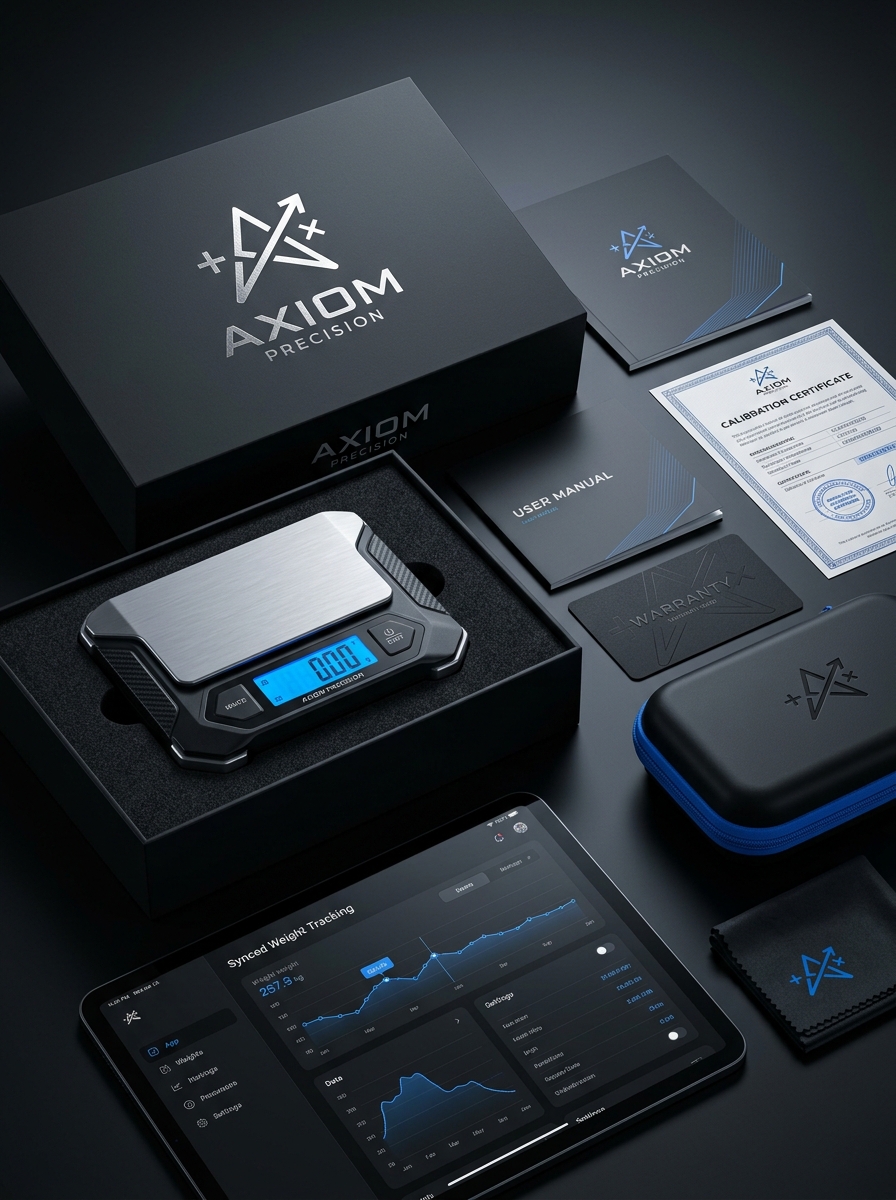
Elevating a precision digital pocket scale begins long before the device is powered on; it starts with the tactile and visual impact of its packaging. Effective packaging design for high-accuracy instruments must balance robust protective engineering with sophisticated visual aesthetics to communicate professional reliability. Because these devices rely on delicate internal sensors, the structural integrity of the housing is paramount to maintaining calibration during shipping and retail handling.
Simultaneously, the exterior design serves as a vital touchpoint for consumer trust, utilizing minimalist typography and high-contrast imagery to showcase technical specifications. By integrating functional durability with modern branding elements, manufacturers can significantly enhance the perceived value of their hardware. Understanding these essential design concepts ensures that the product remains secure while standing out through superior visual aesthetics and shelf presence.
The Strategic Role of Packaging in Digital Scale Marketing
In the competitive digital pocket scale market, packaging serves as a critical bridge between functional utility and consumer perception. Beyond mere protection, high-quality packaging communicates the precision and reliability essential for high-accuracy weighing instruments. Since these scales contain sensitive load cells, robust structural design ensures the device arrives calibrated and undamaged.
Strategically, the box acts as a silent salesman by highlighting key technical specifications like measurement increments, capacity, and tare functions. Retail-ready, compact designs reinforce the "portable" value proposition of a pocket scale. By utilizing premium finishes and clear branding, manufacturers can elevate a commodity product into a professional-grade tool, enhancing the unboxing experience and driving brand loyalty in the precision measurement industry.
Defining Visual Aesthetics for Precision Measurement Tools
The visual aesthetics of a digital pocket scale bridge the gap between industrial utility and modern consumer design. For precision measurement tools, design serves as a silent communicator of accuracy and reliability. Key aesthetic elements include minimalist interfaces, high-contrast backlit LCD screens, and sleek, brushed stainless steel weighing platforms that offer a professional finish.
A sophisticated aesthetic is achieved through a compact, slim form factor that prioritizes portability and durability. Ergonomic button placement and intuitive tactile feedback enhance the user experience, ensuring seamless operation. By utilizing clean lines and premium materials, manufacturers emphasize precision and quality. These design choices build user confidence, transforming a simple tool into a sophisticated instrument suitable for jewelry, laboratory, and culinary applications where every milligram matters.
Typography and Information Hierarchy for Product Clarity
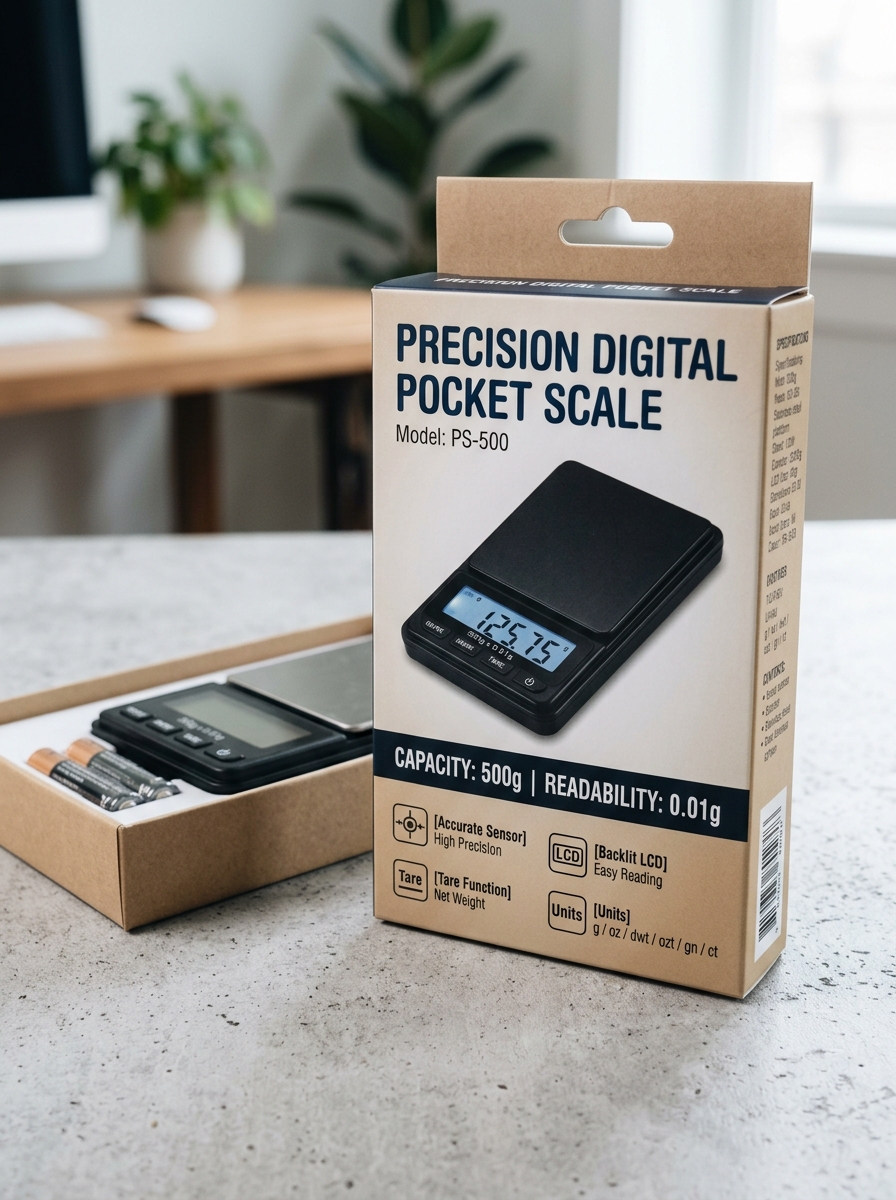
In the design of a digital pocket scale, typography and information hierarchy are essential for ensuring measurement precision and user efficiency. The interface typically utilizes a high-contrast LCD, where the numerical weight value serves as the primary focal point, rendered in a large, bold typeface for immediate legibility under various lighting conditions.
Effective hierarchy distinguishes between the numerical data and measurement units-such as grams, ounces, or carats-through size variation and strategic placement. Secondary indicators, including low battery warnings or stability icons, are positioned peripherally to avoid cluttering the central display.
Furthermore, clean, sans-serif labeling on functional buttons like TARE and MODE guides the user intuitively. By prioritizing essential information through font weight and layout, the scale minimizes cognitive load and reduces the risk of reading errors during professional or hobbyist use.
Material Selection for Durability and Component Protection
The longevity and precision of a digital pocket scale depend heavily on high-grade material selection. Manufacturers primarily utilize ABS plastic for the outer chassis due to its high impact resistance and lightweight portability, shielding internal circuitry from physical shocks.
For the weighing platform, brushed stainless steel is preferred. This material provides a non-corrosive, easy-to-clean surface that prevents chemical reactions from affecting measurement accuracy. Internally, the delicate strain gauge sensors are often housed in reinforced frames to prevent mechanical deformation during heavy use.
To ensure comprehensive component protection, many designs include an integrated flip-top cover. This serves as a physical barrier against dust, moisture, and accidental pressure, preserving the calibration of the load cell and the clarity of the LCD screen during transit or storage.
Incorporating Minimalist Design Principles for Modern Appeal
Modern digital pocket scales leverage minimalist design to balance high-precision technology with aesthetic elegance. By prioritizing a sleek, ultra-slim profile, these devices offer maximum portability without sacrificing durability.
A minimalist approach focuses on an intuitive user interface, often featuring simplified tactile buttons and a clear, backlit LCD for effortless readability. Utilizing premium materials like stainless steel platforms ensures a professional finish that fits seamlessly into contemporary kitchens, laboratories, or retail environments.
This design philosophy removes unnecessary clutter, emphasizing a clean layout that enhances the user experience. Whether weighing jewelry, herbs, or small parcels, a minimalist scale represents the perfect intersection of form and function, appealing to modern consumers who value both style and accuracy.
Color Psychology and Brand Identity in Scale Packaging
Color psychology is a vital element in the marketing of a digital pocket scale, as it directly influences consumer trust and perceived accuracy. Manufacturers strategically use color palettes to establish a strong brand identity. For example, sleek black packaging often communicates precision, luxury, and professional-grade quality, appealing to users who require high-end performance.
In contrast, vibrant blue is frequently utilized to evoke feelings of reliability and calmness, while white minimalist designs suggest cleanliness and modern simplicity. By aligning these visual cues with the functional benefits of portable weighing technology, brands can differentiate themselves in a crowded marketplace. Effective packaging design ensures that the precision scale is perceived as a dependable tool, reinforcing brand loyalty through visual storytelling before the consumer even interacts with the device.
Essential Graphic Elements for Technical Accuracy Displays
To ensure precise measurements, a digital pocket scale utilizes high-contrast visual indicators on its LCD or LED interface. These graphic elements are critical for interpreting data and maintaining technical integrity during use.
- Stability Indicators: Symbols such as a "lock" icon or a small circle notify the user when the load is perfectly balanced and ready for recording.
- Unit Annunciators: Clear labels for grams (g), carats (ct), and grains (gn) provide vital context, preventing conversion errors in professional settings.
- Overload Warnings: Visual alerts like "O-Ld" or flashing bars signal when the scale's capacity is exceeded, protecting the sensitive load cell from damage.
- Battery Status Icons: These monitor voltage levels, as low power can cause significant calibration drift and reading fluctuations.
These integrated graphics ensure the user receives real-time, accurate feedback for laboratory or precision tasks.
Enhancing the Consumer Unboxing Experience for Pocket Scales
The unboxing journey for a digital pocket scale is the primary touchpoint for establishing brand trust and perceived product quality. To elevate this experience, manufacturers prioritize protective packaging that ensures high-precision sensors remain calibrated during transit.
A premium unboxing experience should incorporate these key elements:
- Intuitive Documentation: Clear quick-start guides that simplify initial calibration.
- Sustainable Materials: Custom-fit, eco-friendly inserts that prevent mechanical shock.
- Immediate Utility: Including high-quality batteries for instant out-of-the-box functionality.
- Tactile Design: Minimalist aesthetics that reflect the device's technological sophistication.
By focusing on these sensory details, brands transform a simple weighing tool into a professional-grade instrument. This meticulous approach reduces user error, lowers return rates, and fosters consumer loyalty through a seamless first-use encounter.
Sustainability and Eco-Friendly Material Innovations
The manufacturing of digital pocket scales is shifting toward environmental responsibility through green engineering. Modern precision scales now incorporate recycled ABS plastics and renewable resources, such as natural bamboo, for durable and stylish weighing platforms. These material innovations significantly reduce the carbon footprint associated with portable electronic devices.
Beyond the chassis, sustainability efforts focus on energy efficiency. Many high-quality pocket scales now feature rechargeable lithium-ion batteries or solar-powered cells, eliminating the need for single-use alkaline batteries and reducing hazardous e-waste. Additionally, brands are adopting plastic-free, FSC-certified packaging to ensure the entire product lifecycle is eco-conscious. By integrating biodegradable components and energy-efficient circuitry, the latest digital scales offer high-precision performance while supporting a circular economy and protecting the planet.
Compliance Markings and Regulatory Design Requirements
To ensure safety, accuracy, and market legality, a digital pocket scale must adhere to strict regulatory design requirements. Manufacturers must prominently display compliance markings such as the CE mark for European safety standards, FCC certification for electromagnetic compatibility, and RoHS to confirm the absence of hazardous substances.
For scales used in commercial transactions, NTEP (National Type Evaluation Program) or OIML certifications are essential to certify the device as "legal-for-trade." Key design mandates include:
- Clear Labeling: Permanent markings of maximum capacity and readability (e.g., 500g x 0.01g).
- Data Integrity: Protection against radio frequency interference.
- Physical Construction: Secure battery compartments and overload protection mechanisms.
Meeting these international standards ensures the scale provides reliable precision while satisfying global import and consumer safety laws.
Leave a comment