
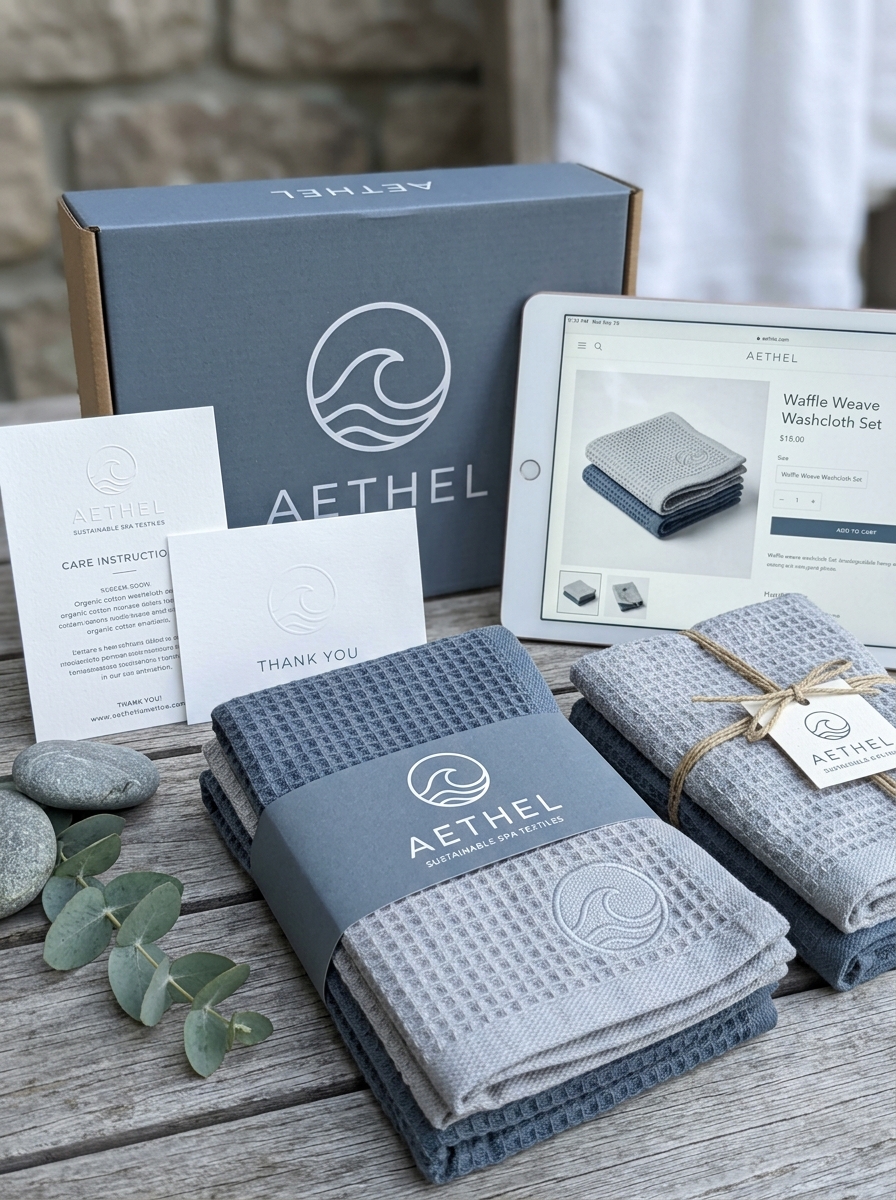
Elevating the retail presence of soft linens requires a strategic blend of visual storytelling and structural integrity. Mastering washcloth packaging design involves more than just containment; it creates an immediate sensory connection with the consumer. By integrating key aesthetic concepts such as minimalist typography and soothing color palettes, brands can communicate luxury and cleanliness before a customer even touches the fabric.
Strategic branding elements-ranging from sustainable material choices to transparent window cut-outs-serve to highlight product quality while reinforcing market positioning. Understanding the synergy between graphic design and tactile finishes is essential for any textile brand looking to distinguish its products. This exploration delves into how thoughtful packaging serves as the vital bridge between functional utility and a premium brand identity that resonates with modern shoppers.
Defining the Visual Identity of Luxury Bath Linens
The visual identity of high-end washcloths is rooted in material excellence and meticulous craftsmanship. A luxury washcloth is distinguished by its high GSM (Grams per Square Meter), which creates a dense, plush pile signifying superior absorbency and durability. Beyond weight, the aesthetic appeal lies in the textile's weave-often featuring elegant dobby borders or intricate jacquard patterns.
Premium fibers, such as long-staple Egyptian or Turkish cotton, contribute to a lustrous finish that elevates bathroom decor. The color palette of luxury linens typically focuses on sophisticated neutrals or deep, rich tones that maintain vibrancy over time. Ultimately, the visual identity of a washcloth serves as a hallmark of quality, blending tactile comfort with a refined design language essential for upscale hospitality and residential environments.
Selecting Sustainable Materials for Eco Conscious Consumers
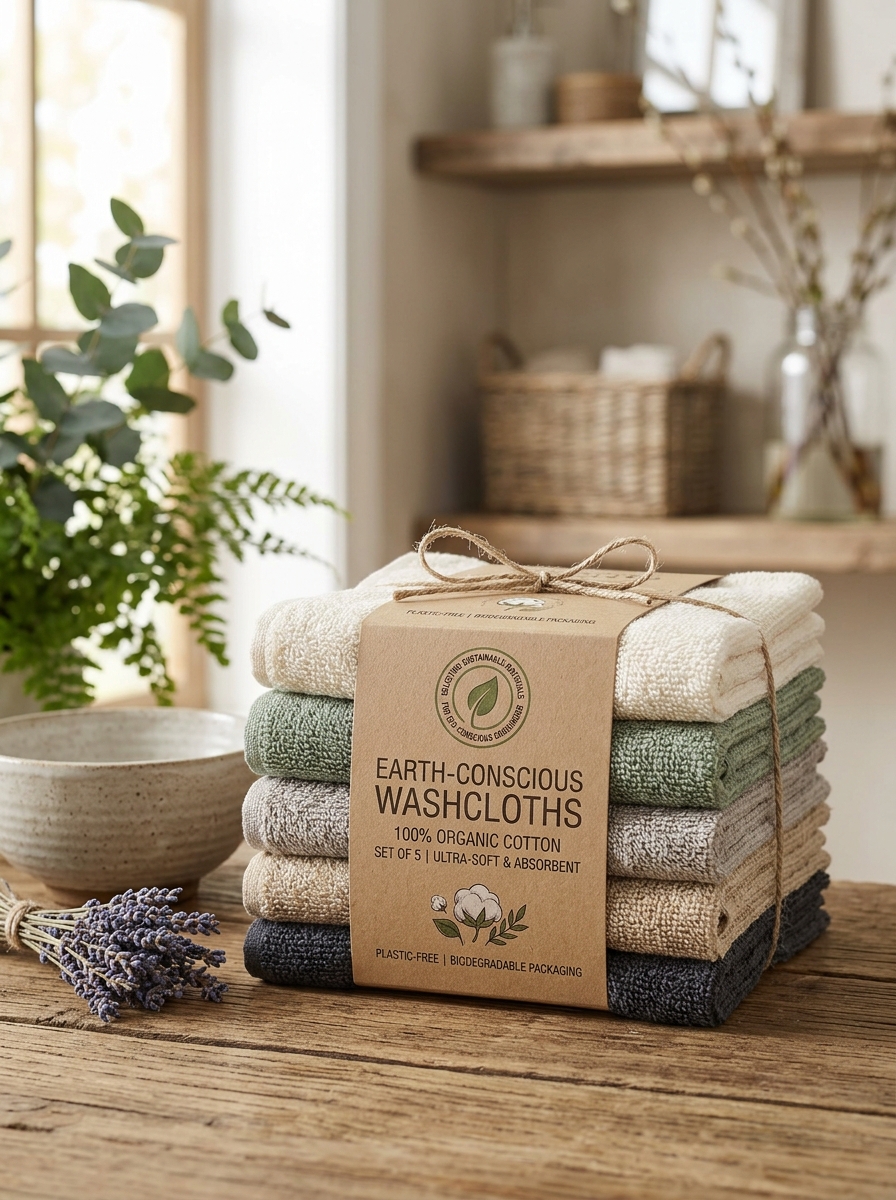
Choosing a sustainable washcloth is a vital step toward a zero-waste lifestyle. For eco-conscious consumers, the material composition determines both the environmental footprint and the product's longevity.
- Organic Cotton: Look for GOTS-certified fibers grown without synthetic pesticides, ensuring the fabric is biodegradable and gentle on sensitive skin.
- Bamboo: This rapidly renewable resource produces naturally hypoallergenic and antimicrobial cloths that require significantly less water than traditional cotton.
- Linen: Derived from flax, linen washcloths are incredibly durable, quick-drying, and become softer with each use, reducing the need for frequent replacements.
- Hemp: A sturdy, carbon-negative option that provides natural exfoliation while remaining resistant to mold and mildew.
Prioritizing plastic-free, natural fibers prevents microplastic pollution, ensuring your daily skincare routine supports global sustainability efforts.
The Role of Texture and Tactile Finishes in Packaging
For high-quality washcloths, tactile packaging is essential to communicate product value. Since consumers prioritize softness and fiber density, packaging finishes act as a sensory preview of the textile inside. Utilizing die-cut windows allows shoppers to directly feel the texture-whether it is plush organic cotton or exfoliating sisal-bridging the gap between visual appeal and physical quality.
Beyond direct contact, premium finishes like soft-touch lamination, embossing, or spot UV patterns can mimic the weave of the cloth on the box surface. These tactile elements create an emotional connection and signal luxury. By integrating specific textures into the packaging design, brands provide an interactive "try-before-you-buy" experience that validates the product's comfort and durability, ultimately driving purchasing decisions in a competitive skincare market.
Optimizing Product Visibility with Strategic Window Cutouts
Strategic window cutouts in washcloth packaging are essential for enhancing product visibility and driving consumer engagement. By incorporating clear apertures, brands allow shoppers to inspect the fabric texture, weave density, and color accuracy without compromising the product's hygiene.
For premium washcloths made from materials like organic cotton or bamboo, tactile reassurance is a key selling point. Window designs facilitate a "touch and feel" experience that builds consumer trust and validates the product's quality. This transparency reduces purchase hesitation and lowers return rates by ensuring the physical item aligns with customer expectations.
Optimizing retail packaging with these cutouts improves shelf appeal and differentiates brands in a crowded marketplace. By highlighting the softness and durability of the washcloth through strategic visibility, manufacturers can effectively communicate value and increase conversion rates.
Harmonizing Color Palettes with Minimalist Branding Aesthetics
Achieving visual synergy in bath linen collections requires a strategic approach to color selection. For a minimalist washcloth line, the palette must reflect the brand's core identity through understated elegance. Utilizing monochromatic tones-such as slate gray, muted ivory, or charcoal-fosters a sense of tranquility and modern luxury.
Minimalist branding thrives on the "less is more" philosophy. By selecting high-quality natural fibers like cotton or bamboo in neutral hues, brands communicate sophistication without visual clutter. This harmony between the physical washcloth and minimalist packaging ensures a cohesive customer experience. Semantic optimization involves choosing earth-inspired tones that evoke purity and cleanliness, aligning the product with the modern consumer's desire for functional, aesthetic simplicity in their daily skincare and self-care routines.
Functional Structure and Structural Integrity for Retail Displays
The structural integrity of a washcloth is determined by its weave density and edge reinforcement. To ensure premium presentation, manufacturers utilize high GSM (Grams per Square Meter) ratings, providing the necessary loft and "hand" required for stable stacking. A robust functional structure often features double-stitched hems and lock-stitched borders, which prevent fraying and shape distortion during frequent consumer handling.
For effective retail displays, dimensional stability is crucial. Whether folded, rolled, or bundled, the textile must maintain its crisp edges and uniform silhouette. By employing a dense terry loop or waffle weave, the fabric gains the rigidity needed to resist sagging on shelves. These structural characteristics not only enhance the aesthetic appeal but also signal durability and quality to the end user, ensuring the product remains attractive from the stockroom to the point of sale.
Incorporating Brand Storytelling Through Graphic Elements
Every washcloth serves as a unique canvas for brand identity. By incorporating strategic graphic elements, manufacturers communicate core values beyond basic utility. Custom-designed patterns, such as delicate jacquard weaves or embroidered motifs, evoke feelings of spa-like luxury or organic purity.
For eco-conscious brands, minimalist iconography and earthy color palettes visually reinforce a commitment to sustainability. These visual cues act as silent narrators, telling a story of craftsmanship, textile heritage, and premium material selection. High-quality graphic integration-ranging from embossed logos to specialized woven labels-transforms a simple hygiene tool into a recognizable lifestyle statement.
By aligning visual aesthetics with a brand's mission, companies build deeper emotional connections with consumers, ensuring their linens stand out in a competitive marketplace through purposeful design and narrative-driven artistry.
Effective Information Hierarchy for Product Specifications
To optimize consumer clarity and search engine indexing, washcloth product specifications should follow a logical hierarchy based on performance and quality markers. Prioritizing technical data allows buyers to assess tactile expectations and durability quickly.
- Material Composition: Primary focus on fiber type, such as 100% Ring-Spun Cotton or Bamboo, which dictates absorbency and skin feel.
- Fabric Weight (GSM): Highlighting Grams per Square Meter (e.g., 500–700 GSM) indicates the cloth's thickness, plushness, and quality tier.
- Dimensions and Weave: Standard sizing (typically 12x12 inches) and weave style (terry, waffle, or muslin) affect drying time and exfoliation levels.
- Safety Certifications: Technical validation like OEKO-TEX Standard 100 ensures the textile is free from harmful substances.
Structuring information this way ensures that the most critical "quality signals" are processed first by both users and web crawlers.
The Impact of Typography on Premium Brand Perception
In the competitive bath linen market, typography serves as a primary visual cue for quality and luxury. For premium washcloth brands, the choice of typeface directly influences a consumer's subconscious assessment of the product's texture and value.
Elegant serif fonts often evoke a sense of tradition and artisanal craftsmanship, suggesting that the washcloth is made from superior, long-staple cotton. Meanwhile, clean sans-serif typefaces communicate modern sophistication and minimalist purity, aligning with high-end spa aesthetics.
Strategic use of whitespace and refined lettering on packaging elevates the brand from a basic utility to a sophisticated lifestyle essential. By harmonizing typographic weight with brand identity, manufacturers can effectively justify premium pricing and foster trust, transforming a simple washcloth into an emblem of daily indulgence.
Future Trends in Innovative Textile Packaging Solutions
The washcloth industry is evolving rapidly, with a focus on sustainable and functional packaging to meet modern consumer demands. Future trends prioritize biodegradable materials, such as compostable cornstarch films and recycled paperboard, significantly reducing the environmental footprint of bath linens. Smart packaging integration is also emerging, utilizing QR codes to provide customers with instant transparency regarding fiber sourcing and organic certifications.
To enhance hygiene, innovative textiles now feature antimicrobial packaging inserts that maintain product freshness during transit. Furthermore, reusable pouch designs allow consumers to repurpose packaging for travel or storage, aligning with circular economy goals. Minimalist, plastic-free layouts are becoming the gold standard for premium washcloth brands, ensuring high-quality cotton or bamboo products are delivered in a manner that protects both the textile and the planet.
Leave a comment