
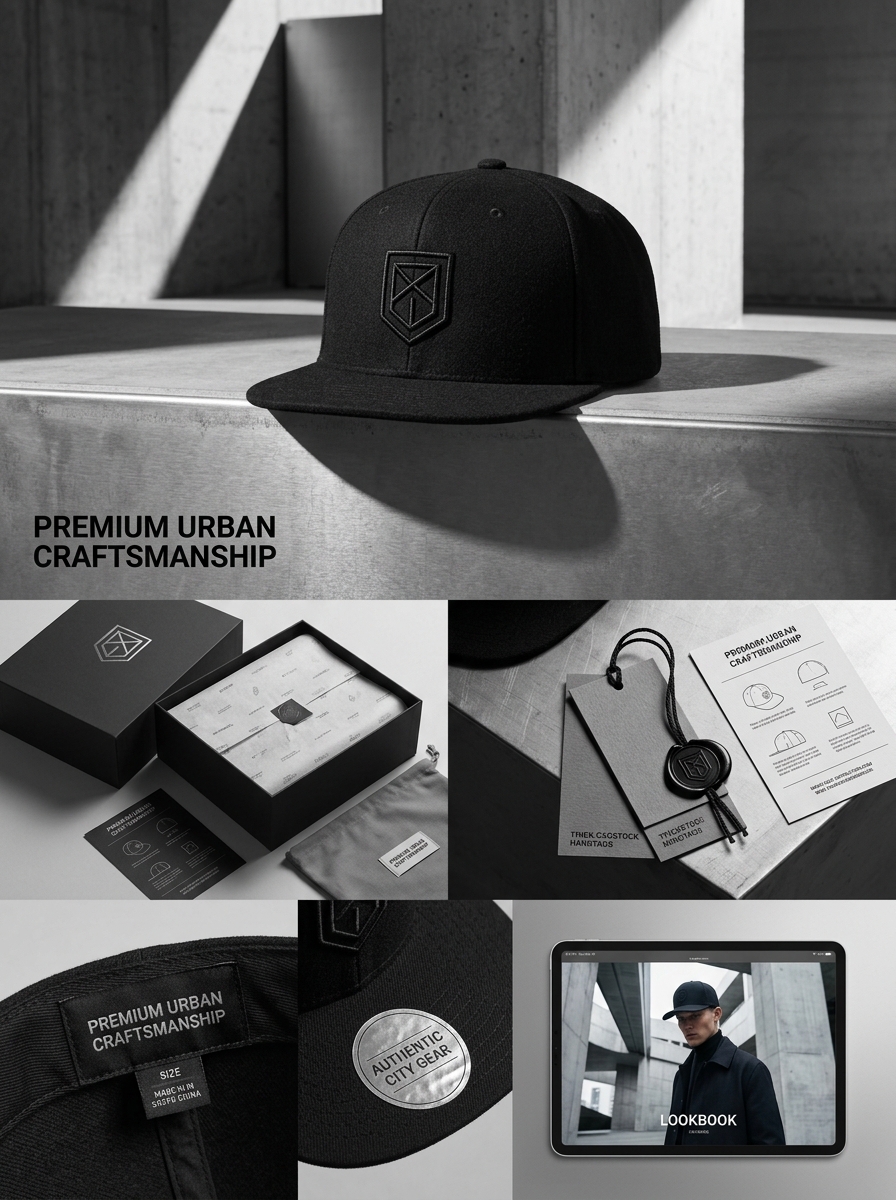
Hat packaging design serves as a critical bridge between product protection and premium brand storytelling. Beyond shielding delicate brims and crowns from transit damage, thoughtful headwear containers act as a physical extension of a brand's identity. By integrating sophisticated aesthetic principles-such as minimalist typography, sustainable materials, and structural innovation-designers can transform a standard shipping box into a memorable unboxing ritual.
This exploration delves into the essential creative concepts that define modern hat packaging, focusing on how visual harmony and functional durability elevate the consumer experience. Whether crafting luxury hat boxes for fedoras or eco-friendly sleeves for baseball caps, understanding the synergy between form and function is vital for establishing a lasting impression in the modern retail landscape.
The Evolution of Headwear Brand Identity through Packaging
Traditionally, hat packaging served a purely functional purpose: protecting delicate brims and crowns during transit. However, as the global headwear industry evolved, packaging transformed into a critical tool for brand storytelling. Modern labels now utilize custom boxes to communicate heritage, luxury, and craftsmanship.
From high-end millinery hatboxes with silk linings to eco-friendly, minimalist containers for streetwear caps, packaging directly influences consumer perception. The unboxing experience has become a vital marketing touchpoint, where tactile materials and strategic logo placement reinforce brand recognition. By integrating distinctive aesthetics into protective designs, brands elevate hats from simple accessories to premium lifestyle statements. This evolution ensures that brand identity remains consistent, bridging the gap between the retail shelf and the consumer's wardrobe.
Core Structural Elements for Shape Preservation and Protection
A hat's durability and silhouette depend on specific engineering components designed for environmental defense and structural integrity. The crown acts as the central housing, often reinforced with stiffening agents or buckram to maintain height and resist deformation. This is complemented by the brim, which provides essential sun protection while acting as a structural anchor to prevent warping.
Internal components are equally vital for longevity. The sweatband provides a snug fit and serves as a moisture barrier, protecting the exterior fabric from oils and perspiration. Additionally, a lining prevents friction damage and preserves the hat's internal architecture. Together, these elements create a robust framework, ensuring the headwear retains its aesthetic form and protective capabilities throughout its lifespan, even under rigorous environmental conditions.
Selecting Premium Materials for Sustainable Hat Boxes
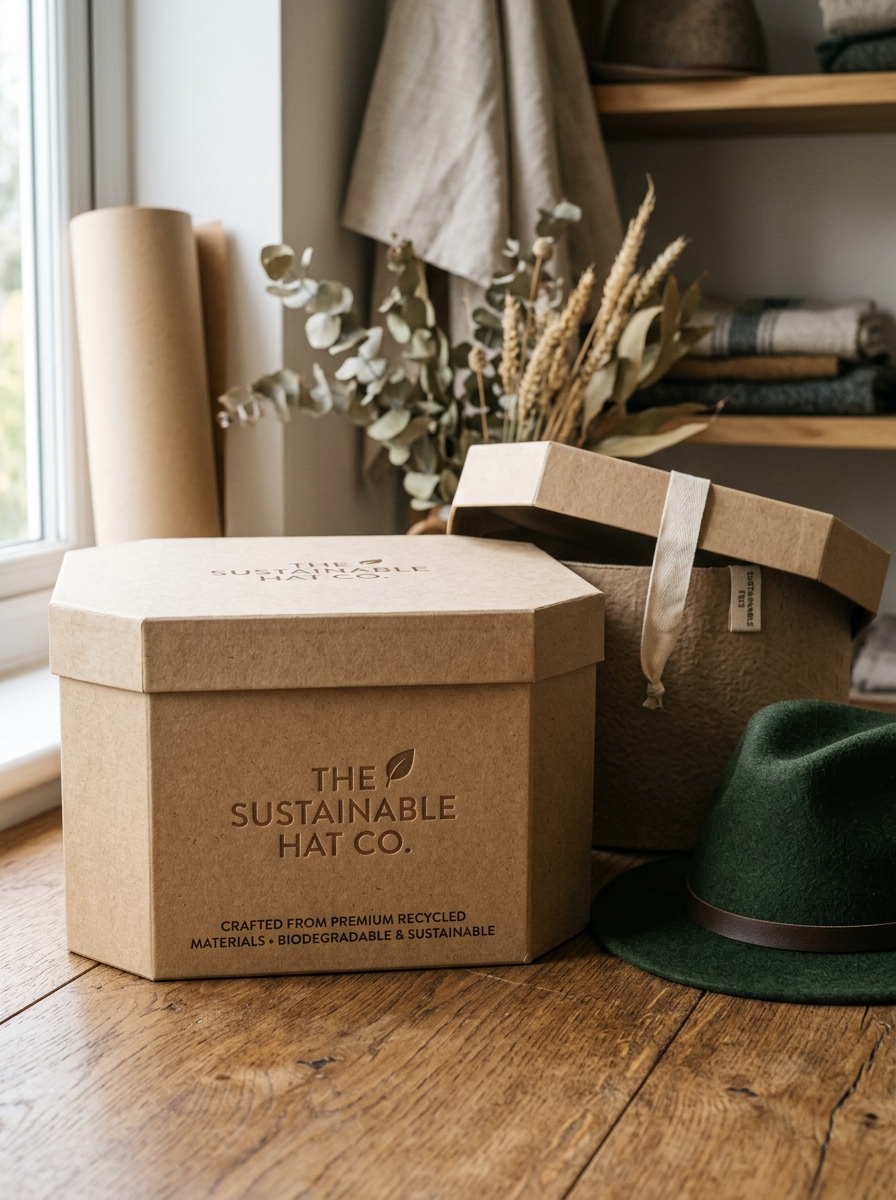
Choosing the right materials for luxury hat packaging is essential for balancing brand prestige with environmental responsibility. High-quality, sustainable hat boxes typically utilize FSC-certified paperboard or recycled post-consumer waste, providing a sturdy structure that protects delicate headwear from crushing or moisture.
To enhance durability without compromising the planet, manufacturers are turning to acid-free Kraft paper and biodegradable soy-based inks. These materials prevent fabric yellowing and ensure that premium fedoras or fascinators remain in pristine condition. Incorporating organic cotton handles or hemp ties further elevates the unboxing experience while supporting a circular fashion economy. By prioritizing eco-friendly, high-density materials, brands can offer superior protection and sophisticated aesthetics that resonate with conscious consumers seeking long-lasting storage solutions for their investment pieces.
The Psychology of Color in Hat Packaging Design
Color psychology is a vital element in hat packaging design, as it directly influences consumer emotions and brand perception. Strategic color choices communicate the character of the headwear before the product is even revealed. For example, black and silver are often employed for high-end fedoras or luxury hats to signal sophistication, elegance, and premium quality.
Conversely, vibrant shades like red or neon are frequently used for streetwear and snapbacks to evoke energy and excitement. Earthy tones, such as forest green or sand, are preferred for outdoor brands to emphasize durability and sustainability. By aligning the packaging palette with the hat's intended use, brands can enhance the unboxing experience, build consumer trust, and differentiate their products in a competitive retail market.
Minimalist vs Maximalist Visual Aesthetics for Headwear
The visual impact of a hat is often defined by the tension between minimalism and maximalism. Each aesthetic offers a unique way to frame the face and complement an outfit.
- Minimalist Headwear: Focuses on "less is more." This style prioritizes clean lines, neutral palettes, and high-quality materials. Examples include monochromatic felt fedoras or sleek, unbranded beanies that offer functional elegance without overwhelming the wearer's features.
- Maximalist Headwear: Embraces the "more is more" philosophy. These designs feature bold patterns, vibrant colors, and exaggerated silhouettes. Think oversized sun hats, embellished fascinators, or neon bucket hats that serve as a daring focal point of self-expression.
Choosing between these styles depends on whether the goal is subtle sophistication or a high-impact fashion statement. Both aesthetics remain essential in contemporary headwear design.
Typography and Branding Integration on Packaging Surfaces
In the headwear industry, hat packaging serves as a vital extension of brand identity. Integrating typography onto surfaces like rigid hat boxes or premium dust bags requires a balance between aesthetics and information hierarchy. Font selection must mirror the product's character; for instance, bold, blocky typefaces often complement athletic snapbacks, while sophisticated, high-contrast serifs are reserved for luxury fedoras.
Effective integration utilizes techniques such as embossing, debossing, or metallic foil stamping to create a tactile experience. Designers strategically place logos and brand names to ensure visibility from multiple angles, especially when products are stacked in retail environments. By aligning typographic scale with the packaging's geometry, brands create a cohesive visual language that enhances the unboxing experience and reinforces brand loyalty through professional, high-quality presentation.
Curating an Immersive Unboxing Experience for Customers
For enthusiasts, purchasing a premium hat is an investment in style. The unboxing process serves as the first physical touchpoint between the brand and the consumer, making it a critical opportunity to build loyalty. High-quality packaging must prioritize both aesthetics and protection; using custom-fitted, sturdy boxes ensures that structured crowns and wide brims maintain their shape during transit.
To deepen the immersion, consider adding tactile elements such as branded silk tissue paper, personalized thank-you notes, and a high-quality dust bag for long-term storage. Including detailed hat-care instructions or a small polishing brush adds perceived value and demonstrates expertise. By treating the delivery as a ritual rather than just shipping, you reinforce the craftsmanship of the headwear and encourage customers to share their experience on social media.
Functional Design Features for Storage and Portability
Modern headwear prioritizes convenience through innovative engineering, ensuring style meets utility. Key functional features include packable materials such as crushable wool felt and resilient synthetic blends, which allow hats to be compressed into luggage without losing their structural integrity.
- Shape Memory: Advanced fibers enable brims to bounce back to their original form after storage.
- Integrated Loops: Many outdoor and performance hats feature carabiner clips or attachment loops for easy transport on backpacks.
- Collapsible Construction: Unstructured designs, like bucket hats and soft caps, utilize minimal internal stiffening to maximize space-efficiency.
These portability enhancements cater to travelers and commuters, offering space-saving solutions while preventing permanent creasing. By integrating lightweight frameworks and adjustable components, manufacturers ensure high-quality hats remain durable and accessible during transit.
Creative Customization Concepts for Limited Edition Collections
Elevating headwear through limited edition customization transforms a standard accessory into a high-value collectible. For premium hat brands, creative concepts often involve bespoke embroidery, hand-painted textures, or the integration of rare materials like sustainable cork and vintage deadstock textiles.
Innovative technological integration, such as NFC-enabled patches, provides digital authentication and exclusive content for collectors. Furthermore, offering modular components-including interchangeable crowns or detachable brim accents-allows consumers to personalize their silhouette while maintaining the rarity of the base design. By focusing on artisan craftsmanship and unique textural contrasts, designers can drive scarcity and demand. These high-end customization strategies ensure that each piece in a capsule collection serves as a distinct statement of style and exclusivity within the competitive headwear market.
Future Innovations in Smart and Eco-Conscious Hat Packaging
The future of hat packaging lies at the intersection of technological integration and environmental responsibility. Manufacturers are transitioning toward eco-conscious materials, such as biodegradable mycelium inserts and recycled ocean plastics, to reduce the carbon footprint of bulky headwear boxes.
Simultaneously, smart packaging is revolutionizing the unboxing experience. Embedded NFC tags and QR codes provide consumers with instant access to hat care guides, styling tips, and digital certificates of authenticity for premium felt or straw pieces. Innovative moisture-control sensors are also being developed to monitor humidity levels within the box, ensuring that delicate materials are preserved during global transit. By merging circular design with digital connectivity, the industry is creating sustainable solutions that protect both the product and the planet.
Leave a comment