
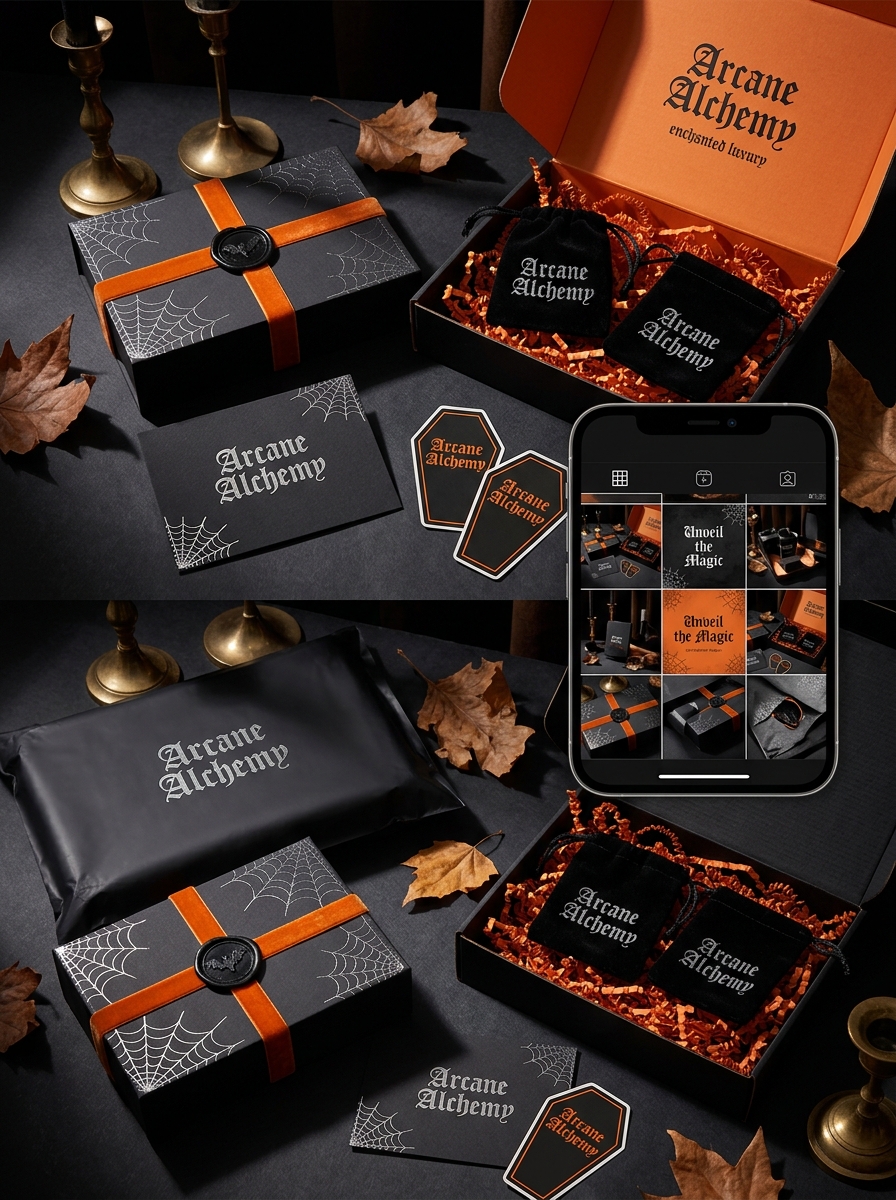
As autumn approaches, Halloween packaging design offers a unique opportunity for brands to harness the spectral allure of the season and drive consumer engagement. Effective seasonal branding transcends mere spookiness; it represents a strategic fusion of visual storytelling and emotional connection. By integrating iconic motifs-ranging from gothic typography to striking palettes of pumpkin orange and midnight black-businesses can transform standard products into high-value limited editions.
Mastering the aesthetics of the macabre requires a delicate balance between nostalgia and contemporary design trends. Whether through tactile textures or interactive unboxing experiences, impactful seasonal packaging ensures a product resonates with the festive spirit of October. This exploration into key concepts and aesthetic principles provides the framework necessary to elevate your brand's retail presence and create a lasting impression during the spooky season.
The Psychology of Halloween Color Palettes and Visual Contrast
The psychology of Halloween color palettes relies on high visual contrast to evoke specific emotional responses. Orange, representing the harvest and fire, provides warmth and vitality against Black, which symbolizes death and the unknown. This stark juxtaposition creates a physiological state of alertness and excitement.
Modern palettes often incorporate Purple and Neon Green to signal the supernatural. Purple suggests mystery and magic, while Green evokes eerie, toxic, or otherworldly elements. By utilizing complementary colors and sharp tonal differences, Halloween imagery captures attention and triggers a primal curiosity. These palettes leverage color theory to ground the holiday in both the natural cycle of the seasons and the metaphysical realm of the macabre, making the visual experience instantly recognizable and psychologically stimulating.
Modern Interpretations of Classic Spooky Iconography and Themes
Contemporary Halloween celebrations breathe new life into ancient traditions by blending traditional folklore with modern aesthetics. Classic icons-such as witches, vampires, and skeletons-have evolved from purely malevolent figures into versatile symbols of pop culture and creative identity.
Today's trends showcase a shift toward "Pastel Goth" palettes and hyper-realistic cinematic makeup, moving beyond basic orange-and-black clichés. Digital media has reimagined gothic themes through minimalist decor and folk-horror influences, making spooky imagery a year-round interior design staple. By integrating social commentary and high-fashion elements, modern interpretations maintain the holiday's mystical allure while reflecting current societal shifts. This evolution ensures that classic spooky motifs remain relevant, transforming ancient superstitions into sophisticated, multifaceted expressions for the 21st century.
Typography Strategies for Evoking Mystery and Seasonal Identity
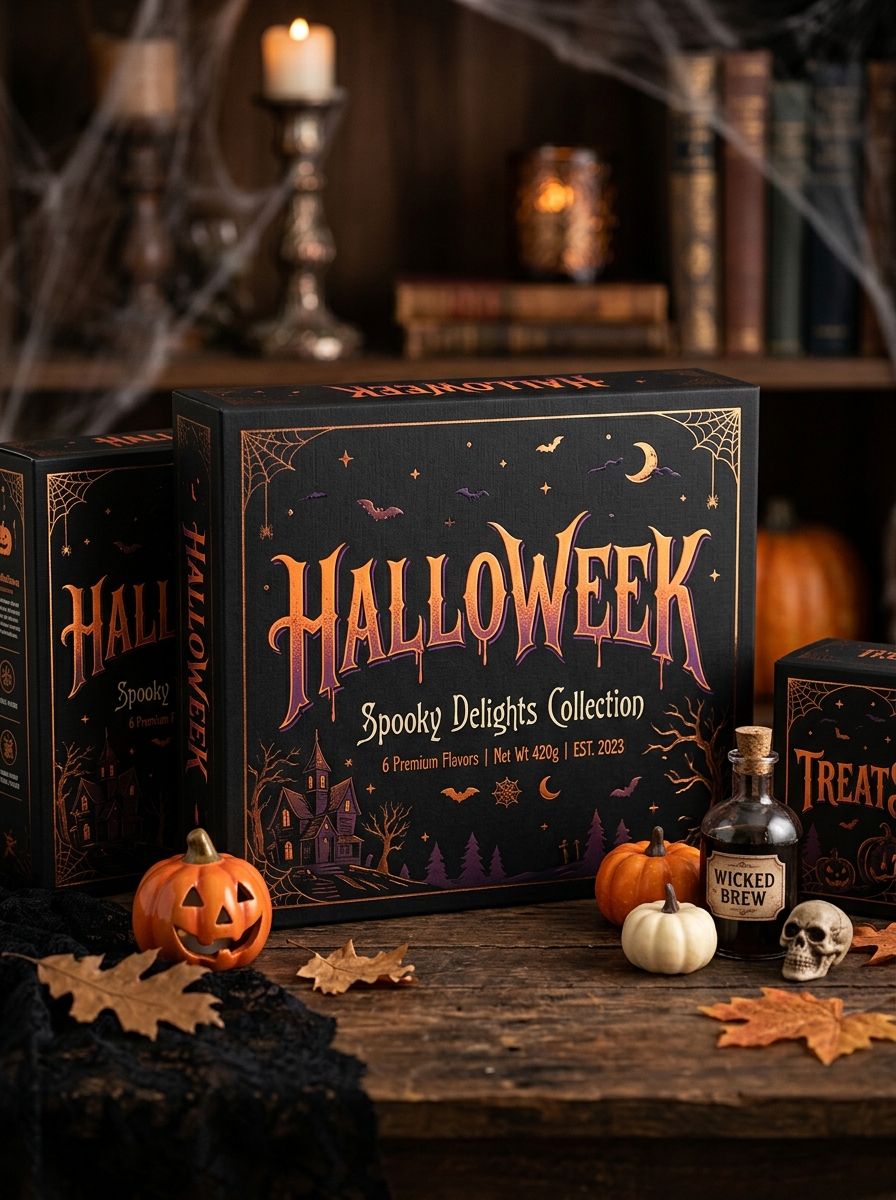
Effective Halloween typography leverages visual storytelling to establish an eerie seasonal identity. To evoke mystery, designers prioritize Gothic, Blackletter, or slab serif typefaces that carry historical weight and atmospheric gloom. Incorporating distressed textures or "bleeding" edges adds a visceral, decaying quality essential for horror-themed aesthetics.
Strategic kerning and tracking are vital; wide letter spacing creates a sense of isolation and suspense, while cramped, overlapping characters evoke claustrophobia. Furthermore, using fonts with sharp, needle-like terminals suggests a blend of danger and elegance.
By balancing legibility with irregular baselines and expressive letterforms, creators can capture the macabre spirit of the holiday. These typographic choices ensure that seasonal branding resonates instantly with the audience's psychological expectations of suspense, nostalgia, and supernatural tradition.
Material Selection and Tactile Finishes for a Premium Eerie Feel
Elevating Halloween aesthetics requires a strategic focus on sensory engagement. To achieve a premium eerie feel, designers prioritize high-quality materials that evoke the supernatural. Utilizing soft-touch matte laminations creates a ghostly, velvet-like texture, while debossed elements simulate the weathered feel of ancient tombstones or aged parchment.
Incorporating spot UV coatings allows for subtle, "wet-look" highlights against matte backgrounds, perfect for mimicking blood droplets or misty shadows. For high-end packaging and decor, heavyweight textured stocks provide structural durability that feels substantial and luxurious. By blending these tactile finishes with dark, moody palettes, brands can transform standard spooky themes into a sophisticated, multi-sensory experience that resonates with discerning consumers seeking a premium haunting experience.
Balancing Playful Whimsy with Sophisticated Gothic Aesthetics
Mastering Halloween decor involves a curated blend of lighthearted spirit and dark refinement. To achieve this, focus on merging nostalgic festive elements with Victorian-inspired gothic luxury. Start by establishing a sophisticated foundation using a moody color palette of charcoal, deep plum, and forest green.
Elevate the atmosphere by incorporating rich textures like velvet drapes, antique brass candleholders, and delicate lace. Contrast these high-end finishes with whimsical accents-such as stylized crows or artisanal pumpkins-to maintain a sense of seasonal playfulness.
This design strategy creates a multidimensional experience that honors tradition while remaining visually mature. By prioritizing quality craftsmanship and thematic subtlety, you transform a space into an atmospheric haunt that feels both magical and timelessly elegant.
Limited Edition Packaging and the Power of Scarcity Marketing
During the Halloween season, brands leverage limited edition packaging to capitalize on the psychological principle of scarcity. By transforming standard products with spooky, seasonal aesthetics, companies create a heightened sense of urgency. This "scarcity marketing" strategy effectively triggers the consumer's fear of missing out (FOMO), turning everyday items into must-have collectibles.
These seasonal designs serve as powerful visual cues that signal exclusivity. Whether it is glow-in-the-dark wrappers or pumpkin-shaped containers, the temporary nature of the offer encourages impulse purchases and increases brand engagement. By restricting availability to the October window, retailers drive immediate demand and enhance the perceived value of their goods. Ultimately, Halloween packaging is a calculated tactic to accelerate the buyer's journey through manufactured rarity and festive appeal.
Integrating Storytelling through Narrative Driven Packaging Illustrations
During the Halloween season, brands transcend traditional aesthetics by utilizing narrative-driven packaging illustrations. Instead of static icons, storytelling transforms product labels into immersive visual experiences. These illustrations guide consumers through eerie chronicles featuring haunted landscapes, mystical creatures, and suspenseful seasonal themes.
By integrating sequential art or rich, detailed scenes, companies foster a deeper emotional connection with their audience. This storytelling approach enhances the consumer journey, turning a simple purchase into a memorable seasonal event. Semantic-rich packaging design not only captures attention on crowded retail shelves but also reinforces brand identity through character-led journeys. Ultimately, narrative packaging leverages the folklore of Halloween to build consumer loyalty and drive high-impact seasonal engagement.
Sustainable Design Solutions for Eco Conscious Halloween Branding
Modern Halloween branding is evolving to prioritize environmental responsibility without sacrificing festive impact. Transitioning to eco-conscious design involves moving away from single-use plastics and non-recyclable materials in seasonal campaigns. Brands can adopt sustainable packaging solutions by utilizing biodegradable substrates, FSC-certified paper, and soy-based inks to reduce their carbon footprint.
Key strategies for green Halloween design include:
- Minimalist Aesthetics: Using negative space to decrease ink consumption.
- Digital Assets: Prioritizing AR filters and virtual experiences over physical promotional waste.
- Circular Packaging: Designing containers that consumers can reuse as permanent home decor.
By implementing these sustainable design solutions, businesses can appeal to environmentally aware demographics while fostering a brand identity rooted in ethical consumption and creative innovation during the spooky season.
Interactive Elements and Augmented Reality in Seasonal Product Displays
Modern Halloween retailing leverages augmented reality (AR) and interactive technology to transform static displays into immersive brand experiences. By integrating motion-activated sensors and AR-powered digital overlays, retailers capture consumer attention through high-impact sensory engagement.
Key applications include:
- Virtual Try-Ons: Shoppers scan QR codes on costume packaging to preview masks or makeup via smartphone cameras.
- Gamified Displays: Interactive floor projections and hidden 3D animations that trigger when customers approach spooky merchandise.
- Shareable Content: Branded AR filters that allow users to interact with "haunted" products, driving organic social media visibility.
These tech-driven strategies enhance the customer journey, bridging the gap between physical retail and digital storytelling. Utilizing interactivity during the Halloween season not only boosts conversion rates but also creates a memorable, modern shopping atmosphere.
Enhancing the Unboxing Experience for Maximum Social Media Impact
In the competitive Halloween market, a product's packaging is as vital as the item itself. To drive organic reach on platforms like TikTok and Instagram, brands must curate a multisensory unboxing experience that compels customers to share their "spooky mail."
Key strategies for viral-ready Halloween packaging include:
- Themed Visuals: Utilize matte black mailers, gothic typography, and vibrant orange accents to create immediate visual intrigue.
- Interactive Elements: Incorporate spiderweb-patterned tissue paper, glow-in-the-dark stickers, or custom "scent-scapes" like pumpkin spice or forest pine.
- UGC Triggers: Include a call-to-action or a branded hashtag inside the lid to encourage user-generated content.
By transforming a routine delivery into a seasonal event, brands boost engagement and leverage digital word-of-mouth during the peak shopping window.
Leave a comment