
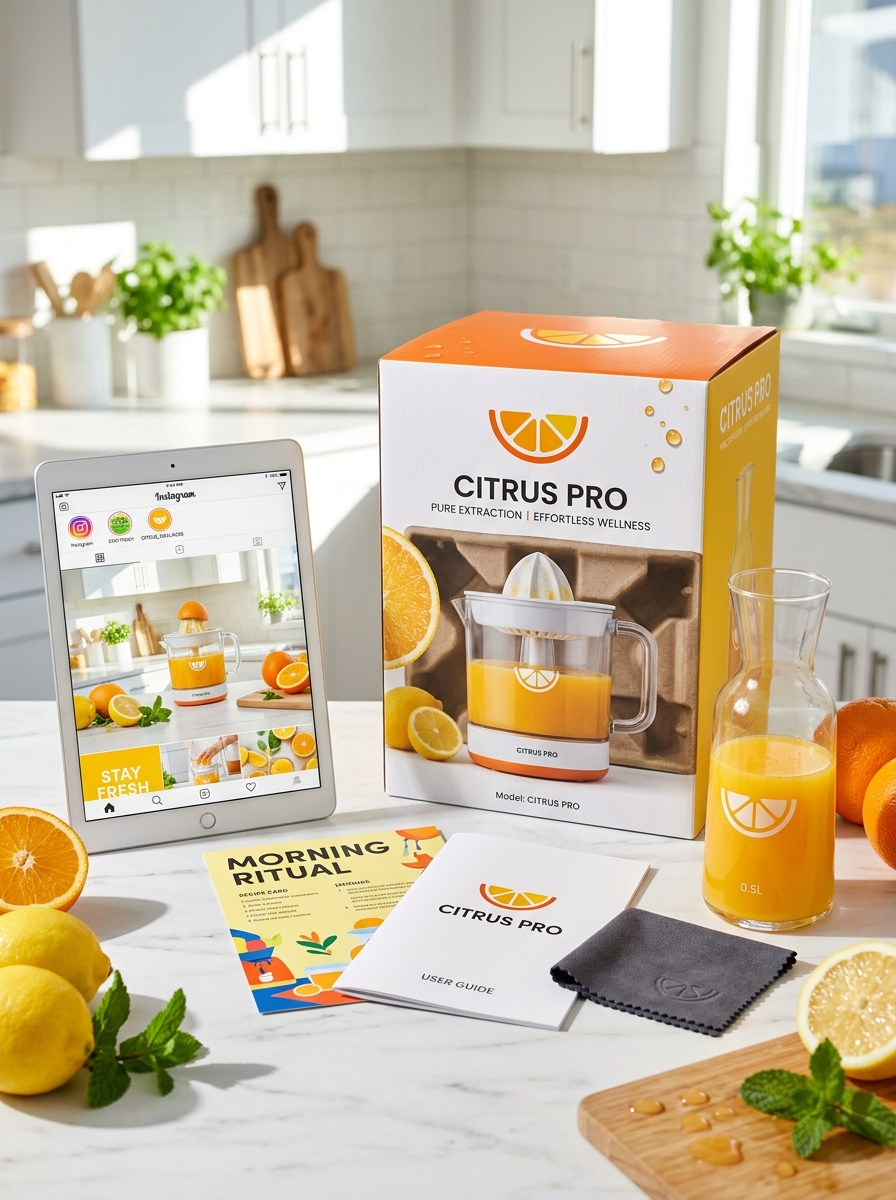
Mastering the art of citrus juicer packaging requires a strategic fusion of visual aesthetics and functional conceptual design. For modern kitchen appliance brands, the packaging serves as a critical touchpoint, bridging the gap between product performance and consumer desire. By prioritizing minimalist layouts, vibrant citrus-inspired color palettes, and high-quality tactile materials, designers can cultivate a premium brand identity that resonates instantly on the retail shelf.
Effective packaging design transcends simple protection; it communicates a narrative of health, freshness, and technological innovation. Integrating ergonomic structural design with sophisticated graphic elements ensures your product captures attention. This exploration into citrus juicer presentation delves into the essential elements of high-end unboxing experiences and sustainable material selection, providing a roadmap for achieving excellence in contemporary appliance packaging design and consumer engagement.
Defining the Visual Identity of Modern Citrus Juicers
The visual identity of modern citrus juicers is defined by a strategic blend of minimalist aesthetics and industrial efficiency. No longer viewed as mere utilitarian tools, these appliances are crafted to serve as sophisticated kitchen centerpieces. Contemporary design trends prioritize sleek, brushed stainless steel finishes, high-gloss accents, and streamlined silhouettes that complement modern interior decor.
Form follows function through ergonomic lever arms, transparent juice collectors, and integrated anti-drip spouts. By utilizing premium materials and clean geometric lines, manufacturers communicate professional-grade durability and hygiene. This evolution in design ensures that the device provides countertop appeal while maintaining the intuitive usability required for daily health routines. Ultimately, the modern juicer's visual language balances high-end luxury with the practical demands of the contemporary kitchen.
Color Theory and Vibrancy in Fruit Extraction Branding
In the citrus juicer industry, color theory is a strategic tool used to evoke immediate sensory responses. Brands prioritize high-saturation palettes-specifically vivid oranges, sun-drenched yellows, and lime greens-to mirror the natural pigments of the fruit. These hues are psychologically linked to freshness, energy, and high Vitamin C content, signaling health and vitality to the consumer.
Vibrant branding serves as visual shorthand for nutrient density and flavor intensity. By aligning appliance aesthetics with the chromatic brilliance of fresh produce, manufacturers emphasize the "living" quality of cold-pressed juice. This approach not only enhances shelf appeal but also reinforces the user's perception of purity. Effective color integration transforms a functional kitchen tool into a lifestyle symbol of wellness, making the extraction process feel as revitalizing as the juice itself.
Typography Strategies for Essential Kitchen Appliance Features
Effective typography on a citrus juicer enhances both usability and safety. Manufacturers utilize high-contrast, sans-serif typefaces to ensure maximum legibility under various kitchen lighting conditions. By applying a clear visual hierarchy, brands highlight essential kitchen appliance features such as:
- Functional Labels: Using bold weights for "On/Off" or "Pulp Control" settings to prevent operational errors.
- Technical Specifications: Employing medium-weight fonts for wattage and capacity details to assist informed purchasing.
- Safety Compliance: Utilizing distinct, condensed fonts for "BPA-Free" certifications and cleaning warnings.
Strategic letter spacing and line heights improve readability on curved surfaces. By prioritizing clean, functional type over decorative styles, designers ensure that critical information remains accessible, promoting a seamless user experience for every home cook.
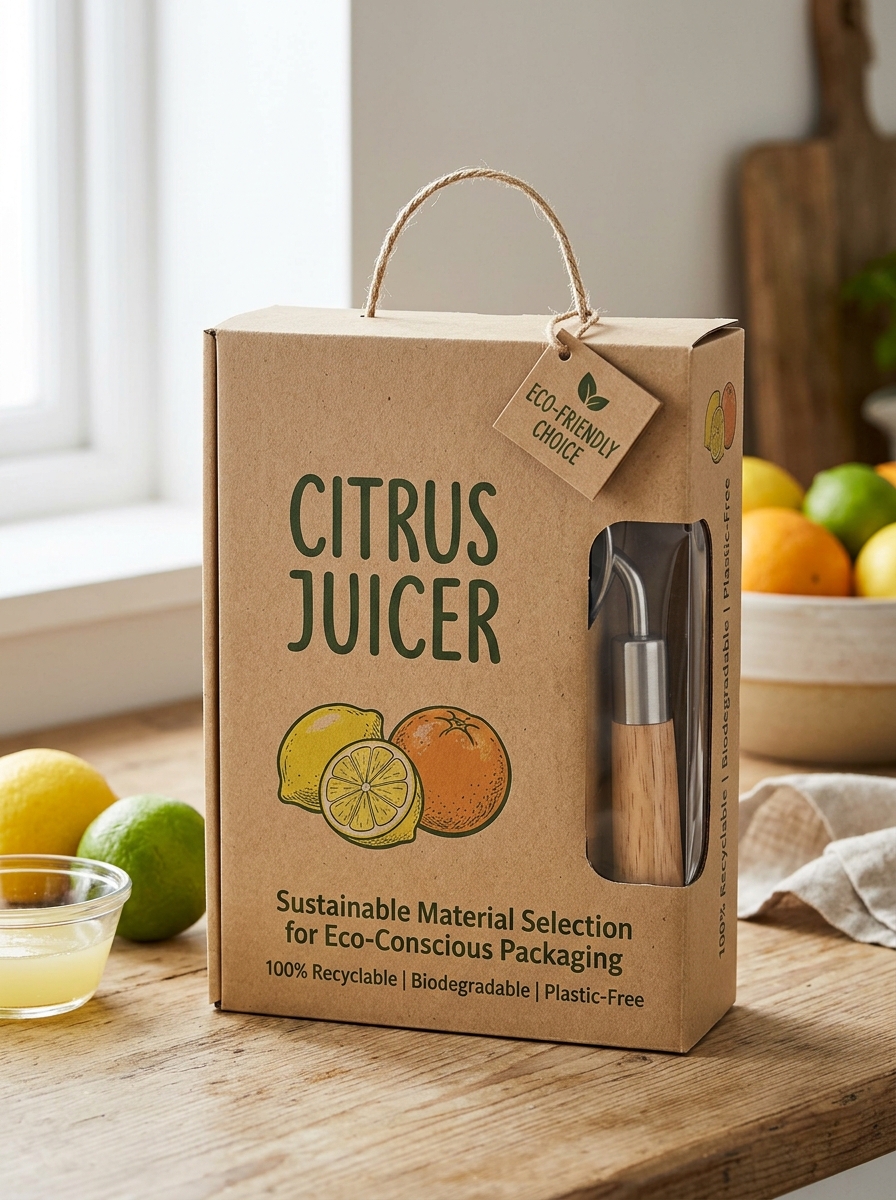
Sustainable Material Selection for Eco-Conscious Packaging
In the citrus juicer market, sustainable packaging is a critical touchpoint for environmentally aware consumers. Manufacturers are increasingly replacing expanded polystyrene with biodegradable molded pulp and recycled corrugated cardboard. These materials provide the structural integrity needed to protect delicate juicer components and glass carafes during transit while remaining fully recyclable.
By utilizing FSC-certified paper and soy-based inks, brands reduce the chemical footprint of their boxing. Furthermore, replacing traditional plastic polybags with compostable bioplastics ensures that every element of the citrus juicer's unboxing experience aligns with a circular economy. Selecting lightweight, right-sized packaging not only minimizes material waste but also optimizes shipping efficiency, significantly lowering the overall carbon emissions associated with distributing kitchen appliances.
Structural Integrity and Protection of Internal Components
The structural integrity of a citrus juicer is fundamental to its durability and operational safety. High-quality juicers are engineered with robust materials, such as stainless steel or reinforced BPA-free polymers, to withstand the high torque and pressure required during juice extraction.
To ensure longevity, manufacturers focus on protecting sensitive internal parts from the corrosive nature of citric acid. Key protective features include:
- Moisture-Resistant Seals: Prevents juice from leaking into the motor housing.
- Vibration-Dampening Chassis: Reduces mechanical stress on gears and circuitry.
- Thermal Overload Protection: Safeguards the motor from overheating during heavy use.
A well-constructed frame maintains precise alignment of the reamer and drive shaft, ensuring maximum juice yield while preventing premature wear of the internal mechanical assembly.
The Art of Product Photography and Illustrative Assets
Capturing the essence of a citrus juicer requires a strategic blend of high-resolution product photography and detailed illustrative assets. Professional imagery emphasizes the sleek textures of stainless steel and the ergonomic curves of the handle, using macro shots to highlight the precision of the pulp filter and reamer. High-quality visuals are essential for conveying build quality and material durability to the consumer.
Beyond standard photos, illustrative assets such as exploded-view diagrams and infographics provide a deeper understanding of the juicing mechanism. These visual tools effectively communicate:
- Motor power and torque specifications for electric models.
- Step-by-step assembly and easy-cleaning processes.
- Leverage ratios for manual citrus presses.
By integrating lifestyle photography with technical illustrations, brands create a compelling narrative that highlights both the functional efficiency and the aesthetic appeal of the appliance in a modern kitchen.
Curating a Memorable Unboxing Experience for Home Chefs
For a home chef, receiving a high-quality citrus juicer is the beginning of a new culinary chapter. A premium unboxing experience transcends mere packaging; it reflects the precision and craftsmanship of the tool within. Utilizing sustainable materials and a minimalist aesthetic ensures the ergonomic design and polished finish of the juicer are the primary focus upon opening.
To deepen the connection, brands should include tactile elements like recipe cards or a quick-start guide for maximizing juice yield. This thoughtful presentation transforms a standard kitchen appliance into a professional culinary instrument. By prioritizing the sensory journey-from the weight of the stainless steel to the intuitive assembly-manufacturers ensure that every chef feels inspired to infuse their dishes with fresh, vibrant citrus notes immediately.
Optimizing Shelf Presence and Retail Visibility Tactics
Maximizing the market impact of a citrus juicer requires strategic retail visibility tactics. Effective shelf presence begins with eye-catching packaging that highlights key performance metrics, such as torque power and pulp control versatility. Brands should prioritize eye-level placement to capture immediate consumer attention in high-traffic appliance aisles.
- Visual Merchandising: Use high-contrast imagery showcasing vibrant citrus fruits to trigger sensory appeal.
- Cross-Promotion: Position juicers near fresh produce sections to capitalize on contextual relevance and impulse buys.
- Informative Packaging: Clearly display unique selling points like dishwasher-safe components and ergonomic handle designs.
- Interactive Displays: Implement "try-before-you-buy" floor models to demonstrate build quality and ease of use.
By integrating these semantic-focused retail strategies, manufacturers can differentiate their juicing equipment, driving higher conversion rates and stronger brand recognition.
Communicating Technical Specs Through Minimalist Graphic Design
Minimalist graphic design translates complex citrus juicer specifications into intuitive visual data. By utilizing clean icons and purposeful typography, designers highlight critical technical details-such as motor wattage, extraction RPM, and reservoir capacity-without visual clutter.
For a high-performance citrus juicer, clarity is essential. Minimalist layouts leverage white space and high-contrast elements to emphasize premium features like BPA-free materials and silent-press technology. This design philosophy reduces cognitive load, allowing consumers to quickly assess a product's power and efficiency at a glance.
Effective communication through minimalism ensures that functional advantages remain the focal point. By prioritizing essential information over decorative flair, brands can articulate the precision engineering behind every squeeze, improving both user experience and technical transparency for the consumer.
Future Trends in Smart Kitchen Appliance Conceptualization
The next generation of citrus juicers is evolving through AI-integrated extraction and IoT connectivity. Future conceptualizations focus on precision, utilizing sensors that detect fruit size and ripeness to automatically adjust torque for maximum nutrient retention. These smart appliances are becoming integral to the connected kitchen ecosystem, syncing with health apps to track vitamin C intake and provide personalized nutritional insights.
Sustainability remains a primary trend, with designers adopting circular economy materials and modular builds for enhanced durability. Emerging innovations include voice-activated automation and silent-motor technology, optimizing the user experience. By merging machine learning with ergonomic design, future juicers will offer customized pulp control and automated cleaning cycles, transforming a traditional tool into a sophisticated, data-driven wellness device that prioritizes both efficiency and health-conscious living.
Leave a comment