
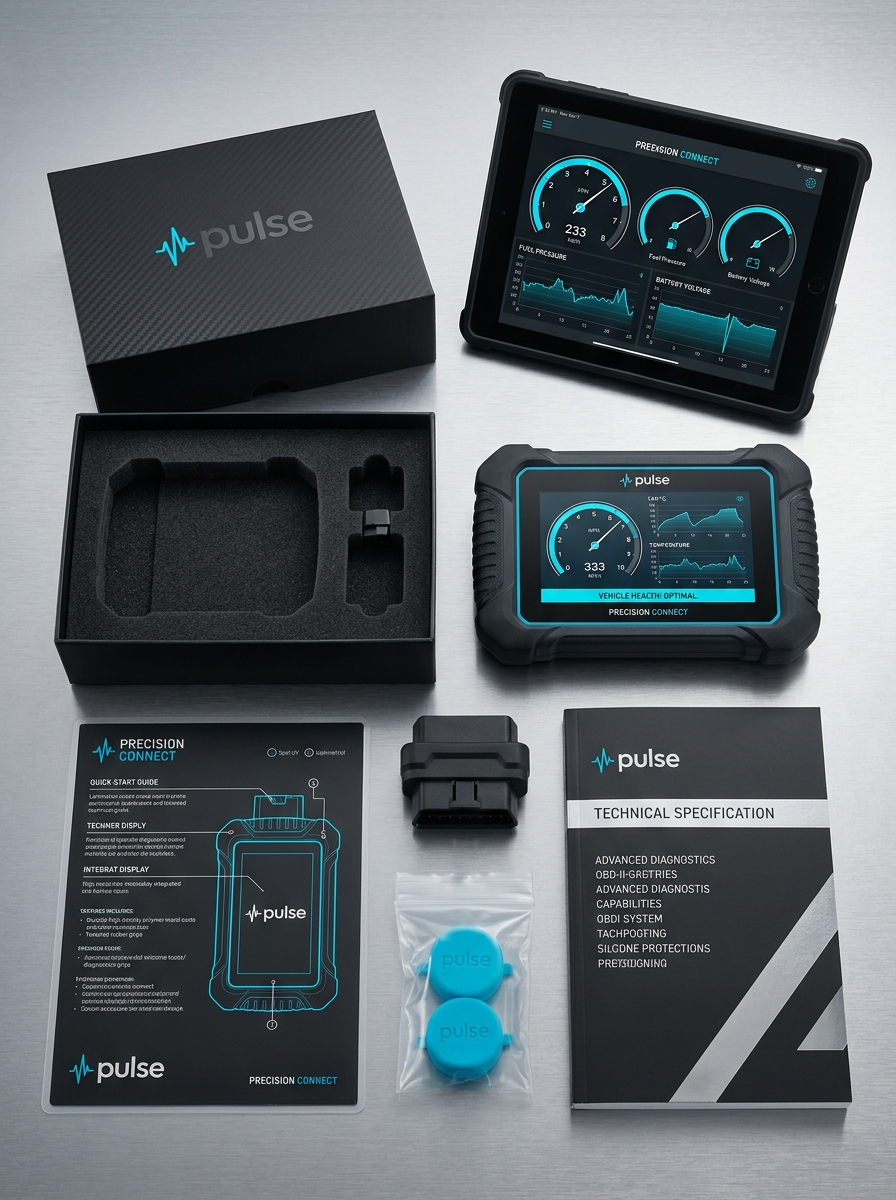
Effective OBD2 scanner packaging design bridges the gap between complex automotive technology and accessible consumer electronics. As diagnostic tools shift from professional repair shops to the hands of DIY enthusiasts, the exterior packaging serves as the primary touchpoint for establishing technical reliability and brand authority.
Designing for this niche requires a strategic fusion of high-contrast visual aesthetics, concise technical specifications, and structural durability. By prioritizing clean typography and high-resolution imagery, manufacturers can immediately communicate precision and ease of use. This exploration delves into essential concepts for automotive tool packaging, focusing on how visual hierarchy and material selection influence buyer confidence at the point of sale. Mastering these best practices ensures a product resonates with users seeking both diagnostic accuracy and a professional-grade out-of-the-box experience.
The Role of Packaging in the OBD2 Scanner Market
In the competitive OBD2 scanner industry, packaging serves as both a protective necessity and a vital marketing tool. Because automotive diagnostic tools contain sensitive electronic components and high-resolution screens, robust packaging is essential to prevent damage during shipping and handling.
Beyond protection, packaging design influences consumer perception and brand authority. High-quality retail boxes often display critical technical specifications, vehicle compatibility lists, and software features, helping DIY mechanics and professional technicians make informed purchasing decisions. Additionally, many premium scanners include hardshell carrying cases, which add long-term value by providing organized storage for OBDII cables and connectors. As the market evolves, eco-friendly materials are becoming a priority, allowing manufacturers to reduce environmental impact while maintaining the professional aesthetic required in the automotive aftermarket sector.
Analyzing Target Demographics and User Expectations
Understanding the target audience for OBD2 scanners is essential for evaluating device functionality. The primary demographics include DIY car enthusiasts seeking cost-effective home repairs, professional mechanics requiring advanced bi-directional controls, and fleet managers focused on vehicle longevity and maintenance tracking.
User expectations generally center on three core pillars: accuracy, compatibility, and ease of use. Amateur users prioritize intuitive interfaces and plain-text code definitions to bypass technical jargon. Conversely, professionals demand high-speed data sampling and extensive system coverage across various vehicle makes and models. Ultimately, regardless of expertise, all users expect reliable real-time data to streamline troubleshooting, ensure emissions compliance, and prevent costly mechanical failures.
Structural Design and Protective Material Selection
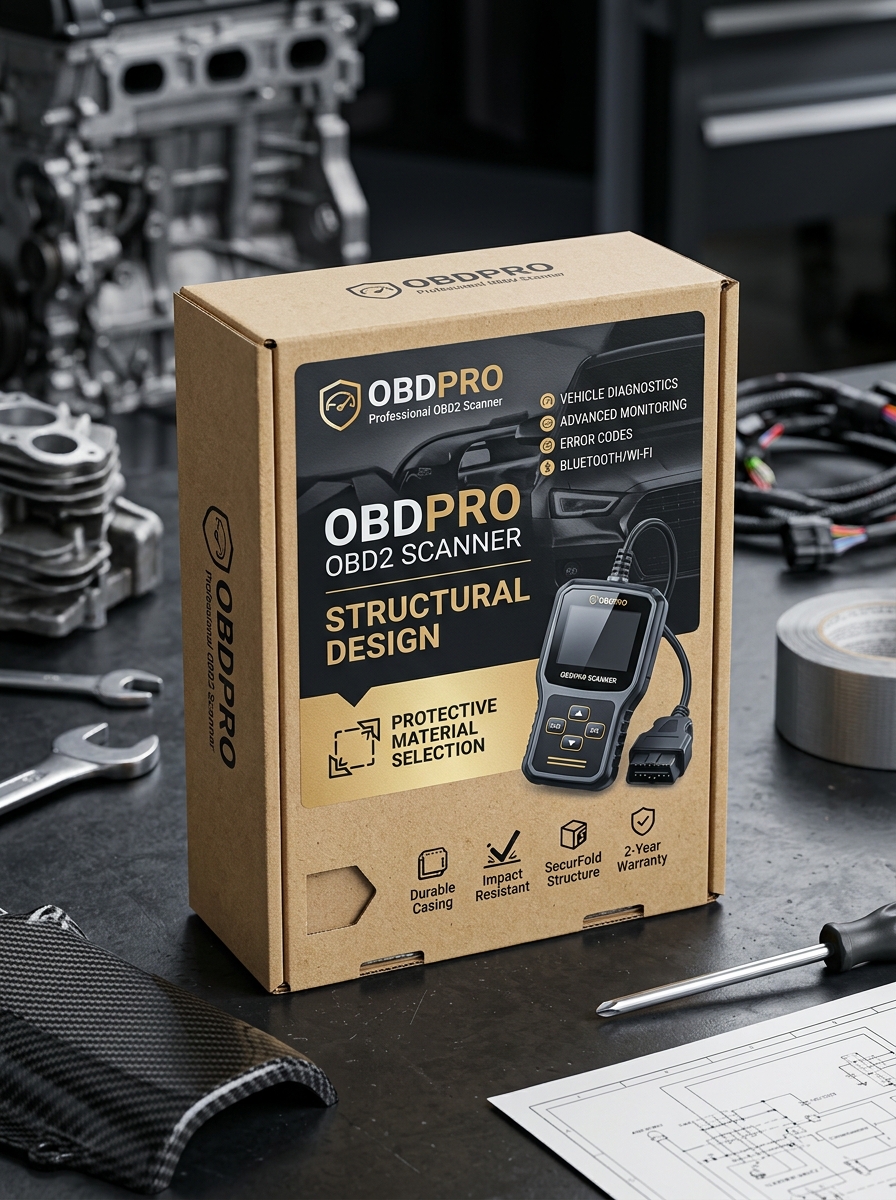
The structural design of a modern OBD2 scanner focuses on ergonomics and durability for demanding automotive environments. Engineered to withstand frequent drops and heavy-duty use, high-quality diagnostic tools utilize a reinforced ABS plastic shell for rigid internal protection. To enhance impact resistance, manufacturers often incorporate TPU or rubberized overmolding, providing a non-slip grip and a shock-absorbing layer against accidental impacts on garage floors.
Material selection also considers chemical resistance, ensuring the device remains unaffected by engine oil, grease, or cooling fluids. Furthermore, the connector housing is reinforced to prevent pin misalignment during repeated cycles. This synergy of rugged materials and ergonomic casing ensures the scanner's longevity, protecting sensitive internal PCBs from vibration, thermal stress, and debris common in professional workshops.
Establishing Effective Visual Hierarchy for Technical Data
Optimizing the visual hierarchy on an OBD2 scanner interface is essential for rapid and accurate vehicle diagnostics. By organizing complex engine parameters logically, technicians can identify critical faults without scanning through irrelevant noise.
Effective data presentation relies on several semantic layers:
- Primary Alerts: Display active Diagnostic Trouble Codes (DTCs) prominently using bold typography and high-contrast colors like red or orange.
- Categorization: Group related live data streams, such as fuel system status or ignition timing, into distinct modules to improve readability.
- Scalable Graphics: Utilize dynamic waveforms and bar charts to represent fluctuating sensor voltages, allowing for quick trend analysis.
- Textual Contrast: Use varied font weights to differentiate between static labels (e.g., "Engine Coolant Temp") and real-time numerical values.
A structured visual layout transforms raw OBD2 telemetry into actionable insights, enhancing the user experience for both professional mechanics and DIY enthusiasts.
Brand Identity and Color Theory in Automotive Tools
In the competitive OBD2 scanner market, brand identity and color theory are essential for establishing trust and functional clarity. Manufacturers strategically use color palettes to signal specific attributes to mechanics and DIY enthusiasts. For example, blue often represents reliability and technical innovation, while red signifies power, performance, and urgency in diagnostic precision.
Strategic branding extends to durability; high-visibility orange or yellow accents are frequently used on ruggedized housings to denote impact resistance in harsh garage environments. Conversely, professional-grade diagnostic equipment often utilizes sleek black or grey tones to convey authority and sophisticated engineering. By leveraging these visual identity cues, brands help users quickly distinguish between basic code readers and high-end professional scanners, ensuring the tool's appearance aligns with its diagnostic capabilities and professional status.
Leveraging High-Quality Imagery and Functional Iconography
Modern OBD2 scanners utilize high-definition displays to bridge the gap between complex diagnostic data and user comprehension. By integrating high-quality imagery, these devices provide clear visual representations of vehicle components, sensor locations, and live data graphing. This visual clarity is essential for identifying faulty hardware and understanding mechanical issues quickly.
Furthermore, functional iconography serves as a universal language within diagnostic software. Well-designed icons for engine health, emissions readiness, and braking systems allow technicians to navigate menus intuitively without wading through dense text. This strategic combination of crisp visuals and symbolic navigation streamlines the troubleshooting process, reduces user error, and enhances the overall efficiency of automotive maintenance for both DIY enthusiasts and professional mechanics.
Optimizing the Unboxing Experience for Tech Enthusiasts
For tech enthusiasts, the OBD2 scanner journey begins long before the first engine code is cleared. A premium unboxing experience sets the tone for professional vehicle diagnostics. Manufacturers should prioritize high-quality, durable packaging that protects sensitive hardware while showcasing the device's technical specifications.
To resonate with power users, include a comprehensive quick-start guide, high-speed OBD-II cables, and a rugged carrying case. Clear labeling of ports and intuitive initial setup instructions reduce friction, allowing enthusiasts to transition seamlessly from unboxing to real-time data streaming. By focusing on tactile quality and organized accessory placement, brands can build immediate trust, ensuring the diagnostic tool feels like a high-end addition to any automotive toolkit. Providing easy access to software update links via QR codes further enhances this initial interaction.
Designing for Retail Impact and E-commerce Safety
Effective OBD2 scanner design balances visual shelf appeal with robust digital security. In physical retail, high-impact packaging must communicate vehicle compatibility and diagnostic capabilities instantly to influence purchasing decisions. Professional branding and ergonomic hardware design establish immediate credibility for both DIY enthusiasts and professional mechanics.
For the e-commerce sector, safety encompasses both physical durability and data integrity:
- Transit Protection: Ruggedized casing and reinforced packaging prevent damage during long-distance shipping.
- Data Security: Secure firmware and encrypted Bluetooth protocols protect sensitive vehicle telematics from unauthorized access.
- Anti-Counterfeiting: Integrated QR codes and unique serial numbers help consumers verify authentic hardware, ensuring reliable performance.
By merging aesthetic appeal with secure software protocols, manufacturers deliver a trustworthy diagnostic tool that excels in every marketplace.
Sustainable Packaging Solutions for Electronic Diagnostics
As the automotive industry prioritizes environmental responsibility, OBD2 scanner manufacturers are adopting sustainable packaging solutions to protect sensitive diagnostic hardware. Transitioning from traditional plastic clamshells to biodegradable materials and recycled cardboard significantly reduces plastic waste in the electronic diagnostics sector.
Eco-friendly packaging for diagnostic tools often incorporates molded pulp inserts and soy-based inks, providing superior shock absorption for delicate sensors while remaining 100% recyclable. These green packaging initiatives not only lower the carbon footprint associated with shipping and distribution but also resonate with eco-conscious technicians and car owners. By integrating circular economy principles, the production of automotive scanning tools becomes more efficient, ensuring that the technology used to maintain low-emission vehicles is as environmentally friendly as the diagnostic results it provides.
Future Trends in Automotive Tool Packaging Aesthetics
The landscape of OBD2 scanner packaging is rapidly evolving, shifting toward a fusion of sustainability and premium technology aesthetics. Manufacturers are moving away from bulky, non-recyclable plastic blister packs in favor of eco-friendly, minimalist cardboard designs that reflect the sophisticated nature of modern vehicle diagnostics.
Key trends include high-contrast typography, matte finishes, and compact form factors that prioritize the unboxing experience. Digital integration is also becoming central; QR codes are increasingly replacing thick paper manuals to reduce waste and provide instant access to cloud-based software updates. Furthermore, rugged yet stylish EVA carrying cases are becoming standard, offering professional protection with a high-tech look. These aesthetic shifts align automotive tools with the broader consumer electronics market, positioning diagnostic hardware as essential, high-end tech gadgets.
Leave a comment