
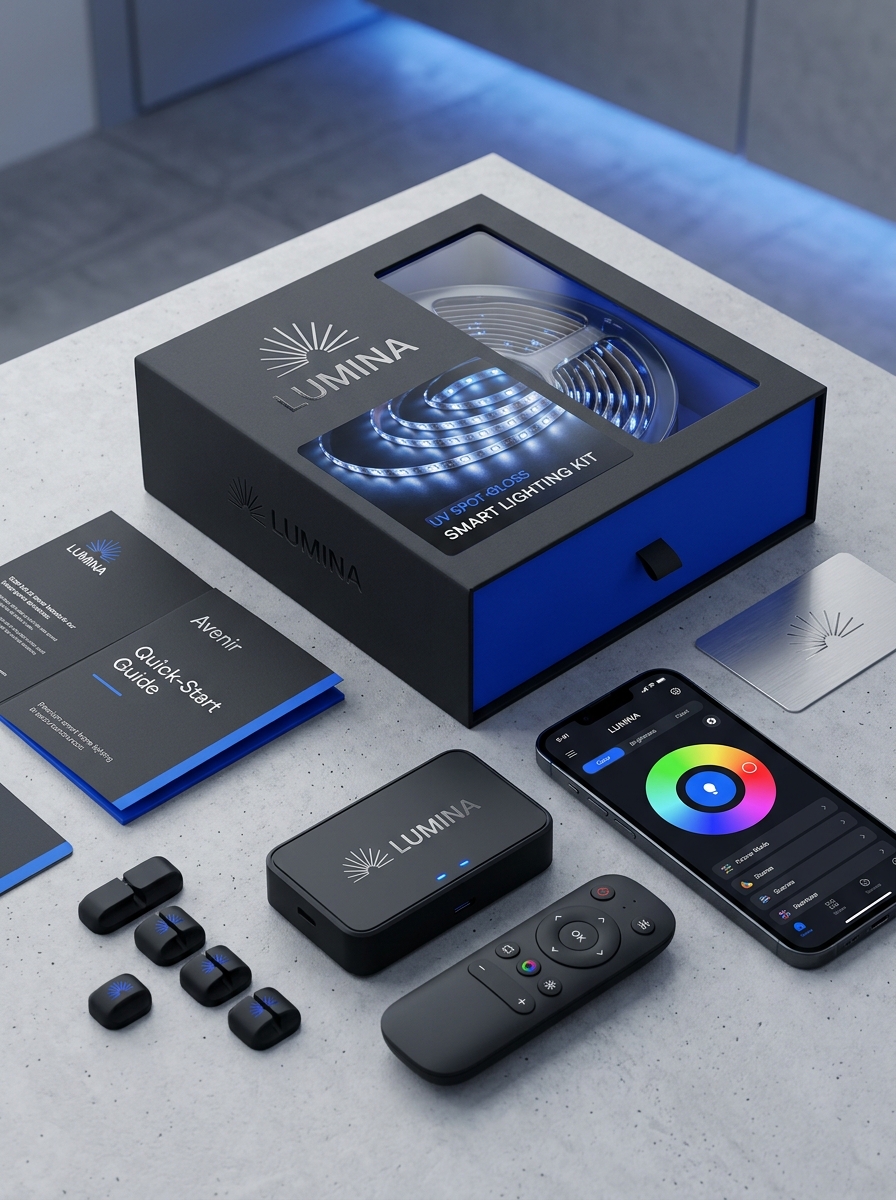
Elevating LED interior light kit packaging requires a strategic fusion of structural durability and captivating visual aesthetics. As automotive lighting trends shift toward sophisticated customization, the design must communicate high-tech performance through innovative graphics and premium materials. Optimizing these packaging concepts ensures that products stand out on retail shelves while providing an intuitive unboxing experience for the end-user.
Effective design focuses on vibrant color palettes and minimalist typography that mirror the luminosity of the hardware within. By prioritizing sustainable packaging materials and clear product imagery, brands can establish immediate trust and reinforce their identity. This exploration covers the essential elements of modern packaging design, from color theory to structural ergonomics, helping manufacturers captivate tech-savvy enthusiasts and secure a premium position in the automotive aftermarket.
The Evolution of LED Interior Light Kit Packaging Aesthetics
The packaging for any LED interior light kit has transitioned from purely functional to a vital element of brand identity. Early iterations often featured generic polybags or plain cardboard, focusing solely on protecting the fragile diodes during transit. However, as the automotive lighting market became more competitive, manufacturers shifted toward premium aesthetic designs to capture consumer attention.
Modern packaging now utilizes high-resolution graphics, sleek matte finishes, and transparent windows that showcase the build quality of the LED bulbs. This evolution emphasizes a high-tech feel that mirrors the sophistication of the lighting technology itself. Furthermore, there is a significant move toward sustainable, compact materials that reduce waste while maintaining a luxury unboxing experience. Today, the packaging serves as the first testament to the durability and performance consumers can expect from their automotive lighting upgrades.
Defining the Target Audience and Market Positioning
The primary target audience for an LED interior light kit includes automotive enthusiasts, DIY hobbyists, and rideshare drivers seeking to enhance vehicle aesthetics and passenger experience. These consumers prioritize customizable cabin ambiance, energy efficiency, and ease of installation. Additionally, luxury vehicle owners and tech-savvy commuters represent a significant market segment looking for premium smart lighting integration.
Market positioning focuses on the intersection of automotive personalization and functional utility. Products are positioned as affordable upgrades that transform a standard interior into a high-end, atmospheric environment. By highlighting features like app control, music synchronization, and RGBIC technology, brands can differentiate themselves within the competitive aftermarket car lighting industry, appealing to both budget-conscious users and those seeking high-performance lighting solutions.
Mastering Visual Hierarchy for Instant Product Recognition
In the competitive landscape of LED interior light kits, mastering visual hierarchy is the key to achieving instant product recognition. By strategically arranging design elements, brands can highlight essential features like vibrant RGB spectrums and seamless app control, ensuring they stand out in a crowded marketplace.
A well-executed hierarchy uses contrast and scale to guide the consumer's eye toward high-value specifications. For automotive ambient lighting, this means emphasizing 12V compatibility and ease of installation through bold typography and clear iconography.
Optimizing visual flow reduces cognitive friction, allowing buyers to quickly identify quality. By prioritizing information-from brightness levels to sync-to-music capabilities-you ensure your lighting solution remains the focal point of every search.
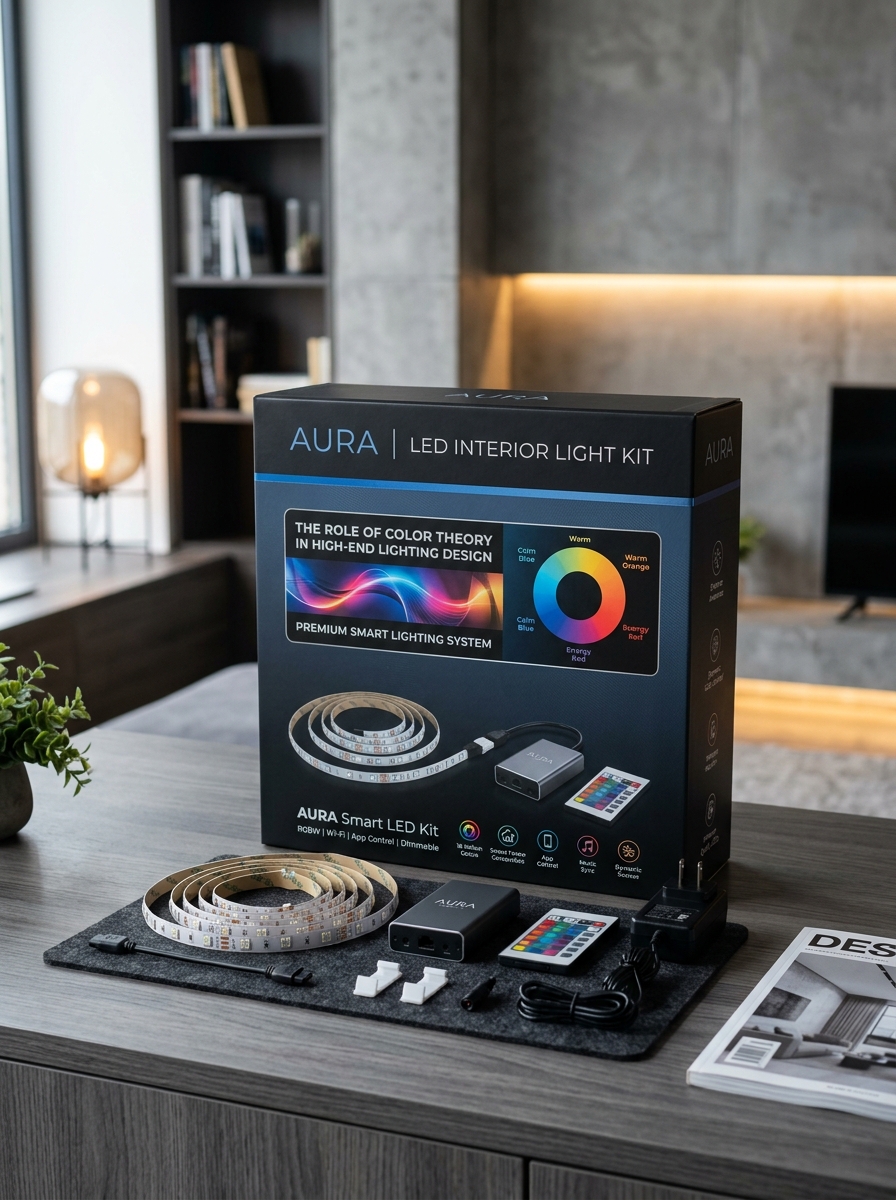
The Role of Color Theory in High-End Lighting Design
In the realm of LED interior light kits, color theory is essential for creating a sophisticated cabin atmosphere. High-end lighting design transcends simple illumination by leveraging the psychological impact of the color spectrum. Warm tones, such as amber and soft white, evoke feelings of luxury and relaxation, making them ideal for premium sedan interiors.
Conversely, cool temperatures like crisp blues and daylight whites enhance driver focus and provide a modern, high-tech aesthetic. Advanced RGBW LED systems allow for precise color rendering, ensuring that the light harmonizes with interior materials like leather and brushed metal. By applying principles of contrast and color harmony, premium lighting kits can visually expand cabin space, reduce eye fatigue, and highlight the vehicle's unique architectural lines, delivering a truly bespoke driving experience.
Balancing Structural Integrity with Premium Unboxing Experiences
For a high-quality LED interior light kit, packaging must bridge the gap between rigorous protection and aesthetic appeal. Structural integrity is the primary defense, utilizing high-density foam inserts and reinforced corrugated walls to shield delicate SMD chips and fragile circuitry from transit vibrations and crushing forces.
Simultaneously, a premium unboxing experience elevates the brand. By arranging components in custom-molded, labeled compartments, we ensure a professional presentation that simplifies the installation process for the user. This strategic balance prevents "Dead on Arrival" (DOA) scenarios while reinforcing the product's value through tactile quality. Integrating sustainable yet rigid materials allows for a sleek, compact design that maintains its form, ensuring your automotive lighting upgrade arrives in pristine condition and ready for immediate use.
Communicating Technical Specifications through Clean Typography
When selecting a high-performance LED interior light kit, clarity is as essential as brightness. Clean typography bridges the gap between complex engineering and consumer understanding. By utilizing high-contrast, sans-serif fonts and structured layouts, manufacturers can effectively communicate vital technical specifications at a glance.
- Luminous Flux: Clearly defined lumen counts to indicate total brightness.
- Color Temperature: Precise Kelvin ratings (e.g., 6000K Cool White) presented for easy comparison.
- Compatibility: Legible fitment guides ensuring the kit matches specific vehicle makes and models.
- Energy Efficiency: Distinctly labeled wattage and voltage requirements.
Strategic use of white space and minimalist typefaces ensures that critical performance metrics remain the focal point. This typographic approach enhances the user experience, allowing automotive enthusiasts to make informed decisions regarding their vehicle's lighting upgrades with speed and accuracy.
Integrating Sustainability and Eco-Friendly Material Choices
Upgrading to an LED interior light kit is a significant step toward automotive sustainability. Unlike traditional incandescent bulbs, modern LED kits utilize eco-friendly materials and energy-efficient technology to minimize environmental impact. These lighting solutions are often constructed from recyclable aluminum heat sinks and mercury-free components, ensuring a safer disposal process.
Furthermore, their exceptional longevity reduces waste by significantly decreasing the frequency of replacements. By drawing less power from the vehicle's electrical system, LED interior lights help optimize fuel efficiency and lower overall carbon emissions. Choosing high-quality, sustainable interior lighting not only enhances cabin aesthetics but also supports a greener future through durable, non-toxic material choices and reduced energy consumption.
Utilizing Transparent Windows and 3D Product Renderings
To effectively showcase the sophistication of an LED interior light kit, manufacturers leverage 3D product renderings. These high-fidelity digital models allow consumers to visualize the precise placement of SMD chips and the internal circuitry that drives superior illumination. Unlike traditional photography, 3D renderings provide a clear, unobstructed view of the product's architecture from any angle.
Incorporating transparent windows into these renderings or physical packaging highlights the build quality and heat dissipation components. This transparency is vital for automotive enthusiasts who prioritize durability and component density. By using semantic visual storytelling, brands can demonstrate how the light kit integrates seamlessly into a vehicle's cabin. These advanced visualization techniques bridge the gap between technical specifications and real-world performance, ensuring customers understand the value of their lighting upgrade.
Standardizing Regulatory Icons for Global Market Compliance
Achieving seamless international distribution for LED interior light kits necessitates the standardization of regulatory icons. These symbols serve as a universal language, confirming that lighting components meet stringent safety and environmental benchmarks across different jurisdictions.
Key regulatory marks integrated into our hardware and packaging include:
- CE and UKCA: Ensuring compliance with European and British safety standards.
- RoHS: Certifying the absence of hazardous substances in electronic circuitry.
- FCC: Validating that the LED drivers minimize electromagnetic interference.
- E-Mark: Essential for automotive-grade interior lighting used in vehicles.
By unifying these compliance icons, manufacturers eliminate technical barriers to trade and provide consumers with transparent proof of quality. This standardized approach ensures that every interior illumination solution is legally compliant and ready for the global marketplace.
Future-Proofing Designs with Smart Integration and Connectivity Visuals
Modern LED interior light kits are evolving through smart integration, moving beyond simple illumination to become core components of the connected home. By utilizing IoT-enabled controllers, these systems offer seamless connectivity visuals that allow users to synchronize lighting with smartphone apps and home automation hubs.
To ensure long-term relevance, future-proof designs focus on several key technological pillars:
- Voice Control: Full compatibility with AI assistants like Alexa and Google Home for hands-free ambiance adjustments.
- Dynamic Syncing: Real-time integration with music, gaming, and cinema for immersive environmental experiences.
- Scalability: The ability to link and group multiple light zones through Wi-Fi or Bluetooth Mesh networks.
Investing in kits with robust smart connectivity ensures your space remains adaptable to emerging tech trends and receives continuous software updates for optimized performance.
Leave a comment