
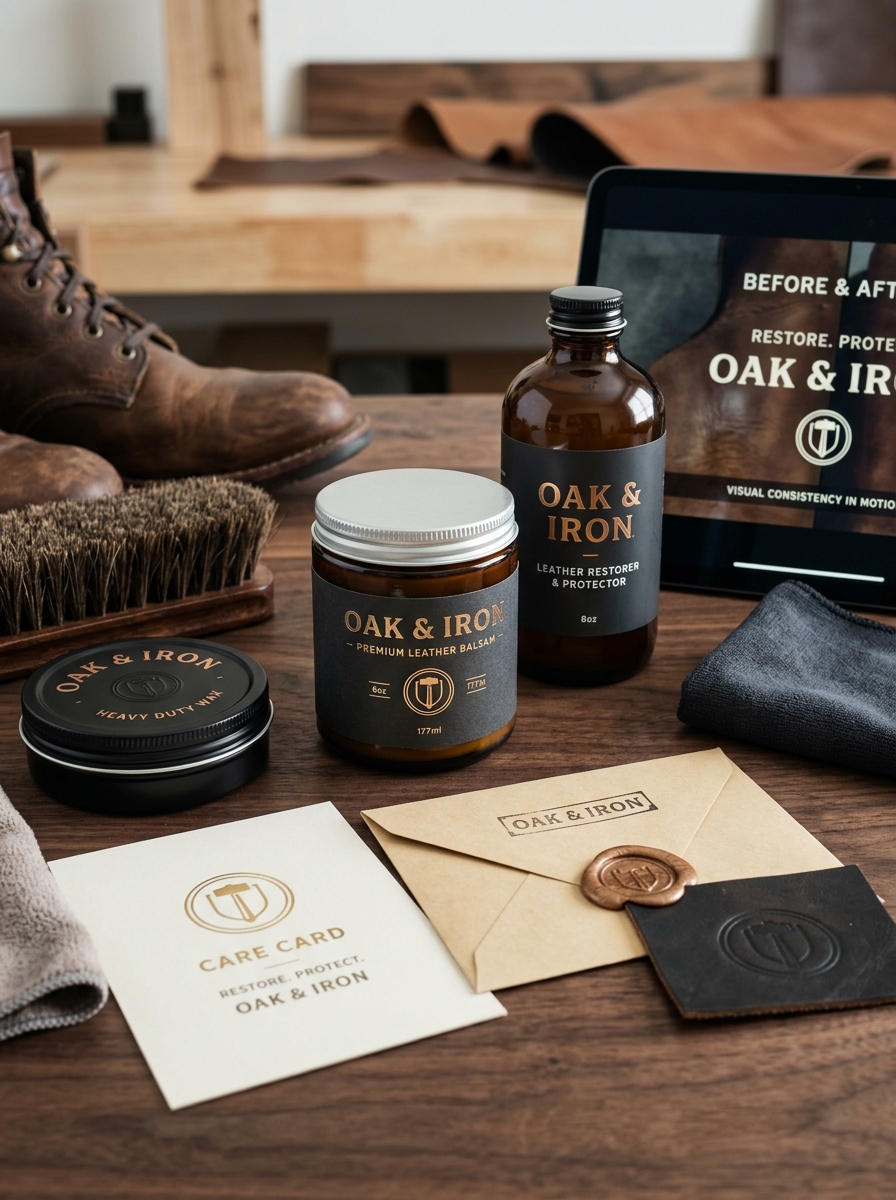
Effective leather conditioner packaging serves as the vital bridge between artisanal tradition and modern consumer expectations. To resonate with discerning buyers, designers must balance functional integrity with sophisticated visual storytelling. This exploration delves into the core principles of structural durability, material selection, and high-end aesthetic concepts that define premium leather care brands.
From the tactile satisfaction of matte finishes to the clarity of minimalist typography, every design element must communicate product efficacy and luxury. By integrating sustainable packaging materials and ergonomic dispensing solutions, manufacturers can enhance the user experience while reinforcing brand heritage. Understanding these essential design pillars ensures that a product not only preserves fine leather but also stands out as a symbol of quality and craftsmanship on the shelf.
The Evolution of Leather Care Packaging Aesthetics
The visual identity of leather conditioner has transformed from purely utilitarian apothecary jars to sophisticated, lifestyle-oriented designs. Historically, leather care products were housed in simple metal tins or heavy amber glass, emphasizing industrial durability and heritage. These traditional containers signaled a time-honored, artisanal approach to preserving leather goods.
Today, modern leather care packaging reflects a shift toward luxury and environmental consciousness. Contemporary brands utilize minimalist typography, matte finishes, and ergonomic dispensers to appeal to high-end automotive and fashion enthusiasts. Furthermore, the rise of sustainable packaging-such as recycled aluminum and biodegradable materials-mirrors consumer demand for eco-friendly formulas. This aesthetic evolution ensures that the product not only protects the leather's structural integrity but also aligns with the premium branding expected in the modern marketplace.
Materiality and Tactile Sensory Experience
Leather is a complex organic material defined by its unique fibrous structure and natural porosity. The materiality of leather determines its durability, breathability, and physical presence. Over time, environmental exposure depletes the essential lipids within the hide, leading to a brittle, coarse, and diminished texture.
A high-quality leather conditioner directly influences the tactile sensory experience by penetrating deep into the grain to restore lost moisture. This rejuvenation process enhances the "hand" of the leather-a professional term for its softness, flexibility, and smoothness. By lubricating the internal collagen fibers, conditioners eliminate stiffness and provide a supple, luxurious feel. Maintaining this material integrity not only prevents structural cracking but also preserves the rich, sensory qualities that define premium leather goods, automotive interiors, and furniture.
Heritage Typography and Timeless Branding
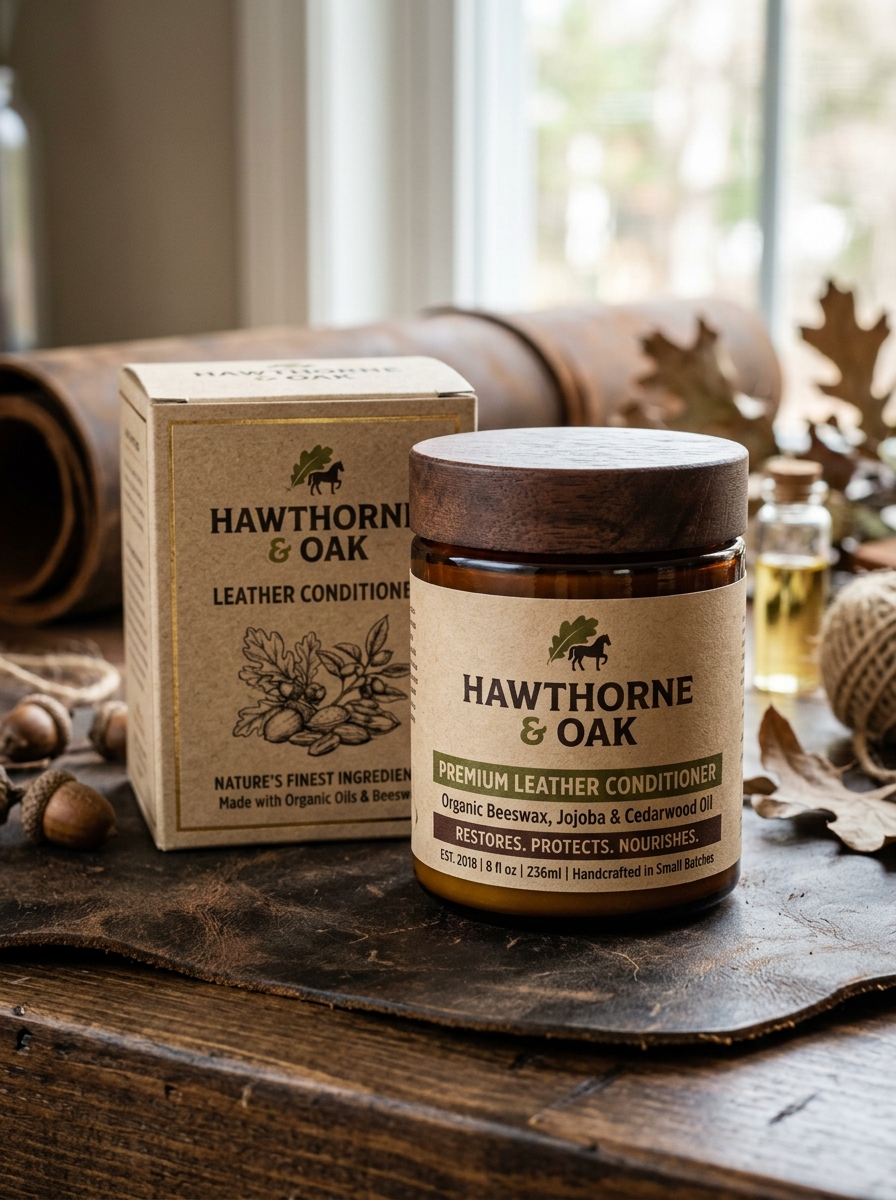
In the premium leather conditioner market, heritage typography and timeless branding are essential for communicating authenticity and quality. Brands often utilize classic serif typefaces and vintage-inspired scripts to evoke a sense of artisanal craftsmanship and historical reliability. This visual strategy aligns the product with the enduring, long-lasting nature of high-quality leather goods.
By employing a traditional aesthetic, a leather care brand signals a legacy of excellence, suggesting a formula that has stood the test of time. This approach builds consumer trust, positioning the conditioner as a vital tool for preserving heirlooms rather than a mere disposable utility. Integrating classic design elements helps bridge the gap between modern chemical performance and the rich history of leatherworking, ensuring the brand remains relevant and respected across generations.
Organic Color Palettes and Earthy Tones
Maintaining the visual integrity of leather requires products that respect its organic color palettes. High-quality leather conditioners are designed to nourish the hide without artificially altering its natural earthy tones, such as rich terracotta, deep ochre, and warm sienna. By using pH-balanced, natural ingredients, these conditioners penetrate the porous surface to hydrate fibers from within.
Proper conditioning prevents the fading of natural pigments caused by UV exposure and dehydration. Instead of leaving a synthetic sheen, a premium treatment enhances the leather's authentic patina, ensuring that the subtle shifts in color remain vibrant and true to the original craftsmanship. Whether treating a vintage saddle or a modern mahogany briefcase, choosing a conditioner that supports natural aesthetics is vital for preserving the timeless, rustic beauty of artisanal leather goods.
Functional Ergonomics in Dispenser Design
In the realm of leather care, functional ergonomics in dispenser design is pivotal for achieving professional results with minimal physical strain. High-quality leather conditioners often utilize contoured bottle shapes that provide a secure, non-slip grip, significantly reducing hand fatigue during extended applications on large surfaces like sectional sofas or automotive interiors.
Superior ergonomic packaging focuses on three core elements:
- Precision Nozzles: Designed to prevent product waste and ensure targeted delivery.
- Calibrated Pumps: These provide a consistent dosage of formula, preventing the over-saturation of delicate hides.
- Controlled Flow: Squeeze-responsive materials allow for better management of viscous creams and lotions.
By prioritizing human-centric design, manufacturers ensure the conditioning process is intuitive and efficient, ultimately promoting better maintenance habits and prolonging the life of leather goods.
Sustainable Materials and Eco-Friendly Containers
Modern leather care prioritizes environmental responsibility by utilizing biodegradable ingredients and sustainable packaging. High-quality conditioners are increasingly formulated with natural waxes, such as beeswax and carnauba, alongside plant-derived oils like jojoba and coconut. These bio-based alternatives replace harmful petroleum distillates, ensuring a non-toxic application that is safe for both the user and the ecosystem.
To further reduce environmental impact, eco-conscious brands are transitioning to green containers designed to minimize plastic waste. This includes the use of infinitely recyclable aluminum tins, glass jars, and post-consumer recycled (PCR) materials. By choosing leather conditioners housed in eco-friendly packaging, consumers can effectively preserve the longevity and suppleness of their leather goods while significantly reducing their carbon footprint and supporting a circular economy.
Balancing Modern Minimalism with Traditional Craft
Achieving the perfect leather conditioner requires a delicate equilibrium between ancestral knowledge and contemporary simplicity. Traditional craft emphasizes slow-batch production and natural oils-such as beeswax and seed extracts-that deeply penetrate hides to restore suppleness and durability.
Modern minimalism refines this artisanal approach by stripping away harsh chemicals and synthetic silicones, focusing instead on pure, non-toxic formulations. This synergy ensures that high-quality leather goods, from vintage boots to designer handbags, receive intensive hydration without leaving greasy residues.
By integrating time-honored techniques with a "less is more" philosophy, premium conditioners offer superior protection against cracking and environmental fading. Embracing this balance allows enthusiasts to honor the heritage of their leather while maintaining a clean, sustainable, and sophisticated lifestyle.
Strategic Visual Hierarchy for Product Clarity
In the leather care industry, visual hierarchy is vital for communicating product efficacy. By organizing information logically, brands ensure customers quickly identify the primary benefits of a leather conditioner, such as pH-balanced nourishment and deep-fiber hydration.
- Primary Focus: High-contrast "Before and After" imagery demonstrating restoration and natural sheen.
- Secondary Details: Concise bullet points highlighting ingredient transparency, such as mink oil or beeswax bases.
- Tertiary Information: Step-by-step application instructions to ensure optimal absorption and prevent residue.
A structured layout uses typography and spacing to guide the consumer's eye from immediate visual results to technical specifications. This semantic approach improves user comprehension and helps search engines index the product's specific utility in preserving the suppleness and longevity of premium leather goods.
Elevating the Premium Unboxing Experience
For high-end leather conditioners, the unboxing experience is the first touchpoint of quality. A premium presentation reflects the artisan nature of the product inside, signaling to customers that their luxury leather goods are in expert hands. From the tactile sensation of heavy-glass bottles to the subtle, natural aroma of the formula, every detail contributes to a sense of exclusive leather care.
Incorporating sophisticated packaging elements, such as embossed labeling and informative application guides, enhances the perceived value of the leather balsam or cream. This transition from a simple purchase to a sensory ritual reinforces brand loyalty. By prioritizing aesthetic excellence, brands ensure that the process of preserving fine leather begins with a memorable, high-impact first impression that resonates with discerning enthusiasts.
Designing for Shelf Presence and Countertop Appeal
In the competitive leather care market, packaging design is a pivotal factor for consumer conversion. Effective shelf presence demands high-contrast typography and sophisticated color palettes-such as deep ambers or classic earth tones-that signal heritage and premium quality. The container must instantly communicate its purpose while differentiating itself from industrial alternatives.
Furthermore, countertop appeal ensures the leather conditioner integrates seamlessly into the home environment. Sleek glass jars or matte-finish tins encourage users to display the product, fostering brand loyalty through constant visibility. Key design considerations include:
- Ergonomic shapes for ease of application during the conditioning process.
- Minimalist labeling to reflect a luxury aesthetic and high-end brand identity.
- Durable materials that protect the formula's integrity from light and air.
A balance of functional utility and aesthetic elegance drives both the initial retail purchase and long-term brand recognition.
Leave a comment