
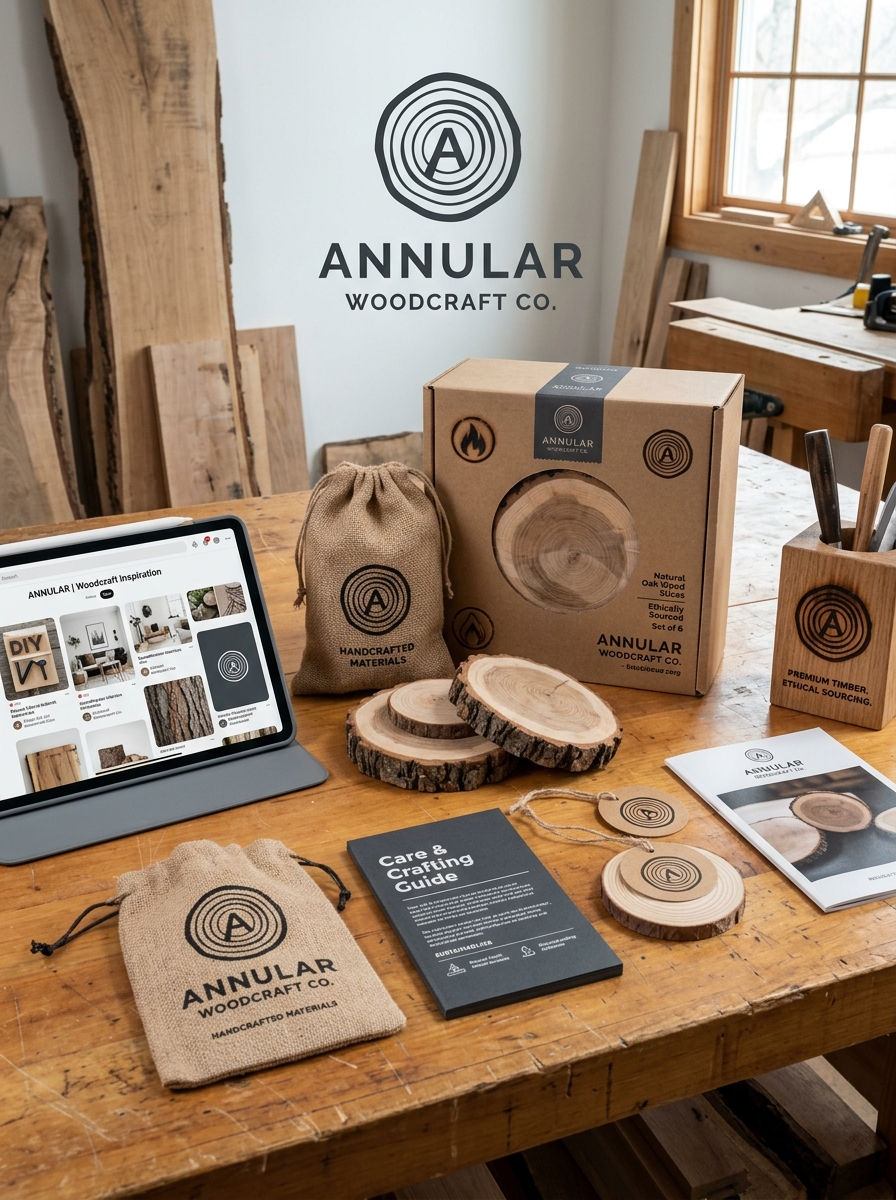
Elevating brand identity through natural elements like wood slices creates an immediate tactile connection with modern consumers. As businesses pivot toward sustainable materials, wood slice packaging has emerged as a premium choice that marries rustic charm with sophisticated design. This unique medium offers a raw, organic canvas that communicates authenticity and high-level craftsmanship.
To master this artisanal approach, designers must balance visual aesthetics-such as natural grain patterns and laser-etched motifs-with the practical requirements of structural integrity. Integrating these natural textures into a branding strategy ensures a memorable unboxing experience that resonates with eco-conscious audiences. This exploration covers essential aesthetic concepts and provides actionable tips for leveraging the timeless appeal of timber to enhance product presentation and brand storytelling.
The Rise of Sustainable Wood Slice Packaging Trends
As global industries pivot toward eco-conscious solutions, sustainable wood slice packaging has emerged as a frontrunner in premium, plastic-free design. These natural timber discs offer a unique, tactile experience that enhances brand storytelling through a rustic, high-end aesthetic.
Modern brands are increasingly integrating kiln-dried wood slices as biodegradable product tags, decorative inserts, and functional brand elements. This trend leverages the inherent durability and compostable nature of timber, aligning perfectly with circular economy principles. By replacing synthetic materials with renewable wood, companies significantly reduce their carbon footprint.
Whether used in luxury gift boxes or artisanal displays, wood slices provide a versatile, eco-friendly packaging alternative. This shift highlights a growing consumer demand for authenticity and environmental responsibility in every purchase.
Defining Your Brand Aesthetic from Rustic to Modern
Wood slices offer unparalleled versatility for brand styling, bridging the gap between raw nature and polished sophistication. To achieve a rustic aesthetic, embrace natural bark edges and rough-hewn textures that evoke organic warmth and eco-friendliness. This style is ideal for artisanal or heritage-focused brands seeking an authentic, grounded feel.
Conversely, for a modern brand identity, opt for kiln-dried wood slices with sanded, glass-like finishes. Incorporating minimalist geometric shapes, metallic leafing, or monochromatic paint accents transforms these timber rounds into sleek, contemporary elements. By selecting specific wood species and finishing techniques, you can curate a visual language that resonates with your target audience, whether you aim for rugged charm or minimalist elegance.
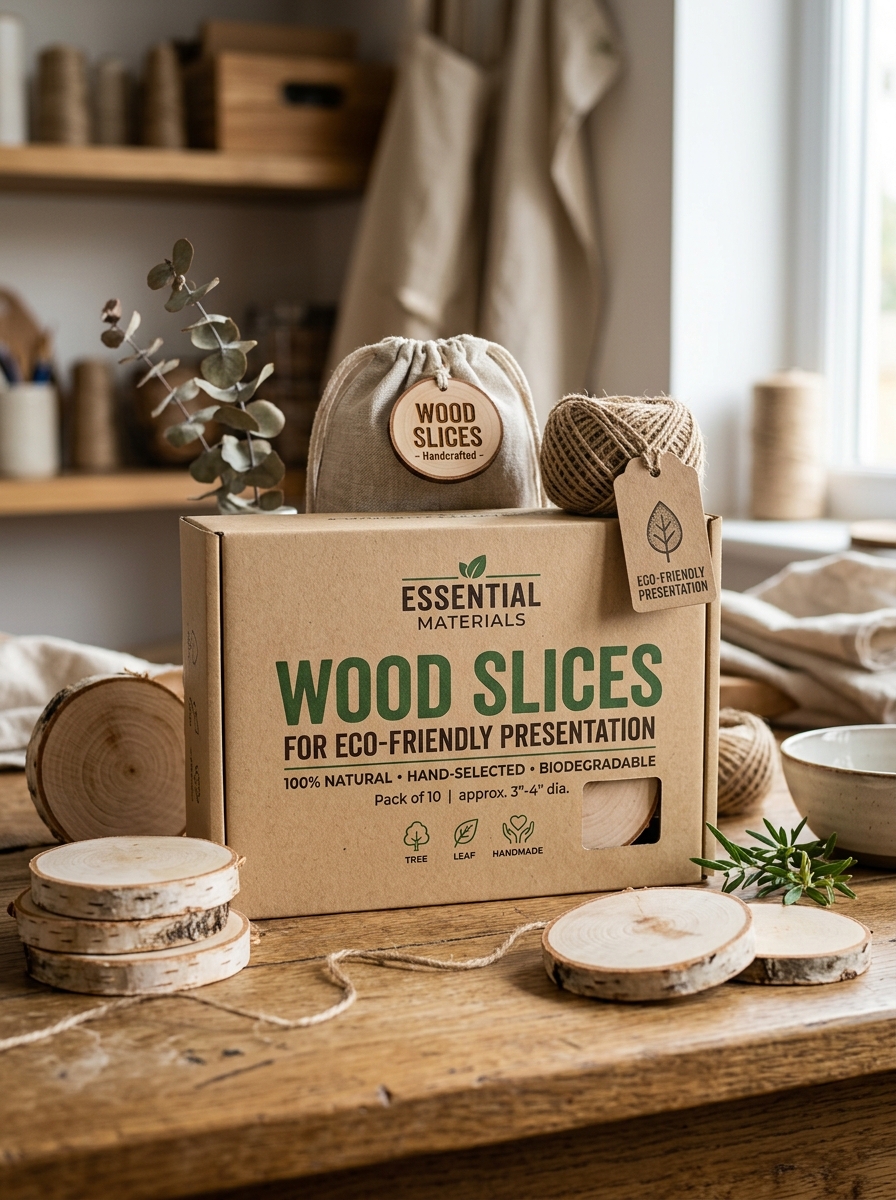
Essential Materials for Eco-Friendly Presentation
Achieving a sustainable brand aesthetic begins with natural wood slices. These versatile, biodegradable elements provide a rustic yet sophisticated foundation for product displays, event styling, and artisanal packaging. Selecting responsibly sourced timber, such as FSC-certified birch or pine, ensures your presentation aligns with eco-conscious values and modern environmental standards.
Unlike synthetic decor, wood slices are fully compostable and free from harmful toxins. Their unique growth rings and organic textures offer a tactile experience that enhances visual storytelling. Whether utilized as product pedestals, decorative chargers, or rustic signage bases, they offer a renewable solution for high-impact merchandising. Integrating these organic materials reduces your carbon footprint while elevating the perceived value of your display through timeless, earth-friendly design.
Structural Integrity and Protective Padding for Natural Wood
Ensuring the structural integrity of wood slices is vital for preventing common issues like warping, checking, and radial splitting. Because wood slices are cross-cuts, they expose the end grain, making them highly sensitive to humidity fluctuations. Utilizing stabilizing treatments, such as wood hardeners or penetrating oils, reinforces the cellular structure and slows moisture evaporation to maintain a flat, solid surface.
To complement internal stability, protective padding is essential for functional use. Attaching cork, felt, or silicone bumpers to the base of a wood slice provides a non-slip grip and prevents the natural tannins or rough textures from scratching furniture. This padding also creates a necessary micro-gap for airflow, allowing the wood to "breathe" and adapt to environmental changes without compromising its form or the surfaces it rests upon.
Climate Control Features to Prevent Warping and Cracking
Wood slices, or cookies, are highly susceptible to environmental changes due to their exposed end grain. To preserve their structural integrity, implementing specific climate control features is essential. Maintaining a stable relative humidity between 45% and 55% is the most critical factor; this slows the evaporation process, preventing the rapid shrinkage that leads to radial cracking.
Consistent temperature regulation is equally vital, as extreme heat can cause uneven drying and cellular stress. Utilizing airflow management via drying racks ensures that moisture escapes uniformly from both sides of the slice, minimizing the risk of cupping or warping. By shielding wood slices from direct sunlight and localized heat sources, you create a controlled environment that protects the wood's natural aesthetics and prevents permanent structural failure.
Strategic Use of Die-Cut Windows for Product Visibility
In the market for natural wood slices, visual transparency is a vital sales driver. Utilizing die-cut windows in your packaging allows customers to inspect the unique grain patterns, bark integrity, and thickness of the wood rounds without opening the box. Because wood is a natural material with organic variations, providing a "sneak peek" builds immediate consumer trust and ensures the product meets their specific crafting needs.
Strategically designed windows highlight the tactile beauty of the timber while maintaining structural integrity. This packaging approach not only enhances shelf appeal but also reduces returns by aligning customer expectations with the physical product. For eco-friendly brands, these cutouts emphasize the raw, sustainable nature of the wood, making the packaging as authentic as the high-quality wood slices found inside.
Typography and Branding Elements for Natural Textures
Selecting the right typography for wood slices is essential to maintain a balance between legibility and the material's organic aesthetic. Because natural wood grain and growth rings provide a complex backdrop, bold sans-serif fonts or flowing scripts are often preferred to ensure branding elements remain distinct.
For professional applications, techniques like laser engraving, heat-stamping, or UV printing allow logos to integrate seamlessly with the natural texture. These methods create tactile depth that complements the rustic appeal of the wood. When designing, consider the contrast: charred engravings offer a classic look on lighter woods like birch, while white ink provides a modern, high-contrast finish on darker surfaces. Aligning text with the wood's concentric circles further enhances the visual harmony of your artisanal branding.
Incorporating Organic Accents Like Jute and Twine
To elevate the rustic charm of wood slices, integrating natural fibers like jute and twine is an essential design choice. These organic accents provide a tactile contrast to the raw texture of tree bark and sanded timber. For DIY enthusiasts, threading twine through pre-drilled holes transforms simple log rounds into eco-friendly ornaments, gift tags, or wall hangings.
Using jute rope as a decorative border for coasters or centerpieces reinforces a sustainable, farmhouse aesthetic. These biodegradable materials not only secure functional elements but also enhance the visual warmth of wood slice crafts. Whether you are creating wedding favors or home accents, the combination of timber and natural cordage creates a cohesive, earthy look that celebrates organic beauty.
Practical Solutions for Bulk Versus Individual Packaging
Selecting the optimal packaging for wood slices depends on your distribution scale and target market. For bulk packaging, focus on cost-effectiveness and structural integrity. Utilize heavy-duty corrugated boxes with internal dividers to prevent friction and bark damage. Since natural wood is sensitive to humidity, include desiccant packs or silica gel to manage moisture and prevent mold during transit.
Individual packaging focuses on retail aesthetics and surface protection. Shrink-wrapping provides a clear view of the natural grain while preventing scuffing. Alternatively, eco-friendly kraft envelopes or glassine bags offer a sustainable, premium feel for artisanal sets. Proper packaging ensures each slice remains flat and crack-free. By balancing protective padding with moisture control, sellers can maintain the quality of their timber products, whether shipping wholesale quantities or curated gift sets.
Elevating the Unboxing Experience for Craft Enthusiasts
For DIY creators, the artistic journey begins the moment they receive their materials. High-quality wood slices offer a tactile, rustic charm that deserves a premium presentation. A thoughtfully curated unboxing experience reinforces the value of natural wood rounds, making them feel less like bulk supplies and more like curated canvases for artistry.
Whether intended for pyrography, hand-painted ornaments, or rustic wedding decor, these organic materials should be packaged to highlight their unique grain patterns and textured bark. By utilizing eco-friendly packaging and including creative inspiration, brands can immediately ignite the imagination of craft enthusiasts. Transforming a simple delivery into an immersive experience ensures that every natural wood slice serves as a premium catalyst for professional-grade creative projects and artisanal home decor.
Leave a comment