
Everything bagel seasoning has evolved from a simple bakery staple into a global culinary phenomenon. This rise in popularity has triggered a significant shift in packaging design strategies, forcing brands to rethink how they present this versatile blend. Beyond mere functionality, modern visual identity trends prioritize shelf appeal through distinct aesthetic concepts ranging from rustic, artisanal charm to sleek, minimalist modernism.
Capturing the essence of a crunchy, savory flavor profile requires a strategic mix of typography, color theory, and material choice. Today's designers are leveraging transparent elements to showcase the seasoning's unique texture while utilizing bold graphics to establish brand authority. By examining current aesthetic trends in spice packaging, we uncover how thoughtful design choices bridge the gap between a gourmet pantry essential and a powerful consumer experience that resonates with the modern foodie.
The Evolution of Everything Bagel Seasoning Visual Identity
The visual identity of Everything Bagel Seasoning has transitioned from a humble bakery byproduct to a global gourmet staple. Originally, its visual presence was limited to the textured surface of fresh NYC bagels. However, as the blend moved into retail packaging, its branding evolved to emphasize the high-contrast aesthetic of its ingredients.
Early retail versions focused on utility, but the modern identity-pioneered by brands like Trader Joe's-utilizes minimalist typography and clear glass jars. This transparency showcases the distinct textures of black sesame seeds, white salt crystals, and golden garlic flakes. Today, the visual language revolves around "artisanal" appeal, using earthy color palettes and bold, clean labels that reflect a shift from a simple condiment to a photogenic lifestyle product found in modern kitchens.
Minimalist Aesthetic Shifts in Modern Spice Packaging
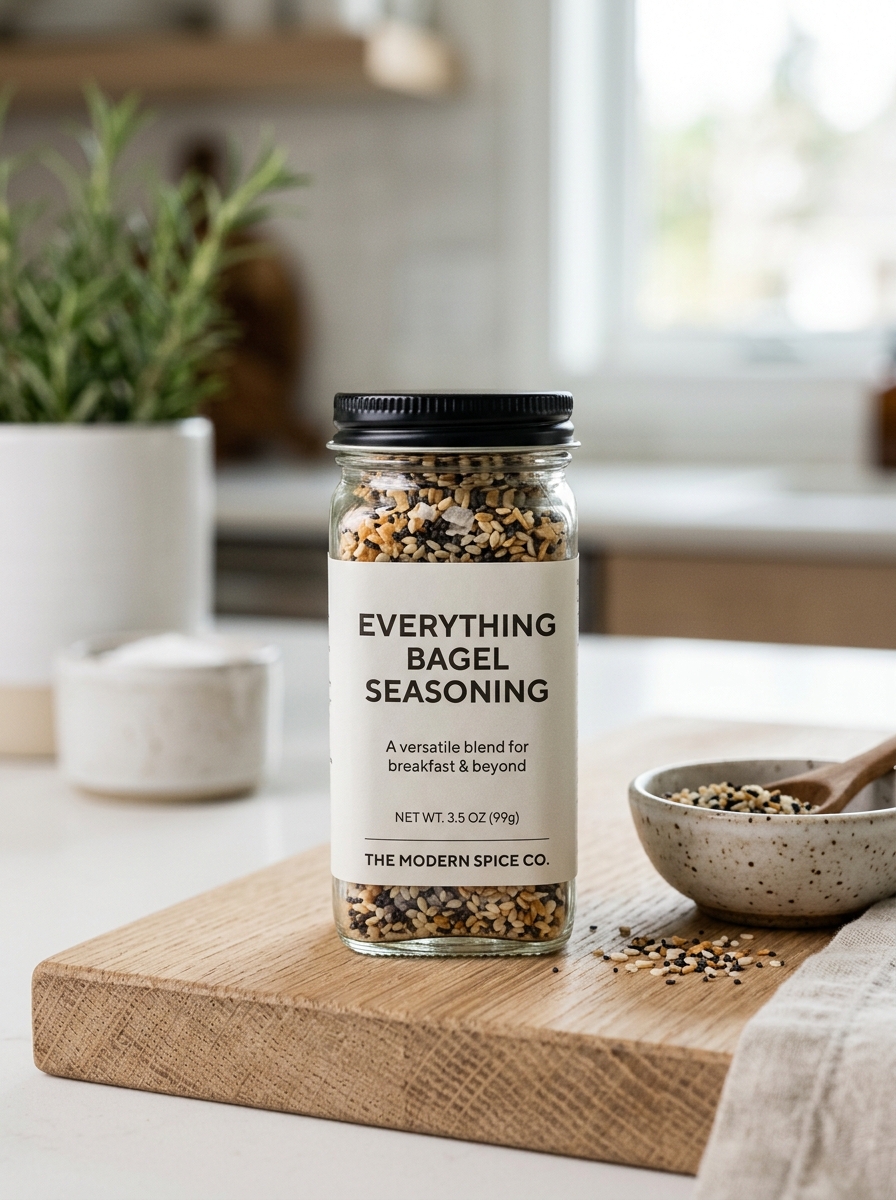
The visual branding of Everything Bagel Seasoning has undergone a significant transformation, mirroring the minimalist packaging trend seen across the gourmet food industry. Modern spice containers now prioritize visual clarity, replacing cluttered labels with clean typography and neutral color palettes.
By utilizing transparent glass jars, brands emphasize the ingredient transparency and the distinct, coarse textures of poppy seeds, sesame seeds, and dried garlic. This shift toward modern design caters to the "pantry-to-table" movement, where seasoning containers serve as kitchen decor. Stripping away excess graphics allows the raw quality of the blend to become the focal point, signaling a premium, clean-label product that aligns with contemporary consumer preferences for simplicity and authenticity in their culinary staples.
Color Palettes and Contrast for Retail Shelf Impact
To maximize retail visibility, Everything Bagel Seasoning packaging must leverage high-contrast color palettes that complement its distinctive multi-tonal texture. Because the blend consists of black poppy seeds, white sesame seeds, and toasted garlic, the surrounding label design should utilize bold, saturated hues-such as deep blues, vibrant oranges, or forest greens-to create a striking visual "pop" on the shelf.
Effective packaging design employs a high-contrast hierarchy to ensure brand names and flavor profiles remain legible from a distance. Utilizing transparent windows is a strategic choice, allowing the natural contrast of the seasoning itself to serve as a textural focal point. By balancing bright accents with clean, minimalist typography, brands can differentiate themselves from monochromatic competitors, driving consumer attention and increasing impulse purchases in a crowded spice aisle.
Typography Trends and Heirloom Labeling Styles
The visual identity of Everything Bagel Seasoning often leverages specific typography trends to evoke authenticity and nostalgia. Heirloom labeling styles utilize vintage-inspired serif fonts and hand-lettered scripts to mimic traditional apothecary or small-batch artisanal goods. This design choice signals premium quality and a "homemade" feel, contrasting with sterile, mass-produced industrial aesthetics.
Modern packaging frequently blends minimalist sans-serif layouts for readability with rustic, textured typefaces that suggest heritage. By using weathered effects and decorative borders, brands tap into a collective nostalgia for the classic New York deli era. These semantic design cues tell a story of craftsmanship, positioning the seasoning as both a trendy condiment and a timeless culinary essential. Such typographical choices are vital for shelf appeal, transforming a simple spice blend into a curated kitchen staple.
Material Selection and Sustainable Container Innovations
Preserving the aromatic integrity of everything bagel seasoning demands strategic material selection. To maintain the crisp texture of sesame seeds and the potency of dried garlic, manufacturers are transitioning toward sustainable container innovations that prioritize both barrier protection and eco-consciousness.
Glass remains a premier choice for its infinitely recyclable nature and non-porous surface, which prevents essential oil migration. Additionally, many brands now utilize post-consumer recycled (PCR) plastics and compostable plant-based films to minimize environmental impact.
These modern vessels feature airtight induction seals and UV-resistant coatings, shielding the savory blend from moisture and light degradation. By integrating these circular economy principles, the spice industry ensures that everything bagel seasoning stays fresh and flavorful while significantly reducing plastic waste and supporting long-term ecological sustainability.
The Role of Texture and Tactile Finishes in Branding
Everything Bagel Seasoning is defined by its multifaceted texture-a signature blend of coarse sea salt, crunchy dried garlic, and granular poppy seeds. In competitive food branding, translating this physical "crunch" into tactile packaging finishes is essential for shelf differentiation.
Premium brands often utilize spot UV coatings, embossing, or sand-textured laminates to mimic the seasoning's coarse profile on the label. These tactile elements create a sensory bridge between the visual design and the actual product experience. By reflecting the ingredients' diverse topography through touch, companies reinforce perceptions of artisanal quality and freshness. Ultimately, integrating texture into brand identity enhances consumer engagement, making the product feel more premium and authentic before the container is even opened.
Transparency and Visual Authenticity in Glass Design
Premium Everything Bagel Seasoning relies on visual appeal to convey quality and freshness. By utilizing transparent glass jars, brands prioritize visual authenticity, allowing consumers to immediately inspect the distinct textures of poppy seeds, toasted sesame, dried garlic, and coarse sea salt. This transparency serves as a testament to the blend's ingredient integrity and artisanal craftsmanship.
Unlike opaque plastic, glass provides a non-reactive barrier that preserves the aromatic profile of the spices while offering an unobstructed view of the vibrant mixture. This design choice builds consumer trust through "what you see is what you get" packaging. In the world of gourmet condiments, clear glass is the gold standard for showcasing the balanced proportions and rich colors that define a superior seasoning blend.
Illustrative Storytelling and Pattern Integration
Imagine the tactile crunch of toasted sesame and poppy seeds, a mosaic of texture that evokes the nostalgic aroma of a classic New York deli. Everything bagel seasoning is more than a mere condiment; it represents a calculated pattern integration of savory elements. This aromatic blend weaves together pungent dried garlic, toasted onion flakes, and coarse sea salt into a complex flavor tapestry.
The culinary storytelling lies in its versatility. By applying this rhythmic mix to avocado toast, roasted vegetables, or proteins, chefs create a multisensory narrative of umami and zest. The structural harmony of these distinct spices ensures a balanced contrast of nutty and salty notes in every bite. This integration transforms simple ingredients into gourmet experiences, proving that the synergy of basic pantry staples can redefine modern flavor profiles.
Positioning Gourmet Blends through Luxury Packaging Cues
Elevating Everything Bagel Seasoning from a common pantry staple to a premium artisanal product relies heavily on luxury packaging cues. High-end gourmet blends leverage minimalist design aesthetics to signal quality and exclusivity. By utilizing weighted glass jars, matte-finish labels, and embossed metallic accents, brands communicate a sense of craftsmanship and superior ingredient sourcing.
Tactile elements, such as gold foil typography or custom wooden lids, transform the sensory experience of the seasoning blend. These visual markers suggest that the contents-typically a precise ratio of toasted sesame seeds, poppy seeds, dried garlic, and sea salt-are of a higher culinary grade. Strategic packaging positioning targets discerning consumers and the luxury gift market, effectively justifying premium pricing while enhancing the product's shelf appeal within the competitive specialty spice industry.
Future Horizons for Interactive and Smart Packaging Labels
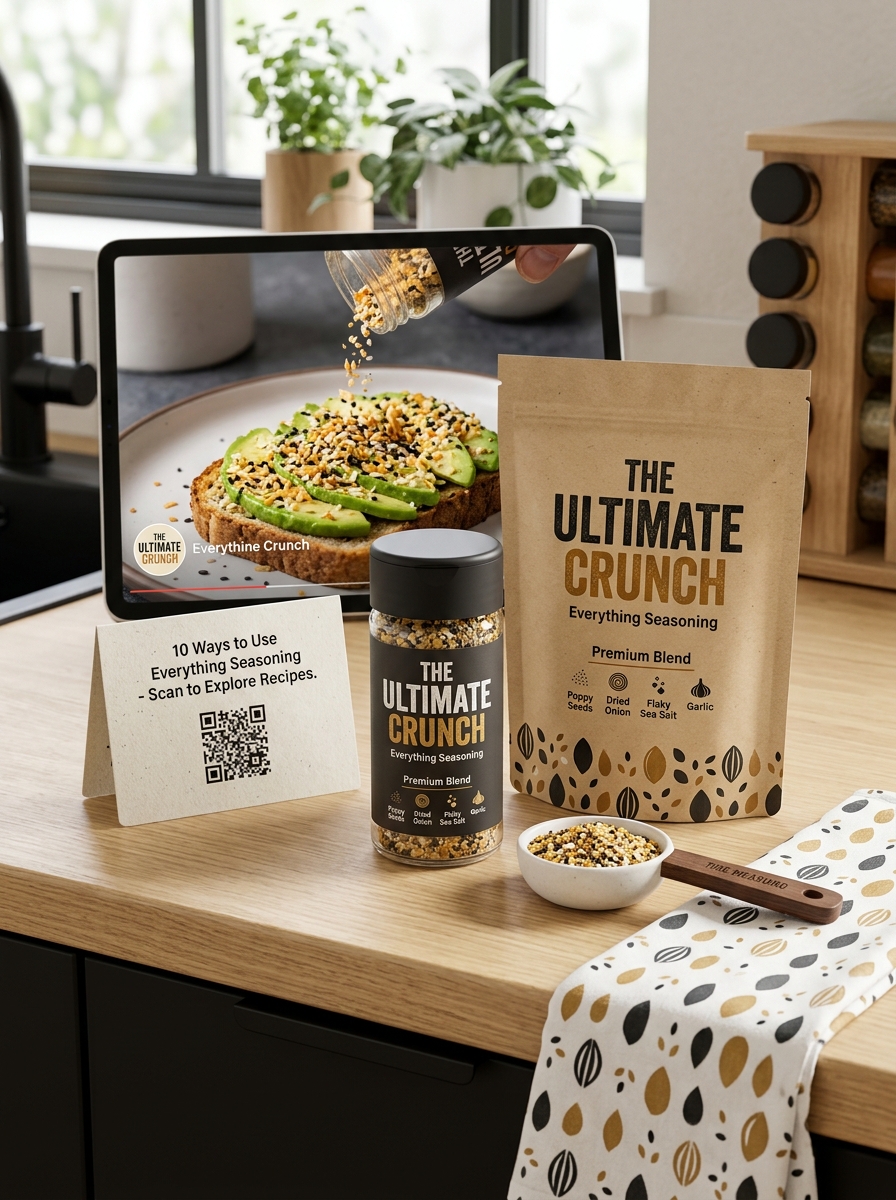
The packaging for Everything Bagel Seasoning is evolving through digital integration. Future smart labels will utilize QR codes and NFC technology to offer consumers more than just a list of ingredients. By scanning the bottle, home cooks can instantly access interactive recipe databases, video tutorials for seasoning-crusted proteins, and real-time freshness tracking.
These smart packaging solutions also enhance transparency, allowing users to trace the sourcing of poppy seeds or sea salt via blockchain. Furthermore, Augmented Reality (AR) can transform a simple spice jar into an immersive culinary guide. As brands prioritize engagement, these tech-forward labels ensure that your favorite savory blend remains a staple in the modern, connected kitchen, bridging the gap between physical pantry items and digital gourmet inspiration.
Leave a comment