
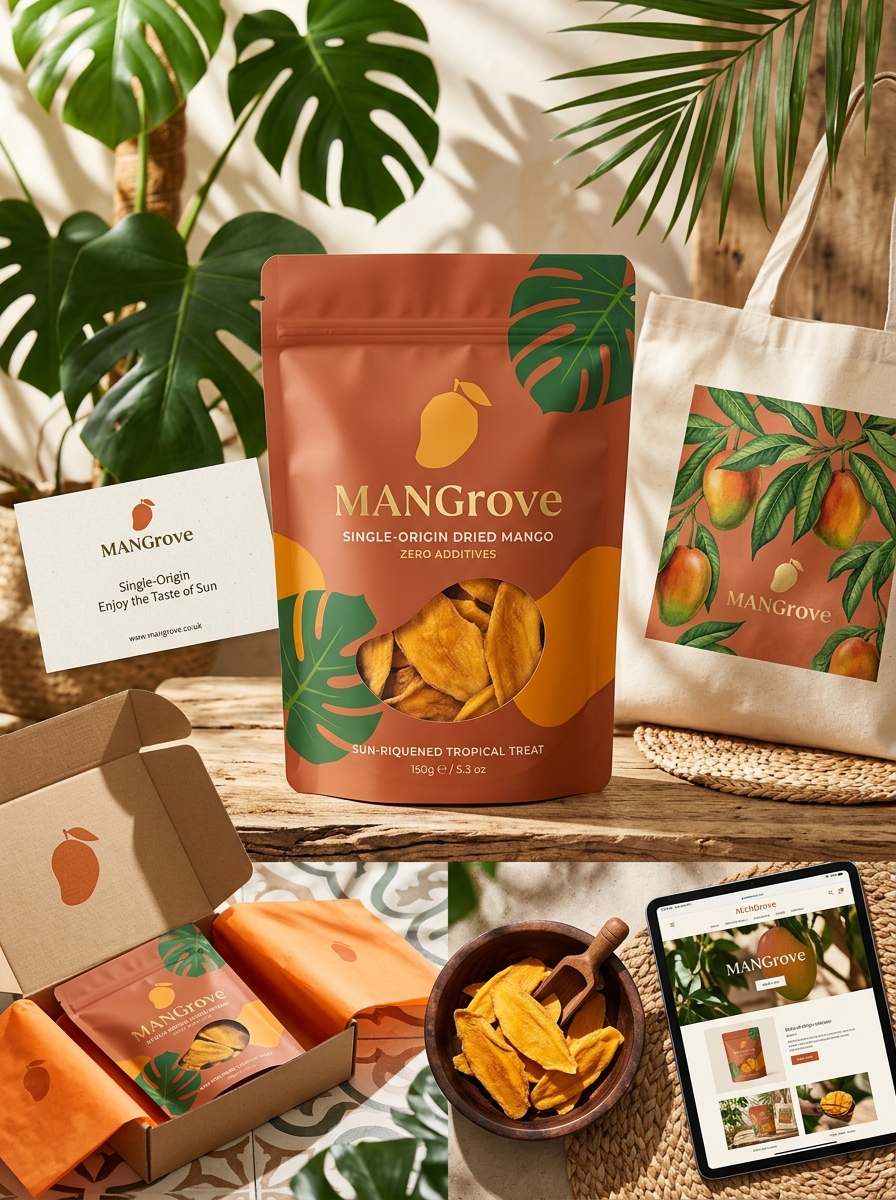
The snack industry is evolving, and dried mango slices require packaging that balances long-term freshness with vibrant visual appeal. Capturing the essence of sun-ripened tropical fruit involves more than just bold colors; it demands a strategic blend of typography, material choice, and functional design.
Effective packaging serves as a bridge between the orchard and the consumer, communicating quality through minimalist aesthetics or rich, illustrative styles. Whether focusing on eco-friendly pouches or premium windowed boxes, the design must protect the product's chewy texture while commanding attention on retail shelves. By exploring innovative concepts and aesthetic guidelines, brands can create a sensory experience that resonates with health-conscious shoppers looking for an authentic, premium taste of the tropics.
The Evolution of Dried Mango Packaging Aesthetics
The visual identity of dried mango slices has shifted significantly to align with modern consumer values. Originally, packaging was purely functional, utilizing basic transparent bags focused on preservation and product visibility. As the premium snack market expanded, brands adopted vibrant, tropical-themed graphics and resealable, high-barrier laminates to protect the fruit's texture and shelf-life.
Current trends favor minimalist design and sustainable materials. Modern consumers gravitate toward eco-friendly pouches with matte finishes and sophisticated typography that highlights "natural" and "non-GMO" attributes. This aesthetic evolution reflects a move from simple bulk storage to high-end branding, where transparency windows and earth-toned palettes signal quality and environmental responsibility. By balancing visual appeal with functional innovation, packaging now serves as a key differentiator for high-quality dehydrated mango products.
Defining Brand Identity in the Tropical Fruit Market
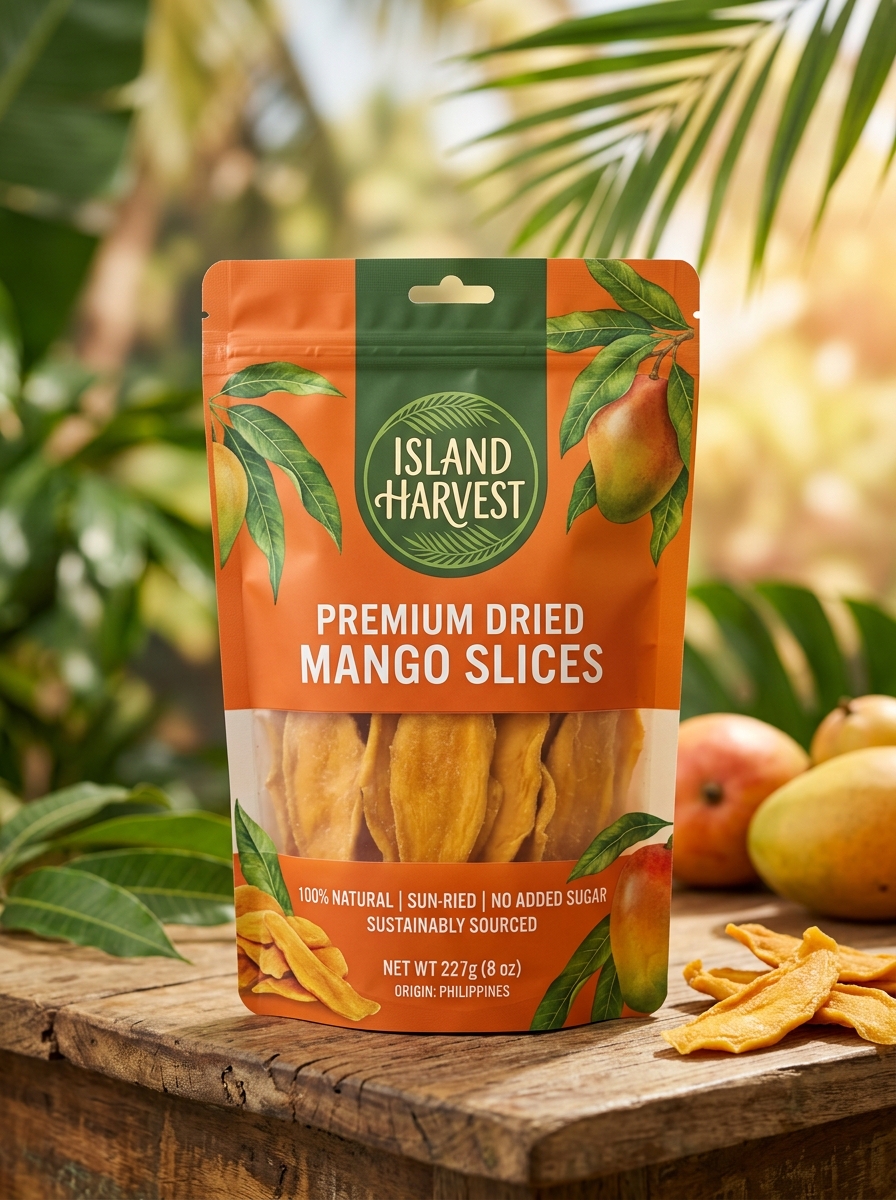
Establishing a strong brand identity for dried mango slices requires a strategic focus on quality, origin, and health benefits. In the competitive tropical fruit market, successful brands differentiate themselves by highlighting unique selling propositions such as organic certification, sustainable sourcing, and additive-free processing.
Consumers seeking premium snacks prioritize transparency regarding the mango variety-whether it is the honey-sweet Ataulfo or the tangy Philippine Carabao. A cohesive identity communicates a commitment to non-GMO ingredients and natural preservation methods. By aligning vibrant packaging with the fruit's nutritional profile, producers build consumer trust. Ultimately, a well-defined brand transforms a simple snack into a recognizable lifestyle choice, ensuring long-term loyalty in the global dried fruit industry.
Color Palette Selection for Maximum Shelf Appeal
Strategic color selection is vital for dried mango packaging to influence consumer behavior and drive sales. To maximize shelf appeal, brands should leverage the psychology of appetite. A palette centered on vibrant oranges and sun-kissed yellows mirrors the fruit's natural ripeness, signaling sweetness and premium quality.
Integrating complementary earth tones, such as forest green or terracotta, reinforces an organic, "farm-to-table" narrative. For a modern aesthetic, using matte black or clean white creates a high-contrast backdrop that makes the golden mango slices visually "pop." Additionally, incorporating transparent windows within the design allows the product's natural texture to serve as a primary visual element. By balancing warm hues with strategic neutrals, manufacturers can stimulate impulse purchases and build brand trust through professional, appetizing visual communication.
Typography and Font Choices for Premium Snack Branding
In the competitive market for dried mango slices, typography is a vital component of visual identity. To establish a premium feel, brands often utilize a combination of elegant serif fonts to evoke luxury and minimalist sans-serifs for a clean, modern aesthetic. These choices signal sophisticated quality to discerning consumers looking for healthy, high-end snacks.
Effective packaging design employs a clear typographic hierarchy. Bold, artisanal scripts can suggest a "hand-crafted" or "farm-to-table" origin, while high-legibility secondary fonts ensure nutritional facts are easily accessible. For premium branding, the font must balance personality with clarity, ensuring that the product's organic nature and superior taste are communicated at a glance. Selecting the right typeface reinforces brand trust and distinguishes the product as a gourmet delicacy rather than a generic commodity.
The Role of Product Transparency and Visual Windows
In the competitive snacks market, product transparency is vital for building consumer trust. For dried mango slices, packaging featuring a visual window allows shoppers to inspect the fruit's quality before purchase. Seeing the vibrant, natural orange hue and consistent texture of the slices provides immediate quality assurance, distinguishing premium sun-dried or dehydrated mango from lower-grade alternatives.
Transparent packaging serves as a powerful marketing tool by showcasing the product's freshness and absence of excessive sugar crystallization. By prioritizing visual clarity, brands satisfy the modern consumer's desire for "honest" food labeling. This openness reduces purchase hesitation, as buyers can easily verify the size, thickness, and moisture levels of the mango pieces, ensuring the snack meets their expectations for flavor and health standards.
Incorporating Botanical Illustrations and Organic Patterns
To elevate the branding of dried mango slices, designers often integrate intricate botanical illustrations and fluid organic patterns. These artistic elements serve to emphasize the natural origin and artisanal quality of the fruit. By featuring hand-drawn mango blossoms, lush leaves, and realistic fruit cross-sections, the packaging communicates a "farm-to-table" narrative that resonates with health-conscious consumers.
Using organic motifs helps mirror the irregular, authentic shapes of premium sun-dried mangoes, distinguishing them from highly processed snacks. This visual strategy leverages semantic-rich design to signal purity, sustainability, and tropical heritage. Ultimately, incorporating these sophisticated patterns creates a premium shelf presence, reinforcing the connection between the consumer and the raw, wholesome beauty of 100% natural tropical fruit.
Sustainable Material Innovations for Eco-Conscious Consumers
The production of dried mango slices is evolving to meet the demands of environmentally aware shoppers. Innovation focuses on sustainable packaging, moving away from single-use plastics toward compostable films and biodegradable materials derived from plant-based sources. These eco-friendly barriers preserve the fruit's natural sweetness and shelf life while significantly reducing landfill waste.
Beyond packaging, manufacturers are adopting circular economy practices, such as upcycling "imperfect" mangoes to prevent food waste and utilizing solar-powered dehydration technology. By prioritizing renewable resources and carbon-neutral logistics, the industry ensures that high-quality snacking aligns with ecological responsibility. Choosing dried mangoes packaged in recyclable or soil-friendly materials allows consumers to enjoy a nutritious treat while supporting a greener, more sustainable food system.
Strategic Information Hierarchy for Nutritional Clarity
Organizing the nutritional data of dried mango slices through a strategic hierarchy ensures consumers quickly grasp the health benefits of this concentrated fruit snack. This semantic structure prioritizes essential information to facilitate informed dietary decisions.
- Core Macro-Nutrients: Highlighting caloric density and serving sizes helps manage energy intake, as dehydration concentrates natural sugars.
- Micronutrient Density: Emphasizing high levels of Vitamin A and Vitamin C showcases the product's role in supporting immune health and skin vitality.
- Digestive Health: Explicitly stating dietary fiber content clarifies the snack's impact on satiety and gastrointestinal wellness.
By distinguishing between total carbohydrates and added sweeteners, this hierarchy provides clarity on the glycemic index. Such transparency allows health-conscious consumers to differentiate between pure, sun-dried varieties and processed confections, positioning dried mango as a functional, nutrient-dense ingredient.
Tactile Experiences through Specialized Finishes and Textures
The sensory appeal of premium dried mango slices is deeply rooted in their unique physical properties. A sophisticated balance of texture and finish transforms a simple fruit snack into a gourmet experience. Whether opting for a natural, fiber-rich chew or a smooth, succulent bite, the mouthfeel is a primary indicator of quality.
Specialized finishes play a crucial role in this tactile journey. Some varieties feature a crystalline sugar coating for an initial crunch, while others offer a velvety, matte surface achieved through controlled dehydration. These finishes prevent sticking and enhance the structural integrity of each piece. By prioritizing a soft yet resilient consistency, producers ensure that each slice delivers a satisfying, artisanal feel that complements its vibrant tropical flavor profile.
Future Trends in Modern Fruit Snack Packaging Design
The packaging landscape for dried mango slices is rapidly evolving to prioritize both sustainability and consumer convenience. A major trend is the shift toward eco-friendly materials, such as compostable films and recyclable mono-material pouches, which aim to reduce plastic waste in the snack industry.
To preserve the natural sweetness and chewy texture of the fruit, future designs are integrating advanced barrier technologies that provide superior protection against moisture and oxidation. Visually, brands are adopting minimalist aesthetics with transparent "window" cut-outs, allowing the vibrant color of the mango to serve as the primary marketing tool.
Furthermore, smart packaging-featuring QR codes for farm-to-table traceability and enhanced resealable zippers-ensures long-lasting freshness while meeting the transparency demands of modern, health-conscious consumers.
Leave a comment