
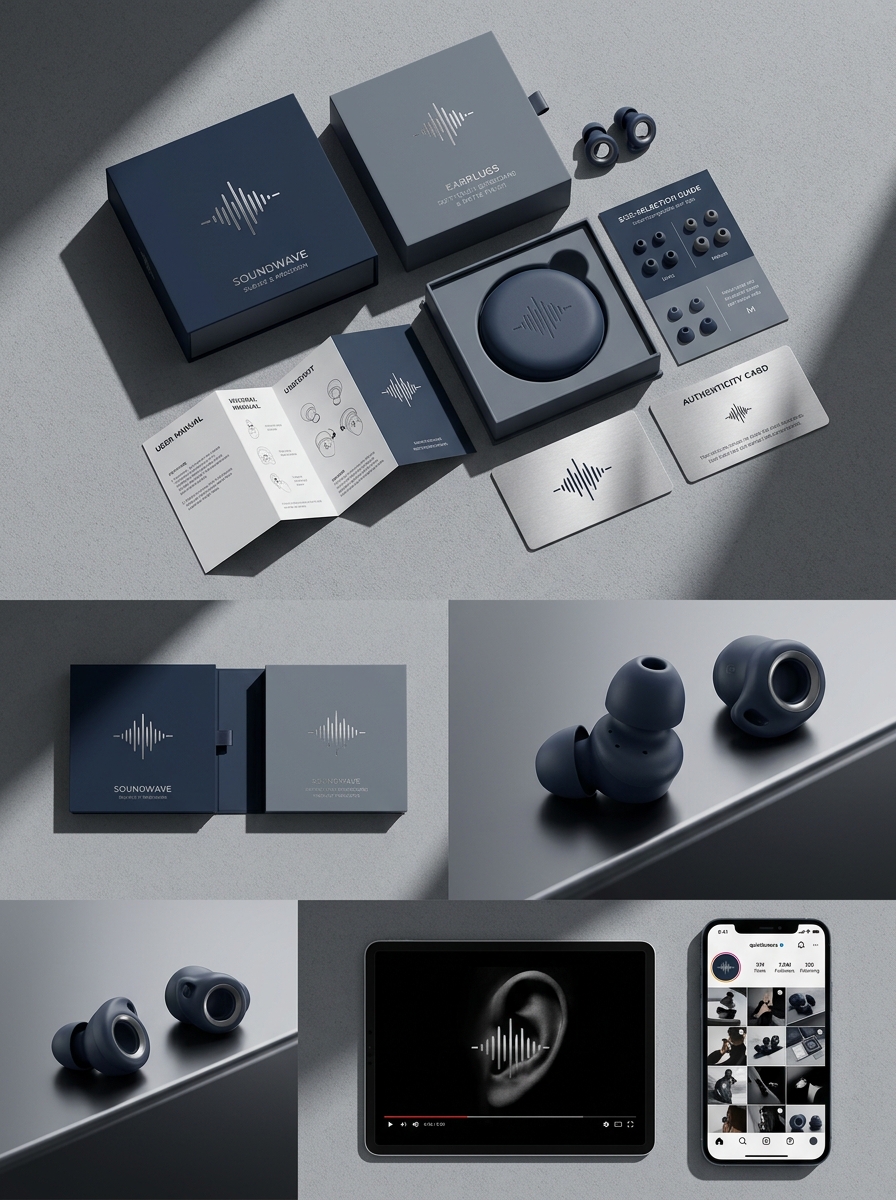
Effective ear plug packaging design demands a strategic balance between tactile functionality and visual storytelling. Beyond mere containment, high-quality packaging serves as a critical touchpoint for consumer trust, emphasizing hygiene and noise reduction capabilities. By integrating clean typography with minimalist color palettes, brands can communicate a sense of serenity and silence-the ultimate product promise.
Prioritizing sustainable materials and ergonomic opening mechanisms further enhances the user experience. This exploration into essential design concepts and visual aesthetics reveals how thoughtful structural engineering and graphic elements work in harmony to elevate a utility item into a premium wellness solution. Mastering these principles ensures products resonate with modern consumers seeking quiet in a noisy world, driving both brand loyalty and shelf-side conversion through intentional, purpose-driven design.
The Importance of First Impressions in Protective Gear Branding
In the personal protective equipment (PPE) industry, first impressions serve as a critical indicator of reliability and excellence. For ear plugs, branding is more than aesthetics; it is a visual promise of safety. When hearing protection features professional packaging and an ergonomic design, it immediately signals to the user that the product is engineered for high-performance noise reduction and long-term comfort.
Effective branding builds consumer trust and encourages safety compliance by making gear feel approachable and high-quality. Premium visual cues suggest rigorous testing and adherence to safety standards, heavily influencing procurement decisions in industrial sectors. By prioritizing a strong brand identity, manufacturers can differentiate their products, fostering long-term loyalty and reinforcing the vital importance of hearing conservation in the workplace.
Defining Target Audience Needs Through Packaging Functionality
Effective earplug packaging serves as a critical touchpoint for addressing specific user requirements. By tailoring functionality to the environment, brands align their products with the unique pain points of their target demographic.
For industrial workers, bulk dispensers emphasize high-visibility and hygiene for rapid access on loud jobsites. Conversely, travelers and musicians prioritize portability, favoring durable, compact keychain canisters that protect high-fidelity filters. Sleepers benefit from resealable, soft-touch pouches that maintain foam cleanliness and facilitate easy nighttime access.
For specialized users like swimmers, waterproof and ergonomic cases are essential to prevent moisture ingress. When packaging design integrates these functional elements-whether through eco-friendly materials for sustainable consumers or pocket-sized durability for concert-goers-it transcends simple containment. It becomes a specialized tool that enhances user experience and reinforces product utility through thoughtful, lifestyle-driven design.
Visual Hierarchy and the Communication of Noise Reduction Ratings
Effective ear plug packaging relies on strategic visual hierarchy to communicate safety data instantaneously. The Noise Reduction Rating (NRR) is the most critical metric, typically prioritized through bold typography, large scale, and high-contrast colors. By placing the decibel (dB) rating at the apex of the information architecture, manufacturers ensure users can quickly assess protection levels for high-decibel environments.
Supporting visual cues, such as color-coded safety scales or intuitive icons, complement the numerical data. For example, a bright label highlighting a "33 dB" rating signals maximum attenuation more effectively than fine print. This structured arrangement of elements-size, color, and spatial placement-minimizes cognitive load, helping consumers select the correct hearing protection to prevent noise-induced hearing loss. Proper visual communication is essential for both regulatory compliance and user safety in industrial and personal settings.
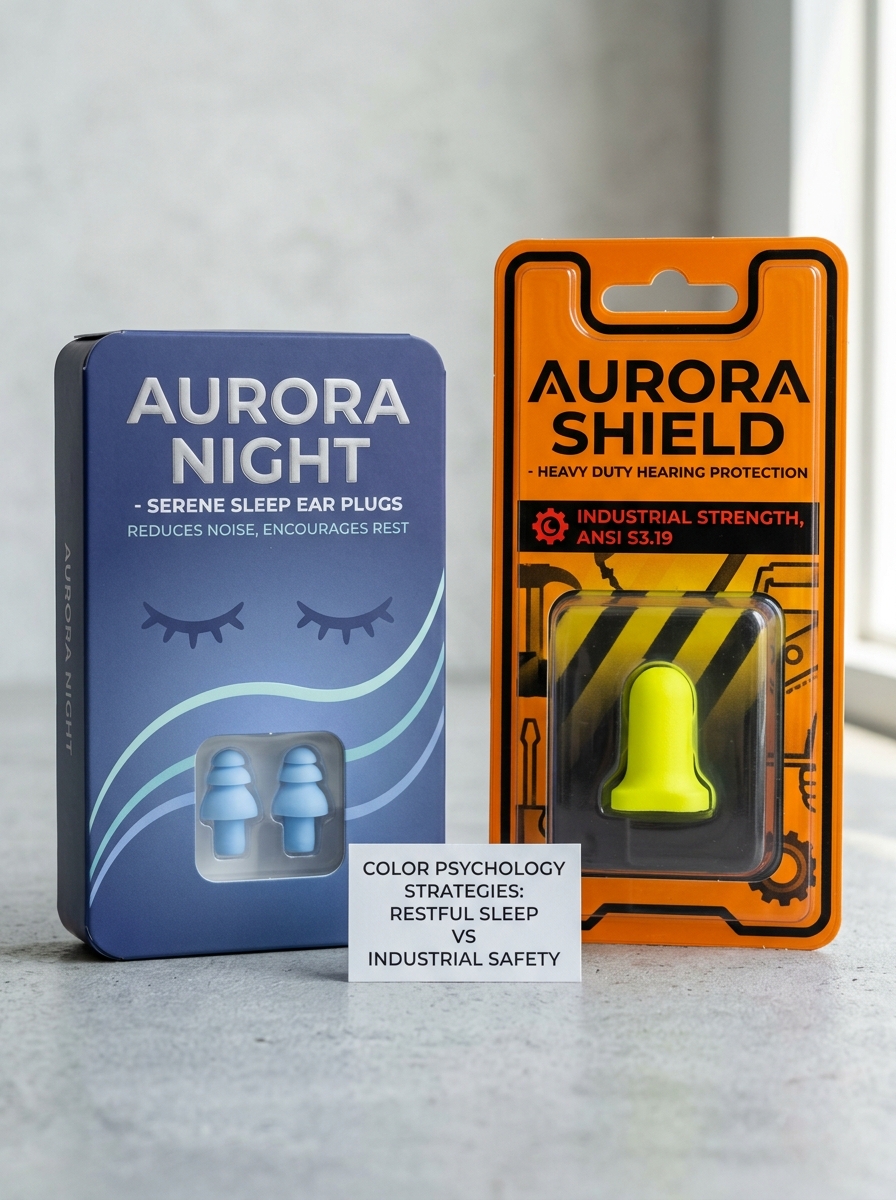
Color Psychology Strategies for Restful Sleep versus Industrial Safety
In the design of ear plugs, color psychology serves two distinct functional goals: relaxation and compliance. For restful sleep, manufacturers typically employ soothing palettes like soft blues, lavender, or neutral tones. These colors are psychologically associated with tranquility and lower heart rates, helping to signal the brain that it is time to decompress and enter a sleep state.
In contrast, industrial safety ear plugs utilize high-visibility "Hi-Viz" colors such as neon green, bright orange, and yellow. This strategy is essential for workplace monitoring; vibrant hues allow safety officers to perform quick visual compliance checks from a distance, ensuring employees are protected in high-decibel environments. While sleep-grade ear plugs prioritize sensory calm and discretion, industrial variants leverage bold color contrasts to prioritize life-safety standards and occupational health transparency.
Material Selection for Sustainability and Product Longevity
Selecting the right materials for ear plugs is crucial for balancing environmental responsibility with high-performance hearing protection. While traditional polyurethane foam is often disposable, sustainable alternatives like medical-grade silicone and thermoplastic elastomers (TPE) are engineered for longevity.
These durable materials are washable and hypoallergenic, allowing for repeated use over several years. This significantly reduces plastic waste compared to single-use options. Furthermore, high-quality silicone maintains its structural integrity and acoustic seal, ensuring consistent noise reduction levels over time.
By prioritizing reusable ear plugs made from non-toxic, recyclable, or bio-based components, consumers can invest in product longevity while minimizing their ecological footprint. Choosing premium, sustainable materials ensures that effective hearing conservation remains both cost-effective and environmentally friendly.
Typography and Legibility Standards for Technical Specifications
Technical specifications for ear plugs must prioritize clarity to ensure user safety and regulatory compliance. Accurate typography is essential when displaying the Noise Reduction Rating (NRR) and specific attenuation data across various frequencies. To meet industry standards like ANSI/ASA S12.6, documentation should utilize high-contrast, sans-serif typefaces which remain legible even at small point sizes on compact packaging.
Effective legibility for hearing protection specifications involves:
- Visual Hierarchy: Using bold weights for decibel (dB) ratings to allow for quick scanning.
- Font Selection: Utilizing clean fonts to prevent character blurring on instructional diagrams.
- Spacing: Maintaining adequate leading and tracking to ensure numerical data is distinct.
Strict adherence to these typographic standards prevents user error, ensuring that individuals select the appropriate level of protection for their specific noise environment.
Balancing Minimalist Aesthetics with Essential Product Information
Achieving harmony between minimalist design and technical clarity is vital for modern ear protection. While sleek, discreet ear plugs appeal to lifestyle consumers, safety remains the priority. Effective product presentation must integrate critical data like the Noise Reduction Rating (NRR) and material composition-such as medical-grade silicone or memory foam-without compromising a clean aesthetic.
Strategically placing essential details regarding decibel attenuation and fit instructions ensures users select the right protection for sleeping, concerts, or industrial environments. By prioritizing user-centric information alongside high-end visual appeal, brands build trust. This balance ensures that premium ear plugs are not only stylish and comfortable but also deliver the certified hearing conservation required to protect long-term auditory health effectively.
The Impact of Structural Design on Portability and Hygiene
The structural design of modern ear plugs directly influences their portability and hygiene. Compact, ergonomic shapes allow for easy storage in pocket-sized carrying cases, ensuring users have hearing protection readily available during travel or work. Many premium reusable models feature smooth, non-porous surfaces that resist debris and earwax buildup, which is essential for maintaining ear health.
Furthermore, innovative engineering often includes integrated storage solutions to protect the plugs from environmental contaminants when not in use. Specialized stems or corded attachments are frequently incorporated to minimize direct finger contact with the insertion tip, significantly reducing the risk of introducing bacteria into the ear canal. By prioritizing sleek architecture and protective housings, manufacturers enhance both the convenience and the sanitary safety of hearing conservation devices.
Creating a Premium Unboxing Experience for High-End Earplugs
A premium unboxing experience transforms high-end earplugs from simple utilities into luxury lifestyle accessories. To captivate discerning customers, packaging must prioritize tactile quality and sophisticated design. Utilizing sustainable, soft-touch materials with magnetic closures creates an immediate sense of durability and value.
Inside, the presentation should be meticulous. Securely nested components, such as a precision-engineered aluminum carry case and multiple sizes of medical-grade silicone tips, emphasize personalization and user comfort. Including high-quality documentation and a microfiber cleaning cloth adds functional depth to the purchase. By focusing on sensory details and deliberate organization, brands can justify premium pricing and foster long-term loyalty through a memorable first impression.
Future Trends in Interactive and Eco-Conscious Packaging Solutions
The ear plug industry is rapidly evolving, shifting toward sustainable packaging to meet the demands of environmentally-aware consumers. Future trends focus on replacing single-use plastics with biodegradable materials, such as molded pulp, recycled cardboard, and compostable plant-based films. These eco-conscious innovations ensure product hygiene while significantly reducing plastic waste.
Beyond sustainability, interactive packaging is enhancing the user experience. Brands are now integrating smart technology, such as QR codes, directly onto ear plug containers. These links provide instant access to digital fitting tutorials, noise-reduction rating (NRR) data, and subscription management. By combining plastic-free designs with digital connectivity, manufacturers are creating high-value, circular economy solutions that prioritize both ear health and the planet's future. This dual approach sets a new standard for functional and responsible consumer goods.
Leave a comment