
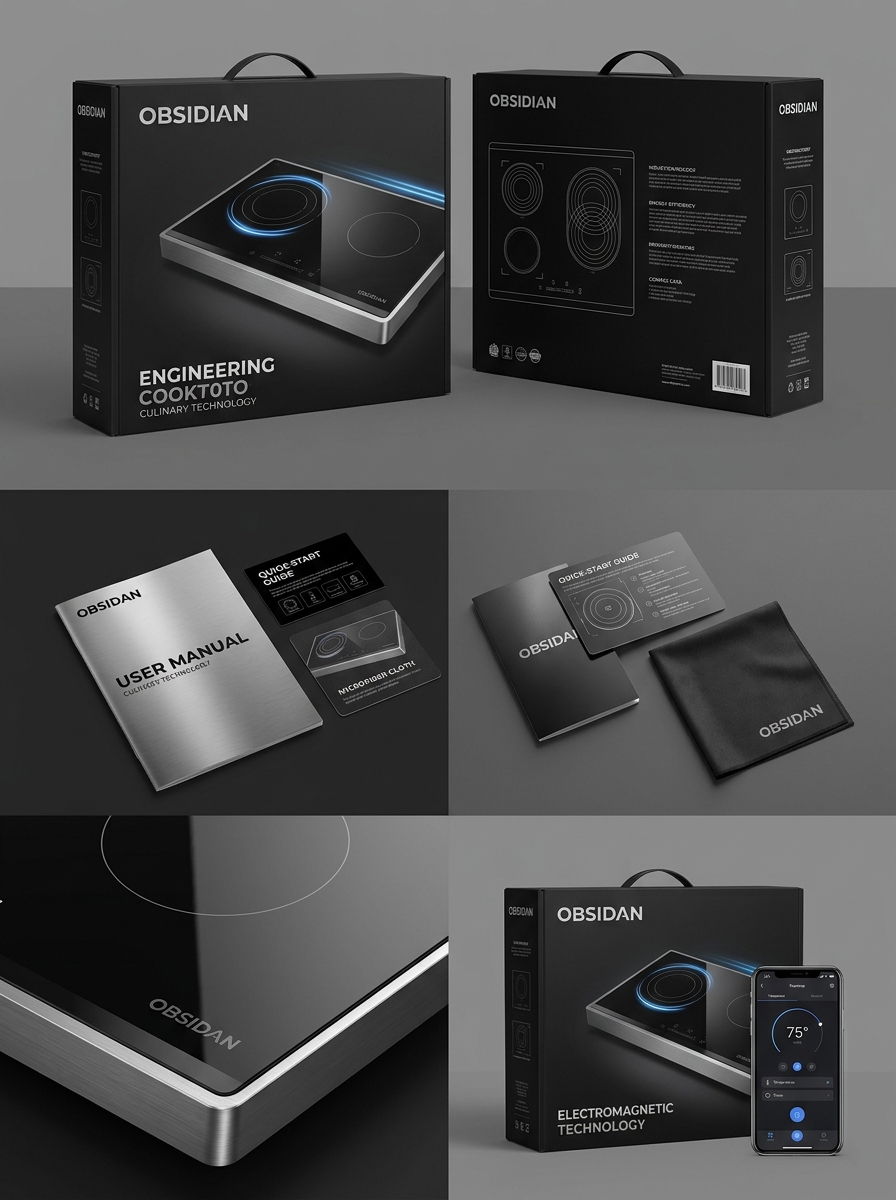
Modern induction cooktops represent the pinnacle of kitchen innovation, yet a consumer's first physical interaction begins long before the appliance is ever powered on. Strategic packaging design serves as a silent ambassador for brand quality, effectively bridging the gap between sophisticated technical performance and luxury visual aesthetics.
As appliance manufacturers shift toward premium market positioning, the integration of structural integrity and graphic excellence becomes paramount. By utilizing minimalist design principles, high-contrast typography, and sustainable materials, brands can create an immersive unboxing experience that mirrors the precision of induction technology. This analysis explores the essential design concepts that elevate cooktop packaging from mere protection to a powerful marketing asset, ensuring every external detail reflects the high-tech innovation housed within.
The Evolution of Premium Induction Cooktop Packaging
As induction cooktop technology advances, packaging has evolved from simple corrugated boxes to sophisticated, protective ecosystems. Historically, bulky polystyrene was the standard for transit safety. Today, the shift toward premium induction appliances demands packaging that reflects the product's high-tech nature and sleek design.
Modern manufacturers now prioritize sustainable materials, utilizing high-density molded pulp and reinforced honeycomb structures to safeguard fragile ceramic glass surfaces. This evolution emphasizes the "unboxing experience," incorporating minimalist aesthetics and organized internal compartments for components. By integrating shock-absorbent technology with eco-friendly finishes, premium packaging ensures that precision-engineered cooktops remain pristine during logistics. This strategic shift not only enhances brand prestige but also guarantees maximum protection for sensitive electromagnetic internal components, aligning luxury with functional durability.
Minimalist Design Principles for Modern Kitchen Appliances
Minimalist design in modern induction cooktops prioritizes a sleek, unobtrusive aesthetic that blends seamlessly into contemporary kitchen layouts. By eliminating physical knobs and bulky frames, these appliances utilize a flat ceramic-glass surface to enhance both visual appeal and spatial efficiency.
The "less is more" philosophy focuses on clean lines and intuitive touch-sensitive interfaces, reducing visual clutter while maximizing usable counter space. This design approach ensures effortless maintenance and a flush installation, embodying the perfect union of electromagnetic technology and sophisticated ergonomics. A minimalist cooktop serves as a high-performance tool that complements architectural harmony without overwhelming the room's decor, making it a cornerstone of the modern, streamlined kitchen environment.
Harmonizing Color Palettes with High Tech Functionality
Modern induction cooktops are evolving beyond simple utility to become central design elements in the contemporary kitchen. By integrating sleek glass-ceramic surfaces with sophisticated color palettes-ranging from classic obsidian black to metallic silver and pearl white-manufacturers are bridging the gap between high-tech performance and interior aesthetics.
These color choices are carefully selected to complement premium cabinetry and countertop materials like quartz or marble. Beyond visual appeal, the seamless finish of an induction cooktop highlights its intuitive touch interfaces and vibrant LED displays. Whether you prefer a minimalist monochrome look or a bold architectural statement, harmonizing your appliance's hue with its advanced electromagnetic technology ensures a cohesive, professional-grade cooking environment that balances sensory beauty with culinary precision.
Typography and Visual Hierarchy in Technical Brand Identity
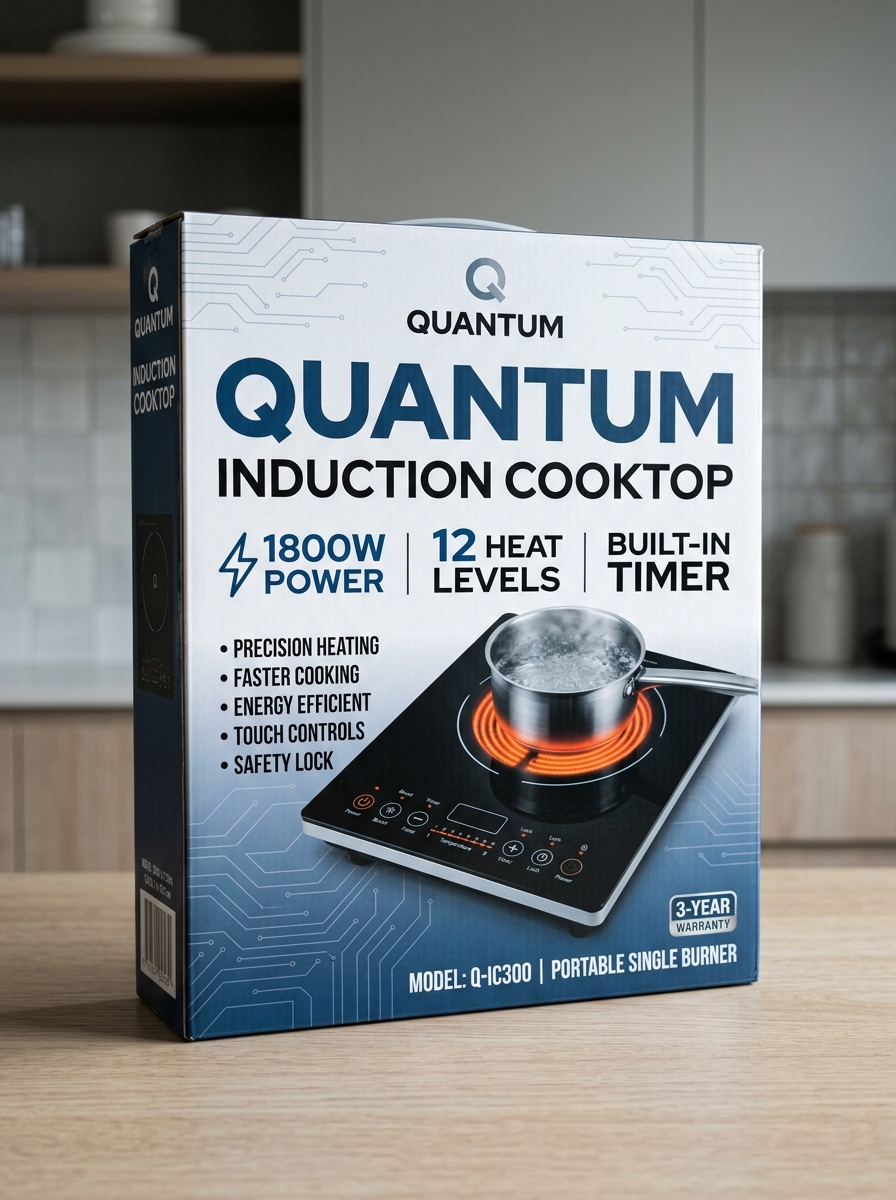
For induction cooktop brands, technical identity is established through a rigorous visual hierarchy that communicates precision and safety. Professional branding utilizes clean, sans-serif typefaces-such as Roboto or Helvetica-to mirror the modern, high-tech nature of electromagnetic heating.
A structured information architecture is vital; bold headings prioritize core performance specs like wattage and thermal efficiency, while lighter weights are reserved for secondary technical data. By utilizing varying font sizes and strategic white space, manufacturers guide the user's eye through complex safety certifications and installation requirements. This semantic clarity not only reinforces brand authority but also ensures that both professional installers and consumers can quickly digest critical product information. Consistent, legible typography transforms technical specifications into a cohesive brand narrative of reliability and culinary innovation.
Sustainable Materials for Eco-Conscious Luxury Design
Modern luxury induction cooktops prioritize environmental responsibility by integrating high-performance, sustainable materials. Premium manufacturers now utilize recyclable glass-ceramic surfaces, often produced without toxic heavy metals like arsenic or antimony, ensuring a cleaner manufacturing cycle.
Beyond the sleek exterior, eco-conscious engineering focuses on longevity and resource efficiency:
- Recycled Metals: The use of recycled aluminum and stainless steel for housing reduces the carbon footprint of production.
- Responsibly Sourced Copper: High-grade copper coils provide maximum conductivity and energy efficiency while adhering to ethical mining standards.
- Durable Components: Engineered for resilience, these materials extend the appliance's lifecycle, significantly reducing electronic waste.
By blending sophisticated aesthetics with earth-friendly materials, these cooktops offer a refined culinary experience that aligns with a commitment to green living and sustainable luxury.
The Art of the Unboxing Experience for Home Chefs
For culinary enthusiasts, the journey toward precision cooking begins the moment a new induction cooktop arrives. The unboxing experience is a curated introduction to modern kitchen innovation. Premium packaging does more than protect the glass-ceramic surface; it builds anticipation for the high-performance technology within.
As home chefs remove the protective layers, they encounter the sleek, minimalist design of the magnetic induction interface. A well-designed unboxing process highlights essential elements:
- The tactile quality of the touch control panels.
- Comprehensive user guides for mastering electromagnetic heat.
- Secure, sustainable cushioning that ensures pristine delivery.
This initial interaction bridges the gap between a simple appliance delivery and a professional kitchen upgrade, signaling the start of an efficient, responsive, and stylish cooking adventure for every gastronomy enthusiast.
Integrating Smart Features and Interactive Digital Elements
Modern induction cooktops are evolving into sophisticated kitchen hubs by incorporating advanced smart features and interactive digital elements. Integrated Wi-Fi connectivity allows users to monitor cooking progress and adjust heat settings remotely via smartphone applications, ensuring maximum flexibility.
Key interactive advancements include:
- Full-Color Touchscreens: High-resolution interfaces offer intuitive control and access to built-in guided cooking programs.
- Precision Sensors: Smart technology detects cookware size and monitors surface temperature to prevent boiling over automatically.
- Smart Home Ecosystems: Seamless integration with voice assistants and automated range hoods that adjust fan speeds based on cooktop activity.
These digital enhancements transform the induction cooking experience, providing the home chef with unparalleled precision, safety, and a fully connected culinary environment.
Engineering Protective Structures with Aesthetic Integrity
Modern induction cooktop design prioritizes the fusion of structural durability and visual appeal. Engineering protective structures involves utilizing advanced glass-ceramic surfaces, which offer exceptional thermal shock resistance and mechanical strength. These materials are precision-engineered to protect internal induction coils and sensitive power electronics from intense heat and heavy cookware impacts.
Aesthetic integrity is achieved through minimalist, flush-mount profiles and integrated touch-sensor interfaces. This seamless design ensures the appliance remains easy to clean while complementing contemporary kitchen architecture. By balancing structural reinforcement with sophisticated finishes, manufacturers deliver a high-performance cooking surface that withstands daily wear without compromising its sleek, premium appearance. This synergy of material science and industrial design ensures both the longevity and elegance of professional-grade induction systems.
Communicating Safety and Performance through Graphic Elements
Modern induction cooktops utilize specialized graphic elements to bridge the gap between high-tech electromagnetic technology and user safety. Intuitive icons, such as the residual heat indicator (often a red "H") and the child lock symbol, provide immediate visual feedback to prevent accidental burns or activation.
Performance is optimized through precision-engineered zone markings. Whether using minimalist crosses or concentric circles, these graphics guide users to align magnetic cookware perfectly with the internal induction coils. Correct alignment ensures maximum energy efficiency and uniform heat distribution.
Furthermore, integrated digital sliders and power-level scales offer granular control over temperature settings. By translating complex induction physics into clear visual cues, these surface graphics enhance the user interface, ensuring both operational safety and peak culinary performance on the glass-ceramic surface.
Future Trends in Appliance Packaging and Brand Differentiation
As the induction cooktop market evolves, packaging is shifting from simple protection to a vital brand differentiator. Future trends prioritize sustainability and technological integration to appeal to eco-conscious consumers. Manufacturers are increasingly replacing non-recyclable plastics with biodegradable molded pulp and FSC-certified materials.
To enhance brand identity, premium induction ranges now feature minimalist aesthetic packaging and interactive QR codes. These digital touchpoints provide instant access to installation videos, energy-saving tips, and recipe apps, bridging the gap between physical hardware and digital ecosystems. Smart packaging reduces waste by eliminating bulky paper manuals while reinforcing a commitment to modern, efficient living. As competition intensifies, unique unboxing experiences that highlight the sleek, glass-ceramic engineering of the cooktop will be crucial for capturing market share and building long-term customer loyalty.
Leave a comment