
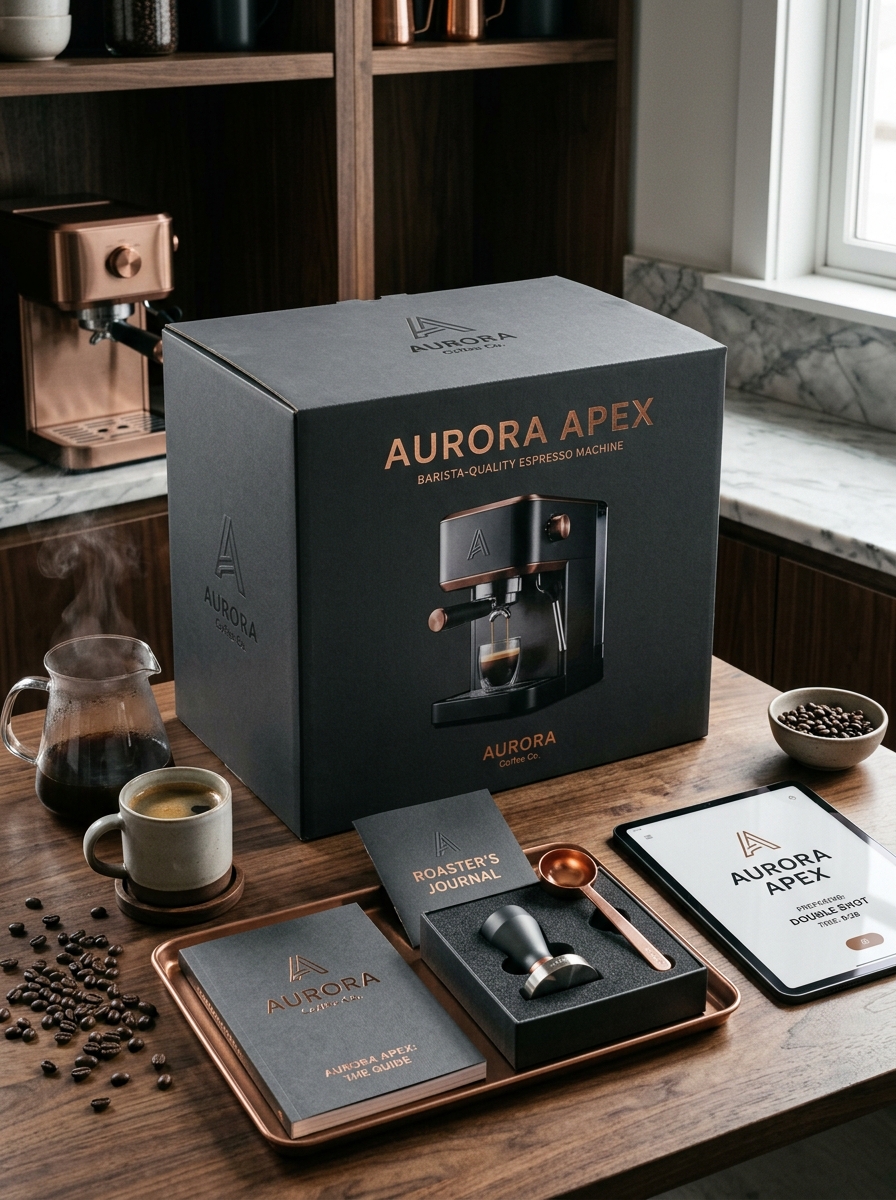
Modern coffee culture demands more than just a functional appliance; it requires an immersive experience that begins the moment a consumer encounters the product box. As the specialty market expands, innovative coffee maker packaging has transitioned from mere protection to a critical pillar of brand identity. By integrating sophisticated design concepts with high-end visual aesthetics, manufacturers can communicate professional quality before the first bean is ever ground.
The strategic shift toward minimalist graphics, sustainable materials, and tactile finishes allows premium brands to resonate with discerning enthusiasts. This evolution in packaging design prioritizes the unboxing experience, utilizing structural ingenuity to evoke an immediate emotional connection. Exploring the intersection of artistic form and practical function reveals how strategic visual storytelling transforms a standard kitchen tool into a premium lifestyle statement, ultimately elevating the consumer's journey from the retail shelf to the home countertop.
The Evolution of First Impressions in the Specialty Coffee Market
In the specialty coffee sector, the coffee maker has transitioned from a purely utilitarian appliance into a sophisticated design centerpiece. Historically, functionality dictated form; however, modern brewing equipment now serves as the primary visual touchpoint for the consumer experience.
Today's specialty coffee makers combine precision engineering-such as PID temperature control and pressure profiling-with minimalist aesthetics. This shift reflects a broader trend where third-wave coffee enthusiasts demand equipment that performs exquisitely while complementing high-end interior spaces.
As the market matures, the physical appearance of a machine signals brand authority and quality. Whether in a commercial cafe or a prosumer home setup, the evolution of coffee maker design ensures that the first impression aligns with the premium sensory journey expected by modern connoisseurs.
Defining Brand Identity Through Curated Color Palettes and Typography
Establishing a compelling brand identity for a coffee maker involves a strategic fusion of visual aesthetics. Curated color palettes serve as an immediate emotional touchpoint; for example, matte black and stainless steel evoke professional precision, while pastel hues suggest a retro, lifestyle-oriented appeal.
Typography complements these colors by anchoring the brand's voice. A minimalist sans-serif font projects modern innovation and ease of use, whereas a classic serif typeface communicates heritage and artisanal craftsmanship. Together, these design elements transform a functional kitchen appliance into a recognizable brand statement. By aligning visual cues with consumer expectations, manufacturers can effectively communicate quality, reliability, and style, ensuring their coffee maker stands out in a competitive marketplace.
Balancing Structural Integrity with High-End Minimalist Aesthetics
Achieving a premium coffee maker design requires a precise equilibrium between industrial durability and visual simplicity. High-end minimalist aesthetics favor clean lines and seamless surfaces, which often present significant engineering challenges. To maintain structural integrity without compromising style, manufacturers utilize die-cast metals and reinforced internal frames that provide necessary rigidity.
By concealing fasteners and integrating internal bracing, the appliance successfully resists the mechanical stresses of high-pressure brewing and repeated thermal cycles. This approach ensures the "less is more" philosophy extends beyond mere appearance, resulting in a robust chassis that feels substantial to the touch. The final product is a sophisticated brewing tool that marries long-term reliability with a sleek, modern silhouette, proving that elite performance and understated elegance can coexist perfectly in the kitchen.
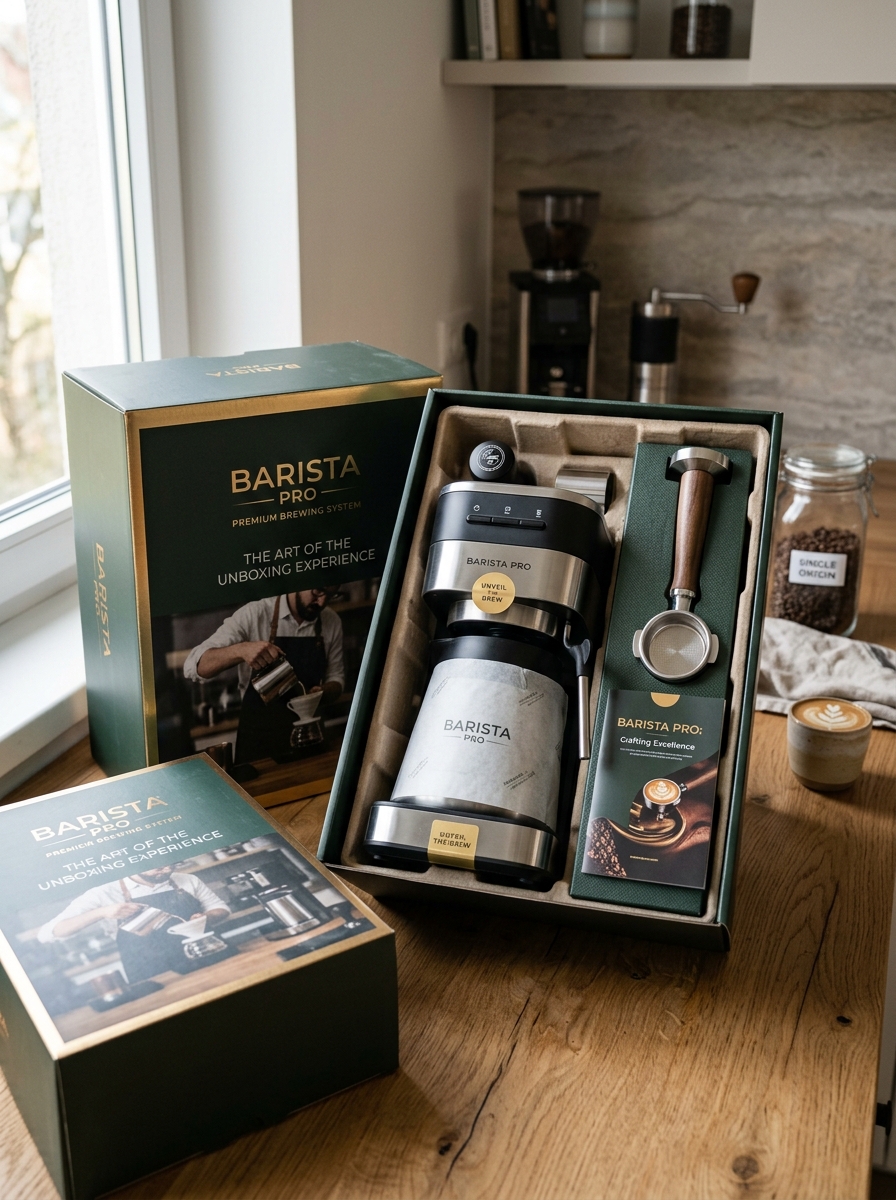
The Art of the Unboxing Experience for Premium Brewing Hardware
Unboxing premium brewing hardware is the initial step in the specialty coffee journey. For luxury espresso machines and high-end pour-over kits, the packaging serves as a bridge between engineering excellence and the home barista's daily ritual.
Manufacturers utilize sustainable yet sophisticated materials to protect delicate components like PID controllers and thermal blocks. This tactile experience-characterized by heavy-duty cardstock, magnetic closures, and organized toolkits-reinforces brand value and product quality.
A meticulously curated unboxing builds psychological anticipation, ensuring the user feels the precision of their investment before the first drop of coffee is even extracted. By focusing on the sensory appeal of the packaging, brands transform a simple appliance delivery into a memorable lifestyle upgrade.
Sustainable Material Innovation in Modern Appliance Packaging
As the demand for eco-friendly appliances grows, coffee maker manufacturers are revolutionizing their supply chains with sustainable packaging innovations. Moving beyond traditional expanded polystyrene (Styrofoam), leading brands now utilize biodegradable molded pulp and mushroom-based packaging to protect delicate glass carafes and electronic components during transit.
These 100% recyclable and compostable alternatives significantly reduce the carbon footprint of domestic brewing equipment. By implementing plastic-free inserts and soy-based inks, the industry is aligning with circular economy principles. This shift not only ensures the safe delivery of high-end espresso machines but also meets consumer expectations for environmentally conscious disposal. Embracing green material science is now a critical benchmark for quality and corporate responsibility in the modern coffee maker market.
Visual Storytelling Techniques to Convey Professional Brewing Quality
Capturing the essence of a high-end coffee maker requires visual narratives that emphasize precision and sensory appeal. To signal professional grade, utilize macro photography to highlight the rich, golden crema and the steady, syrupy flow of espresso extraction. These close-ups emphasize the machine's pressure consistency and thermal stability.
- Atmospheric Lighting: Use low-key lighting to accentuate sleek stainless steel finishes and minimalist digital interfaces.
- Action Sequences: Incorporate slow-motion shots of steam wands texturing milk to demonstrate professional-level aeration and power.
- Material Focus: Highlight durable components like brass portafilters or ceramic grinders to imply longevity and artisanal craftsmanship.
By focusing on these technical details through a cinematic lens, brands effectively communicate a "barista-at-home" experience, bridging the gap between standard appliance functionality and professional brewing excellence.
Ergonomic Design Elements That Enhance Consumer Interaction
Modern coffee makers prioritize user experience by integrating intuitive ergonomic features that streamline the brewing process. These design elements focus on physical comfort and cognitive ease, ensuring a seamless interface between the machine and the user.
- Contoured Handles: Heat-resistant, non-slip grips on carafes and portafilters prevent wrist strain and enhance safety.
- Tactile Control Panels: Angled displays and backlit buttons are strategically positioned for optimal visibility and natural hand movement.
- Accessible Reservoirs: Removable water tanks with wide-mouth openings simplify refilling and routine maintenance.
- Visual Feedback: LED indicators and clear water-level windows provide real-time status updates, reducing operational errors.
By applying these ergonomic principles, manufacturers optimize interaction design, transforming a technical task into an effortless, enjoyable morning ritual for every consumer.
Integrating Smart Technology and Digital Connectivity into Box Art
Modern coffee maker packaging now serves as a digital-first marketing tool. By integrating smart technology and digital connectivity directly into the box art, manufacturers effectively highlight advanced features like Wi-Fi brewing, IoT integration, and mobile app compatibility.
High-resolution visuals showcasing smartphone interfaces and scannable QR codes allow consumers to instantly grasp the product's connected capabilities. Semantic design elements-such as intuitive icons for voice control and custom scheduling-clearly communicate the convenience of a smart home ecosystem.
This strategic approach to packaging design bridges the gap between physical hardware and digital functionality. By emphasizing these digital touchpoints, brands successfully market the coffee maker as a premium, high-tech appliance essential for any modern, automated kitchen, helping tech-savvy shoppers visualize a seamless, remote-controlled brewing experience.
Psychological Impact of Tactile Finishes on Perceived Product Value
The physical feel of a coffee maker significantly influences a consumer's perception of quality and luxury. Tactile finishes, such as brushed stainless steel, matte textures, or knurled dials, evoke feelings of durability and premium craftsmanship. Psychologically, humans associate specific haptic feedback with high-end engineering and reliability.
When a user interacts with a textured handle or a weighted switch, it triggers sensory marketing cues that elevate the perceived value of the appliance. Unlike glossy plastics, which may feel inexpensive or fragile, tactile surfaces provide a sense of stability and sophistication. This sensory interaction directly correlates with the user's expectation of the machine's performance and the flavor profile of the brew. By utilizing sensory-rich materials, manufacturers leverage psychological triggers that justify a higher price point and enhance the overall coffee-making ritual.
Future Trends in Eco-Conscious Luxury for Coffee Equipment
The evolution of high-end coffee makers is increasingly defined by the fusion of sustainability and premium performance. Future trends point toward a shift in material science, prioritizing plastic-free builds using recycled medical-grade stainless steel, brass, and sustainably sourced hardwoods.
Technological innovations are focusing on modular architecture, ensuring equipment is easily repairable and upgradeable to combat planned obsolescence. Energy efficiency is also being revolutionized through vacuum-insulated boilers and precision-start induction heating, which slash power consumption during the extraction process.
Furthermore, luxury brands are integrating smart water-management systems that minimize waste while maximizing flavor clarity. These advancements ensure that the discerning enthusiast can enjoy a barista-quality experience that respects both artisanal traditions and global environmental standards, proving that true luxury lies in longevity and ethical engineering.
Leave a comment