
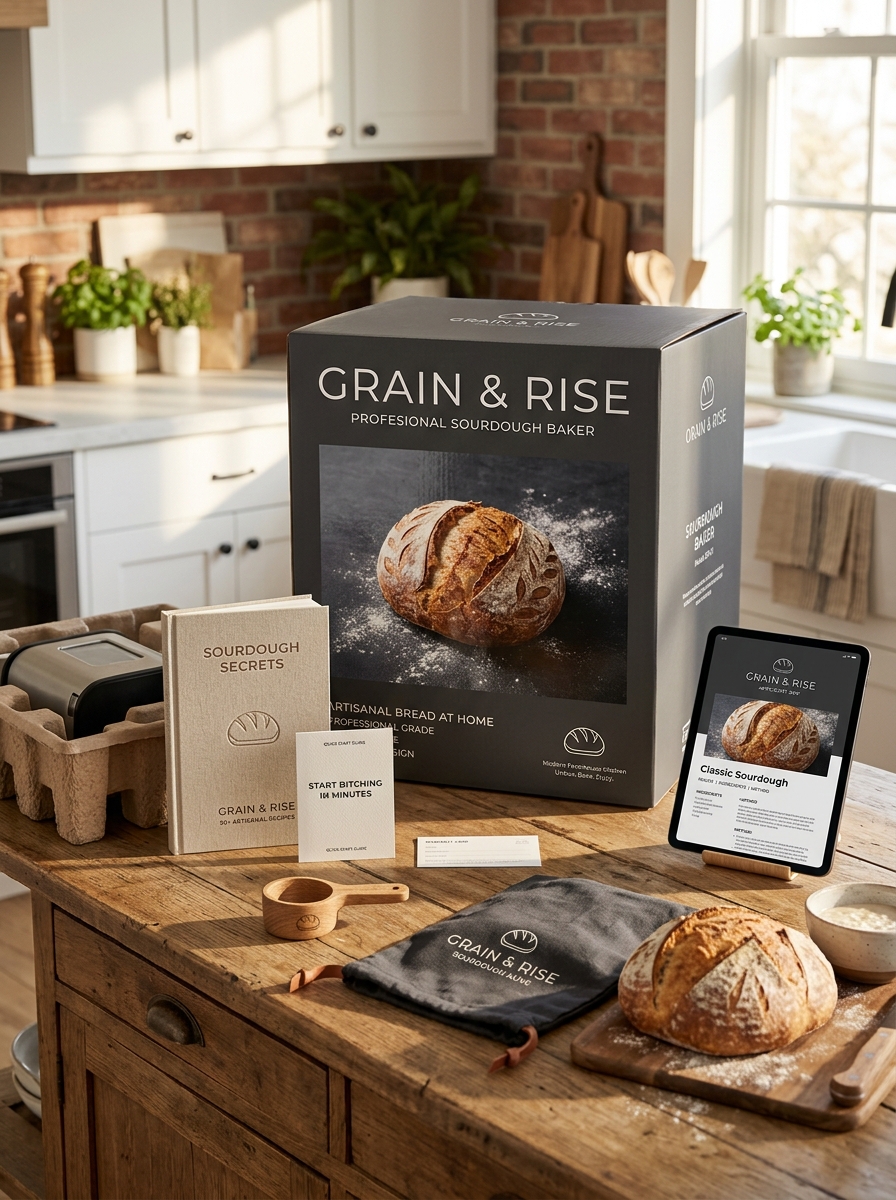
Elevating a kitchen appliance starts long before the first loaf is baked. Bread maker packaging design serves as the primary bridge between functional engineering and consumer lifestyle aspirations. To capture attention on retail shelves and digital marketplaces, designers must balance high-fidelity imagery with a clean visual hierarchy that communicates ease of use.
By integrating tactile finishes and minimalist aesthetics, brands can evoke the sensory comfort of artisanal baking. This exploration delves into the essential aesthetic guidelines and conceptual best practices required to create packaging that protects the product while telling a compelling brand story. Effective packaging transcends simple containment, transforming a bulky appliance into a coveted lifestyle centerpiece through thoughtful typography, sustainable material choices, and a seamless unboxing experience that builds immediate consumer trust.
The Role of Visual Identity in Kitchen Appliance Branding
In the competitive bread maker market, visual identity serves as a critical differentiator, transforming a functional tool into a lifestyle statement. A cohesive brand aesthetic-utilizing premium stainless steel finishes, minimalist digital interfaces, and ergonomic silhouettes-communicates reliability and technological sophistication to the consumer.
Because bread machines often occupy permanent real estate on kitchen countertops, their design must harmonize with modern interior trends. Brands that prioritize a distinct visual language, such as signature color palettes or intuitive control layouts, foster immediate brand recognition and consumer trust. By blending form and function, manufacturers use visual identity to signal professional-grade performance, ensuring the appliance appeals to both the aesthetic preferences and the culinary aspirations of the contemporary home baker.
Core Principles of Minimalist Aesthetic in Small Electronic Packaging
Minimalist packaging for bread makers focuses on stripping away visual noise to highlight functional elegance. By prioritizing clarity, brands communicate a sense of modern efficiency and premium quality. Key principles include:
- Strategic Whitespace: Utilizing "negative space" directs the consumer's focus toward the product's silhouette and key features, preventing information overload.
- Subtle Typography: Clean, sans-serif fonts reflect the user-friendly nature of contemporary small kitchen electronics.
- Monochromatic Palettes: Muted tones or high-contrast neutrals evoke a sophisticated, countertop-worthy aesthetic.
- Sustainable Materiality: Minimalist design often utilizes high-quality, eco-friendly cardboards, providing a premium tactile experience while reducing environmental impact.
This streamlined approach ensures the packaging mirrors the bread maker inside: efficient, elegant, and designed to simplify the user's daily routine.
Strategic Color Palettes for Evoking Warmth and Freshness
In the context of bread makers, color psychology plays a pivotal role in influencing consumer perception and appetite. To evoke a sense of warmth, designers often utilize a palette of golden ambers, terracotta, and soft copper. These hues mimic the Maillard reaction found in a perfectly baked crust, triggering subconscious associations with comfort and home-baked goodness.
To communicate freshness, these warm tones are balanced with "flour-inspired" neutrals such as creamy white, oatmeal, or sage green. These colors suggest organic ingredients and a clean, healthy baking environment. By strategically combining these earthy bolds with airy pastels, manufacturers can visually signal both the high-heat efficiency of the appliance and the artisanal quality of the finished loaf, making the bread maker an essential, inviting element of the modern kitchen aesthetic.
Information Hierarchy and Readability for Retail Shelf Impact
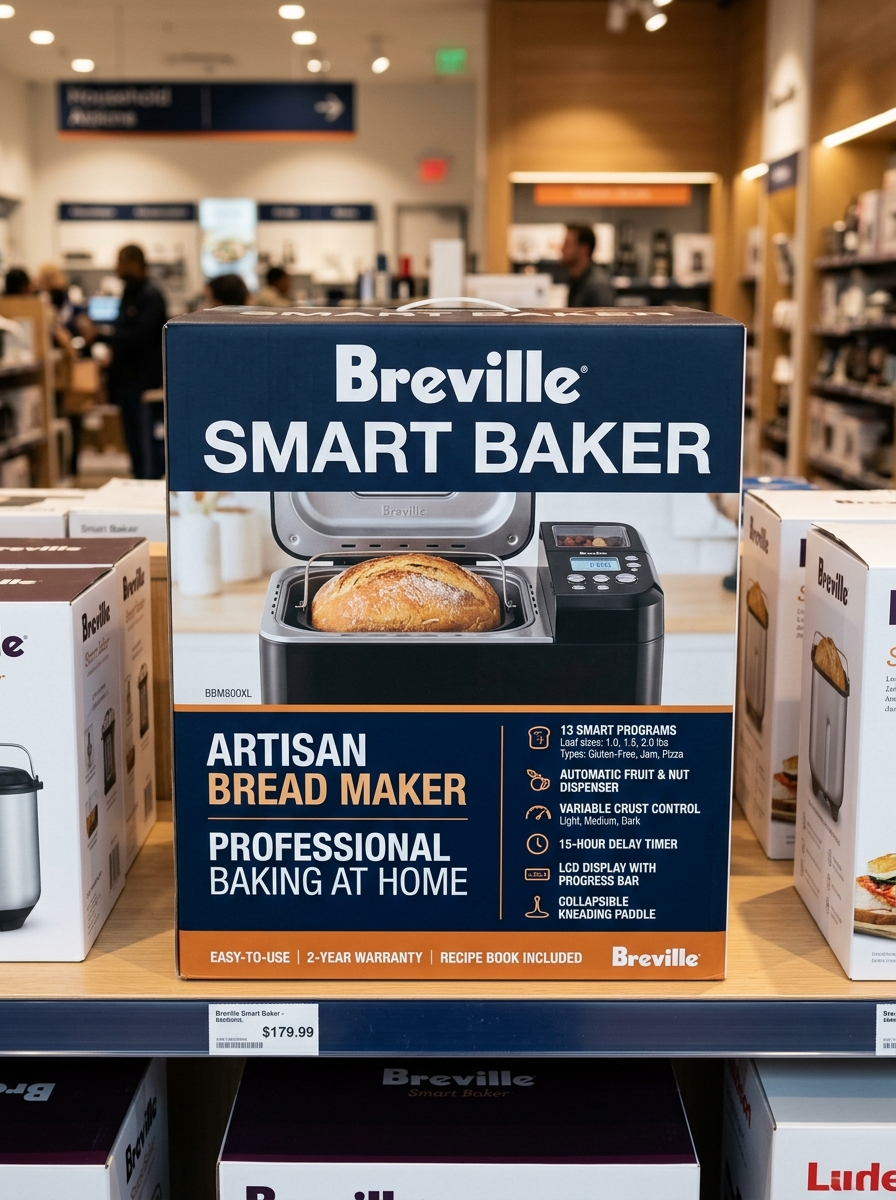
Effective packaging for a bread maker relies on a strategic information hierarchy to capture consumer attention instantly. At the primary level, the product category and brand name must be bold and legible from a distance, quickly identifying the appliance.
Secondary information focuses on high-value features, such as automatic fruit and nut dispensers or gluten-free settings. Using bulleted lists and iconograpy improves readability, allowing shoppers to scan technical specifications in seconds. High-contrast typography ensures that key benefits-like "Fresh Bread in Under an Hour"-stand out against background imagery.
By balancing clean white space with high-resolution visuals of artisanal loaves, manufacturers create a professional aesthetic that communicates quality. A well-organized layout guides the eye from the emotional hook to the practical utility, maximizing retail shelf impact and driving purchase intent.
Leveraging Lifestyle Imagery to Create Emotional Consumer Connections
In the competitive bread maker market, lifestyle imagery transcends basic product features by tapping into the consumer's aspirations. High-quality visuals depicting a sun-drenched kitchen or a family gathering around a steaming, homemade loaf create a powerful emotional connection. These images move beyond technical specifications, instead selling the experience of warmth, health, and domestic comfort.
By showcasing the appliance as the centerpiece of a wholesome daily routine, brands trigger sensory associations like the aroma of fresh baking. This strategic use of lifestyle photography transforms a functional kitchen tool into an essential component of a happy home. Ultimately, when shoppers see themselves in these curated moments, it fosters brand trust and drives purchase intent through the promise of a more fulfilling, artisanal lifestyle.
Designing a Premium Unboxing and User Experience Flow
Elevating a bread maker from a standard kitchen appliance to a luxury lifestyle product starts with the unboxing journey. A premium flow focuses on tactile quality and intuitive discovery to reduce setup friction and build brand loyalty.
Key elements of a high-end experience include:
- Sophisticated Packaging: Utilize minimalist, eco-friendly materials and precision-cut inserts to protect the unit while conveying elegance.
- The Welcome Kit: Position a high-gloss recipe book and a simplified "First Loaf" guide at the very top to inspire immediate action.
- Organized Accessories: House measuring tools and kneading paddles in labeled, easy-to-access compartments to prevent clutter.
The goal is a seamless transition from box to countertop. By prioritizing ergonomic design and clear instructional hierarchy, manufacturers create an emotional connection that transforms a functional task into an artisanal culinary experience.
Sustainable Material Selection for Eco Conscious Packaging Design
Selecting sustainable materials for bread maker packaging is critical for reducing the environmental impact of heavy kitchen appliances. Modern manufacturers are transitioning from expanded polystyrene (EPS) to recyclable corrugated cardboard and molded pulp inserts. These biodegradable alternatives provide superior shock absorption to protect delicate internal heating elements and digital displays during transit.
Eco-conscious design also incorporates FSC-certified paper and non-toxic soy-based inks, ensuring the entire unboxing experience is plastic-free. By choosing compostable components and minimizing excess bulk, brands can significantly lower their carbon footprint. For the eco-aware consumer, a bread machine protected by sustainable packaging reflects a commitment to quality and planetary health, aligning the appliance's lifespan with responsible disposal practices.
Technical Specification Integration and Clean Iconography Standards
Modern bread makers achieve peak usability through the seamless integration of technical specifications and clean iconography standards. This approach ensures that complex engineering data-such as motor wattage, thermal sensor precision, and loaf capacity-is presented in an intuitive format.
By utilizing minimalist, high-contrast icons, manufacturers simplify the user interface for essential baking functions:
- Cycle Navigation: Distinct symbols for gluten-free, dough-only, or rapid-bake modes.
- Crust Customization: Visual gradients representing light, medium, and dark browning levels.
- Timer Logistics: Standardized clock icons for delayed start and keep-warm phases.
These semantic visual standards bridge the gap between advanced hardware capabilities and user-friendly operation, reducing cognitive load while ensuring consistent, professional-grade results for every loaf.
Narrative Driven Copy and Brand Storytelling on Corrugated Panels
In the competitive bread maker market, packaging transcends mere protection. Utilizing narrative-driven copy on corrugated panels transforms standard shipping containers into immersive brand storytelling tools. By integrating evocative descriptions of artisanal loaves and the sensory joy of home baking directly onto the cardboard, manufacturers create an immediate emotional connection during the unboxing process.
Effective storytelling on corrugated surfaces leverages semantic-rich language to highlight craftsmanship and lifestyle benefits. Instead of listing technical specs alone, the copy focuses on the journey from raw ingredients to a warm kitchen. This strategic approach ensures that every panel serves as a brand touchpoint, reinforcing identity and building consumer trust. By treating packaging as a canvas for a "farm-to-table" narrative, brands enhance the perceived value of the appliance, turning functional corrugated packaging into a compelling invitation to the baking experience.
Future Conceptual Trends in Modern Bread Maker Architecture
Modern bread maker architecture is shifting toward modularity and high-tech integration. Emerging conceptual trends emphasize compact, vertical designs ideal for minimalist kitchens, alongside AI-integrated sensors that calibrate kneading cycles based on real-time dough elasticity.
Key advancements shaping the future include:
- Smart Fermentation Chambers: Precision-controlled environments for artisanal sourdough and complex yeasts.
- Hybrid Heating Elements: Implementation of induction technology for more uniform crust browning and energy efficiency.
- Sustainable Construction: A move toward circular economy principles using recycled components and PFAS-free internal linings.
These architectural shifts transform traditional appliances into multifunctional smart baking hubs, focusing on connectivity, nutritional transparency, and refined aesthetic integration into the smart home ecosystem.
Leave a comment