
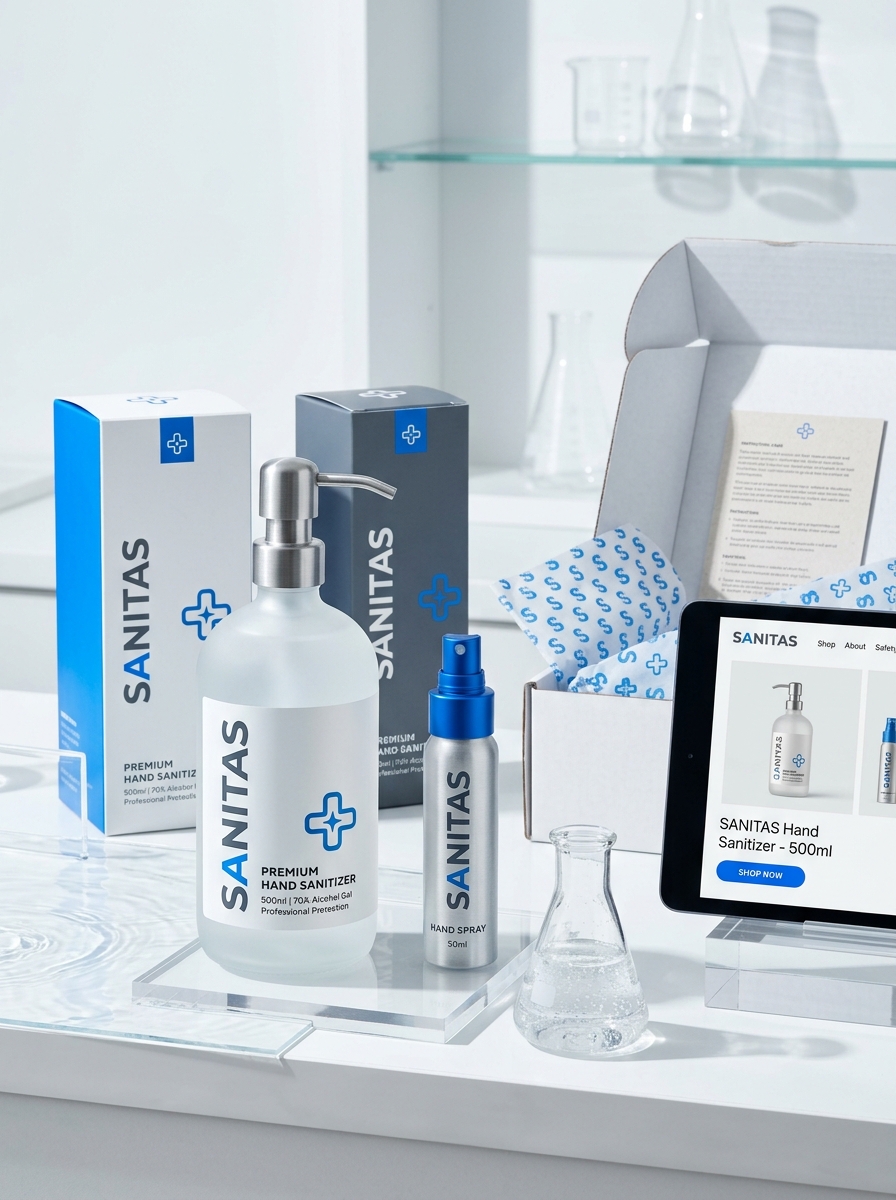
Modern hygiene products have evolved far beyond basic clinical utility, transforming into essential lifestyle accessories that command attention through sophisticated hand sanitizer packaging design. As consumer expectations shift toward premium experiences, brands must now navigate the intersection of visual identity and practical application to capture a discerning market.
This guide explores the latest aesthetic trends-ranging from minimalist typography to sustainable glass containers-alongside critical functional concepts such as leak-proof dispensing and ergonomic portability. By prioritizing the synthesis of user experience and environmental responsibility, manufacturers can develop packaging that resonates with health-conscious audiences. Understanding these core design pillars is essential for creating a product that offers both safety and style in the palm of the hand.
The Evolution of Hand Sanitizer Aesthetics
The visual identity of hand sanitizer has undergone a dramatic transformation from clinical necessity to high-end lifestyle accessory. Originally confined to sterile, medicinal-style pump bottles, the category evolved as brands prioritized packaging design to differentiate themselves in a saturated market.
Modern aesthetics now favor minimalist silhouettes, matte finishes, and sustainable materials that align with contemporary interior design trends. Beyond basic portability, the rise of premium hand hygiene has introduced ergonomic dispensers and sophisticated branding that appeals to the "self-care" demographic. This shift from utilitarian plastic to "shelf-worthy" objects reflects a change in consumer behavior, where hygiene products are now integrated into one's personal style and home decor. Today, the aesthetic appeal of sanitizers is often as influential as their antimicrobial efficacy in driving brand preference and daily usage habits.
Prioritizing Ergonomic Bottle Shapes for Ease of Use
In the design of modern hand sanitizer packaging, ergonomic bottle shapes are essential for enhancing user accessibility and efficiency. A well-engineered container prioritizes the natural contours of the human hand, allowing for seamless one-handed operation. This design focus is particularly beneficial for individuals with limited dexterity, such as those with arthritis, ensuring that hygiene remains inclusive.
Key features often include textured grips to prevent slipping, indented finger rests, and stable bases that support effortless dispensing. By focusing on human-centric engineering, manufacturers ensure that hand hygiene is convenient and comfortable. Whether it is a sleek pocket spray or a large tabletop pump, an ergonomic shape removes physical barriers to application, encouraging more frequent use and better compliance with health protocols in any environment.

Eco-Friendly Materials and Sustainable Packaging Solutions
As environmental awareness grows, the hand sanitizer industry is pivoting toward sustainability. Eco-friendly formulations prioritize bio-based ingredients, such as plant-derived ethanol sourced from corn or sugar cane, replacing petroleum-based synthetics. These natural alternatives are often paired with biodegradable thickening agents and organic botanical extracts like aloe vera to ensure a lower ecological impact.
Packaging innovation is equally crucial in reducing the industry's carbon footprint. Brands are transitioning to post-consumer recycled (PCR) plastics, compostable bioplastics, and infinitely recyclable aluminum or glass containers. Refillable dispensing systems are gaining popularity, significantly cutting down on single-use plastic waste. By choosing products with FSC-certified labels and minimalist designs, consumers can maintain hand hygiene while supporting circular economy practices. This shift ensures that sanitizing solutions protect both public health and the planet's delicate ecosystems.
Minimalist Design Principles for a Modern Medical Look
In the hand sanitizer industry, minimalist design principles are essential for establishing clinical authority and consumer trust. A modern medical look prioritizes functional clarity over decorative excess, ensuring that safety information remains legible and accessible.
Key semantic elements of this aesthetic include:
- Negative Space: Utilizing ample white space to evoke feelings of purity, hygiene, and organization.
- Sans-Serif Typography: Choosing clean, geometric fonts to improve readability and convey a contemporary, high-tech pharmaceutical feel.
- Restricted Color Palettes: Implementing sterile whites, soft blues, or metallic accents to reinforce a professional healthcare identity.
- Streamlined Iconography: Using simple symbols to communicate efficacy and usage instructions rapidly.
By removing visual clutter, brands highlight the product's core purpose-sanitization-while aligning with the sophisticated preferences of health-conscious consumers in professional and residential environments.
Innovative Dispensing Mechanisms from Pumps to Sprays
The evolution of hand sanitizer delivery has shifted from basic squeeze bottles to sophisticated, user-centric technology. Traditional pump dispensers remain a staple for high-viscosity gels, providing controlled portions ideal for high-traffic commercial environments.
Conversely, spray mechanisms have revolutionized liquid-based formulations. These atomizers create a fine mist that ensures uniform skin coverage and rapid evaporation without leaving a sticky residue. Modern advancements also include touchless automatic dispensers, which utilize infrared motion sensors to eliminate cross-contamination risks.
Current engineering emphasizes sustainability through refillable systems and micro-droplet technology designed to reduce product waste. By optimizing application methods, these innovative mechanisms enhance both hygiene efficacy and the overall user experience in public and private spaces.
The Rise of Travel-Sized and Portable Form Factors
The demand for hand sanitizer has shifted significantly toward portable, travel-sized solutions. As consumers prioritize hygiene during commutes, air travel, and social outings, the industry has responded with innovative packaging. These compact form factors-including clip-on bottles, pocket-sized spray pens, and single-use sachets-ensure that effective germ protection is always accessible.
Modern portable sanitizers often feature ergonomic designs and leak-proof seals, making them ideal for attachment to keychains or backpacks. Beyond convenience, these smaller units frequently incorporate moisturizing agents like aloe vera or vitamin E to prevent skin dryness during frequent use. By integrating high-efficacy alcohol concentrations into mobile-friendly formats, manufacturers cater to an "on-the-go" lifestyle, reinforcing consistent hand hygiene habits and reducing the global spread of pathogens in public spaces.
Color Psychology and Brand Identity in Sanitizer Labels
Color selection is a critical component of hand sanitizer branding, as it directly influences consumer trust and perceived product efficacy. Most medical-grade sanitizers utilize blue and white color schemes; blue evokes feelings of reliability, calm, and cleanliness, while white symbolizes purity and clinical safety.
Brands focusing on natural or organic formulations often incorporate green to signal eco-friendly ingredients and moisturizing properties, such as aloe vera. Conversely, vibrant colors or metallic foils are frequently used by boutique brands to establish a lifestyle-oriented brand identity, differentiating them from standard pharmaceutical products. By leveraging these psychological triggers, manufacturers can effectively communicate their product's unique value proposition-whether it is clinical strength or luxury skin care-ensuring the label resonates with the target audience at first glance.
Navigating Regulatory Requirements and Clear Typography
Manufacturing hand sanitizer requires strict adherence to international health and safety standards. Regulatory bodies, such as the FDA or ECHA, mandate specific labeling components, including a "Drug Facts" panel, precise active ingredient concentrations (typically 60%–95% alcohol), and essential safety warnings.
Beyond legal compliance, clear typography is vital for user safety. Effective labeling must incorporate:
- High-contrast fonts: Ensuring text stands out against the packaging background.
- Legible sizing: Adhering to minimum point sizes for warnings and usage directions.
- Organized hierarchy: Using bold headers to help consumers quickly identify crucial information.
By merging regulatory accuracy with professional typographic design, manufacturers ensure products are both compliant and accessible for safe, effective use.
Refillable Systems and Reducing Single-Use Plastic Waste
Refillable hand sanitizer systems represent a sustainable shift in hygiene management, aimed at curbing the environmental impact of single-use plastic bottles. By implementing bulk dispensing solutions, organizations can significantly decrease plastic waste and lower their carbon footprint.
Key environmental and economic benefits include:
- Waste Reduction: Minimizes the volume of discarded plastic containers in landfills and oceans.
- Cost Efficiency: Bulk purchasing reduces the overall price per ounce compared to individual units.
- Circular Economy: Extends the lifecycle of dispensing hardware, reducing the energy demand for new manufacturing.
Transitioning to refillable technology ensures consistent access to effective hand hygiene while promoting eco-friendly habits and supporting long-term corporate sustainability goals.
Future-Proofing Packaging with Smart Technology and QR Codes
In the evolving hand sanitizer market, smart packaging is revolutionizing consumer engagement and safety. By integrating QR codes and NFC technology, brands provide instant access to batch transparency, ingredient origins, and usage instructions. This digital bridge ensures that essential safety data is always current and easily accessible via smartphone.
Beyond information, smart technology aids in supply chain integrity. IoT-enabled labels allow for real-time tracking and authentication, helping to eliminate counterfeit products. For the eco-conscious consumer, QR codes replace bulky paper inserts, significantly reducing material waste. By adopting these innovations, hand sanitizer manufacturers future-proof their products, offering a seamless blend of digital convenience, enhanced security, and sustainable practice that meets the demands of modern, tech-savvy users.
Leave a comment